
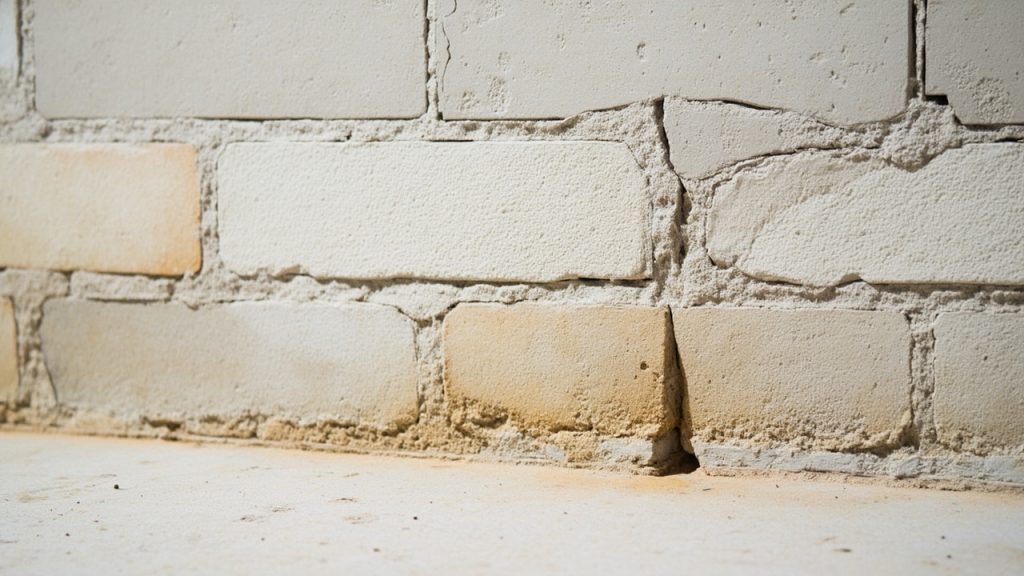
Detroit sits on some of the most problematic soil in the Midwest. If your basement walls are bowing, cracking, or letting water seep through, the ground outside your home is likely the reason. The heavy clay soil that underlies most of Southeast Michigan behaves like a sponge with a temper. It swells when wet, shrinks when dry, and pushes against your foundation walls with forces that standard concrete was never meant to handle indefinitely.
This is not a minor cosmetic issue. Hydrostatic pressure from saturated clay is one of the leading causes of structural failure in Michigan basements. Understanding what is happening underground is the first step toward protecting your home.
What Makes Detroit’s Blue Clay So Destructive
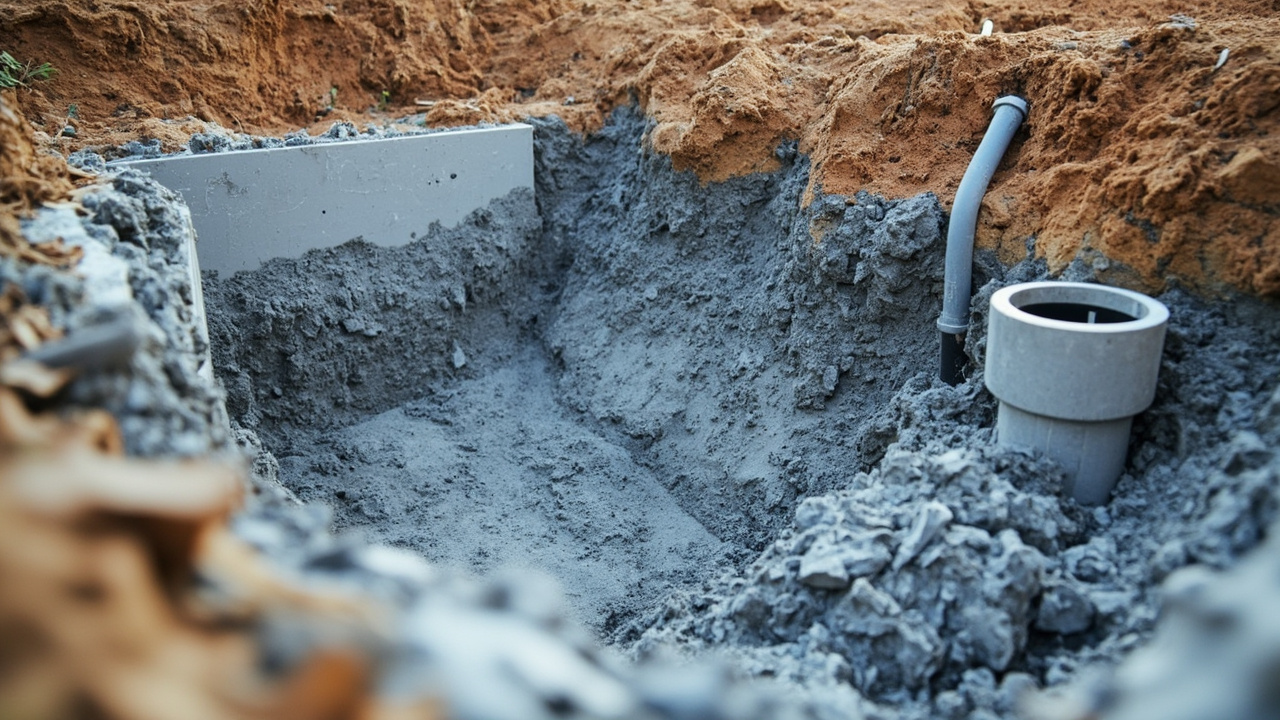
The soil beneath Detroit and its surrounding communities, including Grosse Pointe, Dearborn, Southfield, and Hamtramck, is classified as lacustrine clay. This is sediment deposited by ancient glacial lakes, including the predecessors to Lake Erie and Lake St. Clair. Locals and contractors call it “Detroit blue clay,” and it earns that nickname. Freshly exposed, it carries a distinctly blue-gray color and a dense, plastic-like texture.
What separates blue clay from ordinary dirt is its mineral composition. Clay particles are flat and plate-like, with a massive surface area relative to their size. This structure causes them to adsorb water, meaning water molecules bond to the surface of each particle and get trapped between layers. When Detroit blue clay absorbs moisture, it can expand by 30 to 40 percent in volume. When it dries out, it contracts and pulls away from foundation walls, leaving voids that fill with water the next time it rains.
Detroit averages roughly 33 to 34 inches of precipitation annually, spread across rain events and snowmelt. That is a continuous cycle of saturating and drying the clay around your home, all year long.
The Shrink-Swell Cycle and What It Does to Your Walls
The shrink-swell cycle is the core mechanism destroying foundations across the Detroit metro area. Here is how it works at a practical level.
During spring, snowmelt and heavy rain saturate the clay soil. The soil expands and presses laterally against your foundation walls. This lateral force is hydrostatic pressure, and it does not push evenly. It concentrates at the base of the wall, where the soil is most saturated. A standard poured concrete wall can handle roughly 3,000 to 4,000 PSI in compression. But hydrostatic pressure from saturated clay surrounding a wall can exceed 1,000 pounds per linear foot of wall, a force that acts horizontally and targets the weakest points in your foundation.
In summer, the clay dries. It contracts and pulls away from the wall. Gaps open up. Those gaps fill with loose soil and debris. When the next rain comes, water travels directly down those channels to the base of your foundation instead of dispersing gradually through the soil. The pressure cycle starts again, but the foundation is slightly weaker each time.
Michigan’s freeze-thaw cycle amplifies this problem significantly. The frost line in the Detroit area reaches 42 inches below grade. Water in the soil freezes, expands, and creates frost heave. Homes in older neighborhoods like Mexicantown, Midtown, or the East English Village district often sit on foundations that have endured decades of this repeated stress without modern waterproofing systems.
Warning Signs Your Foundation Is Under Soil Pressure
Most homeowners notice symptoms long before they understand the cause. Watch for these red flags.
- Horizontal cracks in block or poured concrete walls, especially at mid-wall height
- Walls that visibly bow or lean inward toward the basement
- Sticking doors and windows on the ground floor, indicating structural movement
- White powder or mineral deposits (efflorescence) on basement walls
- Water seeping through cracks or at the wall-floor joint after rain events
- Musty odors that signal persistent moisture accumulation
- Floor drain backups tied to high groundwater saturation
Horizontal Cracks Versus Vertical Cracks
Not all cracks carry the same urgency. Vertical cracks often appear from normal concrete curing shrinkage or minor settlement. They are worth sealing but rarely indicate imminent structural failure on their own.
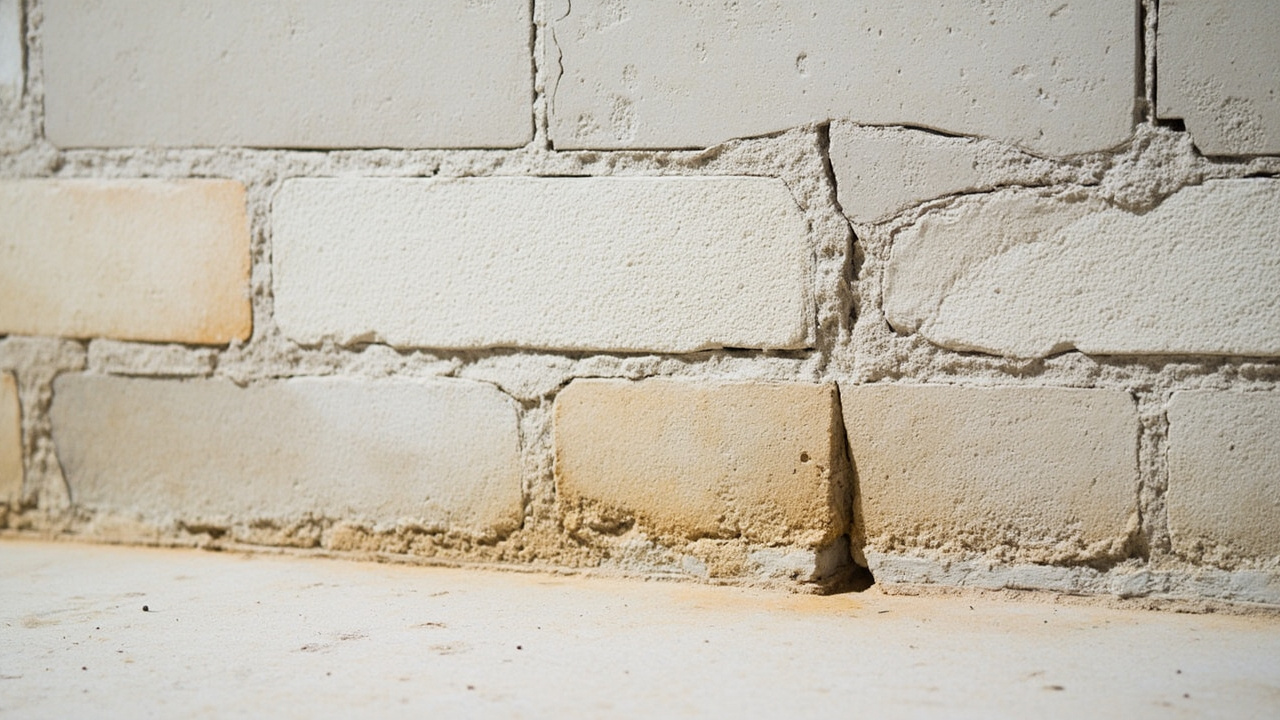
Horizontal cracks are a different category entirely. A horizontal crack running across a block wall means the wall is bending under lateral soil pressure. This is a structural emergency. The wall is failing. Stair-step cracks along the mortar joints of a block foundation signal the same thing. In both cases, you need a professional assessment immediately.

| Crack Type | Likely Cause | Urgency Level | Typical Action Required |
|---|---|---|---|
| Vertical, hairline | Concrete shrinkage during curing | Low | Seal with hydraulic cement or epoxy injection |
| Vertical, wide (over 1/4 inch) | Foundation settlement or movement | Moderate | Professional assessment, potential underpinning |
| Horizontal, mid-wall | Lateral hydrostatic pressure from clay | High, structural risk | Wall anchors, carbon fiber straps, or excavation |
| Stair-step (block walls) | Differential settlement or soil pressure | High | Tuckpointing plus structural reinforcement |
| Diagonal from corners | Uneven settlement | Moderate to High | Assessment for foundation settlement and drainage |
How Saturated Clay Drives Water Into Your Basement
Clay soil does not drain well. That is by definition. When Detroit clay becomes fully saturated, it acts as a near-impermeable barrier. Water has nowhere to go except sideways and downward, which means it accumulates against your foundation walls and footing.
Once hydrostatic pressure builds to a sufficient level, water finds every available path through your foundation. Poured concrete walls develop micro-cracks over time. Block walls have porous mortar joints and hollow cores. Water wicks through these passages, often appearing as seepage streaks or puddles on your basement floor near the wall-floor joint.
Efflorescence, that chalky white mineral deposit you see on basement walls, is direct evidence that water has been moving through your concrete. The water carries dissolved minerals, then evaporates on the wall surface, leaving the mineral residue behind. If you see efflorescence, water is actively migrating through your foundation. The EPA’s guidance on moisture and mold confirms that persistent moisture intrusion creates conditions for mold colonization within 24 to 48 hours on organic materials like wood framing and drywall.
Michigan basements, often called that because they typically feature low ceiling heights and older construction, are especially vulnerable. Many homes in Detroit’s historic neighborhoods were built between the early 1900s and the 1950s, using unreinforced concrete block or rubble stone foundations that were never designed to handle long-term hydrostatic loads without a drainage system.
If you have already seen basement moisture lead to mold growth, you need to address both the water intrusion source and the mold. Surface treatments alone will not solve the problem. Read more about why bleach alone cannot remediate basement mold and when a professional remediation team is the appropriate next step.
The Role of Drainage Systems in Clay Soil Management
Controlling hydrostatic pressure means managing where water goes before it reaches your foundation. There are several approaches, and most effective solutions combine more than one method.
French drain systems installed along the exterior perimeter of the foundation collect groundwater before it saturates the clay directly against your walls. A properly installed French drain uses perforated pipe wrapped in filter fabric, bedded in gravel, and sloped to daylight or a sump basin. In Detroit’s clay-heavy soil, the filter fabric is critical. Without it, clay particles migrate into the gravel and clog the system within a few years.
Interior drainage systems, often called interior French drains or channel systems, are installed along the inside perimeter of the basement floor. They capture water that has already migrated through the foundation and direct it to a sump pump. These systems do not address the hydrostatic pressure itself, but they manage the water that does get through and protect your basement from flood damage.
Sump pump failure is one of the most common causes of basement flooding in the Detroit metro area, particularly during spring snowmelt events when municipal storm systems are also under stress. The Great Lakes Water Authority (GLWA) manages the regional sewer infrastructure, and combined sewer overflows during heavy rainfall events can push sewage back through floor drains in older Detroit neighborhoods. A sump pump with a battery backup system is not optional in high-clay-load areas. It is a basic requirement.
Comparing Foundation Protection Approaches for Detroit Homeowners
| Solution | What It Addresses | Best For | Limitations |
|---|---|---|---|
| Exterior waterproofing membrane | Prevents water penetration through foundation wall | New construction or full excavation projects | High cost, requires excavating around entire foundation |
| Interior drainage channel system | Manages water that enters the basement | Existing homes with chronic seepage | Does not reduce hydrostatic pressure against wall |
| French drain (exterior perimeter) | Reduces soil saturation near foundation | Homes with poor grade or no existing drainage | Must be maintained; clay can clog over time |
| Carbon fiber wall straps | Stabilizes bowing block or poured walls | Walls showing inward movement under 2 inches | Does not reverse existing movement; stops further damage |
| Wall anchors (helical or plate) | Stabilizes and can gradually straighten bowing walls | More advanced wall movement cases | Requires yard access; installation disrupts landscaping |
| Sump pump with battery backup | Removes accumulated groundwater from interior basin | All Detroit homes with clay soil risk | Must be properly sized and maintained annually |
What Happens When Water Damage Sets In
When hydrostatic pressure wins, the damage happens fast. A wall crack that lets in a trickle during a storm can become a stream during a heavy spring rain event. Finished basement spaces can sustain catastrophic water damage within hours. Drywall wicks moisture and becomes a mold substrate within days if not dried properly.
Water damage restoration in a flooded Detroit basement involves far more than running a shop vac and setting up fans. IICRC S500 standards govern the professional process. Category 2 or Category 3 water events, which include groundwater intrusion and sewer backup, require full extraction, controlled demolition of affected materials, structural drying using calibrated desiccant or refrigerant dehumidifiers, and post-drying verification with moisture meters before any rebuild begins.
If your home sustains water damage from clay soil pressure failures, document everything before cleanup begins. Your insurance claim depends on it. Understanding how to navigate that process can save you thousands. Review the guidance on getting your Detroit home insurance to actually pay for water restoration before you sign anything with a contractor.
For homeowners in Corktown specifically, where many homes are mid-renovation and insurance coverage may be in transition, there is a specific resource on filing a successful water damage insurance claim that walks through the documentation process step by step.
Secondary Damage You May Not See Coming
Foundation water intrusion rarely stays in the basement. It affects flooring systems above. Hardwood floors on the main level can cup, buckle, or separate at the seams when subfloor moisture rises from a wet basement below. If you have noticed your first-floor hardwood showing signs of stress, a wet basement may be driving it. The process for saving hardwood floors after water exposure is time-sensitive and requires professional drying equipment.
Carpeted areas in finished basements or adjacent rooms face a different risk assessment after clay soil water intrusion. Contaminated groundwater or sewer backups often make carpet replacement the safer option rather than cleaning alone. The decision factors for wet carpet in the Detroit metro area depend on the water source, saturation duration, and whether the padding has been compromised.
When to Get a Professional Assessment Without Waiting
Do not wait for your basement to flood before taking clay soil pressure seriously. If you see any horizontal cracking in your foundation walls, bowing inward by any measurable amount, or persistent efflorescence after dry weather, schedule a foundation assessment now. The cost difference between stabilizing a bowing wall early versus rebuilding a failed foundation section is substantial.
A qualified water damage restoration contractor who understands Detroit’s clay soil profile will assess your drainage situation, identify active intrusion points, and provide a clear remediation plan. They should reference IICRC S500 standards for any water damage component and be able to walk you through exactly what structural or waterproofing solutions are appropriate for your specific foundation type.
Detroit’s soil is not going to change. But your approach to managing what it does to your home can. Get an assessment before the next heavy rain season makes the decision for you.
{
“@context”: “https://schema.org”,
“@type”: “BlogPosting”,
“headline”: “Why Heavy Clay Soil in Detroit Is Putting Real Pressure on Your Foundation Walls”,
“description”: “Detroit’s blue clay soil expands, contracts, and pushes against your foundation year-round. Learn the warning signs and what to do before water damage sets in.”,
“wordCount”: 2014,
“datePublished”: “2026-05-10T06:41:00.000Z”,
“dateModified”: “2026-05-10T06:41:00.000Z”,
“inLanguage”: “en-US”,
“mainEntityOfPage”: {
“@type”: “WebPage”,
“@id”: “https://ironwoodwaterdamagerestorationdetroit.com”
},
“publisher”: {
“@type”: “LocalBusiness”,
“name”: “Ironwood Water Damage Restoration Detroit”,
“url”: “https://ironwoodwaterdamagerestorationdetroit.com”
},
“author”: {
“@type”: “Organization”,
“name”: “Ironwood Water Damage Restoration Detroit”,
“url”: “https://ironwoodwaterdamagerestorationdetroit.com”
},
“image”: {
“@type”: “ImageObject”,
“url”: “https://ironwoodwaterdamagerestorationdetroit.com/wp-content/uploads/2026/03/how-heavy-clay-soil-in-detroit-is-putting-pressure-1.jpg”
}
}
{
“@context”: “https://schema.org”,
“@type”: “LocalBusiness”,
“name”: “Ironwood Water Damage Restoration Detroit”,
“url”: “https://ironwoodwaterdamagerestorationdetroit.com”,
“address”: {
“@type”: “PostalAddress”,
“addressLocality”: “Detroit”
},
“areaServed”: {
“@type”: “City”,
“name”: “Detroit”
}
}
{
“@context”: “https://schema.org”,
“@type”: “BreadcrumbList”,
“itemListElement”: [
{
“@type”: “ListItem”,
“position”: 1,
“name”: “Home”,
“item”: “https://ironwoodwaterdamagerestorationdetroit.com”
},
{
“@type”: “ListItem”,
“position”: 2,
“name”: “Blog”,
“item”: “https://ironwoodwaterdamagerestorationdetroit.com/blog”
},
{
“@type”: “ListItem”,
“position”: 3,
“name”: “Why Heavy Clay Soil in Detroit Is Putting Real Pressure on Your Foundation Walls”
}
]
}
{
“@context”: “https://schema.org”,
“@type”: “Service”,
“serviceType”: “Water Damage Restoration”,
“provider”: {
“@type”: “LocalBusiness”,
“name”: “Ironwood Water Damage Restoration Detroit”,
“url”: “https://ironwoodwaterdamagerestorationdetroit.com”
},
“areaServed”: {
“@type”: “City”,
“name”: “Detroit”
},
“description”: “Detroit’s blue clay soil expands, contracts, and pushes against your foundation year-round. Learn the warning signs and what to do before water damage sets in.”
}