
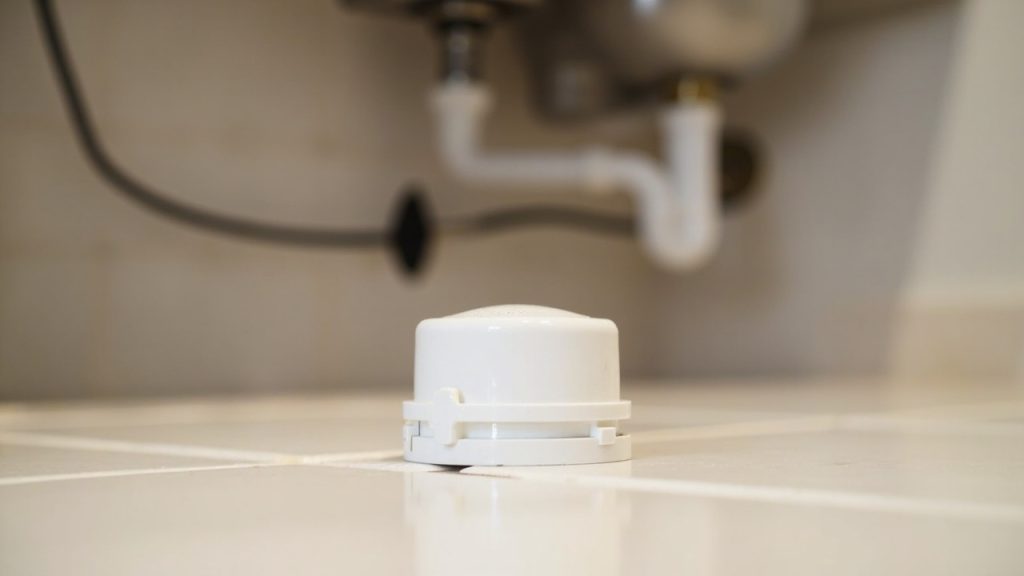
A slow leak behind a Royal Oak bathroom wall can go unnoticed for weeks. By the time you smell mildew or see a stain, you are already looking at drywall replacement, potential mold remediation, and a frustrated tenant. Smart leak detectors stop that chain of events before it starts.
If you own a rental in Royal Oak, Ferndale, or anywhere in Oakland County, this technology is one of the most cost-effective investments you can make in your property. Here is what you need to know before you buy.
Why Rental Properties in Royal Oak Are Especially Vulnerable to Water Damage
Royal Oak has a housing stock that skews older. Many of the bungalows and brick ranches in the area were built mid-century, and the plumbing inside them reflects that age. Cast iron drain lines corrode. Supply lines stiffen and crack. Galvanized steel pipes narrow from mineral buildup over decades.
Layer Michigan’s climate on top of that. Southeast Michigan gets a hard freeze-thaw cycle every winter. Pipes in exterior walls, crawl spaces, and unheated garages are at real risk of bursting when temperatures drop below freezing for extended periods. The National Weather Service Detroit office regularly issues wind chill advisories below minus fifteen degrees Fahrenheit, and those are exactly the conditions that burst pipes in under-insulated walls.
As a landlord, you are not always on-site to catch a dripping supply line under the kitchen sink. Your tenant might not notice it for days, or they might be reluctant to report it. A smart leak detector catches it the moment moisture hits the sensor.
The Real Cost of Water Damage Before Insurance Kicks In
Water damage restoration is expensive. Even a contained incident involving one bathroom or a single appliance line can result in significant out-of-pocket costs once you factor in extraction, drying, material replacement, and temporary housing for tenants if the unit becomes uninhabitable.
Your insurance deductible alone can be painful. Most landlord policies carry a deductible that makes small-to-mid-size water damage claims feel pointless to file. A smart detection system that prevents the leak from spreading in the first place is the better financial play.
For context on navigating claims when damage does happen, this breakdown of how to get your Detroit home insurance to actually pay for water restoration is worth reading before you ever need to file.
Two Categories of Smart Leak Detectors and What They Actually Do
Most buyers get confused because the term “smart leak detector” covers two very different types of products. Knowing the difference is critical before you spend a dollar.
Point-of-Leak Sensors
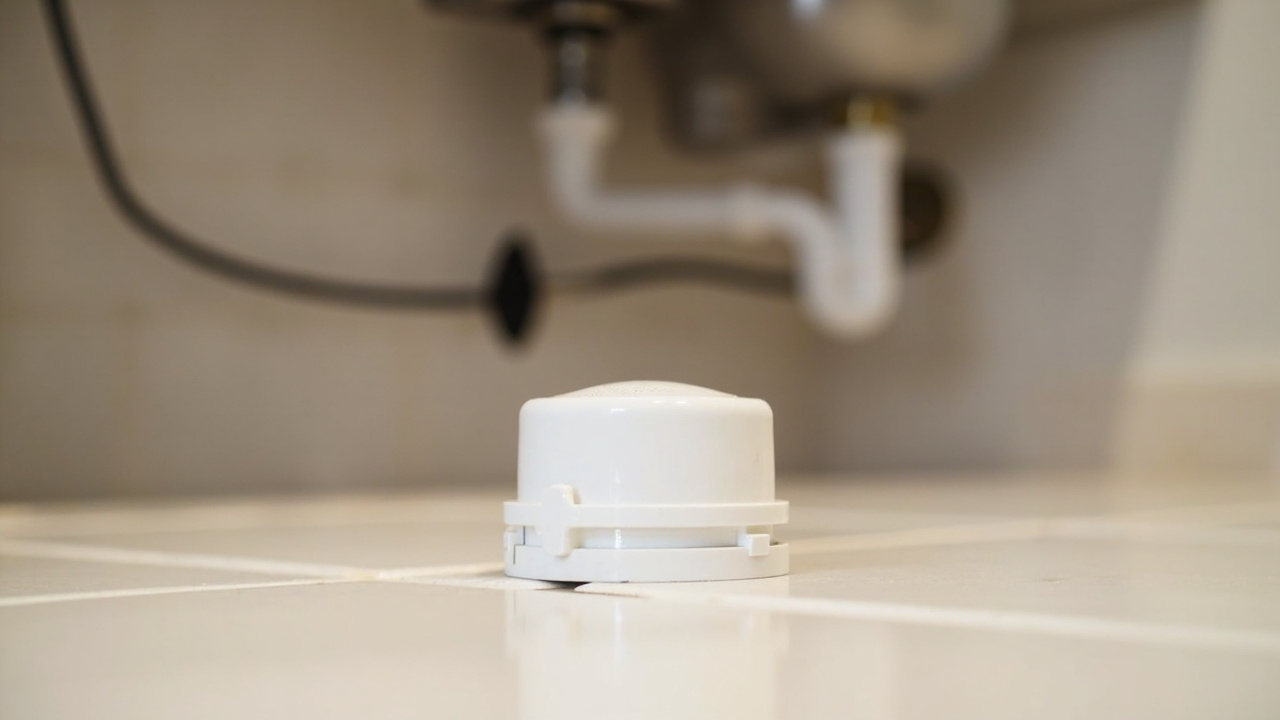
These are small, battery-powered or plug-in devices that sit on the floor near potential leak sources. When moisture contacts the sensor pad, an alert fires to your phone. Brands like Govee Water Detectors and the Ring Flood and Freeze Sensor fall into this category.
They are inexpensive and require zero plumbing work. You place them under sinks, behind washing machines, near water heaters, and along basement sump pits. The weakness is that they only alert you. You or your tenant still has to physically shut off the water supply to stop the flow.
Automatic Water Shut-off Valves (Whole-Home Systems)
These are inline systems that install directly on your main water supply line. The Moen Flo and Phyn Plus are the most recognized names in this category. They use flow monitoring and pressure analysis to detect anomalies in real time, and they can automatically shut off water to the entire home when a burst pipe or major leak is detected.
These require a licensed plumber for installation to meet Wayne County Building Codes and to maintain your insurance compliance. The installation adds cost, but the protection level is in a completely different category than a floor sensor alone.

Side-by-Side Comparison of Popular Models for Michigan Rentals
| Device | Type | Automatic Shutoff | Smart Home Integration | Best Use Case | Professional Install Required |
|---|---|---|---|---|---|
| Govee Water Detector | Point-of-Leak Sensor | No | Alexa, Google Home | Under sinks, appliances, sump pit | No |
| Ring Flood and Freeze Sensor | Point-of-Leak Sensor | No | Ring Alarm ecosystem | Basement floors, water heater area | No |
| Honeywell Home Lyric | Point-of-Leak Sensor | No | Honeywell Total Connect | Multi-zone rental with existing Honeywell system | No |
| Moen Flo by Moen | Whole-Home Shut-off Valve | Yes | Alexa, Google Home, Apple HomeKit | Primary protection on main supply line | Yes |
| Phyn Plus | Whole-Home Shut-off Valve | Yes | Alexa, Google Home | High-value rentals, properties with history of claims | Yes |
How Michigan’s Freeze-Thaw Cycle Changes Your Detector Strategy
Generic buying guides written for warm-weather climates often miss this entirely. In Metro Detroit, your biggest leak risk is not a slow supply line drip. It is a burst pipe during a polar vortex event, a sump pump that fails during spring snowmelt, or hydrostatic pressure in aging basement walls after a rapid thaw.
The Ring Flood and Freeze Sensor earns its place in Michigan rentals specifically because it monitors both moisture and ambient temperature. When the temperature in your basement or crawl space drops toward the danger zone, you get an alert before the pipe freezes. That early warning window is valuable.
For whole-home systems like the Moen Flo, the pressure monitoring feature is particularly useful in Michigan. The system runs daily pressure tests and learns your baseline water usage. An unusual pressure drop at three in the morning, when no one is using water, signals that something is wrong. It can shut off flow automatically while you are hours away from the property.
If you have ever dealt with a sump pump failure during spring flooding in a Ferndale or Hazel Park basement, you know what a wet basement looks like before you even open the door. Learn more about the mold that follows those events in this breakdown of why bleach will not fix basement mold in Ferndale.
Professional Installation vs. DIY Setup for Landlords
Point-of-leak sensors are genuinely plug-and-play. Charge them, place them, connect them to your Wi-Fi, and download the app. A landlord can set up six sensors across a rental unit in under an hour. Battery life on most models runs over a year.
Whole-home shut-off valves are a different conversation. The Moen Flo and Phyn Plus require cutting into the main water supply line, soldering or compression fitting new pipe connections, and integrating with your home’s existing plumbing. In a Royal Oak rental, that work needs to be done by a licensed plumber. This is not about being cautious. Wayne County Building Codes require permitted work on main supply lines, and your insurance carrier will ask about installation compliance if you ever file a related claim.
A professional installation also ensures proper flow rate compatibility. Installing an inline valve on a line with the wrong diameter or pressure rating can actually damage the device and void the manufacturer warranty.
What to Expect in Terms of Setup Costs and Ongoing Expenses
| System Type | Device Cost Range | Installation Cost | Monthly Monitoring Fee | Alert Method |
|---|---|---|---|---|
| Basic Point-of-Leak Sensor (single) | Low (under $30) | DIY, zero cost | None | App push notification |
| Multi-zone Sensor Pack (6-pack) | Moderate ($60 to $120) | DIY, zero cost | None to minimal | App, some with SMS or email |
| Whole-Home Shut-off Valve (device only) | High ($300 to $700) | Plumber required, add cost | Low optional cloud monitoring | App, automatic shutoff, alert |
| Whole-Home System with Professional Install | High ($300 to $700 device) | Plumber labor adds significantly | Low optional | App, automatic shutoff, smart home integration |
Insurance Premium Discounts for Royal Oak Landlords
Several major insurers who write landlord policies in Michigan now offer premium credits for documented smart water leak detection. The Moen Flo and Phyn Plus are specifically named in some carrier discount programs because they provide automatic shutoff, not just alerting.
To qualify for most discounts, you need to document the installation with photos, retain the purchase receipt, and in some cases provide a plumber’s invoice for inline valve work. Contact your insurance broker and ask directly about water detection credits on your landlord policy. The discount alone can offset the cost of the device within a few policy years.
The Michigan Department of Insurance and Financial Services maintains guidance on landlord property insurance requirements in the state, which can help you understand what your policy should cover before you negotiate credits.
If damage does occur despite your precautions, knowing how to file correctly matters a great deal. This walkthrough on filing a successful water damage insurance claim for a Corktown home covers the documentation steps that determine whether your claim gets paid in full.
Where to Place Sensors in a Typical Royal Oak Rental
Placement matters as much as the device you choose. A sensor sitting on a shelf across the room from the water heater is not going to catch a small drip at the base of the tank before it spreads under the floor. Here is where sensors should go in a standard Royal Oak rental unit.
- Directly under the kitchen sink, near the drain connection and supply lines
- Under or directly behind the washing machine, where hose connections fail
- At the base of the water heater on the floor, not elevated
- Near the sump pit in the basement, set to detect both moisture and freezing temperatures
- Under both bathroom vanities, especially in older homes with aging shutoff valves
- Near the water supply entry point in the basement or utility area
- Along any basement wall that shows past efflorescence or staining, which signals historic hydrostatic pressure

What Happens After a Leak That a Sensor Could Not Prevent
Even the best detection system cannot stop every event. A supply line that fails catastrophically can dump significant water before the shutoff valve closes. If that happens in your Royal Oak rental, the clock starts immediately on secondary damage.
Hardwood floors begin to cup within hours of saturation. If your tenant has hardwood in the unit, read this guide on how to save hardwood floors after a significant water leak before assuming they need replacement.
Carpet in saturated units presents a separate decision. Depending on the contamination level and how long it sat wet, some carpet can be dried and restored. Others need to go. This analysis of whether wet carpet can be saved or needs replacement walks through how that decision gets made.
IICRC-certified restoration technicians use moisture meters, thermal imaging, and industrial drying equipment to address water damage at the structural level. What you see on the surface is rarely the full picture. Wet insulation, saturated subfloor, and damp wall cavities need professional assessment to prevent mold growth in the weeks following a leak event.
The Practical Case for Starting with Sensors Before Committing to a Whole-Home System
If you manage a single Royal Oak rental and are deciding where to start, a multi-zone point-of-leak sensor pack is the right first move. You can cover the highest-risk areas of the unit for a modest upfront cost, get familiar with the app interface, and test your response time when an alert fires.
Once you have experienced the value of real-time notification, the case for upgrading to an automatic shutoff valve becomes much clearer. At that point, you are not wondering whether the technology works. You are deciding how much automation you want layered on top of it.
For landlords with multiple units in Royal Oak or throughout Oakland County, a whole-home system on each property is a straightforward risk management tool. The math favors the investment before your first significant claim, not after.
If you have already experienced water damage at a rental and want a professional assessment of the current condition, our team works with property owners across Royal Oak, Ferndale, Hazel Park, and throughout Metro Detroit to document damage, coordinate drying, and help you get your property back to a rentable condition. Reach out and we will walk you through what a restoration scope looks like for your specific situation.
{
“@context”: “https://schema.org”,
“@type”: “BlogPosting”,
“headline”: “Why Smart Leak Detectors Are Worth Every Penny for Your Royal Oak Rental Property”,
“description”: “Royal Oak landlords and homeowners can prevent costly water damage with smart leak detectors. Learn which systems work best for Michigan’s harsh winters.”,
“wordCount”: 1967,
“datePublished”: “2026-04-19T13:10:00.000Z”,
“dateModified”: “2026-04-19T13:10:00.000Z”,
“inLanguage”: “en-US”,
“mainEntityOfPage”: {
“@type”: “WebPage”,
“@id”: “https://ironwoodwaterdamagerestorationdetroit.com”
},
“publisher”: {
“@type”: “LocalBusiness”,
“name”: “Ironwood Water Damage Restoration Detroit”,
“url”: “https://ironwoodwaterdamagerestorationdetroit.com”
},
“author”: {
“@type”: “Organization”,
“name”: “Ironwood Water Damage Restoration Detroit”,
“url”: “https://ironwoodwaterdamagerestorationdetroit.com”
},
“image”: {
“@type”: “ImageObject”,
“url”: “https://ironwoodwaterdamagerestorationdetroit.com/wp-content/uploads/2026/03/why-smart-leak-detectors-are-worth-the-investment-1.jpg”
}
}
{
“@context”: “https://schema.org”,
“@type”: “LocalBusiness”,
“name”: “Ironwood Water Damage Restoration Detroit”,
“url”: “https://ironwoodwaterdamagerestorationdetroit.com”,
“address”: {
“@type”: “PostalAddress”,
“addressLocality”: “Detroit”
},
“areaServed”: {
“@type”: “City”,
“name”: “Detroit”
}
}
{
“@context”: “https://schema.org”,
“@type”: “BreadcrumbList”,
“itemListElement”: [
{
“@type”: “ListItem”,
“position”: 1,
“name”: “Home”,
“item”: “https://ironwoodwaterdamagerestorationdetroit.com”
},
{
“@type”: “ListItem”,
“position”: 2,
“name”: “Blog”,
“item”: “https://ironwoodwaterdamagerestorationdetroit.com/blog”
},
{
“@type”: “ListItem”,
“position”: 3,
“name”: “Why Smart Leak Detectors Are Worth Every Penny for Your Royal Oak Rental Property”
}
]
}
{
“@context”: “https://schema.org”,
“@type”: “Service”,
“serviceType”: “Water Damage Restoration”,
“provider”: {
“@type”: “LocalBusiness”,
“name”: “Ironwood Water Damage Restoration Detroit”,
“url”: “https://ironwoodwaterdamagerestorationdetroit.com”
},
“areaServed”: {
“@type”: “City”,
“name”: “Detroit”
},
“description”: “Royal Oak landlords and homeowners can prevent costly water damage with smart leak detectors. Learn which systems work best for Michigan’s harsh winters.”
}