
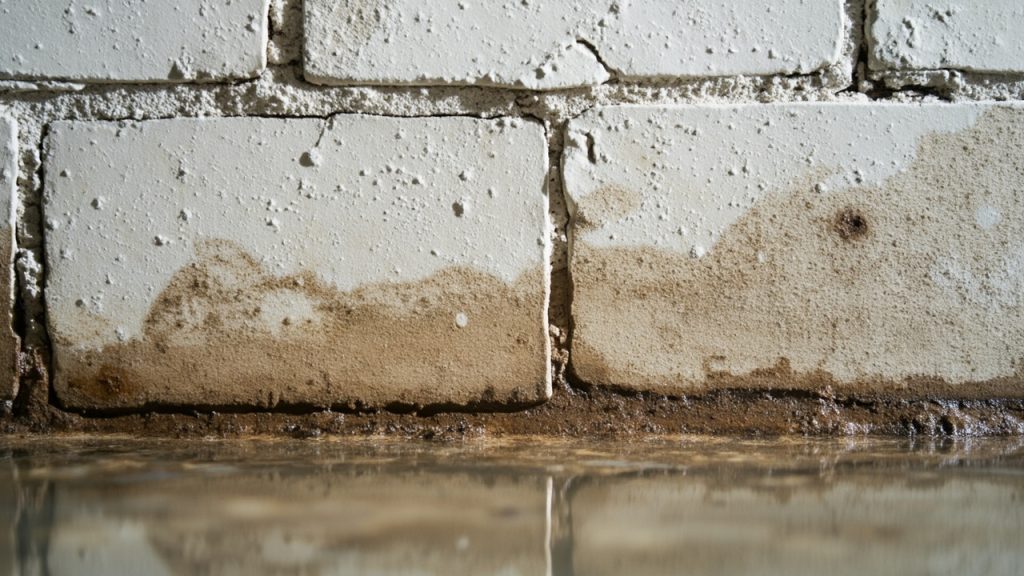
If you press your hand against a concrete block wall in your Eastside Detroit basement and it feels cold and damp, or you can see water trickling down in thin sheets, your wall is weeping. This is not condensation. This is not a minor annoyance. This is hydrostatic pressure pushing groundwater through every pore and joint in your cinder block foundation, and it gets worse the longer you ignore it.. Read more about Water Seeping Through Your Grosse Pointe Park Fireplace Hearth.
Homes in neighborhoods like Jefferson-Chalmers, East English Village, and Morningside were built predominantly between the 1920s and 1960s. Their cinder block and concrete block foundations were not designed to handle the soil conditions and water table shifts we see today. Weeping walls are the first warning your foundation gives you before a much more expensive problem develops.
What Weeping Concrete Block Walls Actually Mean
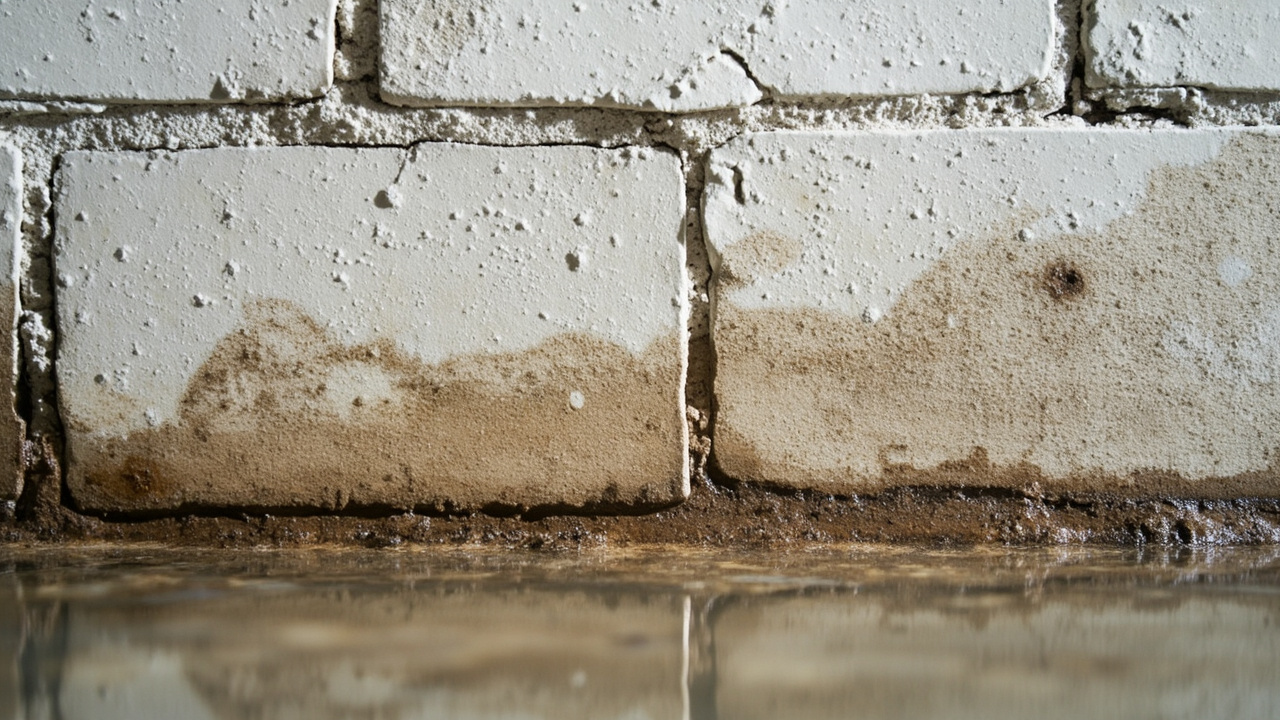
Weeping and seepage are related but not the same thing. Seepage is water entering through a visible crack or gap. Weeping happens when water saturates the surrounding soil so completely that it forces itself through the microscopic pores in the concrete block material itself. The entire wall face can become a slow-moving filter for groundwater under pressure.
Concrete masonry units, the blocks that make up most Eastside Detroit foundations, are inherently porous. When they were manufactured and installed decades ago, builders relied on exterior parging and drainage conditions to keep water at bay. In many cases, that parging has long since deteriorated, the original drain tile has collapsed or clogged with root intrusion, and the soil conditions have shifted dramatically.
The result is a wall that weeps. Water migrates through the block cores, through the mortar joints, and sometimes through weepholes that were originally designed to relieve pressure but are now overwhelmed.
Why Detroit’s Eastside Has a Particularly Serious Hydrostatic Pressure Problem
Detroit sits on a bed of heavy, expansive clay soil. This is not unique to the Eastside, but the combination of proximity to the Detroit River, aging municipal storm infrastructure, and the high water table in low-lying areas like the Rivertown and East Riverfront corridors makes the problem more severe here than in many other parts of the metro.
Clay soil does not drain. When rain falls or snow melts, the clay absorbs moisture and swells. This creates lateral pressure against your foundation walls, which engineers call lateral earth pressure. When the clay becomes fully saturated, hydrostatic pressure builds up like a column of water pressing against every square inch of your block wall.
Michigan’s freeze-thaw cycle compounds this significantly. Detroit averages more than 40 inches of precipitation annually, and a meaningful portion of that comes as snow that melts rapidly in late winter and early spring. Each freeze-thaw cycle expands cracks in mortar joints and in the block face itself. Water gets in, freezes, expands the gap, and creates a larger entry point for the next cycle.
According to the Michigan Department of Environment, Great Lakes, and Energy, Southeast Michigan groundwater tables have shifted measurably in recent decades due to changes in land use and impervious surface coverage. Older neighborhoods that once had more green space for natural absorption are now more prone to rapid soil saturation after rain events.
Signs Your Concrete Block Foundation Is Doing More Than Weeping
Weeping walls exist on a spectrum. On one end, you have a slightly damp wall face with a chalky white residue. On the other end, you have active water flow, cracked blocks, and walls that are beginning to bow inward. Knowing where your foundation sits on that spectrum determines what kind of intervention you need.
Efflorescence
The white, chalky, or crystalline powder you see on concrete block walls is called efflorescence. It forms when water moves through the block, picks up calcium salts and other minerals, and then deposits them on the surface as the water evaporates. Efflorescence itself is not structurally dangerous, but it is a reliable indicator that water is actively moving through your block wall on a regular basis.
Horizontal Cracking in the Mortar Joints
This is the warning sign that demands immediate professional attention. Horizontal cracks along the mortar joints, typically appearing one-third to halfway up the foundation wall, indicate that lateral soil pressure is exceeding the wall’s structural capacity. Left unaddressed, this leads to inward bowing and eventual wall failure. This is a structural issue, not just a waterproofing issue.
Staining Patterns and Active Water Trails
Look for vertical streaking on block walls, concentrated water trails coming from specific block cores, or mortar joints that are consistently wetter than the block face. These patterns tell you where the primary water entry points are.
Mold Growth at or Below the Block Course Line
Mold in a basement with weeping walls grows fast because the humidity stays elevated continuously. You will typically see it first along the base of the wall or on any wood framing, storage boxes, or drywall that contacts the block. If you are dealing with mold alongside weeping walls, read our breakdown of why bleach won’t fix your basement mold problem before reaching for a spray bottle.
The Spectrum of Weeping Wall Severity
| Severity Level | What You See | Structural Risk | Urgency |
|---|---|---|---|
| Stage 1 – Damp Face | Wall feels cold and clammy, minor efflorescence, no visible water flow | Low | Schedule evaluation within 30 to 60 days |
| Stage 2 – Active Weeping | Visible water trails, heavy efflorescence, minor mold at base | Moderate | Evaluate within 1 to 2 weeks |
| Stage 3 – Saturated Wall | Continuous water flow, mortar joint deterioration, floor wet at wall base | Moderate to High | Evaluate within days |
| Stage 4 – Structural Compromise | Horizontal cracking, visible wall bowing, block displacement | High | Contact a professional immediately |
Interior vs. Exterior Waterproofing for Detroit Block Foundations
This is where homeowners get confused by conflicting information. Both interior and exterior approaches can be effective, but they solve different parts of the problem. The right choice depends on your foundation’s condition, your lot, and your budget.
Exterior Waterproofing
Exterior waterproofing addresses the problem at its source. The process involves excavating the soil down to the footing, cleaning the block wall face, applying a waterproof membrane or dimple board vapor barrier, and installing new drain tile at the footing level to redirect water away from the foundation. When done correctly, exterior waterproofing prevents hydrostatic pressure from ever building up against the wall.
The downside for Eastside Detroit homeowners is practical. Full exterior excavation on a row house or a home with a finished landscape, mature trees, or a driveway immediately adjacent to the foundation wall is logistically difficult and significantly more expensive than interior work. It is also the right solution when the block wall itself is in questionable structural condition.
Interior Perimeter Pressure Relief Systems
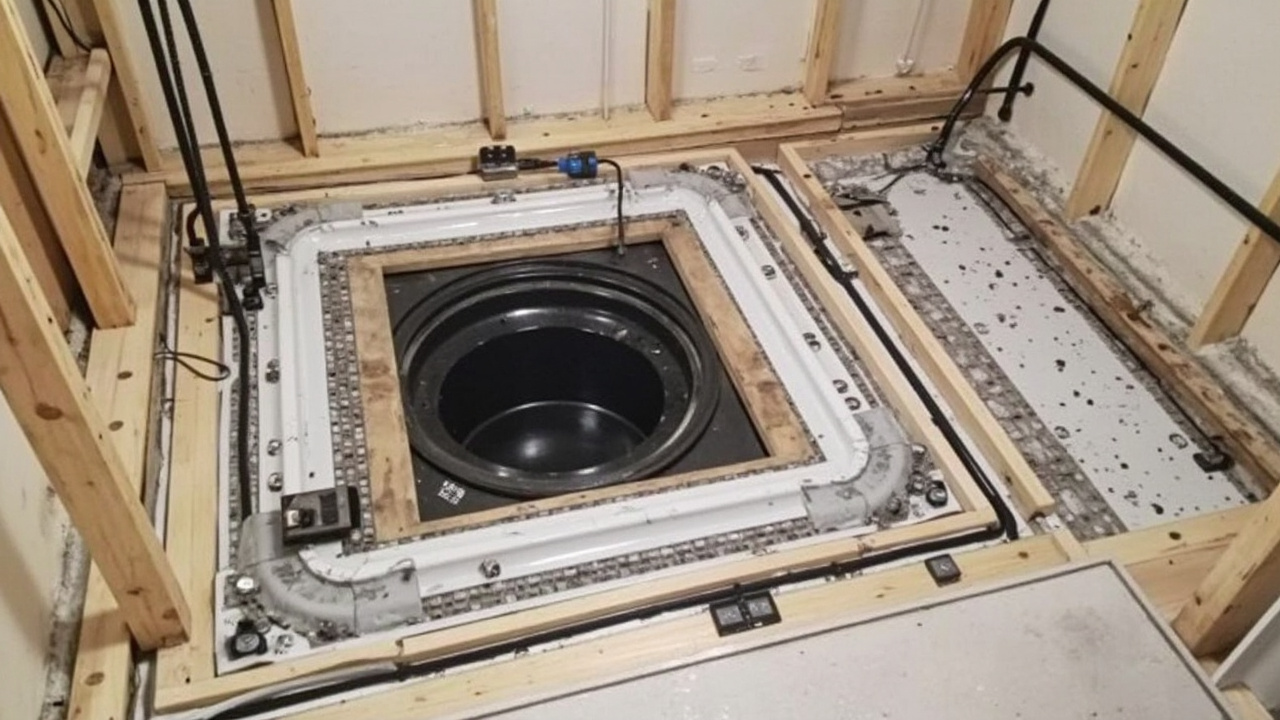
Interior waterproofing does not stop water from entering the wall. What it does is manage where that water goes after it enters. A channel is saw-cut along the interior perimeter of the basement floor, a French drain or interior drain tile system is installed at the footing level, and a sump pump basin is positioned to collect and discharge the water before it can accumulate on your floor.
This approach works well for homes in Banglatown, Gratiot Woods, and other areas where exterior excavation is impractical. It is less invasive, less expensive, and can be completed in one to two days in most cases. The key is making sure the system is properly tied to an appropriately sized sump pump and that the pump has a battery backup for the power outages that come with Detroit’s storm seasons.
Wall Anchors and Carbon Fiber Straps for Bowing Walls
If your wall has progressed to Stage 4 with visible inward bowing, waterproofing alone is not enough. Wall anchors driven through the foundation into stable soil, or carbon fiber reinforcement straps bonded to the block face, are used to halt further movement. This is structural remediation, and it must meet Michigan Building Code requirements for foundation repair. A permit is typically required.
Comparing Interior and Exterior Waterproofing Approaches
| Factor | Exterior Waterproofing | Interior Perimeter System |
|---|---|---|
| Problem it solves | Prevents water from reaching the wall | Manages water after it enters the wall |
| Disruption to property | High (excavation required) | Low (interior concrete sawcut only) |
| Typical project duration | 3 to 7 days depending on scope | 1 to 2 days for most homes |
| Addresses structural bowing | Yes, when combined with wall repair | No, requires separate structural repair |
| Suitable for row houses | Often impractical | Yes |
| Long-term effectiveness | High when properly installed | High with functioning sump pump system |
How Michigan’s Weather Patterns Load Your Foundation Year After Year
The freeze-thaw cycle in Southeast Michigan runs from roughly November through March, sometimes later. During that window, your foundation soil goes through repeated expansion and contraction. Each cycle forces mortar joints to open slightly further. Block cores fill with water, that water freezes and expands, and the block face can spall or fracture.
Spring snowmelt is the peak stress event for most Eastside Detroit basements. Large volumes of water enter the soil rapidly, the clay cannot absorb it fast enough, and the water table rises. Homes that were dry all winter often develop their first active weeping in March or April. This is the most common time we get called to neighborhoods like Islandview and the East Riverfront.
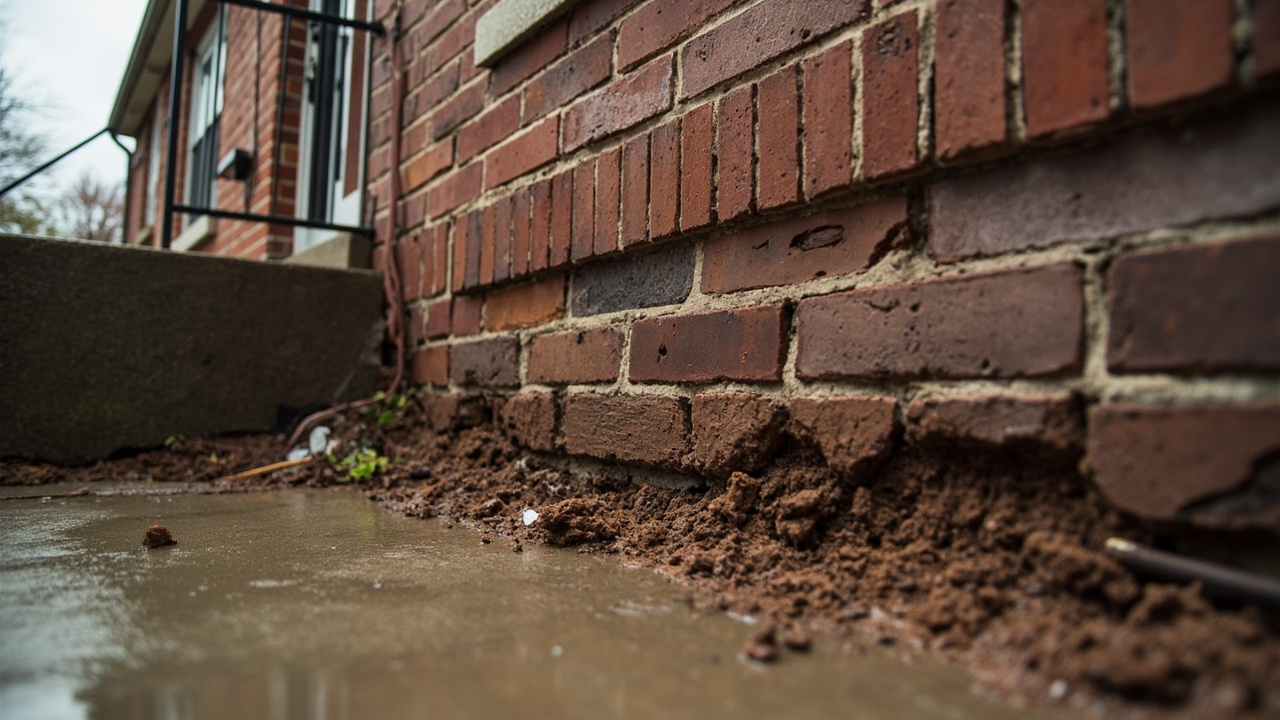
Summer is not without its own pressure events. Detroit receives significant rainfall from late-spring through late-summer thunderstorms. A two-inch rainfall event on clay soil translates to rapid surface runoff and soil saturation around your foundation within hours. If your gutters discharge close to the foundation or your lot grades toward the house, that water is headed directly for your block walls.
What to Do Right Now If Your Walls Are Actively Weeping
- Move stored items, especially anything cardboard or fabric, away from the wet wall immediately.
- Run a dehumidifier continuously to reduce airborne moisture and slow mold development.
- Do not apply hydraulic cement or waterproofing paint to an actively weeping wall. These products can create a pressure buildup that damages the block face further.
- Check your sump pump if you have one. Confirm it is operational and that the discharge line runs water away from the foundation, not back toward it.
- Photograph the weeping pattern, including any horizontal cracks or discoloration. This documentation matters when you talk to your insurance company.
- If you see horizontal cracking or any visible inward bowing, stop using the basement for storage or living space until a professional evaluates the wall.
If water damage has already spread to finished areas of your basement, including flooring or drywall, that remediation follows IICRC S500 standards for water damage restoration. The drying protocol, moisture mapping, and material removal timelines all have to be executed correctly to prevent secondary mold growth. Getting your insurance claim handled properly matters here. Our guide on how to get your Detroit home insurance to pay for water restoration walks through exactly what adjusters look for and how to document a foundation water event effectively.
When This Is an Emergency vs. When You Have Time to Plan
Weeping walls in Stage 1 or Stage 2 are serious but not emergencies. You have time to get multiple evaluations, research your options, and plan the remediation properly. Do not let anyone pressure you into a same-day decision for a problem that has been developing for years.
Stage 3 and Stage 4 are different situations. Active water flow across your basement floor, combined with visible structural cracking, requires immediate professional attention. A foundation wall that is bowing inward can fail. That failure does not give much warning, and the damage to the structure above, including floor joists and the first-floor framing system, can be catastrophic and expensive.
If you are also dealing with wet flooring materials beyond just the concrete slab, that introduces its own remediation timeline. Subfloor materials and carpet pad begin supporting mold growth within 24 to 48 hours of saturation. Our article on determining whether wet carpet can be saved covers the decision framework used by IICRC-certified technicians.
The Long-Term Cost of Doing Nothing
Weeping concrete block walls do not stabilize on their own. The underlying conditions, clay soil, hydrostatic pressure, freeze-thaw cycling, deteriorating drain tile, do not improve without intervention. What starts as a damp wall face progresses to active water entry, then to mortar joint failure, then to structural movement.
Homeowners in Chandler Park and Conner who addressed weeping walls at Stage 1 or Stage 2 typically dealt with a manageable interior drain system installation. Those who waited until Stage 4 faced a combination of structural wall repair, full waterproofing remediation, mold remediation, and flooring replacement. The scope difference is significant.
If you have concerns about how a water damage insurance claim applies to your situation, our resource on filing a successful water damage insurance claim breaks down what is typically covered and what is not, so you go into that conversation with your adjuster informed.
Getting a Honest Assessment of Your Foundation
A credible evaluation of a weeping concrete block wall should include a visual inspection of the exterior grade and drainage conditions, not just the interior. The technician should probe mortar joints, check for efflorescence patterns, measure any visible bowing with a level or laser, and assess your existing sump pump and drain tile system if one is present.
Ask specifically whether the professional holds IICRC certification for water damage restoration. For structural assessment, ask whether they carry a Michigan contractor license and whether any proposed work requires a building permit under the Michigan Building Code. Both of those questions tell you immediately how seriously to take the evaluation.
If you are in Jefferson-Chalmers, East English Village, Morningside, Gratiot Woods, or anywhere else on Detroit’s Eastside and your basement walls are showing any of the signs described here, get a professional set of eyes on it. The foundation is doing exactly what it is supposed to do, which is telling you there is a problem. The question is whether you respond before it becomes a structural failure.
Contact our team for a free on-site inspection of your Eastside Detroit foundation. We carry IICRC certification, we know these neighborhoods and these foundations, and we will give you a straight answer about what you are dealing with and what your real options are.
{
“@context”: “https://schema.org”,
“@type”: “BlogPosting”,
“headline”: “Why the Concrete Block Walls in Your Eastside Detroit Basement Are Actually Weeping”,
“description”: “Weeping concrete block walls in your Eastside Detroit basement signal hydrostatic pressure buildup. Learn the causes, risks, and real solutions.”,
“wordCount”: 2372,
“datePublished”: “2026-08-03T10:35:00.000Z”,
“dateModified”: “2026-08-03T10:35:00.000Z”,
“inLanguage”: “en-US”,
“mainEntityOfPage”: {
“@type”: “WebPage”,
“@id”: “https://ironwoodwaterdamagerestorationdetroit.com”
},
“publisher”: {
“@type”: “LocalBusiness”,
“name”: “Ironwood Water Damage Restoration Detroit”,
“url”: “https://ironwoodwaterdamagerestorationdetroit.com”
},
“author”: {
“@type”: “Organization”,
“name”: “Ironwood Water Damage Restoration Detroit”,
“url”: “https://ironwoodwaterdamagerestorationdetroit.com”
},
“image”: {
“@type”: “ImageObject”,
“url”: “https://ironwoodwaterdamagerestorationdetroit.com/wp-content/uploads/2026/03/why-the-concrete-block-walls-in-your-eastside-detr-1.jpg”
}
}
{
“@context”: “https://schema.org”,
“@type”: “LocalBusiness”,
“name”: “Ironwood Water Damage Restoration Detroit”,
“url”: “https://ironwoodwaterdamagerestorationdetroit.com”,
“address”: {
“@type”: “PostalAddress”,
“addressLocality”: “Detroit”
},
“areaServed”: {
“@type”: “City”,
“name”: “Detroit”
}
}
{
“@context”: “https://schema.org”,
“@type”: “BreadcrumbList”,
“itemListElement”: [
{
“@type”: “ListItem”,
“position”: 1,
“name”: “Home”,
“item”: “https://ironwoodwaterdamagerestorationdetroit.com”
},
{
“@type”: “ListItem”,
“position”: 2,
“name”: “Blog”,
“item”: “https://ironwoodwaterdamagerestorationdetroit.com/blog”
},
{
“@type”: “ListItem”,
“position”: 3,
“name”: “Why the Concrete Block Walls in Your Eastside Detroit Basement Are Actually Weeping”
}
]
}
{
“@context”: “https://schema.org”,
“@type”: “Service”,
“serviceType”: “Water Damage Restoration”,
“provider”: {
“@type”: “LocalBusiness”,
“name”: “Ironwood Water Damage Restoration Detroit”,
“url”: “https://ironwoodwaterdamagerestorationdetroit.com”
},
“areaServed”: {
“@type”: “City”,
“name”: “Detroit”
},
“description”: “Weeping concrete block walls in your Eastside Detroit basement signal hydrostatic pressure buildup. Learn the causes, risks, and real solutions.”
}