
What Dearborn Heights Soil Is Actually Doing to Your Foundation
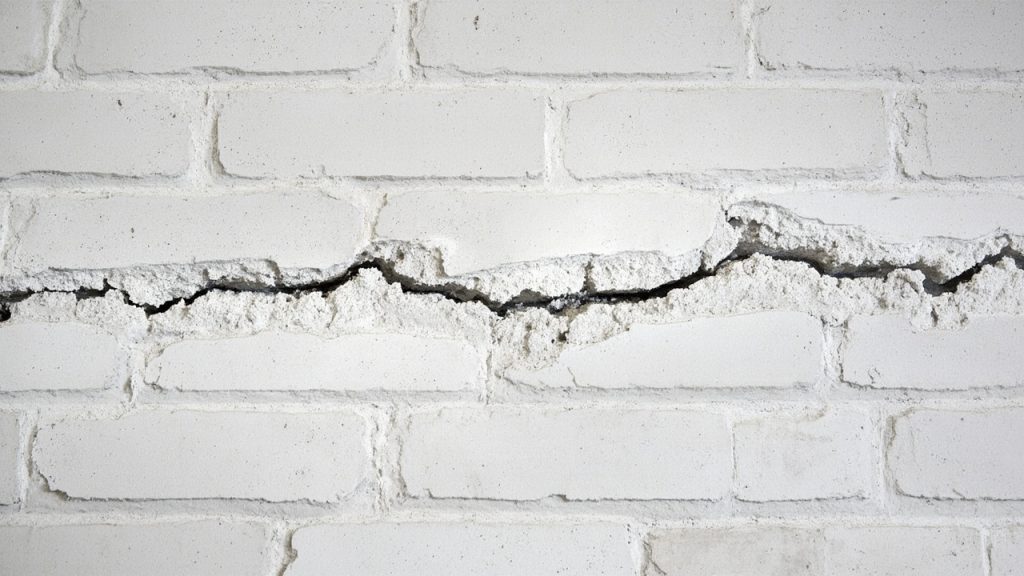
If you have cracks running up your basement walls and you live in Dearborn Heights, the soil outside your home is almost certainly the cause. This is not a minor maintenance issue. The lakebed clay that sits beneath most of Wayne County swells, contracts, and pushes against your foundation with thousands of pounds of force. Most homeowners don’t see it coming until the damage is already significant.
Dearborn Heights sits on glacially deposited clay soil, specifically the type geologists classify as high-plasticity clay, sometimes called Lakebed Clay. The USDA Web Soil Survey for Wayne County consistently shows shrink-swell potential rated as high across most of the city’s residential parcels. That rating is not abstract. It means the soil around your foundation behaves like a sponge, expanding when wet and cracking when dry.
Understanding what your soil is doing is the first step toward protecting your home. The second step is acting before a hairline crack becomes a bowing wall.
The Science Behind Expansive Clay Soil in Wayne County
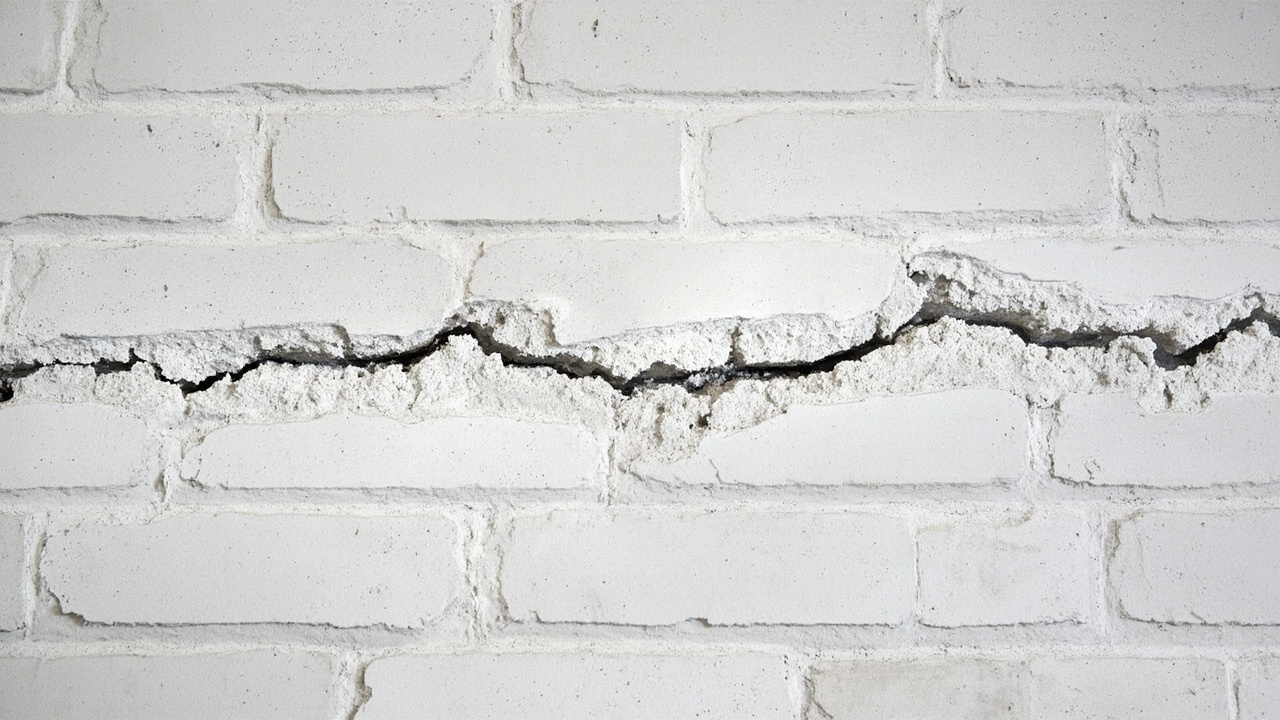
Lakebed Clay in the Detroit metro area contains a high percentage of montmorillonite and illite minerals. These minerals absorb water at the molecular level, causing individual soil particles to swell. When enough particles swell simultaneously, the pressure they generate against a poured concrete or block foundation wall is enormous.
Soil scientists measure this tendency using a metric called the Plasticity Index (PI). Soils with a PI above 20 are considered expansive. Much of the residential soil in Dearborn Heights, particularly in the areas near the Rouge River Watershed, tests above 30. That number means the soil volume can change by more than 10 percent between wet and dry states.
Michigan’s freeze-thaw cycle makes this worse. Between late fall and early spring, the ground around a Dearborn Heights foundation may freeze and thaw dozens of times. Each freeze pushes soil laterally toward your walls. Each thaw pulls it back. That repetitive movement works like a slow-motion hydraulic press against your poured concrete.
How the Rouge River Affects Local Water Tables
The Rouge River and its branches run through or near several Dearborn Heights neighborhoods. Proximity to this watershed means the local water table fluctuates significantly through the seasons. After a wet spring, the water table in low-lying areas like those near Beech Daly Road or Cherry Hill can sit close enough to the surface that saturated clay begins pushing against foundations almost immediately after snowmelt.
Saturated clay does not just expand. It also transmits hydrostatic pressure directly to your foundation walls. This is the mechanism behind most of the foundation cracking we see in homes throughout Fairlane Estates, Country Club Estates, and the older subdivisions along the Warren and Michigan Avenue corridors.
Hydrostatic Pressure Is the Real Threat to Your Basement
Hydrostatic pressure is the force that water-saturated soil exerts against a structure. It increases with soil depth, so a basement that sits six feet below grade is experiencing significantly more pressure than a shallow crawl space. A standard poured concrete basement wall is designed to handle a certain amount of lateral load, but expansive clay in a wet season can push past that design limit.
Here is the sequence that plays out in most Dearborn Heights homes with unresolved soil pressure issues.
- Spring rain and snowmelt saturate the clay soil surrounding the foundation.
- Water-saturated clay generates hydrostatic pressure against the exterior of the basement wall.
- Pressure exceeds the wall’s lateral resistance, initiating micro-cracks in the mortar joints or the concrete itself.
- Water enters through those cracks, carrying dissolved minerals that cause efflorescence (white chalky deposits) on the interior wall surface.
- Repeated freeze-thaw cycles widen existing cracks and create new ones.
- Without intervention, the wall begins to bow inward, a condition called foundation deflection.
- Structural failure becomes a real risk if deflection exceeds one inch without repair.
Many homeowners in Dearborn Heights first notice efflorescence or a damp smell and assume it is a minor waterproofing issue. It is often the visible symptom of an active structural problem that will only get worse through the next wet season.
Warning Signs Specific to Clay Soil Damage in Dearborn Heights Homes
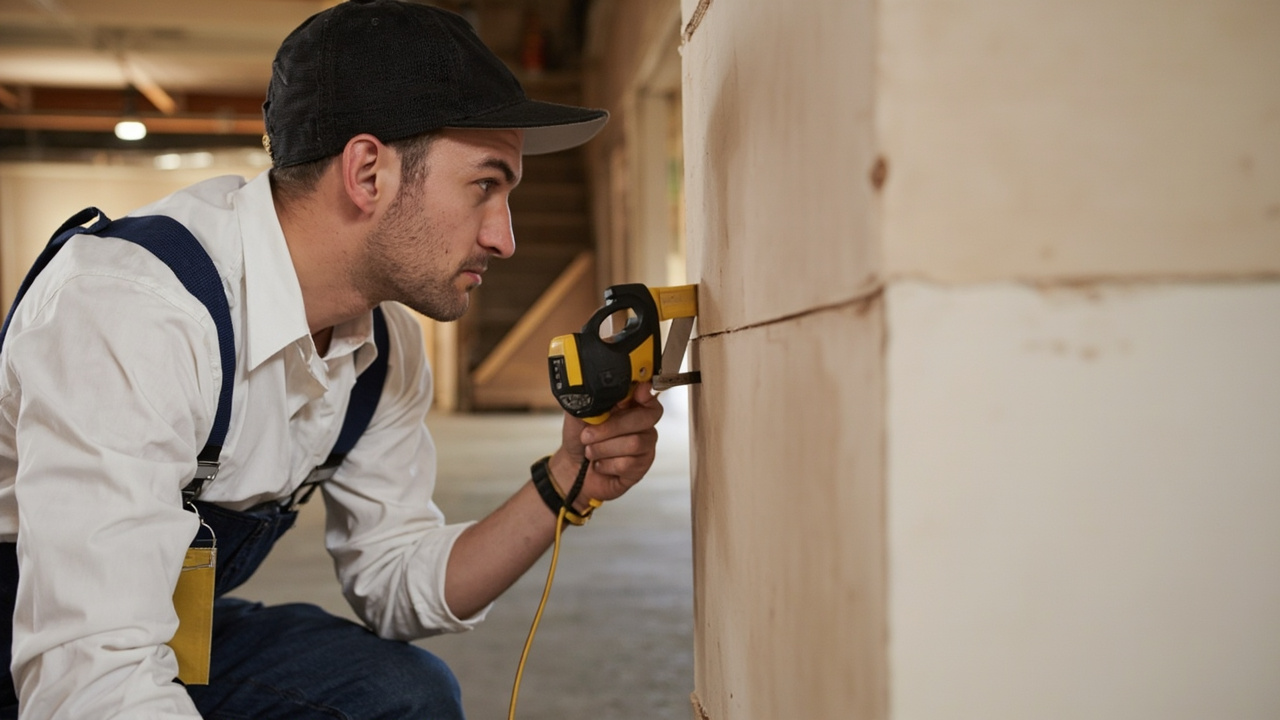
Damage from expansive clay presents differently than damage from a burst pipe or a roof leak. Knowing the difference helps you respond correctly.
| Damage Type | What It Looks Like | Primary Cause | Urgency Level |
|---|---|---|---|
| Stair-step cracks | Diagonal cracks following mortar joints in block walls | Differential soil settlement or lateral pressure | High |
| Horizontal cracks | Cracks running parallel to the floor, mid-wall | Hydrostatic pressure from saturated clay | Critical, call immediately |
| Bowing walls | Visible inward curve when you look down the wall | Long-term soil pressure without drainage relief | Critical |
| Vertical cracks near corners | Straight cracks at or near wall corners | Foundation settlement or frost heave | Medium to High |
| Efflorescence | White chalky powder on interior walls | Water infiltration carrying mineral deposits | Medium, early warning sign |
| Doors or windows sticking | Frames racking out of square | Foundation heave or settlement changing wall geometry | Medium |
Horizontal cracks deserve special attention. A horizontal crack in a block or poured concrete wall means the wall is bending under lateral load. That is a structural emergency, not a cosmetic issue. If you see a horizontal crack in your Dearborn Heights basement, particularly in the lower third of the wall, get a foundation specialist on-site before that crack widens.
Water intrusion through these cracks can also trigger secondary damage. Prolonged moisture exposure in a basement creates conditions for mold growth behind drywall and on wood framing. If you are dealing with moisture in your basement walls, you may also want to read about why bleach won’t fix your Ferndale basement mold, because the same principle applies here. Surface treatment does not solve a structural moisture problem.
Repair Methods That Actually Work for Clay Soil Conditions
Effective repair in Dearborn Heights has to address both the structural damage and the root cause. Patching a crack without managing soil pressure is a short-term fix that will fail. Here is how legitimate foundation and waterproofing contractors approach this problem in Southeast Michigan.
Interior Drainage Systems
An interior perimeter drainage system, often called a French drain or interior tile system, collects groundwater that migrates through the foundation and routes it to a sump pit. This does not stop hydrostatic pressure, but it manages water infiltration and reduces the saturation level of the surrounding soil over time.
In Dearborn Heights homes, this typically means cutting a channel in the basement floor along the perimeter, installing perforated drain tile in a gravel bed, and tying it into a sump pump system with a battery backup. The battery backup is critical in Wayne County. Power outages during heavy storms are common enough that a pump without backup will fail exactly when you need it most.
Exterior Waterproofing and Drainage
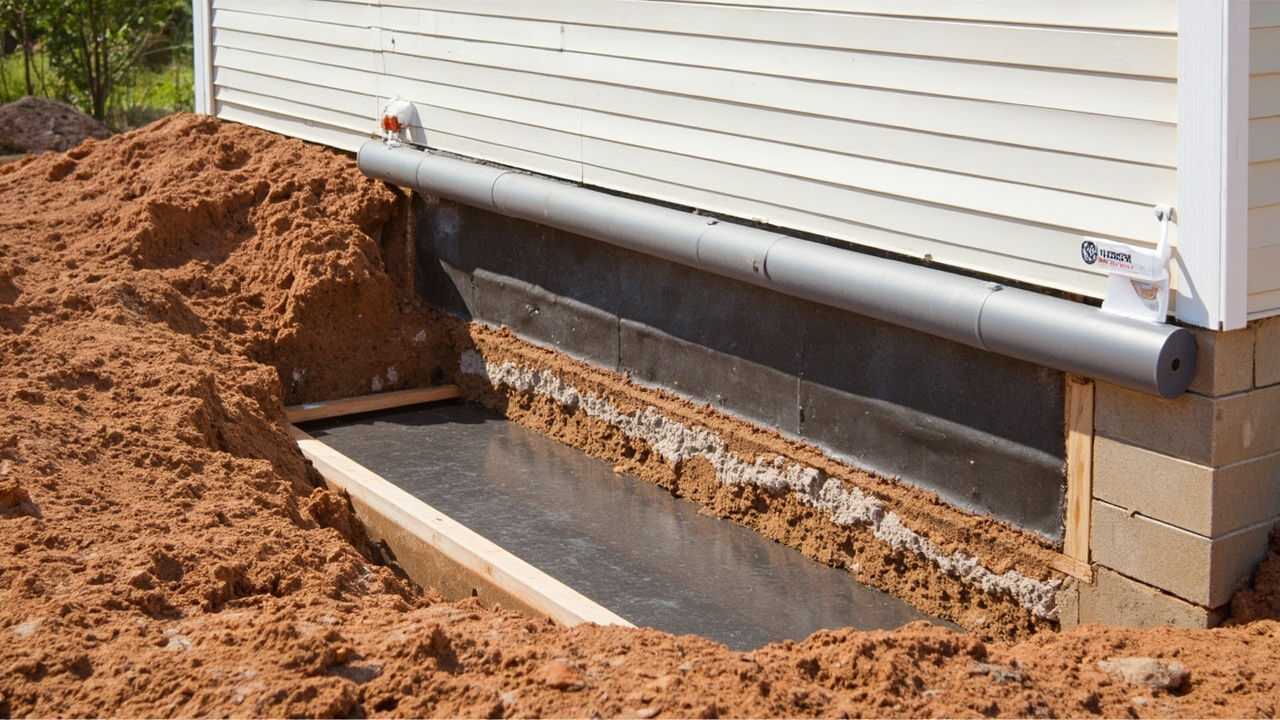
Exterior waterproofing addresses the problem at the source. This involves excavating around the foundation, applying a waterproof membrane to the exterior wall surface, and installing a drainage board that directs water down and away from the footing. Exterior work is more disruptive and more expensive, but it provides a more complete solution for homes with severe pressure issues.
Not every Dearborn Heights home requires full exterior excavation. A thorough structural assessment tells you which approach fits the specific failure mode your foundation is experiencing.
Carbon Fiber Wall Straps
For walls showing early to moderate bowing (typically less than two inches of deflection), carbon fiber straps bonded vertically to the interior face of the wall can halt further movement without requiring excavation. The carbon fiber transfers the lateral load back into the floor slab and floor system, relieving stress on the compromised wall section.
This is a common repair in Dearborn Heights block wall basements, particularly in homes built between the 1950s and 1980s where the original mortar joints have degraded. Carbon fiber straps are rated for high tensile strength and do not corrode in moist basement environments the way steel hardware can.
Foundation Piers for Settlement Issues
When clay soil dries out after a prolonged drought, it shrinks and can cause foundation settlement, meaning the foundation drops unevenly as soil support disappears. Helical piers or push piers driven through the unstable clay and into load-bearing soil or bedrock can stabilize and in some cases lift a settled foundation back toward its original position.
This type of repair requires a structural engineer’s assessment and a Michigan Residential Builders License for the contractor performing the work. If anyone offers to install foundation piers without pulling a permit in Dearborn Heights, that is a significant red flag.
Comparing Repair Options for Dearborn Heights Foundations
| Repair Method | Best For | Disruption Level | Addresses Root Cause? | Typical Timeline |
|---|---|---|---|---|
| Interior French Drain System | Ongoing water infiltration, wet floors | Medium (interior floor demo) | Partial (manages water, not pressure) | 1 to 3 days |
| Sump Pump with Battery Backup | High water table areas, storm-prone zones | Low | No (symptom management) | 4 to 8 hours |
| Carbon Fiber Wall Straps | Bowing walls, less than 2 inches deflection | Low to Medium | Structural stabilization only | 1 to 2 days |
| Exterior Waterproofing Membrane | Active seepage, failed exterior drainage | High (excavation required) | Yes, most complete solution | 3 to 7 days |
| Epoxy or Polyurethane Crack Injection | Stable, non-active hairline cracks | Low | No (sealing only) | Hours |
| Helical or Push Piers | Settlement, sinking foundation | Medium to High | Yes, addresses soil support failure | 2 to 5 days |
Navigating Dearborn Heights Building Permits for Foundation Work
Structural foundation repairs in Dearborn Heights require permits through the Dearborn Heights Building Department. This is not optional, and it matters for two reasons beyond code compliance.
First, unpermitted structural work creates serious problems when you sell the home. A buyer’s inspector or lender appraiser will flag foundation repairs that have no permit history. Second, a permit triggers an inspection by a city building official who provides independent verification that the repair was done correctly. In a market where some contractors cut corners, that inspection is valuable protection for you.
Permit requirements for foundation work in Wayne County typically include a site plan, a description of the repair method, and in some cases a structural engineer’s report for significant bowing or settlement conditions. A licensed contractor familiar with Dearborn Heights procedures will handle this for you, but you should always verify that a permit has been pulled before work begins.
What Your Homeowner’s Insurance May Cover
Foundation damage caused by soil movement is generally classified as a maintenance or gradual damage issue, which most standard homeowner’s insurance policies exclude. That said, if water intrusion through a cracked wall caused damage to personal property, flooring, or interior finishes, those secondary damages may be covered depending on your policy language.
It is worth understanding how your policy treats water-related claims before you file. For guidance on working with insurance companies on water damage in the Detroit metro area, the process outlined for getting your Detroit home insurance to actually pay for water restoration gives you a practical starting point. And if you have already experienced interior flooding that damaged your floors, the same principles in this guide on saving hardwood floors after a water leak apply to Dearborn Heights homes as well.
Preventive Steps Dearborn Heights Homeowners Can Take Right Now
Not every soil pressure problem requires a full repair project to start managing. There are actions you can take today to slow the progression of clay-related damage.
- Check your downspout extensions. Downspouts discharging within four feet of the foundation are one of the leading contributors to soil saturation in residential yards. Extend them at least six feet away from the house, or connect them to underground drain lines that carry water to the street.
- Regrade low areas against the foundation. The ground should slope away from your house at a minimum of one inch per foot for the first six feet. Soil that pitches toward the wall is directing every rain event directly at your foundation.
- Maintain your sump pump. Test it quarterly by pouring water into the pit. If it doesn’t activate, repair or replace it before the next storm season. A failed pump during a Wayne County spring storm can mean several inches of standing water in your basement within hours.
- Look for cracks twice a year. Walk your basement perimeter in early spring and again in late fall. Photograph any cracks you see and note their location. If a crack that was a hairline in April is now a visible gap in November, that is active movement and needs professional evaluation.
- Keep window wells clear. Clogged window wells fill with water during storms and create concentrated saturation points directly against your foundation wall. Clean them out every spring and consider installing covers.
When to Call for a Professional Assessment
A lot of homeowners in Dearborn Heights wait too long on foundation issues because the damage doesn’t look dramatic from the inside. A crack that is one-quarter inch wide at the surface may already have significant lateral displacement behind the wall. You cannot assess severity by looking at the visible portion of a crack.
Call a water damage and foundation professional when you see horizontal cracking at any point in the wall, when any crack is wider than one-eighth of an inch, when you notice any visible bowing or inward lean, or when water is actively entering through the wall during or after rain. These are not problems that stabilize on their own. The clay soil in Dearborn Heights will apply pressure to your foundation every wet season until the pressure has a managed path to release.
The damage in your basement is telling you something real about what is happening outside the wall. The good news is that the repair methods available today, carbon fiber straps, interior drainage systems, exterior membranes, and pier systems, are effective when applied correctly to the specific failure mode in your foundation. An experienced IICRC-certified water damage and restoration contractor who knows Wayne County soil conditions can walk through your basement and tell you exactly what category of problem you are dealing with and what the right solution looks like.
If you have seen any of the warning signs described here, or if you have been putting off having your foundation looked at, now is the right time to get a professional set of eyes on it. Reach out to schedule an assessment before the next wet season adds more pressure to walls that are already under stress.
{
“@context”: “https://schema.org”,
“@type”: “BlogPosting”,
“headline”: “Why the Heavy Clay Soil in Dearborn Heights Is Cracking Your Basement Walls”,
“description”: “Heavy clay soil in Dearborn Heights creates hydrostatic pressure that cracks foundation walls. Learn what’s happening and how to fix it before damage spreads.”,
“wordCount”: 2407,
“datePublished”: “2026-05-11T05:48:00.000Z”,
“dateModified”: “2026-05-11T05:48:00.000Z”,
“inLanguage”: “en-US”,
“mainEntityOfPage”: {
“@type”: “WebPage”,
“@id”: “https://ironwoodwaterdamagerestorationdetroit.com”
},
“publisher”: {
“@type”: “LocalBusiness”,
“name”: “Ironwood Water Damage Restoration Detroit”,
“url”: “https://ironwoodwaterdamagerestorationdetroit.com”
},
“author”: {
“@type”: “Organization”,
“name”: “Ironwood Water Damage Restoration Detroit”,
“url”: “https://ironwoodwaterdamagerestorationdetroit.com”
},
“image”: {
“@type”: “ImageObject”,
“url”: “https://ironwoodwaterdamagerestorationdetroit.com/wp-content/uploads/2026/03/why-the-heavy-clay-soil-in-dearborn-heights-is-cra-1.jpg”
}
}
{
“@context”: “https://schema.org”,
“@type”: “LocalBusiness”,
“name”: “Ironwood Water Damage Restoration Detroit”,
“url”: “https://ironwoodwaterdamagerestorationdetroit.com”,
“address”: {
“@type”: “PostalAddress”,
“addressLocality”: “Detroit”
},
“areaServed”: {
“@type”: “City”,
“name”: “Detroit”
}
}
{
“@context”: “https://schema.org”,
“@type”: “BreadcrumbList”,
“itemListElement”: [
{
“@type”: “ListItem”,
“position”: 1,
“name”: “Home”,
“item”: “https://ironwoodwaterdamagerestorationdetroit.com”
},
{
“@type”: “ListItem”,
“position”: 2,
“name”: “Blog”,
“item”: “https://ironwoodwaterdamagerestorationdetroit.com/blog”
},
{
“@type”: “ListItem”,
“position”: 3,
“name”: “Why the Heavy Clay Soil in Dearborn Heights Is Cracking Your Basement Walls”
}
]
}
{
“@context”: “https://schema.org”,
“@type”: “Service”,
“serviceType”: “Water Damage Restoration”,
“provider”: {
“@type”: “LocalBusiness”,
“name”: “Ironwood Water Damage Restoration Detroit”,
“url”: “https://ironwoodwaterdamagerestorationdetroit.com”
},
“areaServed”: {
“@type”: “City”,
“name”: “Detroit”
},
“description”: “Heavy clay soil in Dearborn Heights creates hydrostatic pressure that cracks foundation walls. Learn what’s happening and how to fix it before damage spreads.”
}