
Tree Roots and Basement Leaks in Detroit: Causes, Signs, and Professional Solutions
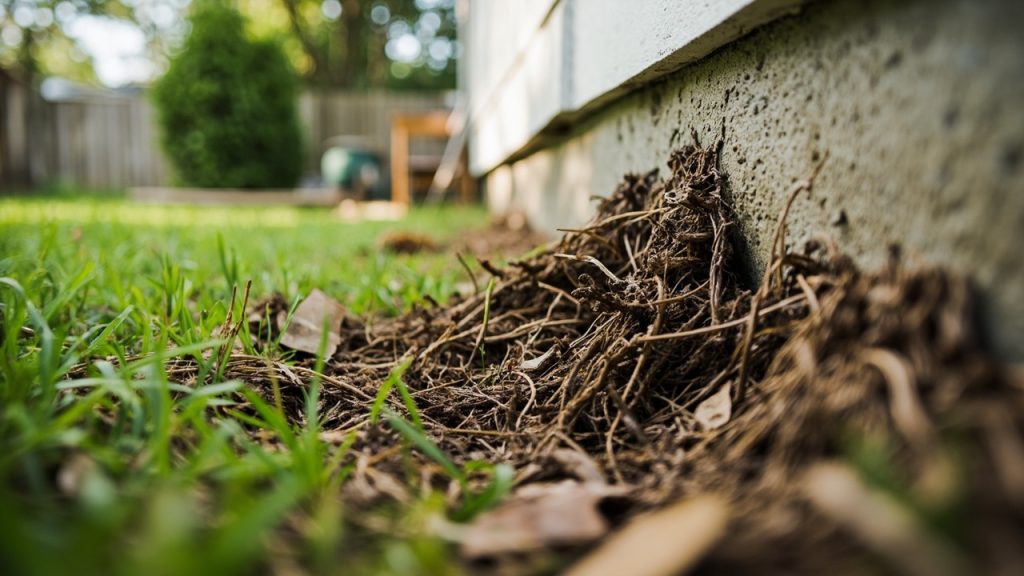
Royal Oak homeowners take pride in those big, shady silver maples lining their streets and yards. But underneath that curb appeal, those same trees are quietly working against your foundation. Detroit-area homes sit on some of the most root-hostile, water-retaining soil in the Midwest, and the combination of aggressive tree roots and heavy clay geology puts thousands of basements at risk every year.. Read more about Why Your Detroit Lawn Cracks Are a Warning Sign for Future Basement Flooding.
This is not a fringe problem. It is one of the most common causes of basement water intrusion we see across Metro Detroit, from Ferndale to Grosse Pointe to Birmingham. If you have a mature silver maple within 30 feet of your home, you need to understand exactly what is happening underground.
How Tree Roots Actually Cause Foundation Leaks
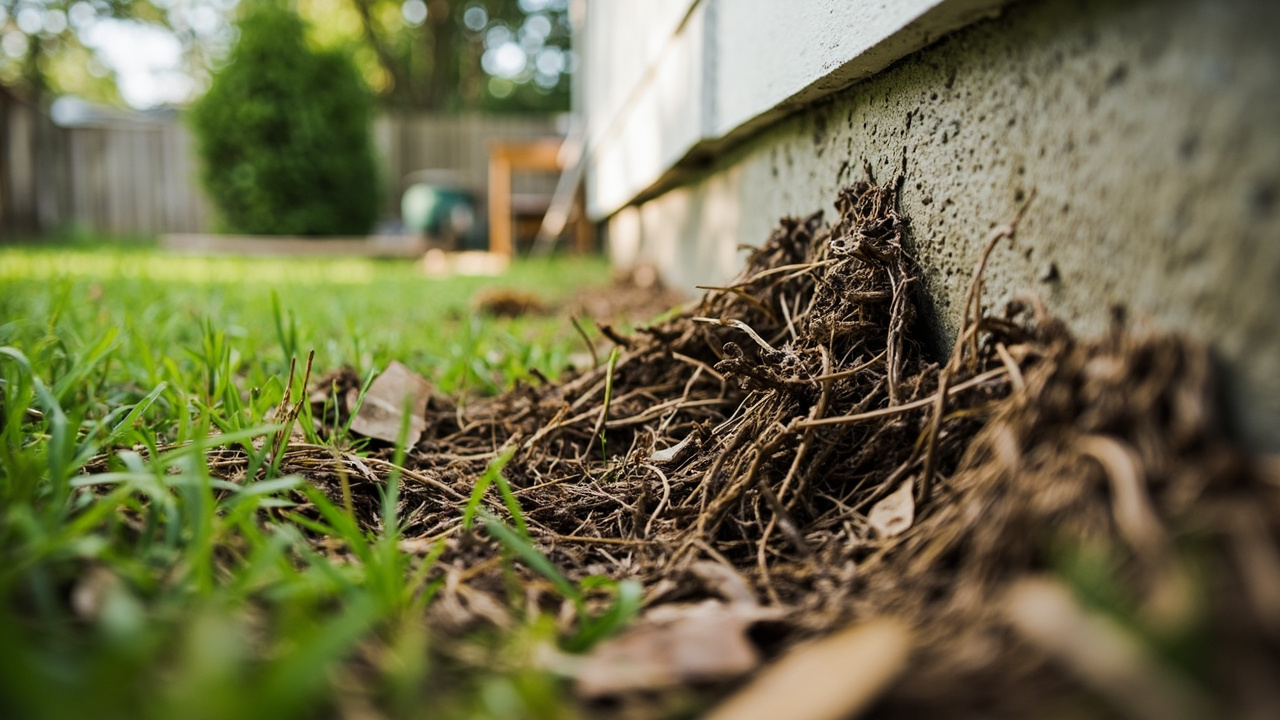
Most people picture roots physically punching through concrete walls. That is rarely how it works. The real damage mechanism is more subtle and, frankly, more destructive because it happens slowly and invisibly.
Here are the three primary ways roots compromise your basement.
Soil Moisture Depletion and Foundation Settling
Silver maples have an extraordinarily aggressive root system. A mature specimen can pull hundreds of gallons of water out of the surrounding soil on a hot Michigan summer day. When those roots deplete soil moisture on one side of your foundation, the clay shrinks unevenly. That differential shrinkage causes your foundation to shift and settle. Hairline cracks form at stress points, typically at window corners, mortar joints in block walls, and poured concrete seams.
Once those cracks exist, water follows. Hydrostatic pressure, the weight of saturated soil pushing against your foundation wall, forces groundwater through every available opening during rain events and spring snowmelt.
Root Intrusion Through Existing Vulnerabilities
Roots do not create openings in solid concrete. They exploit openings that already exist. A hairline crack that lets moisture vapor through is wide enough for a root tip to enter. Once inside, that root grows, expands, and over one or two growing seasons, widens the crack significantly. This is especially common in homes with older clay tile drain tile systems around the perimeter, which were standard in Royal Oak construction through the mid-20th century.
Sewer Lateral Line Infiltration
The sewer lateral is the pipe that runs from your home to the city main. In Royal Oak and much of Metro Detroit, these laterals are older cast iron or clay pipe. The joints are the weak point. Silver maple and willow roots locate these joints through moisture and warmth, infiltrate them, and form root masses that eventually block the pipe entirely. A recurring sewer backup is often the first symptom of a serious root problem in your lateral line, not just your foundation wall.
Under Michigan state guidelines, the homeowner is responsible for the sewer lateral from the house to the property line, and sometimes to the city main depending on the municipality. Royal Oak follows this standard. That repair cost lands on you.
Detroit’s Clay Bowl Effect and Why It Makes Everything Worse
Metro Detroit sits on glacial lake bed deposits. The soil is predominantly heavy clay, and that changes everything about how water behaves around your foundation.
When a basement is excavated and then backfilled after construction, the disturbed soil around the foundation never achieves the density of the native clay beyond it. Rain and snowmelt drain into that looser backfill zone and pool against the foundation wall. The clay beyond it acts like a bowl, holding that water in place and building hydrostatic pressure against your walls.
Now add a silver maple. During a dry July in Royal Oak, the tree pulls moisture out of that clay bowl. The clay shrinks, often by an inch or more in severe drought conditions, and gaps open between the soil and your foundation. The first significant rain event then sends water rushing into those gaps at volume, hitting your foundation with sudden, concentrated pressure. This cycle, shrink in summer, flood in fall, repeat, is what causes the progressive crack growth we document in houses throughout Oakland County.
Michigan’s frost line sits at approximately 42 inches. Every winter, the top layers of that clay soil freeze, expand, and exert additional lateral pressure on your foundation walls. Roots that have already compromised the soil structure make this freeze-thaw damage significantly worse.
Signs Your Detroit Home Has Root-Related Water Damage
These are the patterns we consistently see in root-compromised basements across the Royal Oak, Berkley, and Huntington Woods corridor.
- Localized dampness or staining on the basement wall on the side of the house nearest a large tree
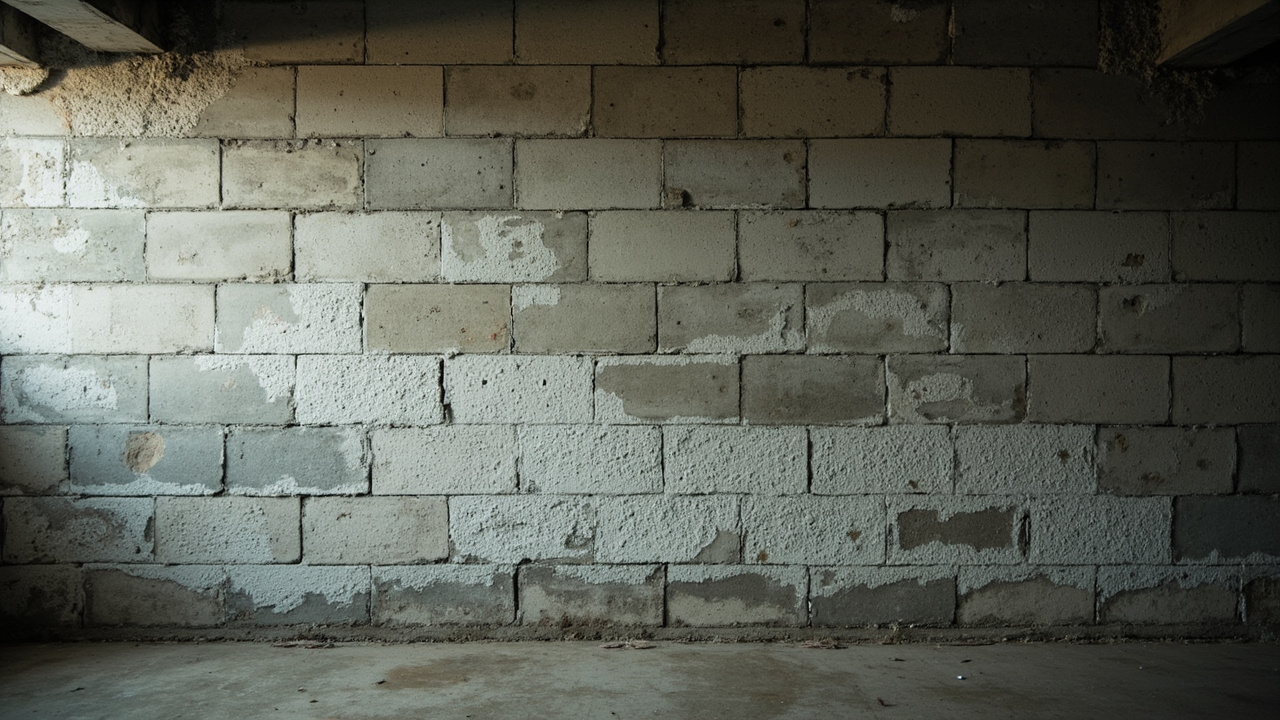
- Spiderweb or stair-step cracks in block foundation walls, particularly at corners
- Efflorescence, the white chalky mineral deposit, on the interior side of your foundation wall, indicating chronic water migration through the concrete
- Recurring sewer backups, especially after heavy rain, suggesting root infiltration of the lateral line
- Doors or windows on one side of the house that stick or no longer close properly, indicating differential settling
- A musty basement odor that returns even after cleaning, pointing to chronic moisture feeding mold growth behind the walls
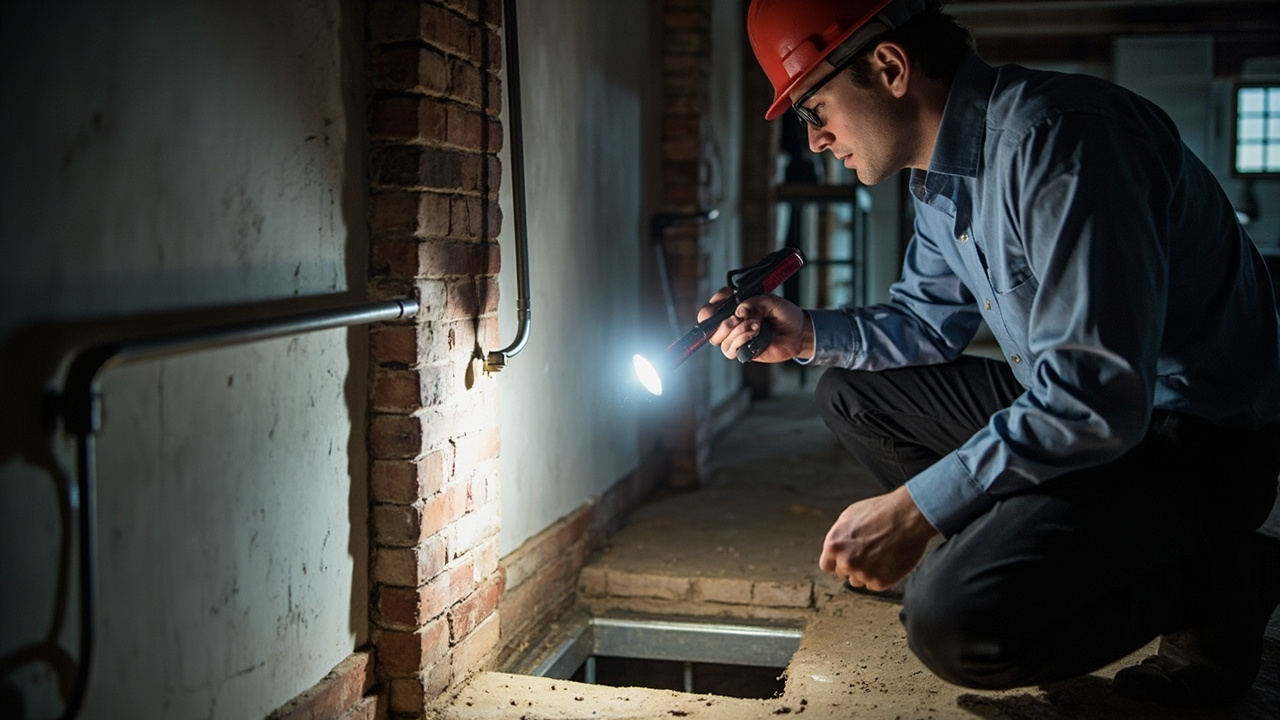
- Visible root growth near or along your foundation drain tile during a basement inspection
Efflorescence alone is not a crisis, but it tells you water has been moving through that concrete repeatedly. Ignored long enough, that process leads to spalling, which is the physical deterioration of the concrete surface, and then to structural compromise.
If you are already dealing with visible mold from chronic moisture, a bleach spray is not the answer. We cover why that approach backfires in our guide on basement mold in Ferndale.
Michigan Tree Species That Pose the Highest Foundation Risk
Not all trees carry the same risk. Root aggressiveness, water demand, and root architecture vary significantly by species. This table gives you a practical reference for Metro Detroit landscaping decisions.
| Tree Species | Root Aggressiveness | Safe Planting Distance from Foundation | Sewer Lateral Risk |
|---|---|---|---|
| Silver Maple (Acer saccharinum) | Very High | 50+ feet | Very High |
| Weeping Willow (Salix babylonica) | Extreme | 75+ feet | Extreme |
| American Elm (Ulmus americana) | High | 40+ feet | High |
| Cottonwood (Populus deltoides) | Very High | 60+ feet | Very High |
| Green Ash (Fraxinus pennsylvanica) | Moderate | 20-25 feet | Moderate |
| Red Maple (Acer rubrum) | Moderate | 25-30 feet | Low to Moderate |
| Serviceberry (Amelanchier) | Low | 8-10 feet | Low |
Silver maples are the most common offender we see in Royal Oak specifically because the city planted them aggressively as street trees for decades. They grow fast, they look great, and they are genuinely terrible neighbors for your foundation. The Michigan Department of Environment, Great Lakes, and Energy provides guidance on urban forestry and responsible planting distances if you are planning new landscaping.
Root Risk Based on Distance from Your Foundation
Use this table to assess your current risk based on where your trees are planted relative to your foundation walls.
| Distance from Foundation | Risk Level (Silver Maple) | Likely Impact | Recommended Action |
|---|---|---|---|
| Under 15 feet | Critical | Active root intrusion, soil depletion, possible lateral damage | Professional inspection now, consider tree removal |
| 15 to 25 feet | High | Soil moisture depletion, hairline crack risk, lateral vulnerability | Annual inspection, root barrier installation, lateral scoping |
| 25 to 40 feet | Moderate | Indirect soil shrinkage during drought, minor settling risk | Monitor for efflorescence and crack development |
| Over 40 feet | Low | Minimal direct foundation impact | Standard seasonal maintenance |
Professional Remediation vs. DIY Fixes
Homeowners often try to address root-related water intrusion with hydraulic cement or crack injection kits from the hardware store. Those products have their place for very minor, stable cracks. They do not address the underlying cause, which is ongoing hydrostatic pressure and root activity. Patching a crack while the root system continues to grow is a temporary solution at best.
Root Barriers
A physical root barrier is a sheet of high-density polyethylene or similar material installed vertically in a trench between the tree and your foundation. When installed correctly at a depth of 24 to 36 inches, it redirects root growth away from the structure. Root barriers are most effective as a preventive measure or when the tree is worth preserving and the damage is still early-stage.
Interior Waterproofing Systems
When water is already entering the basement, an interior perimeter drainage system collects groundwater before it can damage your finished space. This typically involves cutting a channel at the base of the interior foundation wall, installing a drain tile system, and routing water to a sump pit. A quality sump pump with a battery backup then removes that water from your home. This approach manages hydrostatic pressure rather than stopping it at the source, but it is often the most cost-effective solution for existing homes.
Sump pump failure during a heavy rain event is a leading cause of the severe basement flooding calls we receive in Metro Detroit. If your home relies on a sump pump and it does not have a battery backup, that is a gap worth closing before the next significant storm.
Exterior Waterproofing and Membrane Systems
Exterior waterproofing addresses the problem at the source. The process involves excavating around the foundation, applying a waterproofing membrane directly to the exterior wall surface, installing new drain tile at the footing level, and backfilling with gravel to improve drainage. This is the most thorough solution, and it is also the most involved, typically requiring the removal of landscaping, decks, or patios on the affected side. When root damage has compromised the exterior surface of the foundation wall, this is often the only complete fix.
When a Structural Engineer Is Required
If you have bowing foundation walls, significant horizontal cracking in block foundations, or stair-step cracking that has progressed through multiple block courses, a structural engineer needs to assess the wall before any waterproofing work begins. Waterproofing a compromised wall without addressing the structural failure is not a permanent repair. We work with structural engineers regularly on Metro Detroit projects where root and soil pressure have caused wall displacement.
If your basement damage leads to an insurance claim, the documentation process matters significantly. Our guide on getting Detroit home insurance to pay for water restoration walks through what adjusters look for and how to protect your claim.
Sewer Lateral Inspection and Root Clearing
If you have a mature silver maple or willow within 50 feet of your home, a sewer lateral camera inspection is one of the most valuable preventive steps you can take. A plumber runs a camera through your lateral from a cleanout access point and can see root intrusion, pipe joint failures, and blockage in real time. Root masses in laterals can be cleared mechanically or with targeted chemical treatments approved for sewer use. Catching this early means a clearing procedure, not a full lateral replacement.
The EPA’s guidance on sewer and drain systems provides useful background on how infiltration affects both private and municipal systems.
Prevention Strategies for Metro Detroit Homeowners
If you have not yet experienced root-related water damage, these steps reduce your risk significantly.
Maintain your gutters and downspout extensions. Water that discharges from a clogged gutter directly against your foundation saturates that clay backfill zone and draws roots toward moisture. Extend your downspouts at least six feet from the foundation wall, ideally to a point where the grade carries runoff away from the house naturally.
When planting new trees, follow the safe distance guidelines in the table above. Ornamental trees like serviceberry, dogwood, or redbud provide shade and seasonal interest with a fraction of the root aggressiveness of silver maples. They are better neighbors for your foundation and your sewer lines.
Schedule a professional basement inspection if you have a home built before the late 1980s in Royal Oak, Ferndale, or the Woodward Corridor. Older homes in these areas frequently have the original drain tile systems, which are clay or concrete sections rather than the continuous perforated plastic used today. Those joints are exactly where root infiltration begins.
If a large tree is removed from your yard, understand that the stump and root system decompose over time, leaving voids in the soil. Those voids can cause localized settling near your foundation in the years following removal. Monitor for new crack development after any major tree work on your property.
Water damage from root-related foundation issues often shows up in finished basement spaces long before the homeowner identifies the source. If you have had any flooding in a finished area, the structural materials behind the drywall may already have issues that are not visible. We outline the assessment process for finished space damage in our article on whether wet materials in a finished lower level can be saved.
Our IICRC-certified technicians work with homeowners across Royal Oak, Berkley, Clawson, Madison Heights, and greater Oakland County to assess foundation water intrusion at the source, not just the symptoms. If you are seeing any of the warning signs listed here, get a professional eye on it before the next seasonal soil moisture shift turns a minor crack into a significant repair.
Contact our Metro Detroit team for a basement water damage assessment. We respond to both emergency situations and planned inspections throughout the greater Detroit area.
You may also find this helpful. Cleaning Up Category 3 Sewage After a Main Break in Your Dearborn Heights Basement.
{
“@context”: “https://schema.org”,
“@type”: “BlogPosting”,
“headline”: “Why the Silver Maples in Your Royal Oak Yard Are Actually Your Basement’s Biggest Threat”,
“description”: “Silver maple roots and Detroit’s clay soil are a dangerous combo for your basement. Learn the signs, science, and professional fixes before water damage sets in.”,
“wordCount”: 2182,
“datePublished”: “2026-08-15T04:59:00.000Z”,
“dateModified”: “2026-08-15T04:59:00.000Z”,
“inLanguage”: “en-US”,
“mainEntityOfPage”: {
“@type”: “WebPage”,
“@id”: “https://ironwoodwaterdamagerestorationdetroit.com”
},
“publisher”: {
“@type”: “LocalBusiness”,
“name”: “Ironwood Water Damage Restoration Detroit”,
“url”: “https://ironwoodwaterdamagerestorationdetroit.com”
},
“author”: {
“@type”: “Organization”,
“name”: “Ironwood Water Damage Restoration Detroit”,
“url”: “https://ironwoodwaterdamagerestorationdetroit.com”
},
“image”: {
“@type”: “ImageObject”,
“url”: “https://ironwoodwaterdamagerestorationdetroit.com/wp-content/uploads/2026/03/why-the-silver-maples-in-your-royal-oak-yard-are-a-1.jpg”
}
}
{
“@context”: “https://schema.org”,
“@type”: “LocalBusiness”,
“name”: “Ironwood Water Damage Restoration Detroit”,
“url”: “https://ironwoodwaterdamagerestorationdetroit.com”,
“address”: {
“@type”: “PostalAddress”,
“addressLocality”: “Detroit”
},
“areaServed”: {
“@type”: “City”,
“name”: “Detroit”
}
}
{
“@context”: “https://schema.org”,
“@type”: “BreadcrumbList”,
“itemListElement”: [
{
“@type”: “ListItem”,
“position”: 1,
“name”: “Home”,
“item”: “https://ironwoodwaterdamagerestorationdetroit.com”
},
{
“@type”: “ListItem”,
“position”: 2,
“name”: “Blog”,
“item”: “https://ironwoodwaterdamagerestorationdetroit.com/blog”
},
{
“@type”: “ListItem”,
“position”: 3,
“name”: “Why the Silver Maples in Your Royal Oak Yard Are Actually Your Basement’s Biggest Threat”
}
]
}
{
“@context”: “https://schema.org”,
“@type”: “Service”,
“serviceType”: “Water Damage Restoration”,
“provider”: {
“@type”: “LocalBusiness”,
“name”: “Ironwood Water Damage Restoration Detroit”,
“url”: “https://ironwoodwaterdamagerestorationdetroit.com”
},
“areaServed”: {
“@type”: “City”,
“name”: “Detroit”
},
“description”: “Silver maple roots and Detroit’s clay soil are a dangerous combo for your basement. Learn the signs, science, and professional fixes before water damage sets in.”
}