
Brick Walls Are Not Waterproof and Detroit’s Climate Makes It Worse
Water seeping through brick walls is one of the most misunderstood problems homeowners face in Detroit’s Beverly Hills neighborhood. Most people assume brick is solid and impenetrable. It is not. Brick is a porous masonry material, and in a climate like southeast Michigan’s, that porosity becomes a serious liability.
Beverly Hills sits between Royal Oak and Southfield, and the homes here are predominantly older brick construction. Many were built between the 1940s and 1960s, when mortar formulas and masonry practices were different from what current Detroit building codes require. Those original mortar joints are now decades old, and they are failing.
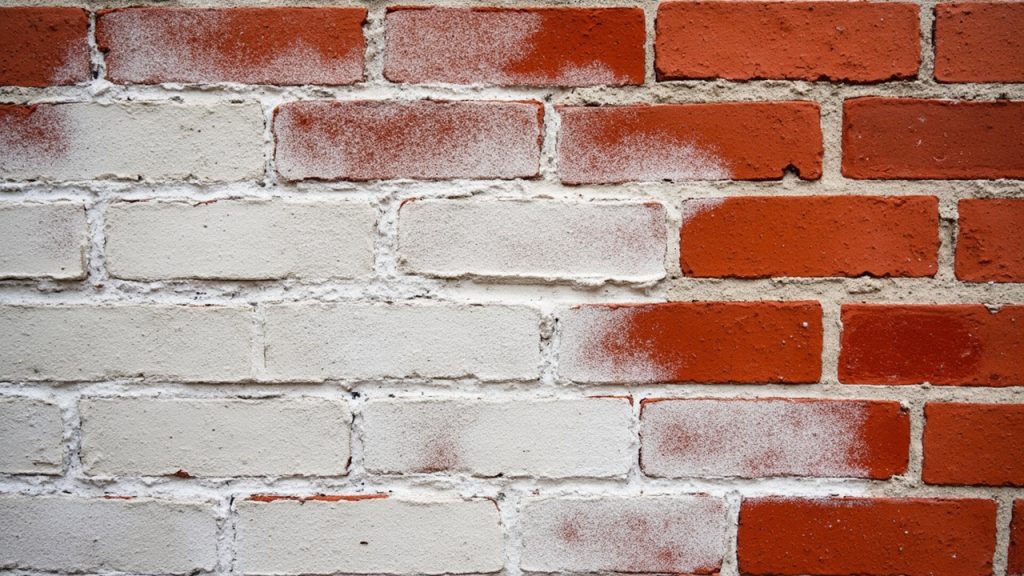
If you are seeing moisture on your interior walls, white powder on the exterior brickwork, or damp basement corners, you are not looking at a cosmetic issue. You are looking at an active water intrusion problem that gets worse every time it rains or freezes.
The Five Most Common Reasons Brick Walls Let Water In
Deteriorated Mortar Joints
Mortar is the soft material between your bricks. It is softer than the brick itself, which means it weathers and erodes first. When mortar joints crack or recede, they create open channels that funnel rainwater directly into your wall cavity. In Beverly Hills, homes with original mortar from the mid-20th century often show joint recession of a quarter inch or more. That is enough to let significant water in during a heavy rain.
Capillary Suction in Porous Masonry
Capillary action is the physical process that pulls water through tiny pores in masonry material against gravity. Even without a visible crack, brick will absorb moisture from rain and ground contact and wick it inward toward your living space. This is a primary driver of the damp interior walls that Detroit homeowners often mistake for condensation or a plumbing leak.
Blocked or Missing Weep Holes
Cavity wall construction, which is standard in the Beverly Hills homes built after 1940, includes a small air gap behind the brick veneer. Weep holes are small openings at the base of the brick course that allow moisture accumulating in that cavity to drain out. When weep holes are caulked over during a paint job or blocked with debris, moisture has nowhere to go. It builds up inside the wall cavity and eventually migrates inward.
Hydrostatic Pressure From Clay Soil
Southeast Michigan, including Beverly Hills, Ferndale, and the Grosse Pointe area, sits on heavy clay soil. Clay does not drain well. After rainfall, clay holds water and pushes it against your foundation and lower brick courses with significant force. This is hydrostatic pressure, and it is one of the main reasons water appears at your basement wall line rather than higher up. The pressure literally forces water through any weak point in the masonry.
The Michigan Freeze-Thaw Cycle
This is where Detroit’s climate does the most damage. Water absorbed by brick during fall rains expands by roughly 9 percent when it freezes in winter. That expansion forces the pores open wider. When the water thaws in late winter, those enlarged pores absorb more water. This cycle repeats dozens of times between October and March in the greater Detroit metro. Over years, it causes spalling, where the face of the brick literally breaks off, and it accelerates mortar joint failure. No other factor causes more cumulative brick damage in this region.
What Efflorescence Is Telling You About Your Brickwork
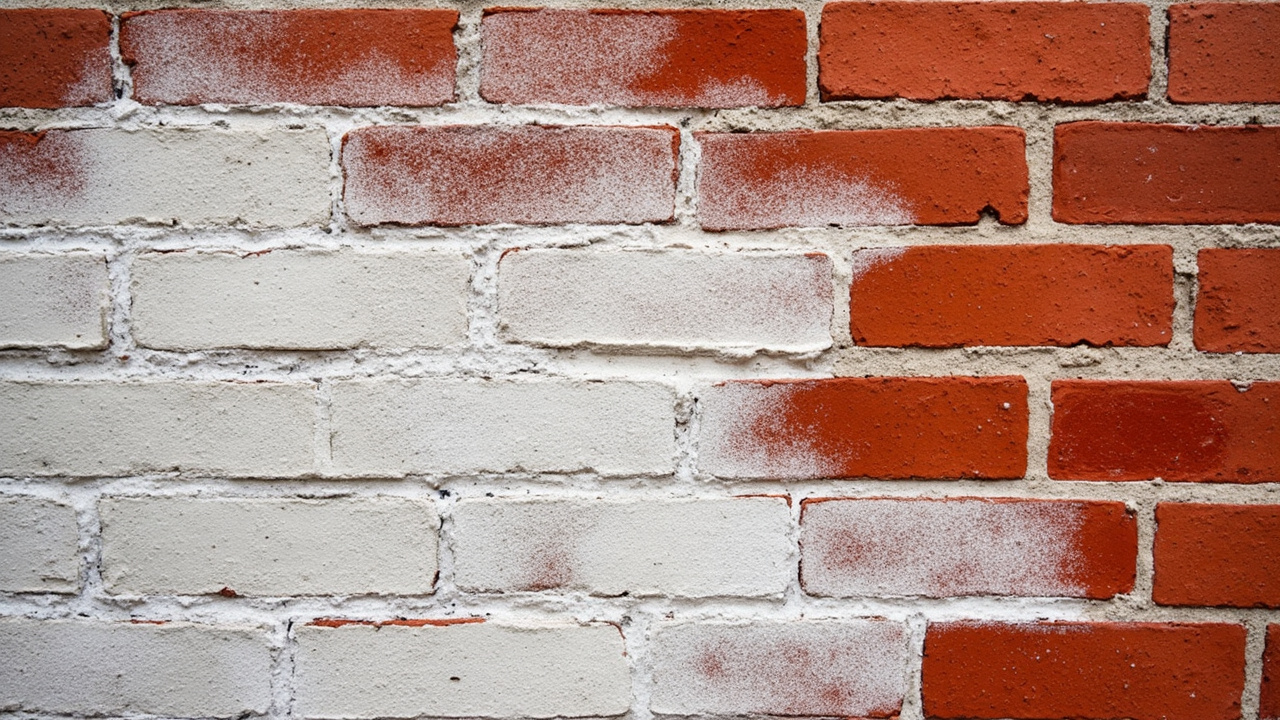
Efflorescence is the white, chalky powder or crust you see on the face of brick. It is water-soluble salt that was inside your brick or mortar, dissolved by moisture, and deposited on the surface as the water evaporated. It looks like a cosmetic stain but it is actually a diagnostic marker. Efflorescence tells you that water is actively moving through your masonry.
In many Beverly Hills homes, efflorescence appears first near window sills, above lintels, or at the base of the foundation. These are the failure points. Scrubbing it off without addressing the water source guarantees it returns, usually worse, within one to two seasons.
The Hidden Risks of Ignoring Brick Seepage
Structural Instability From Spalling
Spalling is what happens after repeated freeze-thaw cycles break down brick face material. When brick faces pop off, the structural integrity of the wall decreases. In severe cases, spalling leads to full brick replacement rather than surface repair. A tuckpointing job that costs a fraction of a rebuild is the far better outcome.
Mold Growth Inside the Wall Cavity
The wall cavity behind your brick veneer is dark, warm, and, when moisture infiltrates, perpetually damp. This is an ideal environment for mold colonization. Mold inside a wall cavity often goes undetected until it has spread to the interior drywall or insulation. By that point, remediation costs are substantially higher. If you have noticed a musty smell near an exterior wall, the problem may already be inside. Our team has written a detailed breakdown of why bleach does not fix mold in Ferndale basement walls, and the same principle applies to wall cavity mold in Beverly Hills.
Interior Drywall and Insulation Damage
Once moisture bridges the wall cavity, it contacts your interior framing, vapor barrier, insulation, and drywall. Wet fiberglass insulation loses its R-value and becomes a mold substrate. Drywall saturated from behind wicks moisture to the interior surface, causing paint bubbling, soft spots, and eventual structural failure. Many homeowners are surprised to find the source of their damaged interior drywall is not a plumbing issue but an exterior brick seepage problem they had been ignoring for years.
Professional Restoration Steps That Actually Fix the Problem
Thermal Imaging Inspection
Before any work begins, a thorough inspection using thermal imaging cameras identifies exactly where moisture is entering and how far it has migrated into the wall system. Thermal imaging shows temperature differentials between wet and dry masonry, making it possible to map the intrusion accurately rather than guessing. This step prevents over-remediation and under-remediation equally.
Tuckpointing the Mortar Joints
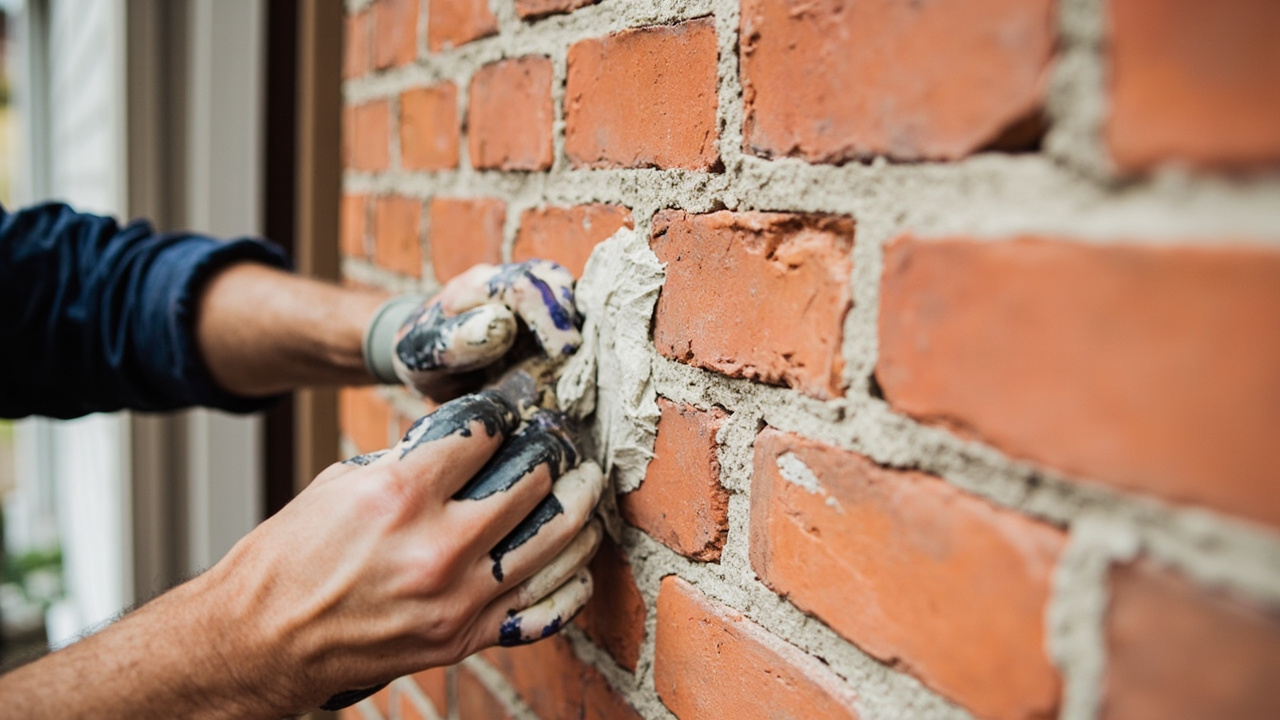
Tuckpointing is the process of removing deteriorated mortar to a depth of three-quarters of an inch to one inch and packing in fresh mortar that matches the original profile. It is the most important single intervention for stopping brick seepage. The mortar mix matters. The IICRC S500 Standard for water damage restoration requires that underlying structural causes be addressed before drying begins. Using a mortar that is too hard for older, softer brick causes the brick face to crack and spall. Experienced restoration crews match mortar hardness to the era of the construction.
Silane-Siloxane Sealer Application
Not all brick sealers are created equal. Film-forming sealers and elastomeric paint trap moisture inside the masonry and accelerate spalling. Silane-siloxane penetrating sealers work differently. They penetrate into the pores of the brick and create a hydrophobic barrier from within, repelling liquid water while still allowing water vapor to escape. This breathability is critical for older Detroit-era brick that contains absorbed moisture during treatment.
A silane-siloxane sealer applied correctly after tuckpointing provides meaningful protection against Michigan’s driving rain and freeze-thaw cycles.
Interior Perimeter Drainage for Hydrostatic Pressure
When hydrostatic pressure from Beverly Hills clay soil is driving the infiltration, exterior tuckpointing alone is not sufficient. An interior perimeter drainage system, sometimes called an interior French drain, is installed at the base of the foundation wall. It intercepts water as it enters and channels it to a sump pump before it can migrate into the living space. This is the standard approach for below-grade water intrusion in heavy clay soil conditions throughout Wayne, Oakland, and Macomb counties.
Weep Hole Clearing and Flashing Repair
Existing weep holes are cleared and, if missing, new ones are installed at the base of the brick veneer. Flashing at window sills, above doors, and at the roof-wall junction is inspected and replaced where necessary. Failed flashing is a leading entry point for water in beveled mortar areas around openings.
Comparing Brick Seepage Solutions by Severity
| Problem Severity | Visible Signs | Recommended Repair | Typical Timeframe |
|---|---|---|---|
| Minor (early stage) | Light efflorescence, surface dampness after rain | Tuckpointing plus silane-siloxane sealer | 1 to 3 days |
| Moderate | Persistent interior dampness, mold smell, paint bubbling | Tuckpointing, sealing, flashing replacement, drying equipment | 3 to 7 days |
| Severe | Spalling, visible cracks, wet drywall, active mold growth | Partial brick replacement, interior drainage, mold remediation | 1 to 3 weeks |
| Critical | Structural displacement, large wet zones, failed vapor barrier | Full masonry restoration, interior French drain, full drywall remediation | 3 to 6 weeks |
Why Detroit’s Climate Makes Brick Seepage a Different Problem Than in Other Cities
Detroit averages roughly 130 freeze-thaw cycles per year during a typical winter season. That is significantly more than cities in the mid-Atlantic or the South. This repeated cycling is the primary reason older brick homes in Beverly Hills, Indian Village, and Palmer Park deteriorate faster than comparable homes built in the same era in warmer climates.
The clay soil common throughout southeast Michigan compounds the problem. Clay soil expands when wet and contracts when dry, creating movement at the foundation that stresses lower brick courses and mortar joints. Combined with freeze-thaw pressure from above, masonry in this region faces stress from two directions simultaneously.
The National Weather Service Detroit office consistently records significant precipitation between September and April, the exact period when masonry is most vulnerable to moisture intrusion. This is not a condition unique to one neighborhood. It affects the entire Detroit metro area, from Grosse Pointe Farms to Northville to Clawson.
Does Your Insurance Cover Brick Seepage Damage
This is the question most homeowners ask after they have already found the damage. The honest answer is that it depends on the cause and the policy language. Sudden and accidental water damage, such as a burst pipe, is generally covered. Gradual seepage through deteriorated masonry is typically excluded as a maintenance issue.
That said, if the seepage has led to mold growth or structural damage, certain policy riders may apply. Documentation is everything. Thermal imaging reports, written assessments, and photos taken before remediation begins significantly improve your position when filing a claim. Our team has a detailed resource on how to get your Detroit home insurance to pay for water restoration that walks through the documentation process in detail.
If the seepage is connected to a covered peril, such as ice dam formation or a storm event, the path to a successful claim is much clearer. The key is getting a professional written assessment before the insurance adjuster arrives.
Brick Seepage Risk Factors Compared Across Detroit-Area Home Types
| Home Type | Construction Era | Primary Risk Factor | Most Common Entry Point |
|---|---|---|---|
| Cavity wall brick veneer | 1940s to 1970s | Blocked weep holes, failed flashing | Above window lintels |
| Solid double-wythe brick | 1900s to 1930s | Mortar joint erosion, capillary suction | Full wall face, especially north-facing |
| Brick over block foundation | 1950s to 1980s | Hydrostatic pressure, clay soil | Foundation-to-veneer transition |
| Brick and limestone combo | 1920s to 1950s | Differential material expansion | Limestone sill joints |
What to Do Right Now If You See Water Coming Through Your Brick
- Document everything with photos before you clean or dry anything. Date-stamped photos are critical if you file an insurance claim.
- Move furniture, rugs, and electronics away from affected interior walls to prevent secondary damage.
- Do not caulk over visible cracks from the interior without professional assessment. Sealing the interior surface without addressing the moisture source traps water in the wall cavity and accelerates damage.
- Check your weep holes at the base of the brick veneer. If they are filled with caulk or debris, document this before touching them.
- Note whether the seepage is worse during rain or during temperature changes. Rain-related seepage points to surface infiltration. Freeze-thaw seepage suggests deeper mortar joint failure or spalling.
- Contact a certified water damage restoration professional for a thermal imaging assessment before any repair work begins.
A Real Scenario From Beverly Hills
A homeowner on Buckingham Avenue in Beverly Hills called after noticing damp drywall in their finished basement following a period of heavy rain and subsequent freeze. The brick exterior looked fine from the street. No visible cracks, no efflorescence.
Thermal imaging revealed a substantial cold zone spanning the lower six courses of brick on the north wall, indicating significant moisture saturation. Probing confirmed mortar joint recession throughout that section. The weep holes at the brick base were fully caulked, a mistake from a previous exterior paint job.
The fix involved clearing the weep holes, tuckpointing the deteriorated mortar on the north and west elevations, and running commercial drying equipment inside for five days to bring moisture content in the framing back to acceptable levels. Silane-siloxane sealer was applied after the masonry dried. No brick replacement was necessary because the job was caught before spalling progressed.
Had the homeowner waited another full winter season, the outcome would have included brick face replacement and mold remediation in addition to the masonry repairs.
Secondary Water Damage Concerns Worth Knowing
Brick seepage does not always stay isolated to one wall. Once moisture enters the wall cavity, it follows the path of least resistance. For homes in Beverly Hills with hardwood floors adjacent to exterior walls, water migration from brick seepage can reach the subfloor. If you are seeing floor buckling or gapping near an exterior wall, the source may be your brick, not a plumbing leak. Our resource on saving hardwood floors after water damage in Birmingham covers the recovery process in detail.
Finished basements with carpeting face a similar risk. Water migrating through the lower brick courses and foundation can saturate carpet and pad from below, making the surface feel dry while mold grows underneath. Our team’s breakdown of whether wet carpet in Sterling Heights can be saved applies directly to this situation.
Get a Professional Assessment Before Another Michigan Winter Hits
Water seeping through brick walls in a Detroit-area home is not a problem that stabilizes on its own. Every freeze-thaw cycle, every heavy rain, every day without intervention makes the damage more extensive and the repair more expensive. Beverly Hills homes have significant value, and the brick exteriors are a major part of that value. Protecting the masonry protects the structure.
Our team serves Beverly Hills, Royal Oak, Ferndale, Grosse Pointe, Clawson, and the surrounding communities across Wayne, Oakland, and Macomb counties. We carry IICRC certification and use thermal imaging on every inspection. If you see moisture on an interior wall, white powder on your exterior brick, or damp basement corners, call us for a same-day inspection. We are available 24 hours a day, seven days a week, including weekends and holidays. Do not wait for the next freeze to find out how much worse it can get.
{
“@context”: “https://schema.org”,
“@type”: “BlogPosting”,
“headline”: “Why Water Is Seeping Through the Brick Walls of Your Detroit Beverly Hills Home (And What to Do About It)”,
“description”: “Water seeping through brick walls in Detroit? Learn the real causes, hidden risks, and professional fixes for masonry water intrusion in Beverly Hills MI.”,
“wordCount”: 2433,
“datePublished”: “2026-06-18T04:58:00.000Z”,
“dateModified”: “2026-06-18T04:58:00.000Z”,
“inLanguage”: “en-US”,
“mainEntityOfPage”: {
“@type”: “WebPage”,
“@id”: “https://ironwoodwaterdamagerestorationdetroit.com”
},
“publisher”: {
“@type”: “LocalBusiness”,
“name”: “Ironwood Water Damage Restoration Detroit”,
“url”: “https://ironwoodwaterdamagerestorationdetroit.com”
},
“author”: {
“@type”: “Organization”,
“name”: “Ironwood Water Damage Restoration Detroit”,
“url”: “https://ironwoodwaterdamagerestorationdetroit.com”
},
“image”: {
“@type”: “ImageObject”,
“url”: “https://ironwoodwaterdamagerestorationdetroit.com/wp-content/uploads/2026/03/why-your-beverly-hills-home-has-water-seeping-thro-1.jpg”
}
}
{
“@context”: “https://schema.org”,
“@type”: “LocalBusiness”,
“name”: “Ironwood Water Damage Restoration Detroit”,
“url”: “https://ironwoodwaterdamagerestorationdetroit.com”,
“address”: {
“@type”: “PostalAddress”,
“addressLocality”: “Detroit”
},
“areaServed”: {
“@type”: “City”,
“name”: “Detroit”
}
}
{
“@context”: “https://schema.org”,
“@type”: “BreadcrumbList”,
“itemListElement”: [
{
“@type”: “ListItem”,
“position”: 1,
“name”: “Home”,
“item”: “https://ironwoodwaterdamagerestorationdetroit.com”
},
{
“@type”: “ListItem”,
“position”: 2,
“name”: “Blog”,
“item”: “https://ironwoodwaterdamagerestorationdetroit.com/blog”
},
{
“@type”: “ListItem”,
“position”: 3,
“name”: “Why Water Is Seeping Through the Brick Walls of Your Detroit Beverly Hills Home (And What to Do About It)”
}
]
}
{
“@context”: “https://schema.org”,
“@type”: “Service”,
“serviceType”: “Water Damage Restoration”,
“provider”: {
“@type”: “LocalBusiness”,
“name”: “Ironwood Water Damage Restoration Detroit”,
“url”: “https://ironwoodwaterdamagerestorationdetroit.com”
},
“areaServed”: {
“@type”: “City”,
“name”: “Detroit”
},
“description”: “Water seeping through brick walls in Detroit? Learn the real causes, hidden risks, and professional fixes for masonry water intrusion in Beverly Hills MI.”
}