
A vacant rental unit in Detroit’s University District is not a passive asset. It is an active liability. Pipes freeze. Sump pumps fail. Supply lines crack. And when no tenant is present to notice, a small leak can destroy drywall, subfloor, and structural framing for days before anyone knows.
Wi-Fi water sensors change that equation entirely. For landlords managing properties near Wayne State University, the neighborhoods around Mack Avenue, or the student housing corridors along Woodward, remote leak detection is one of the most cost-effective tools available right now.
This guide covers how these devices work, which ones actually perform in older Detroit housing stock, and what the real return on investment looks like when you factor in restoration costs and insurance.
The Real Cost of an Undetected Leak in a Vacant Detroit Rental
Detroit’s housing inventory skews old. A large portion of rental properties in the University District, North End, and surrounding areas were built before 1960. That means galvanized steel supply lines, aging cast iron drains, and original clay sewer laterals. These materials fail. Not sometimes. Regularly.
When a half-inch supply line bursts, it can discharge several gallons of water per minute. Over a 24-hour period during a vacancy, that volume saturates subfloors, migrates into wall cavities, and reaches adjacent units in multi-family buildings. The U.S. Environmental Protection Agency reports that household leaks waste nearly 1 trillion gallons of water nationwide each year, with a significant share coming from slow drips and undetected pipe failures.
Water damage restoration in Wayne County is not cheap. Once you factor in water extraction, structural drying, mold remediation, drywall replacement, and floor repairs, the bill on a single incident in a multi-unit building can reach figures that take years of rental income to recover. And that assumes you catch it within 24 to 48 hours. A unit sitting vacant between semesters, with no sensor and no check-ins, could go weeks unnoticed.
If you have ever dealt with a water damage claim, you know the insurance process adds its own friction. Understanding how to get your Detroit home insurance to actually pay for water restoration is a separate challenge, and it starts with having documentation that you took preventive measures.
How Smart Leak Detectors Actually Work in Rental Properties
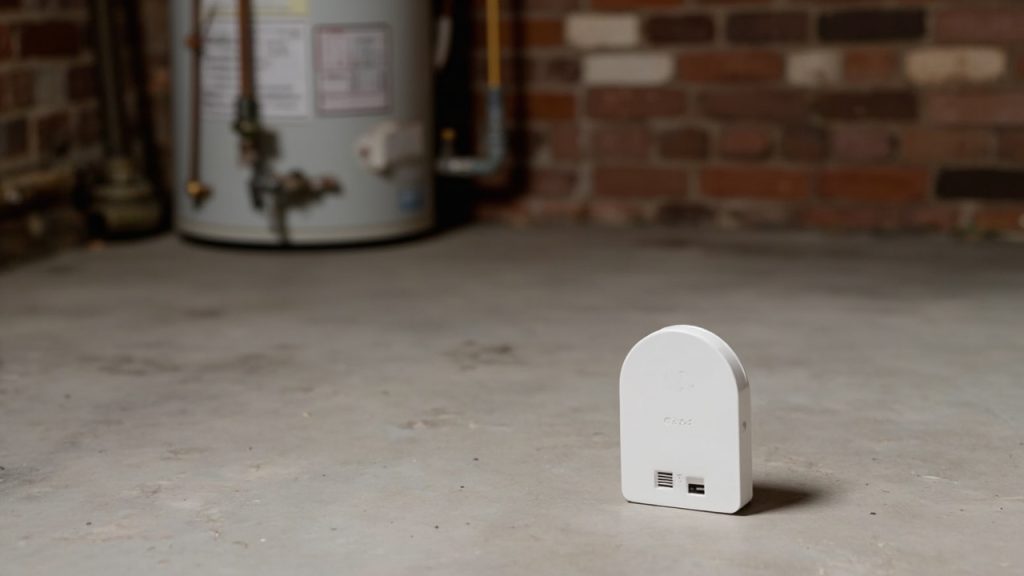
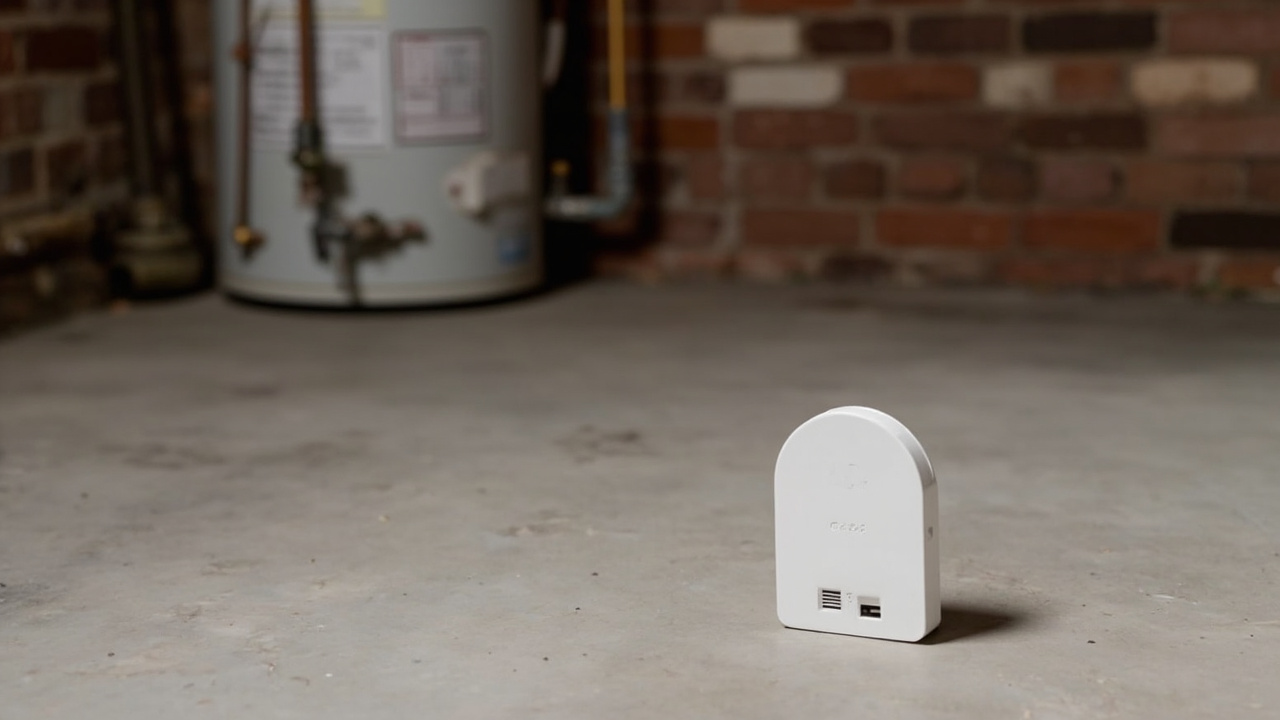
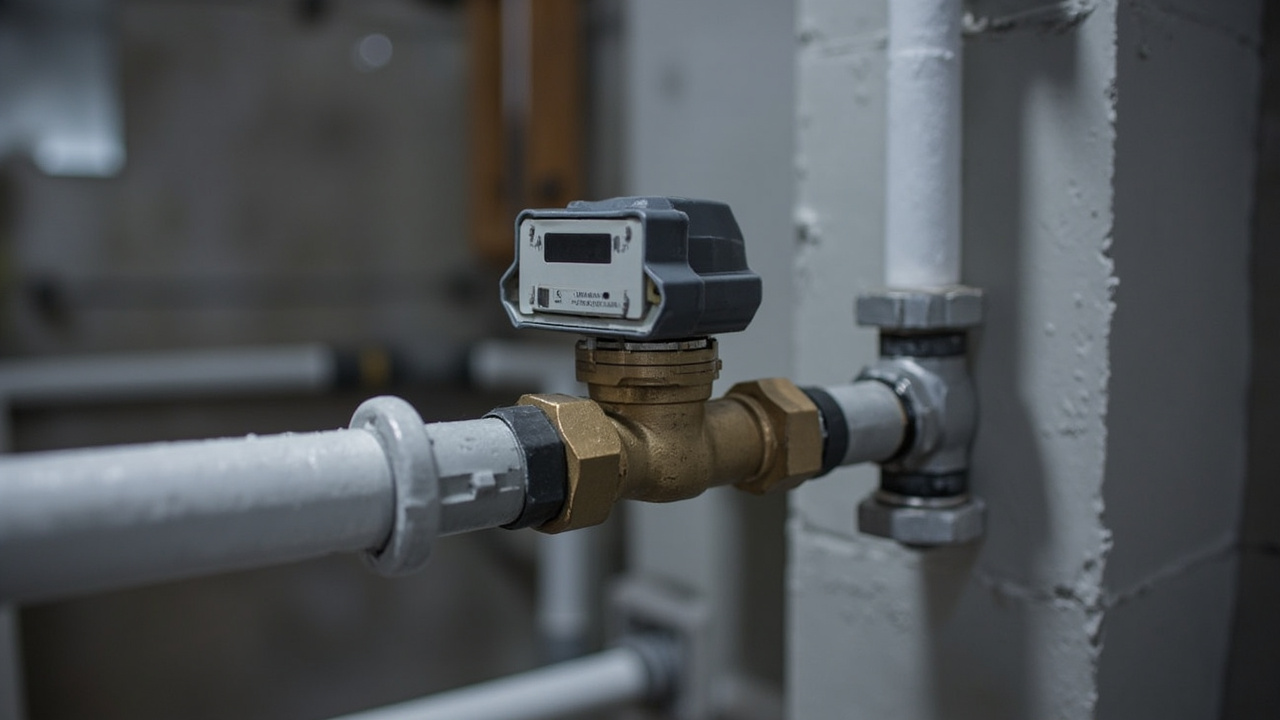
Smart leak detectors fall into two broad categories. Point sensors detect moisture at a specific location, usually a small disc placed on the floor near a water heater, under a sink, or beside a sump pump. Flow-based detectors attach to your main water supply line and flag abnormal usage patterns that indicate a leak upstream.
Both types connect to the internet and push alerts to your phone. The difference in how they connect matters a great deal for older Detroit buildings.
Wi-Fi vs. LoRaWAN Connectivity in Detroit Basements
Standard Wi-Fi sensors (2.4GHz or 5GHz) are the most common and easiest to install. They pair with your existing router and send alerts through a cloud app. The problem in Detroit rental stock is signal penetration. Brick masonry construction, thick concrete basement walls, and multi-story layouts all degrade Wi-Fi signal strength. A sensor placed near a floor drain in a basement mechanical room may lose connectivity regularly.
LoRaWAN (Long Range Wide Area Network) devices solve this by transmitting over lower frequencies that penetrate building materials more effectively. They require a separate gateway hub, but the coverage radius is dramatically larger. For a multi-unit building on Cass Avenue or a detached garage apartment near Hamtramck, LoRaWAN connectivity is worth the added setup cost.
Cellular-backup sensors are a third option. These use a SIM card to push alerts if Wi-Fi goes down, which matters for vacant units where no one is paying the internet bill. Some landlords keep a basic internet service active in vacant units specifically to support IoT monitoring. Others choose cellular-native devices to eliminate that dependency entirely.

Top Smart Leak Detectors Compared for Detroit Landlords
Not every sensor is built for the demands of a rental property. You need durability, reliable alerting, and remote management for multiple units. Here is a breakdown of the most relevant options available right now.
| Device | Type | Connectivity | Best For | Subscription Required |
|---|---|---|---|---|
| Moen Flo Smart Water Monitor | Flow-based (main line) | Wi-Fi | Single-family rentals, full pipe monitoring | Optional premium tier |
| Phyn Plus | Flow-based (main line) | Wi-Fi | Properties with consistent water usage patterns | Yes |
| Govee Wi-Fi Water Sensor | Point sensor | Wi-Fi (2.4GHz) | Budget installs, multiple unit coverage | No |
| Ring Alarm Flood and Freeze Sensor | Point sensor with freeze detection | Z-Wave via Ring hub | Landlords already using Ring security systems | Yes (Ring Protect) |
| Aqara Water Leak Sensor | Point sensor | Zigbee via hub | Multi-unit setups with central hub management | No |
For vacant units in the University District specifically, the combination of a flow-based monitor at the main shutoff and two to three point sensors in high-risk areas (under kitchen sink, near water heater, at sump pump basin) provides the strongest coverage. A flow-based device alone will not catch a slow drip from a toilet supply line before damage sets in.
Where to Place Sensors in a Typical University District Rental
Placement determines whether your investment pays off. These are the high-probability failure points in older Detroit rental units.
- Basement mechanical room near the water heater, furnace condensate line, and main shutoff valve.
- Under kitchen sink where supply lines and drain connections see regular wear from tenant use and vibration.
- Bathroom floor near the toilet where wax ring failures and supply line failures are common in older fixtures.
- Sump pump basin in properties with crawl spaces or finished basements, especially for lower-lying streets near the Poletown area or properties close to the drainage corridors feeding into the Rouge River watershed.
- Near washing machine connections in units with in-unit laundry, where both hot and cold supply hoses age and burst.
- Attic or upper floor utility chase in buildings where plumbing runs through interior walls and freeze exposure is possible.
Michigan Winters and Freeze Sensor Integration
Any landlord operating in Metro Detroit knows what a polar vortex does to vacant property. When heat is set too low or a furnace fails during a vacancy, pipes in exterior walls and crawl spaces freeze and burst. The repair cost from a single freeze event in a brick two-flat can dwarf an entire year of net rental income.
Freeze sensors monitor ambient temperature and alert you when interior temps approach the danger threshold (typically below 40°F). The Ring Alarm Flood and Freeze Sensor mentioned above handles both functions. Separate freeze sensors from brands like Govee and Inkbird are inexpensive enough to place in every exterior-wall cabinet and crawl space access point.
Pairing a freeze sensor with an automatic water shut-off valve is the next level of protection. Devices like the Moen Flo or Phyn can trigger automatic supply shutoff when an anomaly is detected. For a vacant unit where you cannot physically respond within an hour, automatic shutoff is the difference between a damp floor and a structural loss.
If a freeze event does cause a burst pipe, acting fast on water extraction is critical. Delays beyond 24 to 48 hours push the damage into mold territory. Understanding why bleach won’t fix basement mold and when professional remediation is necessary will save you from compounding one problem into two.
The ROI Calculation Detroit Landlords Need to See
Smart leak detection is an investment. Here is how the math works out across a typical scenario.
| Scenario | Without Sensors | With Sensors |
|---|---|---|
| Leak detection time | Days to weeks (discovered at inspection) | Minutes (mobile alert) |
| Water damage scope | Subfloor, drywall, potential mold | Surface moisture, minimal spread |
| Restoration complexity | Category 2-3, multi-day drying | Category 1, same-day mitigation possible |
| Insurance claim impact | Large claim, possible rate increase | Small or no claim, reduced exposure |
| Insurance premium discount | None | 5% to 15% with documented smart devices |
| Sensor system cost (5-unit setup) | N/A | Low three-figure range for basic coverage |
Several major insurers offering landlord policies in Michigan now provide documented discounts for properties with certified leak detection systems. When you file a claim, having sensor alert logs with timestamps also strengthens your position with the adjuster. If you have been through the claims process before and found it frustrating, read through the guidance on filing a successful water damage insurance claim before your next incident, not after.
Tenant Privacy and Michigan Landlord-Tenant Law
Installing monitoring technology in an occupied rental unit comes with legal obligations under Michigan landlord-tenant law. The key distinctions are as follows.
Water leak sensors placed in mechanical areas (basement utility rooms, crawl spaces, exterior service closets) that tenants do not use as living space generally do not require special disclosure. Flow-based monitors installed on the main supply line at the exterior meter or main shutoff are similar to a utility meter and typically fall outside privacy concerns.
Sensors placed inside a tenant’s living space, including under kitchen sinks, in bathroom cabinets, or near in-unit appliances, should be disclosed in the lease. A simple addendum stating that moisture monitoring devices are installed for property protection purposes is standard practice and protects both parties. Michigan’s Landlord and Tenant Relationships Act (Public Act 348) governs tenant rights and landlord entry obligations, and transparency with your tenants around IoT devices keeps you compliant.
For vacant units, there are no privacy constraints. You can install sensors anywhere in the property and monitor continuously.
Professional Installation vs. DIY for Detroit Rental Owners
Point sensors are genuinely DIY-friendly. Most stick to the floor with adhesive or sit on a shelf and require no tools. You download the app, connect to Wi-Fi, and test the alert. A reasonably tech-comfortable landlord can cover a four-unit building in an afternoon.
Flow-based devices are a different story. The Moen Flo and Phyn Plus require cutting into the main supply line, installing a bypass valve assembly, and in some configurations, connecting to a power source. In Detroit’s older housing stock, where shutoff valves are sometimes corroded, lead-free solder requirements under Wayne County building codes apply, and pipe diameters vary by era of construction, this is work best handled by a licensed plumber.
Integrating sensors with an automatic shutoff valve is the setup that provides the highest protection for vacant units. When the sensor triggers an alert, the valve closes the supply line without anyone physically being present. Getting that integration right, especially in a building with shared supply risers, requires professional assessment.
Water damage to hardwood floors is one of the costlier outcomes of a delayed leak discovery. If you manage properties with original wood flooring common in University District and Midtown-adjacent buildings, understanding how to save hardwood floors after a water leak can mean the difference between refinishing and full replacement.
Setting Up Remote Monitoring Across Multiple Units
Managing a portfolio of rentals in the University District, Woodbridge, or North End requires a system that scales. Here is how to approach it.
Choose a sensor ecosystem that supports multi-property management through a single app dashboard. Aqara and Govee both allow multiple hubs under one account. For more advanced setups, a professional-grade platform like Alertmedia or SmartThings allows integration of sensors, cameras, and HVAC monitoring under one interface.
Keep a vacant unit internet connection active using a low-cost hotspot or a basic broadband plan. The monthly cost is negligible compared to the liability of going dark on monitoring. Configure alerts to go to both you and a trusted property manager or maintenance contact who can physically respond when you are unavailable.
Schedule quarterly sensor tests. Pull each sensor off its resting surface, expose it to a wet paper towel, and confirm the alert fires within 60 seconds. Battery-powered point sensors typically run one to two years on standard batteries, but cold basements drain batteries faster. Check them every fall before the heating season begins.
Carpet damage from a slow leak that pools under flooring is another common scenario in older University District units. If you face that situation, the guidance on deciding whether wet carpet can be saved or needs replacement gives you a clear framework before you call a restoration crew.
What to Do When a Sensor Fires on a Vacant Unit
The alert on your phone means one thing. Water is where it should not be. Your response in the next 30 minutes determines how bad the damage gets.
First, if you have an automatic shutoff valve integrated with your system, confirm it has closed the supply. If not, call your emergency contact to manually shut off the main supply valve. Second, contact your property manager or a trusted maintenance contact to access the unit and assess the source. Third, if the scope is beyond a simple leak fix, call a water damage restoration company immediately. Wet building materials begin supporting mold growth within 24 to 72 hours under Michigan’s humid conditions.
Document everything from the sensor alert log before anyone touches anything. Timestamps, alert data, and photo evidence all matter when you file a claim. A sensor system that alerts you in minutes gives you documentation. A tenant calling you three days later gives you nothing.
If you are managing University District rentals and want to know what a professional water damage assessment looks like from the first call through the final inspection, reach out to a local restoration team that works in Wayne County. The right crew knows Detroit’s building stock, understands the documentation insurers require, and can mobilize fast enough to keep a contained leak from becoming a gut renovation.
{
“@context”: “https://schema.org”,
“@type”: “BlogPosting”,
“headline”: “Why Wi-Fi Water Sensors Are a Must for Vacant Rentals in the University District”,
“description”: “Detroit landlords lose thousands to undetected leaks. Learn how smart leak detectors protect vacant University District rentals year-round.”,
“wordCount”: 2238,
“datePublished”: “2026-08-08T06:14:00.000Z”,
“dateModified”: “2026-08-08T06:14:00.000Z”,
“inLanguage”: “en-US”,
“mainEntityOfPage”: {
“@type”: “WebPage”,
“@id”: “https://ironwoodwaterdamagerestorationdetroit.com”
},
“publisher”: {
“@type”: “LocalBusiness”,
“name”: “Ironwood Water Damage Restoration Detroit”,
“url”: “https://ironwoodwaterdamagerestorationdetroit.com”
},
“author”: {
“@type”: “Organization”,
“name”: “Ironwood Water Damage Restoration Detroit”,
“url”: “https://ironwoodwaterdamagerestorationdetroit.com”
},
“image”: {
“@type”: “ImageObject”,
“url”: “https://ironwoodwaterdamagerestorationdetroit.com/wp-content/uploads/2026/03/why-wi-fi-water-sensors-are-a-must-for-vacant-rent-1.jpg”
}
}
{
“@context”: “https://schema.org”,
“@type”: “LocalBusiness”,
“name”: “Ironwood Water Damage Restoration Detroit”,
“url”: “https://ironwoodwaterdamagerestorationdetroit.com”,
“address”: {
“@type”: “PostalAddress”,
“addressLocality”: “Detroit”
},
“areaServed”: {
“@type”: “City”,
“name”: “Detroit”
}
}
{
“@context”: “https://schema.org”,
“@type”: “BreadcrumbList”,
“itemListElement”: [
{
“@type”: “ListItem”,
“position”: 1,
“name”: “Home”,
“item”: “https://ironwoodwaterdamagerestorationdetroit.com”
},
{
“@type”: “ListItem”,
“position”: 2,
“name”: “Blog”,
“item”: “https://ironwoodwaterdamagerestorationdetroit.com/blog”
},
{
“@type”: “ListItem”,
“position”: 3,
“name”: “Why Wi-Fi Water Sensors Are a Must for Vacant Rentals in the University District”
}
]
}
{
“@context”: “https://schema.org”,
“@type”: “Service”,
“serviceType”: “Water Damage Restoration”,
“provider”: {
“@type”: “LocalBusiness”,
“name”: “Ironwood Water Damage Restoration Detroit”,
“url”: “https://ironwoodwaterdamagerestorationdetroit.com”
},
“areaServed”: {
“@type”: “City”,
“name”: “Detroit”
},
“description”: “Detroit landlords lose thousands to undetected leaks. Learn how smart leak detectors protect vacant University District rentals year-round.”
}