
Basement Floor Drain Backing Up in Lincoln Park — Immediate Steps and Professional Repair
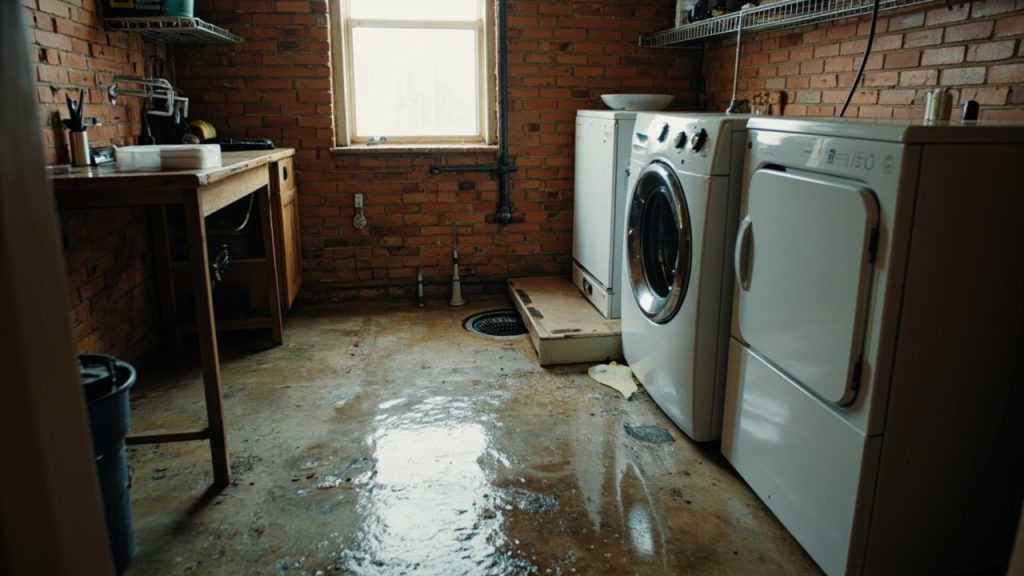
If your Lincoln Park laundry room floor drain is gurgling, bubbling, or sending water back up onto the floor, do not plug it. That instinct to stop the smell and the mess is completely understandable, but blocking that drain can turn a manageable problem into a catastrophic one. This is one of the most common mistakes we see in Downriver Detroit homes, and the consequences are expensive.
Lincoln Park sits on some of the oldest residential sewer infrastructure in Wayne County. Homes along Fort Street corridors, near Ecorse Creek, and throughout the interior neighborhoods were largely built between the post-war era and the early 1970s. The clay tile sewer lines running beneath those homes are at or beyond their useful lifespan. When those lines crack, root-intrude, or clog, your floor drain is often the first place you see the symptoms.
Why Your Lincoln Park Basement Drain is Backing Up
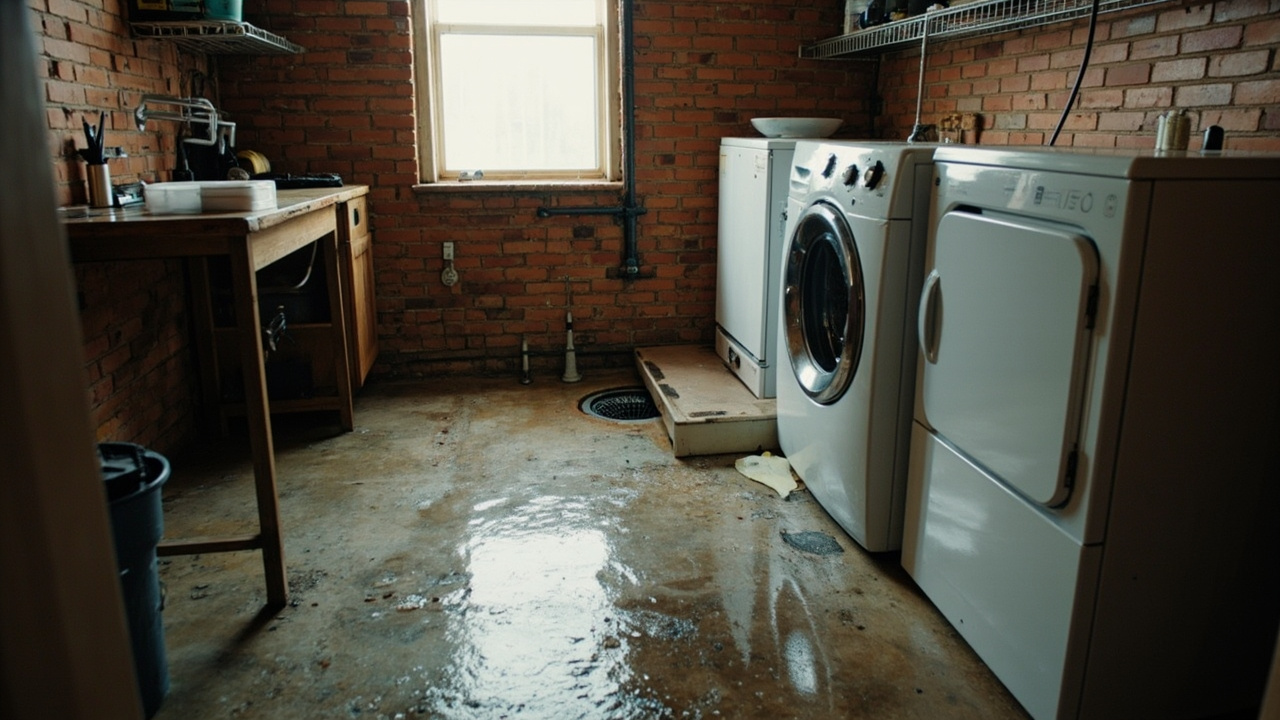
A floor drain backing up means water and sewage are moving in the wrong direction. The floor drain in your laundry room is a low-point relief valve for your home’s drain system. When pressure builds anywhere in your main sewer line, that floor drain is where it surfaces first. That is actually the design working correctly. The drain is doing its job by releasing pressure before it backs up into your toilet or washing machine.
So when you plug it, you force that pressure somewhere else. It usually finds the next-lowest fixture in the home, which is often the toilet or a basement utility sink. You have not fixed anything. You have just redirected the problem and made it worse.
The Most Common Causes in Downriver Homes
- Tree root intrusion in clay sewer mains — Older Lincoln Park lots have mature trees, and clay tile joints are magnets for root systems. Roots enter through joints and grow until they block the line completely.
- Sump pump failure during heavy rain — Wayne County averages over 33 inches of precipitation annually. When a sump pump fails during a storm, groundwater overwhelms the system and forces sewage back through floor drains.
- Hydrostatic pressure from saturated soil — Homes near Ecorse Creek and low-lying sections off Southfield Road are especially prone to hydrostatic pressure building up against the foundation after extended rain events.
- Collapsed or offset clay sewer pipe — Soil shifting and freeze-thaw cycles common to southeast Michigan cause older clay pipes to offset at their joints, creating partial blockages that worsen over time.
- Dried-out floor drain trap — If the floor drain trap has dried out from lack of use, sewer gases and occasional backflow can enter without the water seal in place. This is different from a true backup but gets misdiagnosed often.
- Municipal sewer main surcharge — During major storm events, the Lincoln Park municipal combined sewer system can surcharge, meaning water flows backward from the street main into private laterals.
What Happens When You Plug a Backing-Up Floor Drain
A floor drain plug or rubber expansion plug from the hardware store costs a few dollars. The damage it can cause costs thousands. When you block the only pressure-relief point in your drain system, sewage finds another exit. That exit is usually your washing machine drain, a floor-level utility sink, or the wax ring seal under your basement toilet.
Sewage that escapes through these routes is classified as Category 3 water, also called black water. It contains bacteria, viruses, and pathogens that require professional-grade sanitization to safely remediate. This is not a shop-vac-and-bleach situation. Bleach does not eliminate the biological hazard left behind by sewage-contaminated water, and the mold that follows within 24 to 48 hours compounds the health risk significantly.
Black water cleanup in a finished or semi-finished basement triggers structural drying protocols, antimicrobial treatment, and often mold remediation. What could have been a drain cleaning job becomes a multi-day restoration project.

Emergency Steps to Take Before the Restoration Team Arrives
If water is actively coming up through the floor drain right now, prioritize your safety first. Sewage-contaminated water and electrical outlets in the same basement are a serious hazard.
Step 1. Turn off the electrical breaker for your basement if water is near any outlets, appliances, or the electrical panel. Do not walk through standing water to reach the panel. Use the main breaker if necessary.
Step 2. Stop using all water in the house immediately. Every flush, every faucet, every appliance adds volume to an already-saturated system. Turn off the washing machine if it is running.
Step 3. Do not attempt to shop-vac Category 3 water without proper personal protective equipment. Sewage exposure causes real illness. If you are not equipped, stay out of the space.
Step 4. Open windows and exterior doors if the smell is severe. Sewer gas contains hydrogen sulfide, which is toxic in enclosed spaces at elevated concentrations.
Step 5. Call a licensed plumber to address the blockage and call an IICRC Certified water damage restoration company to handle the cleanup. These are two separate calls. Plumbers clear the line. Restoration professionals handle the contaminated water, structural drying, and sanitization.
Step 6. Document everything with photos and video before any cleanup begins. Your homeowner’s insurance claim will depend on this documentation. Understanding how Detroit-area homeowner insurance handles water restoration claims can save you significant money in the process.
The Professional Water Damage Restoration Process for Lincoln Park Homes
Once a licensed plumber has cleared or bypassed the sewer main line blockage, the restoration process begins. This is where IICRC-certified technicians follow a specific protocol based on the water category and the affected materials.
Initial Assessment and Water Extraction
Technicians perform moisture mapping using thermal imaging cameras and pin-type moisture meters. In older Lincoln Park homes with concrete block foundations, water wicks into the block cores and can remain hidden for days. Emergency water extraction removes standing water using truck-mounted extraction units. This is not a wet-vac operation. Commercial-grade equipment pulls hundreds of gallons in a fraction of the time.
Sewage Decontamination and Antimicrobial Treatment
Category 3 water requires EPA-registered antimicrobial agents applied to all affected surfaces. Porous materials like drywall, insulation, and wood framing that have contacted sewage-contaminated water are generally removed. The EPA’s mold cleanup guidelines provide a baseline, but IICRC S500 standards govern professional sewage remediation protocols.
Structural Drying with Professional Dehumidification
After extraction and decontamination, high-capacity dehumidifiers and air movers are deployed in a calculated configuration based on the square footage and affected materials. In a typical Lincoln Park basement, this drying phase runs three to five days. Technicians check moisture readings daily and adjust equipment positioning as materials dry.
Camera Inspection and Long-Term Prevention
Before the restoration is considered complete, a sewer camera inspection of the lateral line is strongly recommended. This identifies the root cause. If a collapsed or offset pipe is found, your plumber can present repair options including pipe lining or open-cut replacement. An IICRC-certified restoration company coordinates with your plumber to ensure the underlying cause is addressed before restoration work is finalized.
| Category | Water Source | Health Risk | Typical Cause in Lincoln Park | DIY Safe? |
|---|---|---|---|---|
| Category 1 (Clean Water) | Supply line break, rain infiltration | Low | Burst washing machine hose | Partial |
| Category 2 (Gray Water) | Washing machine discharge, dishwasher | Moderate | Pump failure during wash cycle | No |
| Category 3 (Black Water) | Sewer backup, municipal surcharge | High (pathogens present) | Main line blockage, storm surcharge | No |
Preventing Future Sewer Backups in Downriver Detroit Homes
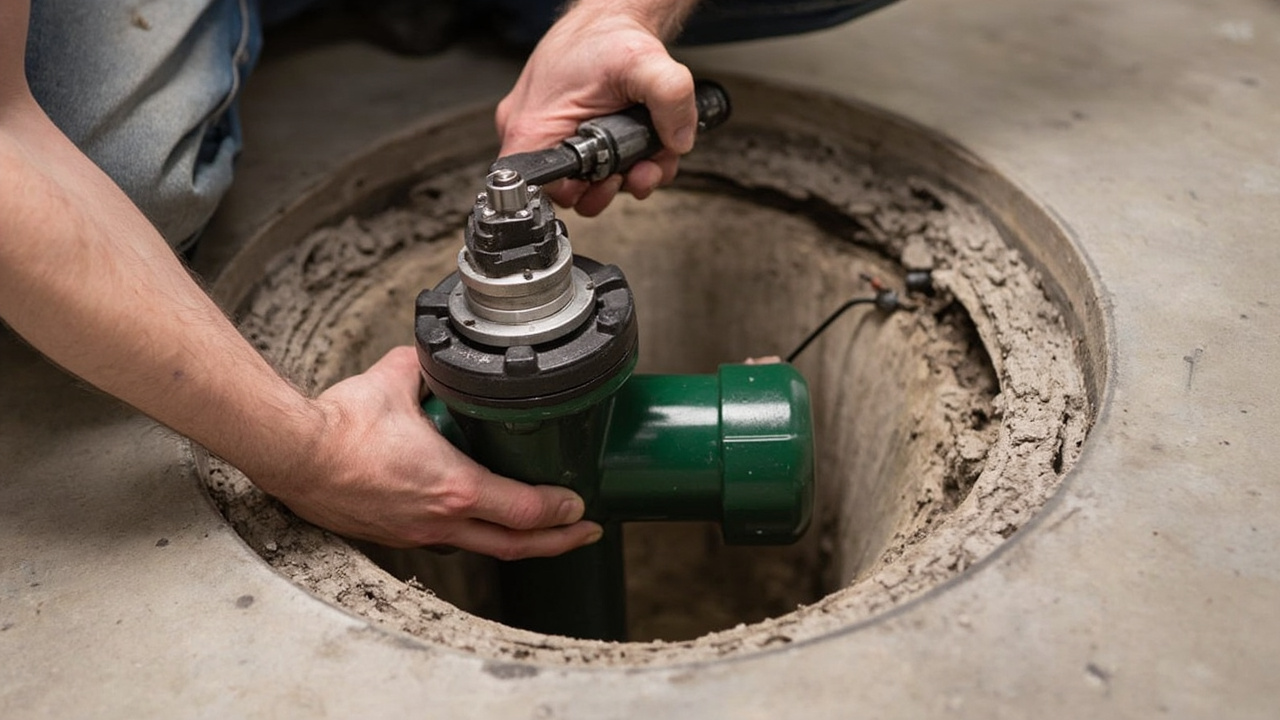
The most effective long-term solution for homes in Lincoln Park with a history of sewer backup is a backwater valve, also called an overhead sewer valve or check valve. This device installs on your sewer lateral and allows flow in only one direction. When the municipal main surcharges, the valve closes automatically and prevents sewage from entering your home.
Wayne County has periodically offered rebate programs for backwater valve installation. Check with the City of Lincoln Park’s building department for current permit requirements and any available assistance programs before installation.
Other prevention measures worth discussing with your plumber include annual hydro-jetting of the lateral line to clear root intrusion before it reaches a blocking level, and a sump pump with a battery backup for power-outage scenarios during storms.
If your basement has a finished floor or carpet, the restoration timeline and cost increase substantially when sewage is involved. Understanding when wet carpet can be saved versus when it needs to go is a question your restoration technician will answer based on the water category and contact time.
| Phase | Task | Estimated Timeframe | Who Performs It |
|---|---|---|---|
| Emergency Response | Arrival, assessment, water extraction | 2 to 4 hours after call | IICRC Restoration Tech |
| Decontamination | Sewage removal, antimicrobial treatment | Same day or Day 2 | IICRC Restoration Tech |
| Demo (if needed) | Drywall, insulation, flooring removal | Day 1 to Day 2 | IICRC Restoration Tech |
| Structural Drying | Dehumidification and air movement | 3 to 5 days | IICRC Restoration Tech |
| Plumbing Repair | Line repair or lining, backwater valve | Varies by scope | Licensed Plumber |
| Rebuild | Drywall, flooring, painting | Scheduled after drying clearance | General Contractor |
Filing Your Insurance Claim the Right Way
Sewer backup coverage is not automatically included in most standard homeowner’s insurance policies. Many Lincoln Park homeowners discover this after the incident. Sewer backup is typically an endorsement you add to your base policy. If you have it, the claim process matters as much as the coverage itself.
Proper documentation from a licensed restoration company, including moisture readings, photo logs, and scope of work reports, is what makes insurance claims pay out at full value. Cutting corners on the restoration or attempting DIY cleanup can give an adjuster grounds to reduce or deny the claim. Filing your water damage insurance claim correctly from the start protects your settlement and shortens the timeline.
Frequently Asked Questions About Basement Drain Backups
Is it safe to stay in my Lincoln Park home during a sewage backup cleanup?
It depends on the scope. If sewage is limited to a sealed utility area and your HVAC system is not circulating air through the contaminated space, many families remain in the home during drying. If sewage has spread to living areas or there is significant odor throughout the house, temporary relocation is recommended. Your restoration technician will give you a straight answer based on what they find.
How do I know if my sewer lateral or the city main is the problem?
If your neighbors on the same block also experienced backup during the same storm event, the city main is likely involved. If only your home is affected, the problem is almost certainly in your private lateral. A sewer camera inspection confirms the exact location and cause.
What is the floor drain trap and why does it matter?
The floor drain trap is a U-shaped section of pipe below the drain that holds water and creates a seal against sewer gases. In laundry rooms that sit unused for weeks, that trap can dry out. The fix is simple: pour a quart of water mixed with a small amount of cooking oil down the drain every few months to maintain the seal. A dry trap is not a backup, but the sewer gas odor gets misread as one.
Can I install a backwater valve myself?
The installation requires cutting into the floor and the sewer lateral, and it requires a building permit from the City of Lincoln Park. This is a licensed plumber job. Improper installation can create a worse backup situation or void the device’s effectiveness entirely.
If your Lincoln Park laundry room floor drain is showing any signs of backup, act quickly and do not block it. Call a licensed plumber to diagnose the line and reach out to an IICRC-certified restoration team to assess the water damage and contamination risk. The faster you move, the smaller the damage footprint and the lower the overall restoration cost.
{
“@context”: “https://schema.org”,
“@type”: “BlogPosting”,
“headline”: “Why You Should Never Plug the Floor Drain in Your Older Lincoln Park Laundry Room”,
“description”: “Plugging your Lincoln Park laundry room floor drain can cause serious sewage backup damage. Here’s what to do instead and when to call for help.”,
“wordCount”: 1999,
“datePublished”: “2026-05-17T04:38:00.000Z”,
“dateModified”: “2026-05-17T04:38:00.000Z”,
“inLanguage”: “en-US”,
“mainEntityOfPage”: {
“@type”: “WebPage”,
“@id”: “https://ironwoodwaterdamagerestorationdetroit.com”
},
“publisher”: {
“@type”: “LocalBusiness”,
“name”: “Ironwood Water Damage Restoration Detroit”,
“url”: “https://ironwoodwaterdamagerestorationdetroit.com”
},
“author”: {
“@type”: “Organization”,
“name”: “Ironwood Water Damage Restoration Detroit”,
“url”: “https://ironwoodwaterdamagerestorationdetroit.com”
},
“image”: {
“@type”: “ImageObject”,
“url”: “https://ironwoodwaterdamagerestorationdetroit.com/wp-content/uploads/2026/03/why-you-should-never-plug-the-floor-drain-in-your-1.jpg”
}
}
{
“@context”: “https://schema.org”,
“@type”: “LocalBusiness”,
“name”: “Ironwood Water Damage Restoration Detroit”,
“url”: “https://ironwoodwaterdamagerestorationdetroit.com”,
“address”: {
“@type”: “PostalAddress”,
“addressLocality”: “Detroit”
},
“areaServed”: {
“@type”: “City”,
“name”: “Detroit”
}
}
{
“@context”: “https://schema.org”,
“@type”: “FAQPage”,
“mainEntity”: [
{
“@type”: “Question”,
“name”: “Is it safe to stay in my Lincoln Park home during a sewage backup cleanup?”,
“acceptedAnswer”: {
“@type”: “Answer”,
“text”: “It depends on the scope. If sewage is limited to a sealed utility area and your HVAC system is not circulating air through the contaminated space, many families remain in the home during drying. If sewage has spread to living areas or there is significant odor throughout the house, temporary relocation is recommended. Your restoration technician will give you a straight answer based on what they find.”
}
},
{
“@type”: “Question”,
“name”: “How do I know if my sewer lateral or the city main is the problem?”,
“acceptedAnswer”: {
“@type”: “Answer”,
“text”: “If your neighbors on the same block also experienced backup during the same storm event, the city main is likely involved. If only your home is affected, the problem is almost certainly in your private lateral. A sewer camera inspection confirms the exact location and cause.”
}
},
{
“@type”: “Question”,
“name”: “What is the floor drain trap and why does it matter?”,
“acceptedAnswer”: {
“@type”: “Answer”,
“text”: “The floor drain trap is a U-shaped section of pipe below the drain that holds water and creates a seal against sewer gases. In laundry rooms that sit unused for weeks, that trap can dry out. The fix is simple: pour a quart of water mixed with a small amount of cooking oil down the drain every few months to maintain the seal. A dry trap is not a backup, but the sewer gas odor gets misread as one.”
}
},
{
“@type”: “Question”,
“name”: “Can I install a backwater valve myself?”,
“acceptedAnswer”: {
“@type”: “Answer”,
“text”: “The installation requires cutting into the floor and the sewer lateral, and it requires a building permit from the City of Lincoln Park. This is a licensed plumber job. Improper installation can create a worse backup situation or void the device’s effectiveness entirely.”
}
}
]
}
{
“@context”: “https://schema.org”,
“@type”: “BreadcrumbList”,
“itemListElement”: [
{
“@type”: “ListItem”,
“position”: 1,
“name”: “Home”,
“item”: “https://ironwoodwaterdamagerestorationdetroit.com”
},
{
“@type”: “ListItem”,
“position”: 2,
“name”: “Blog”,
“item”: “https://ironwoodwaterdamagerestorationdetroit.com/blog”
},
{
“@type”: “ListItem”,
“position”: 3,
“name”: “Why You Should Never Plug the Floor Drain in Your Older Lincoln Park Laundry Room”
}
]
}
{
“@context”: “https://schema.org”,
“@type”: “Service”,
“serviceType”: “Water Damage Restoration”,
“provider”: {
“@type”: “LocalBusiness”,
“name”: “Ironwood Water Damage Restoration Detroit”,
“url”: “https://ironwoodwaterdamagerestorationdetroit.com”
},
“areaServed”: {
“@type”: “City”,
“name”: “Detroit”
},
“description”: “Plugging your Lincoln Park laundry room floor drain can cause serious sewage backup damage. Here’s what to do instead and when to call for help.”
}