

Your detached garage floods every time a heavy storm rolls through Mexicantown, and you want to know why it keeps happening. The short answer is that detached garages in this part of Detroit sit at the intersection of three serious problems: aging combined sewer infrastructure, clay-heavy soil that sheds water instead of absorbing it, and slab-on-grade foundations with zero flood protection built in. Understanding how these factors interact is the first step toward actually fixing the problem.
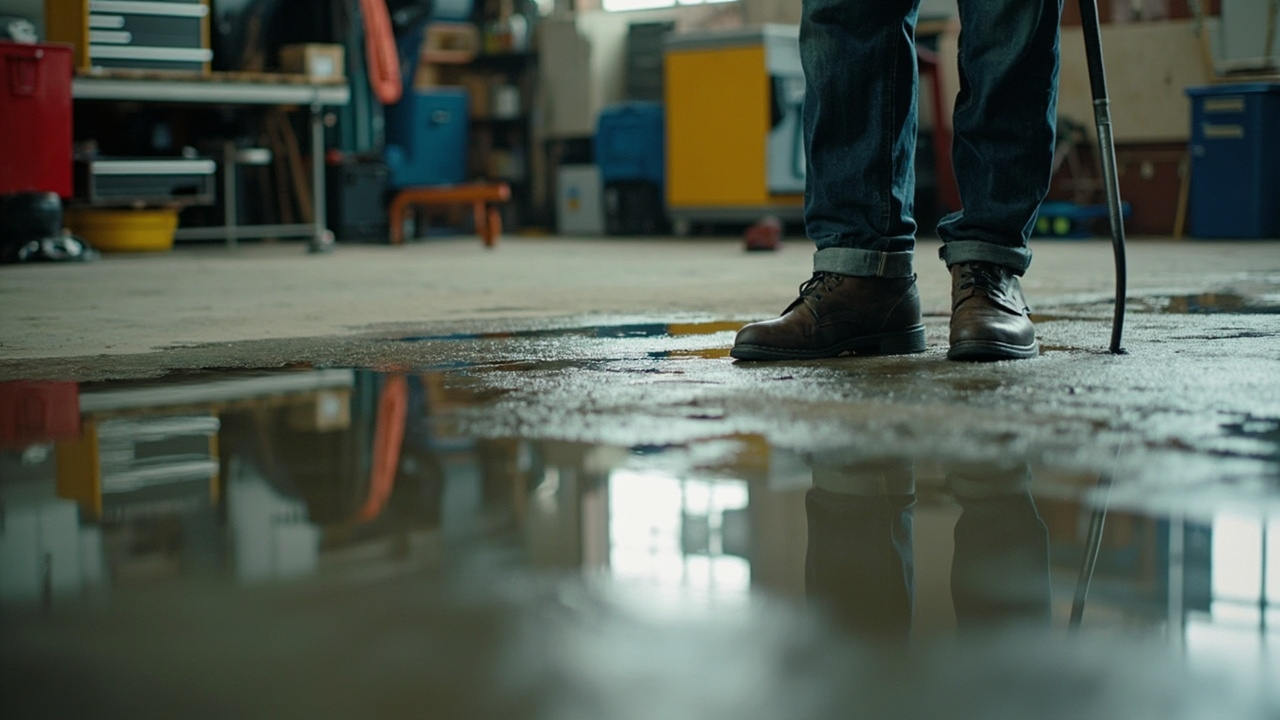
Why Detached Garages in Mexicantown Are Especially Vulnerable
Detached garages in Mexicantown and the surrounding Southwest Detroit corridor were built decades ago, most of them accessed through narrow alleyways that run behind the lots. Those alleyways are where the trouble starts. When rainfall totals exceed what the sewer system can handle, water has nowhere to go except across the alley surface and directly toward the lowest point it can find, which is often your garage floor.
Detroit’s Detroit Water and Sewerage Department (DWSD) operates a combined sewer overflow (CSO) system across much of the older city grid. In a CSO system, stormwater and sewage travel through the same pipes. When those pipes surpass capacity during heavy rainfall, the system backs up. That backpressure pushes water through floor drains, sump pits, and foundation gaps into whatever structure is nearby. Detached garages, which almost never have backwater valves installed, take the brunt of this.
Detroit’s annual rainfall averages around 33 inches, but what matters more than the annual total is intensity. Summer convective storms can dump two to three inches of rain in under an hour. The CSO system simply cannot process that volume fast enough. Neighborhoods like Mexicantown, Corktown, and Hubbard Farms were developed before modern stormwater management was standard, and the drainage infrastructure reflects that reality.
The Clay Soil Problem Beneath Your Garage Slab
Wayne County sits on dense glacial clay, and that clay is essentially waterproof. When rain saturates the surface, water pools rather than percolates. It follows the path of least resistance along the soil surface, which often leads it directly to the perimeter of your garage slab.
Once water reaches the slab edge, hydrostatic pressure builds up. Hydrostatic pressure is the force exerted by standing or moving water against a surface. Even a small crack in your slab, a gap where the slab meets the wall, or a deteriorated expansion joint gives pressurized water a direct path inside. Older garages in this neighborhood often have slab cracks that have gone unaddressed for years. Water finds those cracks every single storm.
Improper grading makes this worse. If the soil around your garage slopes toward the structure rather than away from it, you are directing every rainfall event straight at your foundation. Many lots in Mexicantown have settled over time, reversing the original grade without the homeowner realizing it.
Common Causes of Detached Garage Flooding in Metro Detroit
Below is a breakdown of the most frequent causes we diagnose in garages across Southwest Detroit, Bridgeport, and the Vernor Highway corridor.
| Cause | How It Creates Flooding | Frequency in Mexicantown |
|---|---|---|
| CSO Backpressure | Sewer surges push water through floor drains | Very High |
| Alleyway Surface Runoff | Impervious alley surface channels water toward garage | High |
| Negative Grading | Soil slope directs water toward slab perimeter | High |
| Hydrostatic Pressure Through Slab Cracks | Water forces through existing slab fractures | High |
| Missing or No Gutters | Roof runoff dumps directly at the garage perimeter | Moderate to High |
| No Backwater Valve | Sewer water reverses through floor drain | High |
| Deteriorated Slab-to-Wall Joint | Gap allows water infiltration at floor level | Moderate |
What Happens When You Leave Garage Water Damage Alone
A garage flood feels less urgent than a flooded basement or a soaked living room. That thinking leads to serious structural and health consequences that compound over weeks and months.
Uninsulated garage structures dry slowly. The concrete slab retains moisture, and without active drying equipment, relative humidity inside the space stays elevated for days. Mold colonies establish themselves within 24 to 72 hours under those conditions. Because garages often store wood shelving, cardboard boxes, and personal items, there is no shortage of organic material for mold to consume.
Structural wood is at high risk. The framing at the base of your garage walls, called the mudsill or bottom plate, sits close to the slab. Repeated flooding saturates this wood, leading to rot that compromises the structural integrity of the entire wall system. Once that rot takes hold, you are looking at a framing repair job on top of a water damage restoration job.
If you store a vehicle in the garage, standing water creates a real risk to the undercarriage and to electronic components. Modern vehicles carry dozens of sensors and control modules mounted low on the chassis. Even a few inches of water can cause electrical damage that does not appear until weeks later.
Mold growth in a detached structure does not stay contained there. Spores migrate through gaps, attic vents, and doorways into the main house. If you want to understand why bleach alone is not a viable solution for mold, this breakdown of mold remediation in Ferndale explains the real process.

The Restoration Process for a Flooded Detached Garage
Restoring a flooded detached garage follows a different protocol than basement or interior flood restoration. The structure is typically uninsulated, unheated, and built with a slab-on-grade foundation. That changes the drying strategy significantly.
Step 1 — Water Classification and Safety Assessment
Before any equipment goes in, a technician needs to classify the water source. Water from alleyway runoff or roof drainage is grey water, carrying moderate contamination. Water that entered through a floor drain connected to the CSO system is black water, meaning it carries sewage and requires full personal protective equipment, antimicrobial treatment, and stricter disposal protocols. The classification determines the entire scope of the job.
The IICRC (Institute of Inspection Cleaning and Restoration Certification) sets the standards that govern how restoration professionals classify water damage and determine appropriate treatment methods. Working with an IICRC-certified contractor means the work follows a defensible, documented standard, which matters significantly when you file an insurance claim.
Step 2 — Water Extraction
Truck-mounted or portable extractors pull standing water off the slab. Concrete is porous, so extraction alone does not fully dry the slab. It takes the bulk of the water out so that drying equipment can handle the residual moisture.
Step 3 — Structural Drying
In an uninsulated garage, drying conditions differ from a conditioned living space. Ambient temperatures can swing widely, and there is no vapor barrier on the walls or ceiling to trap moisture. Industrial-grade dehumidifiers and axial air movers work together to pull moisture from the slab, from any wood framing, and from the air. Technicians use moisture meters to track progress. The target is to bring moisture content in structural materials back to acceptable levels before closing out the job.
Step 4 — Sanitization and Antimicrobial Treatment
For grey water and black water events, the slab and any affected surfaces receive antimicrobial treatment. This step is not optional. Concrete is a porous material that can harbor microbial growth long after the visible water is gone.
Step 5 — Content Assessment
Tools, storage boxes, seasonal equipment, and anything else that was in contact with floodwater needs evaluation. Some items are restorable. Others are not, particularly porous materials exposed to black water. A proper restoration job documents everything for your insurance claim.
Typical Garage Flood Restoration Timeline
| Phase | What Happens | Typical Duration |
|---|---|---|
| Emergency Response | Arrival, water classification, safety assessment | Within 1 hour of call |
| Water Extraction | Standing water removed from slab | 1 to 3 hours |
| Equipment Setup | Dehumidifiers and air movers positioned | Same day |
| Structural Drying | Moisture pulled from slab and framing | 3 to 5 days typically |
| Sanitization | Antimicrobial application to affected surfaces | Day 1 and end of drying phase |
| Final Moisture Check and Documentation | Moisture readings logged, job report completed | Final day of drying phase |
Prevention Strategies That Actually Work for Detroit Homeowners
Reactive restoration gets your garage dry after the damage is done. Prevention stops the flooding from repeating. These are the interventions that make the most difference in Southwest Detroit’s specific conditions.
Install a Backwater Valve on the Floor Drain
A backwater valve is a one-way gate installed in your drain line that allows water to flow out but physically blocks water from flowing back in during a CSO event. This is the single most effective intervention for garages connected to the city’s combined sewer system. Wayne County drainage codes permit and encourage these installations. A licensed plumber can complete the installation in a single visit.
Correct the Grade Around the Garage
Soil should slope away from the garage at a minimum of one inch per foot for the first six feet around the structure. In many older Mexicantown lots, the grade has settled or was never established correctly. Regrading is a straightforward landscaping task that eliminates surface water pooling against your slab.
Add Gutters and Extend Downspouts
Many detached garages in this neighborhood have no gutters at all. During a heavy rain, the roof sheds a significant volume of water directly at the perimeter of the slab. Gutters collect that water, and downspouts direct it away from the structure. Extend downspouts at least four feet from the garage base and make sure they discharge away from the lot, not toward the alley.
Install a French Drain Along the Garage Perimeter
A French drain is a perforated pipe surrounded by gravel, buried along the perimeter of the garage, that intercepts groundwater and surface runoff before it reaches the slab. In clay soil conditions like those throughout Wayne County, a French drain is one of the most effective long-term drainage solutions available. It does require excavation, but it addresses the root cause rather than just managing symptoms.
Seal Active Slab Cracks
Polyurethane or epoxy injection into active cracks in the slab stops hydrostatic water infiltration at its entry point. This is not a permanent fix if the underlying water pressure issue remains unresolved, but combined with the grading and drainage improvements above, crack sealing provides an additional barrier.
Consider a Sump Pit with a Battery Backup Pump
If your garage slab sits at or below the level of the alley, a sump pit installed through the slab gives water a controlled place to collect so it can be pumped out before it spreads. Battery backup ensures the pump keeps running even during the power outages that often accompany severe storms in the Detroit metro area.
Here is a quick checklist of immediate actions to take after you discover your garage has flooded:
- Do not enter standing water if the power supply to the garage has not been confirmed safe.
- Photograph or video the entire space before moving anything.
- Move dry contents to an elevated position if possible without entering unsafe water.
- Call your insurance company to report the event and start a claim.
- Call a restoration professional immediately. The 24 to 72 hour window before mold sets in is real.
- Do not run a regular shop fan to dry the space. It spreads contaminants and is ineffective compared to professional drying equipment.

Insurance and Local Regulations for Non-Living Structures
Detached garages fall into an often-misunderstood category with homeowner insurance policies. Most standard policies cover detached structures under Coverage B (Other Structures), typically at ten percent of the dwelling coverage limit. That may not be enough to cover a full restoration plus preventive drainage work.
Whether your flooding is covered depends heavily on the cause. Sudden and accidental water damage is generally covered. Flooding caused by surface water or sewer backup requires separate endorsements that many Detroit homeowners do not have. Before you assume your claim will be paid, review your declarations page carefully.
For a detailed walkthrough of how to get your insurer to actually pay out on a water damage claim, this guide on navigating Detroit home insurance for water restoration covers exactly what documentation you need. If you are in a neighboring area, this resource on Corktown water damage insurance claims is also directly applicable to Mexicantown homeowners.
Wayne County drainage codes require that any new drainage work installed on private property direct water away from public rights-of-way and neighboring parcels. If you install a French drain or sump discharge, the outlet needs to be planned carefully to stay compliant. A reputable drainage contractor will know these requirements and design the system accordingly.
When the Damage Goes Beyond the Garage
In some flood events, water from the garage migrates toward the main house, especially in lots where the structures sit close together. If you have a wet storage room, finished space above the garage, or a connecting breezeway that took water, the scope of the restoration expands significantly.
Wet flooring materials in connected structures need rapid assessment. Understanding when wet flooring can be saved and when it needs replacement helps you have an informed conversation with your restoration contractor and your insurer.
The EPA’s guidance on mold remediation in buildings outlines the health risks and remediation principles that apply when water damage leads to mold growth in structural materials. This is the standard reference point for what constitutes appropriate remediation work.
Getting Your Garage Dry and Keeping It That Way
Recurring garage floods in Mexicantown are not random bad luck. They result from specific, diagnosable conditions that can be addressed systematically. The combination of CSO infrastructure, dense clay soil, alleyway drainage patterns, and aging slab-on-grade construction puts garages in this part of Detroit at genuine structural risk every time a major storm moves through.
Fast professional response after a flood event protects the structure and your stored contents. The prevention strategies described above, grading corrections, backwater valves, French drains, and proper roof drainage, address the causes rather than just the symptoms.
If your garage flooded during the last storm or you are watching storm clouds build and wondering what tonight will bring, call a licensed restoration professional now. Waiting costs you more time, more money, and more structural damage. We respond to garage flooding calls across Metro Detroit within the hour. Do not let standing water sit while you weigh your options.
{
“@context”: “https://schema.org”,
“@type”: “BlogPosting”,
“headline”: “Why Your Detached Garage in Mexicantown Keeps Flooding During Heavy Rainfall”,
“description”: “Detached garage flooding in Detroit’s Mexicantown? Learn the real causes, what to do right now, and how to stop it from happening again.”,
“wordCount”: 2354,
“datePublished”: “2026-05-27T04:16:00.000Z”,
“dateModified”: “2026-05-27T04:16:00.000Z”,
“inLanguage”: “en-US”,
“mainEntityOfPage”: {
“@type”: “WebPage”,
“@id”: “https://ironwoodwaterdamagerestorationdetroit.com”
},
“publisher”: {
“@type”: “LocalBusiness”,
“name”: “Ironwood Water Damage Restoration Detroit”,
“url”: “https://ironwoodwaterdamagerestorationdetroit.com”
},
“author”: {
“@type”: “Organization”,
“name”: “Ironwood Water Damage Restoration Detroit”,
“url”: “https://ironwoodwaterdamagerestorationdetroit.com”
},
“image”: {
“@type”: “ImageObject”,
“url”: “https://ironwoodwaterdamagerestorationdetroit.com/wp-content/uploads/2026/03/why-your-detached-garage-in-mexicantown-keeps-floo-1.jpg”
}
}
{
“@context”: “https://schema.org”,
“@type”: “LocalBusiness”,
“name”: “Ironwood Water Damage Restoration Detroit”,
“url”: “https://ironwoodwaterdamagerestorationdetroit.com”,
“address”: {
“@type”: “PostalAddress”,
“addressLocality”: “Detroit”
},
“areaServed”: {
“@type”: “City”,
“name”: “Detroit”
}
}
{
“@context”: “https://schema.org”,
“@type”: “BreadcrumbList”,
“itemListElement”: [
{
“@type”: “ListItem”,
“position”: 1,
“name”: “Home”,
“item”: “https://ironwoodwaterdamagerestorationdetroit.com”
},
{
“@type”: “ListItem”,
“position”: 2,
“name”: “Blog”,
“item”: “https://ironwoodwaterdamagerestorationdetroit.com/blog”
},
{
“@type”: “ListItem”,
“position”: 3,
“name”: “Why Your Detached Garage in Mexicantown Keeps Flooding During Heavy Rainfall”
}
]
}
{
“@context”: “https://schema.org”,
“@type”: “Service”,
“serviceType”: “Water Damage Restoration”,
“provider”: {
“@type”: “LocalBusiness”,
“name”: “Ironwood Water Damage Restoration Detroit”,
“url”: “https://ironwoodwaterdamagerestorationdetroit.com”
},
“areaServed”: {
“@type”: “City”,
“name”: “Detroit”
},
“description”: “Detached garage flooding in Detroit’s Mexicantown? Learn the real causes, what to do right now, and how to stop it from happening again.”
}