

Water Main Pressure Damage Restoration in Detroit, MI
If the Detroit Water and Sewerage Department (DWSD) has been working in your neighborhood lately, pay close attention to your plumbing. A freshly replaced or repaired water main can send pressure surges directly into your home’s supply lines. When that happens, pipes burst, joints fail, and water damage follows fast. This is not a rare event in Detroit. It is a predictable consequence of infrastructure work on aging systems, and homeowners in neighborhoods from Boston-Edison to East English Village are experiencing it.
Why Water Main Replacements Cause Pressure Spikes in Detroit Homes
Detroit’s water distribution system is old. Large portions of the infrastructure pre-date modern pressure management standards. When DWSD replaces a section of main, crews must flush, repressurize, and reactivate the line. That reactivation process is not always smooth.. Read more about How to Screen Detroit Water Damage Contractors Using This Professional Checklist.
When a new section of pipe is brought online, the pressure in the line can temporarily spike well above normal residential levels. Standard home plumbing is designed to handle between 40 and 80 PSI (pounds per square inch). During and after main replacements, pressure readings at the meter can jump to 100 PSI or higher. At that level, your internal plumbing is under serious stress.
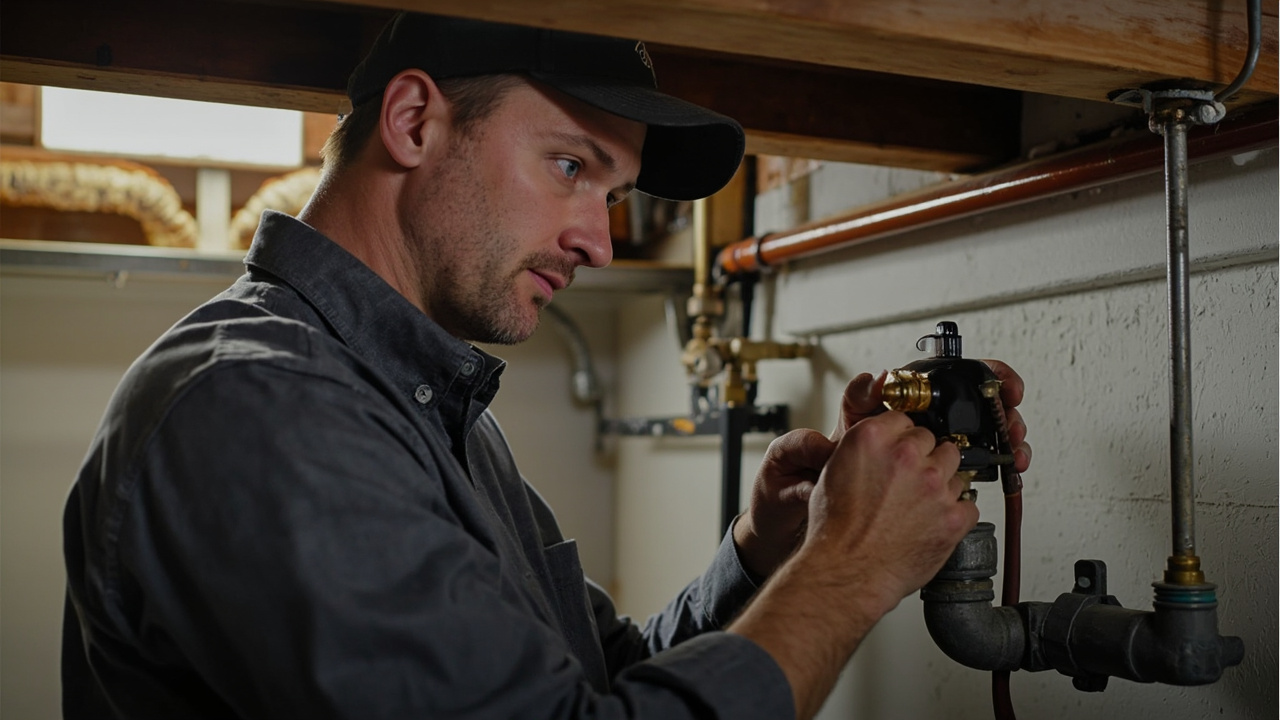
There is a device called a Pressure Reducing Valve, or PRV, that is supposed to protect your home from exactly this scenario. It sits on your main supply line where water enters the house and steps the pressure down to a safe range. The problem is that many Detroit homes, especially those built before the 1980s in neighborhoods like Sherwood Forest, Bagley, and Rosedale Park, either have no PRV installed or have one that has never been tested or replaced. A worn-out PRV does not regulate anything.
The Role of Pipe Material in Pressure Damage
Not all pipes fail the same way under high pressure. The material your home’s supply lines are made from determines how they respond to a surge.
| Pipe Material | Common in Detroit Homes Built | Pressure Vulnerability | Failure Mode |
|---|---|---|---|
| Galvanized Steel | Pre-1960s | High | Corrosion accelerates, joints crack, pinhole leaks develop |
| Copper | 1960s to 1990s | Moderate | Soldered joints blow out, pipe walls thin over time |
| CPVC | 1980s to 2000s | Moderate to High | Brittle cracking, especially in cold temperatures |
| PEX | 2000s to present | Low | More flexible, but fittings and connections can still fail under sustained surge |
If your home has galvanized pipes, a pressure event is not a question of if damage will happen. It is a question of where. Older galvanized lines in Detroit’s historic districts are already compromised from decades of mineral buildup and corrosion. A pressure surge is the final stress that splits them open.
Signs That High Water Pressure Has Already Damaged Your Plumbing
Pressure damage does not always look like a burst pipe and a flooded basement. Sometimes the signs are subtle, and homeowners miss them for weeks before the real damage becomes visible. Know what to look for.
- Water Hammer — A loud banging or knocking sound inside your walls when you turn a faucet on or off. This is the sound of water slamming against pipe walls and joints due to uncontrolled pressure changes. It is not normal.
- Spiked Water Bills — If your bill jumped without an obvious explanation, you may have a slow leak inside a wall or under a slab. High pressure causes small leaks that run constantly.
- Reduced or Inconsistent Water Pressure at Fixtures — Counterintuitively, a PRV that has failed under stress can restrict flow rather than increase it, causing uneven pressure at taps and shower heads.
- Dripping Faucets and Running Toilets — High pressure wears out internal seals and valve seats faster than normal. If your fixtures suddenly started leaking after the city worked on your street, the connection is likely direct.
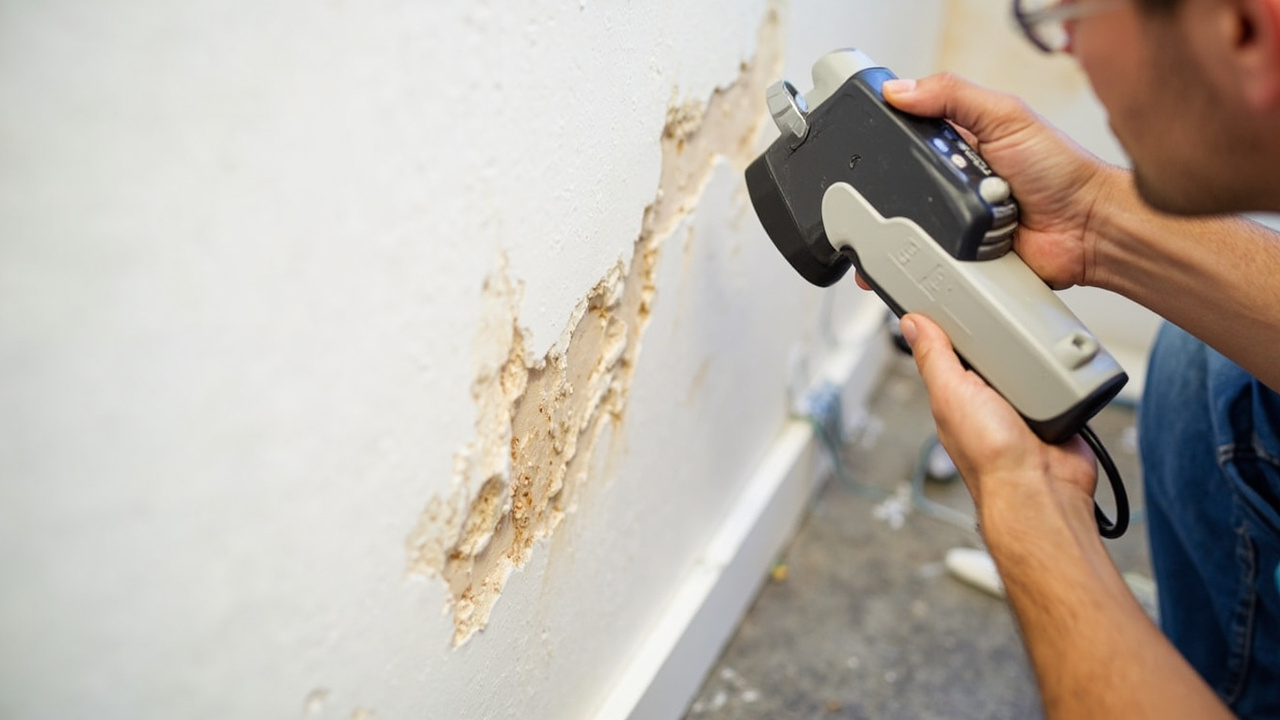
- Unexplained Dampness Near the Foundation — Hydrostatic pressure from a supply line leak can push moisture against your foundation walls, showing up as damp spots, efflorescence (white mineral deposits), or soft drywall near the floor.
- Visible Pipe Corrosion or Joint Separation — Check under sinks and in your mechanical room. If you see green or white buildup around copper fittings or joints that look separated, act immediately.
What Happens If You Ignore Pressure Damage
A slow leak inside a wall in a Detroit home during winter is a compounding problem. The water saturates framing lumber, insulation, and drywall. Within 24 to 48 hours, mold begins to grow. Within 72 hours, structural materials start to deteriorate. By the time you see a stain on the wall, the damage behind it is already significant.
Detroit’s climate makes this worse. The freeze-thaw cycle that runs from November through March means any moisture trapped in a wall cavity can freeze, expand, and cause additional cracking. A slow leak from a pressure-damaged joint in October can become a serious structural problem by January.
Sump pump failure is another downstream effect. If a pressurized leak is running water into your crawlspace or basement, your sump pump runs continuously. Sump pumps are not designed for that duty cycle. They burn out, and when they do, flooding follows.
Immediate Steps to Take If You Suspect Pressure Damage
- Shut Off the Main Water Supply — Know where your main shutoff valve is before you need it. In most Detroit homes, it is in the basement near the front of the house where the supply line enters. Turn it clockwise to close it.
- Check Your Water Meter — With all fixtures off and the main on, watch the meter for movement. If the dial moves, you have a leak somewhere in the supply system.
- Document Everything — Take photos and video of any visible damage, wet areas, discolored walls, or damaged fixtures. Do this before any cleanup or repairs. Your insurance company will need this documentation.
- Call Your Water Damage Restoration Company Before a General Plumber — A plumber fixes the pipe. A restoration company assesses what the water has already done to your structure. You need both, but the restoration assessment should happen first so you know the full scope of the damage.
- Contact DWSD — If the pressure event is directly tied to city work on your street, report it. Document your report with a case number. This matters for insurance and any potential liability claim.
- Notify Your Homeowners Insurance Carrier — Do not wait. Report the damage claim as soon as possible. The longer you wait, the harder it is to prove the origin of the damage.
For a detailed breakdown of how to work the insurance claim process, read our guide on how to get your Detroit home insurance to actually pay for water restoration. If you are in Corktown specifically, there is specific guidance available on filing a successful water damage insurance claim for your Corktown home.
The Restoration Process After Water Main Pressure Damage
Once you have the water stopped and the documentation started, restoration follows a specific sequence. Skipping steps creates bigger problems later.
Step 1 — Water Extraction
Standing water and saturated materials must come out first. Truck-mounted extractors remove bulk water from flooring, carpet, and subfloor assemblies. The IICRC (Institute of Inspection Cleaning and Restoration Certification) S500 standard governs this process and defines acceptable moisture levels for structural materials before drying can begin. Certified technicians follow this standard because it is what insurance adjusters and courts look at when assessing whether a restoration was done correctly.
Step 2 — Structural Drying
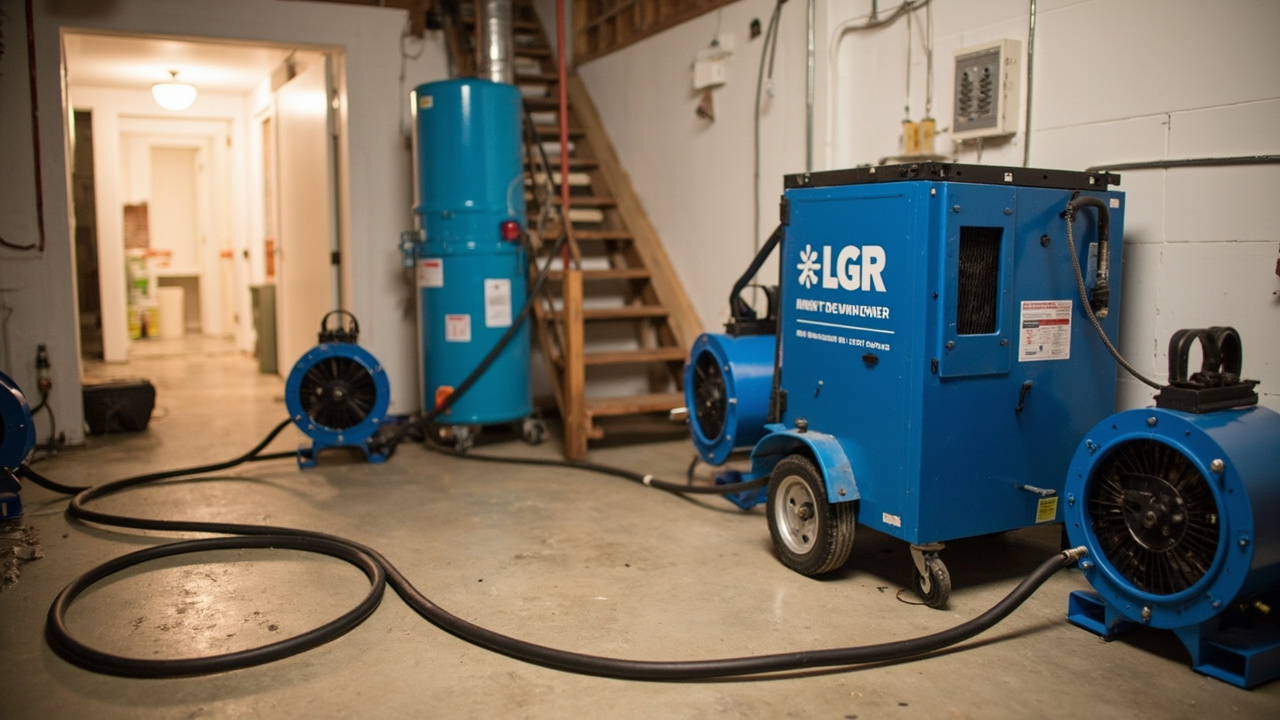
This is where most DIY attempts fail. Fans do not dry walls. Structural drying requires low-grain refrigerant (LGR) dehumidifiers positioned to create airflow across wet assemblies, combined with air movers running at calculated cubic-feet-per-minute rates based on the square footage of the affected area. In Detroit homes with plaster walls (common in neighborhoods like Indian Village and Palmer Park), drying times are longer because plaster holds moisture differently than drywall.
Drying logs are maintained throughout. Technicians use moisture meters and thermal imaging cameras to track progress inside wall cavities and under flooring. When readings return to baseline, drying is complete. Not before.
Step 3 — Mold Prevention and Remediation
If the water intrusion was caught within 24 hours and materials are dried properly, mold may never establish. If there was any delay, antimicrobial treatment and potential mold remediation become part of the scope. Do not let anyone tell you that bleach handles this. It does not penetrate porous materials, and surface treatment without addressing the moisture source accomplishes nothing. Read more about why that approach fails in our article on why bleach won’t fix your Ferndale basement mold.
Step 4 — Reconstruction
Once everything is dry and cleared, damaged materials are replaced. This means drywall, insulation, flooring, and any structural framing that did not return to acceptable moisture levels. If your hardwood floors took water, the decision to save or replace them depends on species, finish, and how long the water sat. Our guide on how to save your hardwood floors after a significant water leak covers that decision in detail. Carpet is a separate calculation entirely, and if you are weighing that question, this resource on deciding whether wet carpet can be saved or needs to go will help.
Insurance Coverage and Detroit City Liability
Most standard homeowners insurance policies cover sudden and accidental water damage from pipe failures inside the home. If the pressure surge from a water main caused your pipe to burst, that is typically a covered event. What is not covered is the gradual damage that builds from a slow leak you ignored for months.
| Damage Scenario | Typically Covered by Homeowners Insurance | Notes |
|---|---|---|
| Pipe burst from pressure surge | Yes | Document the connection to city work immediately |
| Slow leak from worn PRV | Often No | Considered a maintenance issue if gradual |
| Sump pump failure from oversaturation | Only with rider | Requires sewer and sump pump backup endorsement |
| Mold from water damage | Conditional | Covered if tied to a covered water event, not if pre-existing |
| Foundation damage from hydrostatic pressure | Often No | Ground movement and seepage typically excluded |
City liability is a separate question. DWSD, as a municipal entity, has specific claims processes and legal protections under Michigan law. If you believe city work directly caused your damage, you need to file a formal claim with the city and do so within the statutory notice period. Consult a Michigan attorney for specifics. Documentation of the timing between city work and your damage is your most important asset in that process.
Protecting Your Home From Future Pressure Events
The right preventive measure is a functioning PRV installed on your main supply line. A licensed plumber can test your current PRV with a simple pressure gauge at any hose bib. Normal residential pressure should read between 45 and 65 PSI. Anything above 80 PSI is cause for immediate action.
If your home does not have a PRV, have one installed. If you have one that is more than 10 years old, have it tested and replaced if it is not holding the set point. This is a straightforward fix that prevents a much larger problem.
Water hammer arrestors installed at washing machine connections and dishwasher supply lines also reduce the mechanical stress on joints during pressure fluctuations. They are inexpensive and can be added by any plumber in an afternoon.
Residents in Grosse Pointe, Royal Oak, Dearborn, and the greater Metro Detroit area should be aware that DWSD infrastructure work is ongoing across multiple corridors. Checking the DWSD project map before a pressure event, rather than after, gives you time to take preventive action.
When to Call a Water Damage Restoration Professional
Call immediately if you have standing water in any finished space. Call within the first few hours if you find wet insulation, soaked drywall, or saturated subfloor. Do not wait to see if things dry out on their own. They will not dry out correctly, and the mold clock starts within 24 hours.
We respond to water damage emergencies across Detroit and the surrounding Metro area, including Downtown, Midtown, Corktown, the East Side, and communities from Hamtramck to Warren. If your home has taken water from a plumbing failure connected to municipal work, we assess the damage, document everything for your insurance claim, and restore the structure to pre-loss condition following IICRC S500 standards.
Do not let a pressure event that was out of your control turn into a mold problem or a structural failure that becomes your problem. Get a professional assessment done fast, and get your claim started the right way from day one.
You may also find this helpful. Cleaning Up Category 3 Sewage After a Main Break in Your Dearborn Heights Basement.
{
“@context”: “https://schema.org”,
“@type”: “BlogPosting”,
“headline”: “Why Your Detroit Neighborhood’s Recent Water Main Replacement Could Lead to Pressure Problems in Your Home”,
“description”: “Detroit water main work can spike home water pressure and damage pipes. Learn what to watch for, how to protect your home, and when to call a pro.”,
“wordCount”: 2088,
“datePublished”: “2026-08-18T05:06:00.000Z”,
“dateModified”: “2026-08-18T05:06:00.000Z”,
“inLanguage”: “en-US”,
“mainEntityOfPage”: {
“@type”: “WebPage”,
“@id”: “https://ironwoodwaterdamagerestorationdetroit.com”
},
“publisher”: {
“@type”: “LocalBusiness”,
“name”: “Ironwood Water Damage Restoration Detroit”,
“url”: “https://ironwoodwaterdamagerestorationdetroit.com”
},
“author”: {
“@type”: “Organization”,
“name”: “Ironwood Water Damage Restoration Detroit”,
“url”: “https://ironwoodwaterdamagerestorationdetroit.com”
},
“image”: {
“@type”: “ImageObject”,
“url”: “https://ironwoodwaterdamagerestorationdetroit.com/wp-content/uploads/2026/03/why-your-detroit-neighborhood-s-recent-water-main-1.jpg”
}
}
{
“@context”: “https://schema.org”,
“@type”: “LocalBusiness”,
“name”: “Ironwood Water Damage Restoration Detroit”,
“url”: “https://ironwoodwaterdamagerestorationdetroit.com”,
“address”: {
“@type”: “PostalAddress”,
“addressLocality”: “Detroit”
},
“areaServed”: {
“@type”: “City”,
“name”: “Detroit”
}
}
{
“@context”: “https://schema.org”,
“@type”: “BreadcrumbList”,
“itemListElement”: [
{
“@type”: “ListItem”,
“position”: 1,
“name”: “Home”,
“item”: “https://ironwoodwaterdamagerestorationdetroit.com”
},
{
“@type”: “ListItem”,
“position”: 2,
“name”: “Blog”,
“item”: “https://ironwoodwaterdamagerestorationdetroit.com/blog”
},
{
“@type”: “ListItem”,
“position”: 3,
“name”: “Why Your Detroit Neighborhood’s Recent Water Main Replacement Could Lead to Pressure Problems in Your Home”
}
]
}
{
“@context”: “https://schema.org”,
“@type”: “Service”,
“serviceType”: “Water Damage Restoration”,
“provider”: {
“@type”: “LocalBusiness”,
“name”: “Ironwood Water Damage Restoration Detroit”,
“url”: “https://ironwoodwaterdamagerestorationdetroit.com”
},
“areaServed”: {
“@type”: “City”,
“name”: “Detroit”
},
“description”: “Detroit water main work can spike home water pressure and damage pipes. Learn what to watch for, how to protect your home, and when to call a pro.”
}