

Your dog has been lethargic for weeks. He sneezes constantly, stopped eating well, and your vet can’t pin down a cause. You’ve ruled out diet changes and new allergies. What most Ferndale homeowners never think to check is what’s growing below the first floor, in the basement or crawlspace where your pet spends time close to the ground.
Mold exposure symptoms in pets often appear before humans notice any health effects. That’s not a coincidence. It comes down to body size, breathing zones, and behavior. And in a city like Detroit—where older housing stock, high humidity, and frequent basement flooding create perfect mold conditions—this is a real and underdiagnosed problem.

Why Pets Show Mold Symptoms Before You Do
Pets live closer to the floor than you do. A dog sniffing along baseboards or a cat sleeping on a basement carpet is inhaling air that’s far more concentrated with spores than what you breathe at standing height. Spores are heavier than air. They settle low. Your pet’s nose is right there.
Body mass also matters. A 20-pound dog inhaling the same quantity of mycotoxins as a 170-pound adult will experience symptoms much faster. Mycotoxins are the toxic compounds produced by certain mold species like Stachybotrys chartarum (commonly called black mold) and various Aspergillus strains. These compounds affect the respiratory system, nervous system, and immune response.
According to the U.S. Environmental Protection Agency, mold spores at elevated concentrations can cause health problems in sensitive individuals. Pets fall into that sensitive category by default.
The other factor is behavior. Dogs investigate everything with their noses. They sniff corners, press their faces against walls, and roll on floors. Cats groom constantly, ingesting whatever lands on their coat. Both behaviors create direct routes for spore exposure that don’t exist for humans.
Mold Exposure Symptoms in Pets by Category
The symptoms break into three main categories. Recognizing which type your pet is showing gives you a clearer signal about what you’re dealing with.
Respiratory Symptoms
These are usually the first to appear and the easiest to see. Watch for persistent sneezing, wheezing, nasal discharge, labored breathing, or a new chronic cough. In dogs, you might hear a wet, productive cough that sounds like kennel cough but doesn’t resolve with standard treatment. In cats, you may see open-mouth breathing or frequent reverse sneezing.
Aspergillus species can cause a condition called Allergic Bronchopulmonary Aspergillosis in both pets and humans. It inflames the airways and can lead to long-term lung damage if the exposure source isn’t removed. This is not a mild allergy. It’s a fungal infection of the respiratory tract.
Behavioral and Neurological Symptoms
Mycotoxin exposure affects the central nervous system. Pets exposed to black mold over time may become unusually lethargic, lose interest in play, seem disoriented, or show changes in personality. Loss of appetite is common. Some dogs develop tremors or balance problems at higher exposure levels.
These symptoms get misdiagnosed frequently. Vets see a lethargic dog and test for thyroid issues, Lyme disease, or digestive problems. The environmental cause goes unchecked unless someone asks the right question about where the dog spends time in the house.
Physical and Skin Symptoms
Mold spores that land on skin or get ingested through grooming can trigger dermatitis, hair loss, and recurring skin infections. You might notice your pet scratching more than usual, or developing sores that don’t heal cleanly. Nosebleeds in pets are a more serious red flag associated with Stachybotrys exposure specifically.
Species Differences That Change the Risk Profile
Not all pets react the same way. Understanding the difference helps you respond appropriately.
| Pet Type | Primary Exposure Route | Most Common Symptoms | Risk Level |
|---|---|---|---|
| Dogs | Inhalation through sniffing; floor-level breathing | Respiratory distress, lethargy, appetite loss, nosebleeds | High |
| Cats | Ingestion through grooming; coat contamination | Skin irritation, GI upset, respiratory changes, lethargy | High |
| Birds | Airborne spore inhalation (smallest respiratory capacity) | Labored breathing, feather loss, rapid decline | Critical |
| Small Mammals (rabbits, guinea pigs) | Bedding contamination; low cage placement | Respiratory infection, discharge, lethargy | High |
Birds deserve a specific warning. Their respiratory systems are extraordinarily efficient, which is why they were historically used as canaries in coal mines. That same efficiency means airborne toxins hit them harder and faster. If you have a bird in a basement or lower-level space and it shows any respiratory distress, treat it as an emergency and move the bird immediately.
The American Veterinary Medical Association emphasizes that environmental hazards, including mold, fall under preventable threats to pet health that owners can address through home inspection and remediation.
Why Detroit and Ferndale Basements Create This Problem
Detroit’s housing inventory skews older. A large percentage of homes in neighborhoods like Corktown, Indian Village, and Sherwood Forest were built before modern waterproofing standards existed. Ferndale follows that same pattern, with many bungalows and ranch-style homes built between the 1920s and 1950s. Those basements were not designed to stay dry.
Wayne County sits in a region with high seasonal humidity. Summer months regularly push indoor humidity above 60 percent when basements aren’t properly conditioned. That 60 percent threshold matters because it’s the point where mold growth accelerates significantly. A basement at 65 percent relative humidity with any organic material (wood framing, drywall, old carpet) becomes a mold incubator within days of a water intrusion event.
Detroit also floods. The city’s combined sewer system backs up during heavy rain events, which pushes sewage water into basement drains. Even when that water is cleaned up, moisture remains trapped inside wall cavities and under flooring. If remediation wasn’t done correctly, mold grows behind the scenes for months before anyone notices it visually.
Finished basements are the highest-risk spaces. Drywall covers mold colonies. Carpet traps spores and keeps them at floor level where pets breathe. Dropped ceilings hide water-stained insulation. The mold is present and active, but invisible. Your dog, sleeping on that basement carpet every day, is the first one to show the signs.
If you’ve had any prior basement water intrusion and didn’t go through a full professional remediation process, there’s a real chance active mold is present right now. Read more about why bleach doesn’t fix Ferndale basement mold and when you need to call a professional to understand what proper remediation requires.
Mold Danger Zones Inside a Typical Detroit Home
| Location | Common Mold Type | Why It’s High Risk for Pets | Warning Signs |
|---|---|---|---|
| Finished basement walls (behind drywall) | Stachybotrys, Cladosporium | Hidden growth, pets sleep at floor level | Musty odor, pet symptoms with no visible cause |
| Basement carpet and pad | Penicillium, Aspergillus | Direct skin and inhalation contact | Discoloration, persistent odor |
| Crawlspace beneath first floor | Stachybotrys, Fusarium | Spores migrate up through flooring gaps | Warped flooring, humidity readings above 60% |
| HVAC return ducts (basement level) | Aspergillus, Penicillium | Spores distributed through entire home | Dusty vents, whole-home respiratory issues |
| Sump pump pit area | Various species | Standing moisture, pet curiosity | Visible growth ring, standing water smell |
What to Do If You Suspect Your Pet Has Mold Exposure
Move through these steps in order. Don’t skip step one assuming the mold is the obvious answer. You need confirmation on both the medical and environmental side.
- See a Detroit-area veterinarian immediately. Tell them your pet’s full symptom history and mention that you suspect environmental mold exposure. Ask specifically about mycotoxin exposure and fungal infection screening. Veterinary toxicology consults are available at specialty clinics in the metro area. The Wayne County Health Department maintains resources on environmental hazards that your vet may reference.
- Move your pet out of the suspected space. Stop basement access while you investigate. Even if you’re not sure mold is the cause, removing your pet from a potentially contaminated environment costs nothing and may stop the exposure immediately.
- Schedule professional air quality testing. Hire an independent industrial hygienist or an IICRC-certified firm to conduct air sampling and surface swab testing. This is not a DIY job with a hardware store kit. You need lab analysis that identifies species and spore counts. The results will tell you whether Stachybotrys or Aspergillus are present at actionable levels.
- Get a professional mold assessment. A technician certified by the IICRC (Institute of Inspection Cleaning and Restoration Certification) will inspect your basement, check moisture readings in walls and flooring, and identify the original water source. The mold is always a symptom. The moisture source is the actual problem.
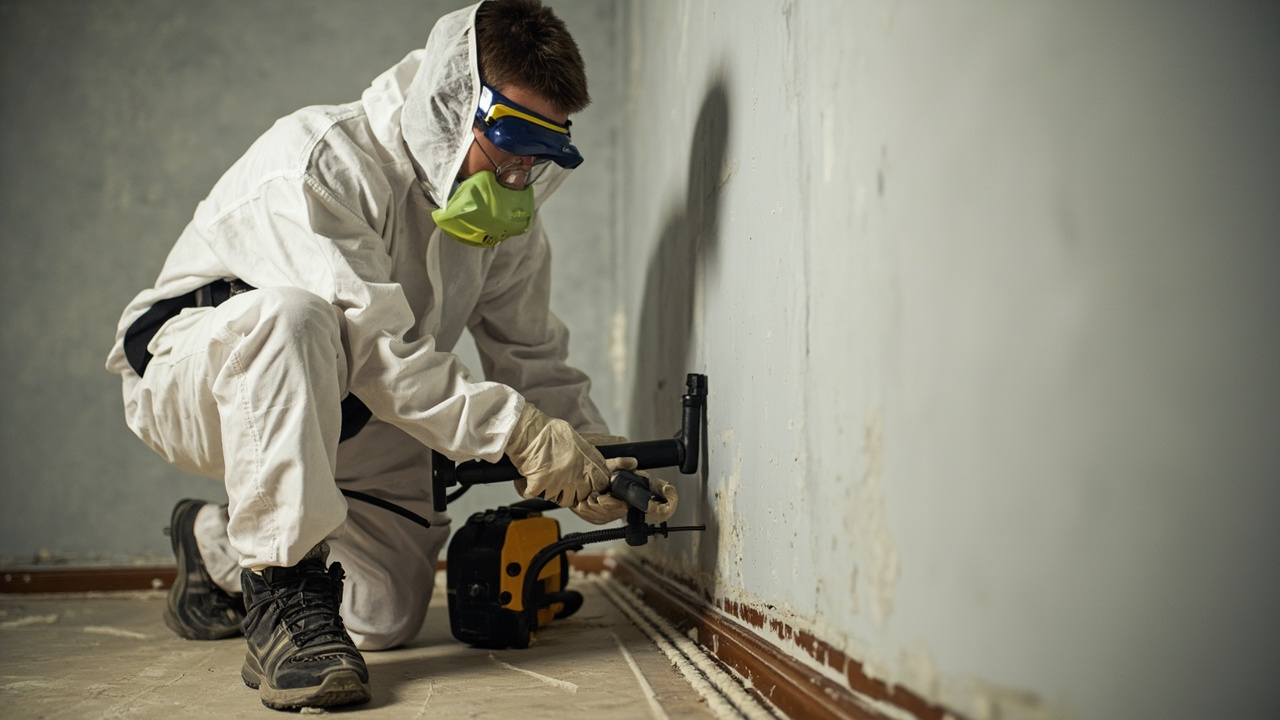
- Commission full remediation, not surface cleaning. Wiping visible mold with bleach does not solve a colony growing inside wall cavities or under flooring. Proper remediation involves containment, negative air pressure, physical removal of contaminated materials, HEPA vacuuming, and antimicrobial treatment of structural surfaces. Then the original moisture source gets addressed with waterproofing or drainage repair.
If the water damage that caused the mold was covered by an insurance event like a sewer backup or storm flooding, you may have a claim available. Review the steps in how to get your Detroit home insurance to actually pay for water restoration before you write off that option.

Humidity Thresholds and Mold Growth Reference for Pet Owners
The single most controllable factor in your basement is relative humidity. Keep it below 50 percent and mold has a very hard time establishing. Let it climb above 60 percent and you’re in a race you’re already losing.
A quality digital hygrometer costs very little and tells you your basement’s humidity in real time. If your readings are consistently above 55 percent, run a dehumidifier and check for active water intrusion sources. Cracks in the foundation wall, a failed sump pump, or inadequate gutter drainage can all push moisture into your basement without any visible flooding event.
For homes in Ferndale and surrounding communities in Oakland County, the combination of clay soil (which holds water against foundation walls) and older block foundation construction means even minor exterior drainage problems create significant interior moisture. This is the environmental context that makes Detroit-area basements different from newer construction in other regions.
If you’ve recently dealt with a water intrusion event and you’re wondering whether your flooring materials survived, the same principles that apply to basement floors apply elsewhere. The guidance in deciding whether wet carpet can be saved or needs to go is directly relevant to basement carpet decisions after any moisture event.
Recognizing the Difference Between Allergies and Mold Sickness in Your Pet
Seasonal allergies and mold exposure can look similar on the surface. Both cause sneezing, itching, and runny eyes. The key distinction is pattern. Seasonal allergies follow pollen calendars and improve with antihistamines. Mold exposure symptoms are persistent, worsen over time, and don’t respond to standard allergy treatment.
If your pet’s symptoms are better when they’re away from the house (at a boarding facility, a family member’s home, or during travel) and worse when they come back, that’s a strong signal the cause is inside your home. The improvement away and return of symptoms upon coming back is one of the clearest diagnostic indicators veterinary toxicologists use to confirm environmental mold exposure.
Document the pattern. Write down symptom onset dates, severity, and any changes in your pet’s environment. Your vet and your remediation contractor both need this timeline.
After Remediation, Reintroduce Your Pet Carefully
Once remediation is complete, don’t rush your pet back into the treated space. A post-remediation air quality clearance test by an independent party should confirm spore counts are at normal background levels before your pet returns. This test is separate from the remediation contractor’s own verification and is considered best practice under IICRC S520 standards.
Keep in mind that your pet’s respiratory system may need time to recover. Follow your vet’s guidance on monitoring symptoms even after the mold source is gone. Some animals need several weeks to show improvement once exposure stops.
If the mold event involved significant water damage to structural materials, address the full repair scope. Decisions about what gets replaced versus dried in place affect long-term air quality. The same reasoning that applies to hardwood floors applies to basement subfloors. The process described in saving hardwood floors after a significant water leak gives you a useful framework for understanding how restoration professionals make those calls.
When to Call a Certified Remediation Professional
If mold growth covers more than 10 square feet, the EPA recommends professional remediation. In practice, any mold found in a Detroit basement that involves finished walls, carpet, or HVAC systems should go to an IICRC-certified contractor. The scope is almost always larger than what’s visible, and the health stakes when pets and children are involved are too high for guesswork.
An IICRC S520-compliant remediation includes a formal written scope of work, containment barriers to prevent cross-contamination during removal, proper disposal of contaminated materials, and a post-remediation verification test. Ask for all of these in writing before work begins.
If your mold situation traces back to a prior water damage event that may have been covered under homeowners insurance, get the documentation together. Many Detroit-area homeowners who went through Corktown flooding events have found that properly documented claims cover remediation costs they assumed they’d be paying out of pocket. The process is explained in detail for filing a successful water damage insurance claim for your Corktown home.
Your pet noticed the problem before you did. That’s worth taking seriously. The mold won’t go away on its own, and it will keep affecting both your pet and eventually your family the longer it stays. Get the source identified, get a certified professional involved, and get your home tested to confirm the environment is safe before your dog goes back to sleeping in the basement.
If you have questions about a specific water damage or mold situation in your Detroit-area home, contact a certified restoration professional for an assessment. An honest assessment costs far less than the health consequences of untreated mold exposure.
{
“@context”: “https://schema.org”,
“@type”: “BlogPosting”,
“headline”: “Why Your Ferndale Dog Might Be Getting Sick From Hidden Mold in the Basement”,
“description”: “Mold exposure symptoms in pets are easy to miss. Detroit pet owners—learn how hidden basement mold harms dogs, cats, and birds before you do.”,
“wordCount”: 2284,
“datePublished”: “2026-05-06T05:25:00.000Z”,
“dateModified”: “2026-05-06T05:25:00.000Z”,
“inLanguage”: “en-US”,
“mainEntityOfPage”: {
“@type”: “WebPage”,
“@id”: “https://ironwoodwaterdamagerestorationdetroit.com”
},
“publisher”: {
“@type”: “LocalBusiness”,
“name”: “Ironwood Water Damage Restoration Detroit”,
“url”: “https://ironwoodwaterdamagerestorationdetroit.com”
},
“author”: {
“@type”: “Organization”,
“name”: “Ironwood Water Damage Restoration Detroit”,
“url”: “https://ironwoodwaterdamagerestorationdetroit.com”
},
“image”: {
“@type”: “ImageObject”,
“url”: “https://ironwoodwaterdamagerestorationdetroit.com/wp-content/uploads/2026/03/is-your-ferndale-dog-getting-sick-because-of-hidde-1.jpg”
}
}
{
“@context”: “https://schema.org”,
“@type”: “LocalBusiness”,
“name”: “Ironwood Water Damage Restoration Detroit”,
“url”: “https://ironwoodwaterdamagerestorationdetroit.com”,
“address”: {
“@type”: “PostalAddress”,
“addressLocality”: “Detroit”
},
“areaServed”: {
“@type”: “City”,
“name”: “Detroit”
}
}
{
“@context”: “https://schema.org”,
“@type”: “BreadcrumbList”,
“itemListElement”: [
{
“@type”: “ListItem”,
“position”: 1,
“name”: “Home”,
“item”: “https://ironwoodwaterdamagerestorationdetroit.com”
},
{
“@type”: “ListItem”,
“position”: 2,
“name”: “Blog”,
“item”: “https://ironwoodwaterdamagerestorationdetroit.com/blog”
},
{
“@type”: “ListItem”,
“position”: 3,
“name”: “Why Your Ferndale Dog Might Be Getting Sick From Hidden Mold in the Basement”
}
]
}
{
“@context”: “https://schema.org”,
“@type”: “Service”,
“serviceType”: “Water Damage Restoration”,
“provider”: {
“@type”: “LocalBusiness”,
“name”: “Ironwood Water Damage Restoration Detroit”,
“url”: “https://ironwoodwaterdamagerestorationdetroit.com”
},
“areaServed”: {
“@type”: “City”,
“name”: “Detroit”
},
“description”: “Mold exposure symptoms in pets are easy to miss. Detroit pet owners—learn how hidden basement mold harms dogs, cats, and birds before you do.”
}