
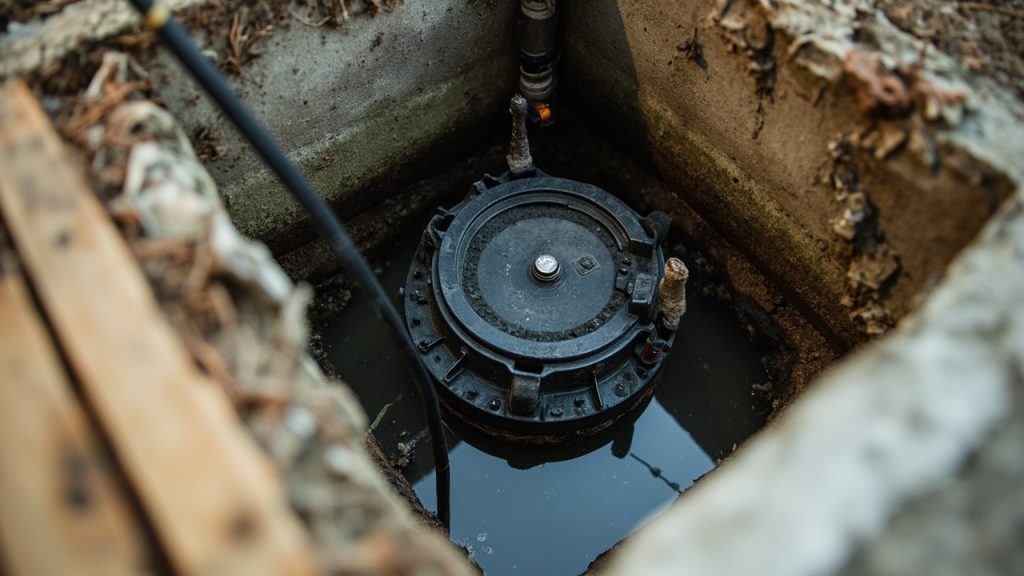
That rotten egg smell coming from your sump pump basin is not something you ignore. It could be a simple bacteria problem you can fix this afternoon, or it could be a sewer gas situation that needs a professional today. Knowing the difference matters.
In Grosse Pointe Woods and throughout the greater Detroit metro, basements deal with a unique combination of aging clay sewer pipes, high seasonal groundwater, and a combined sewer system that creates odor problems most homeowners outside Southeast Michigan never encounter. This guide walks you through every cause, every fix, and every warning sign.
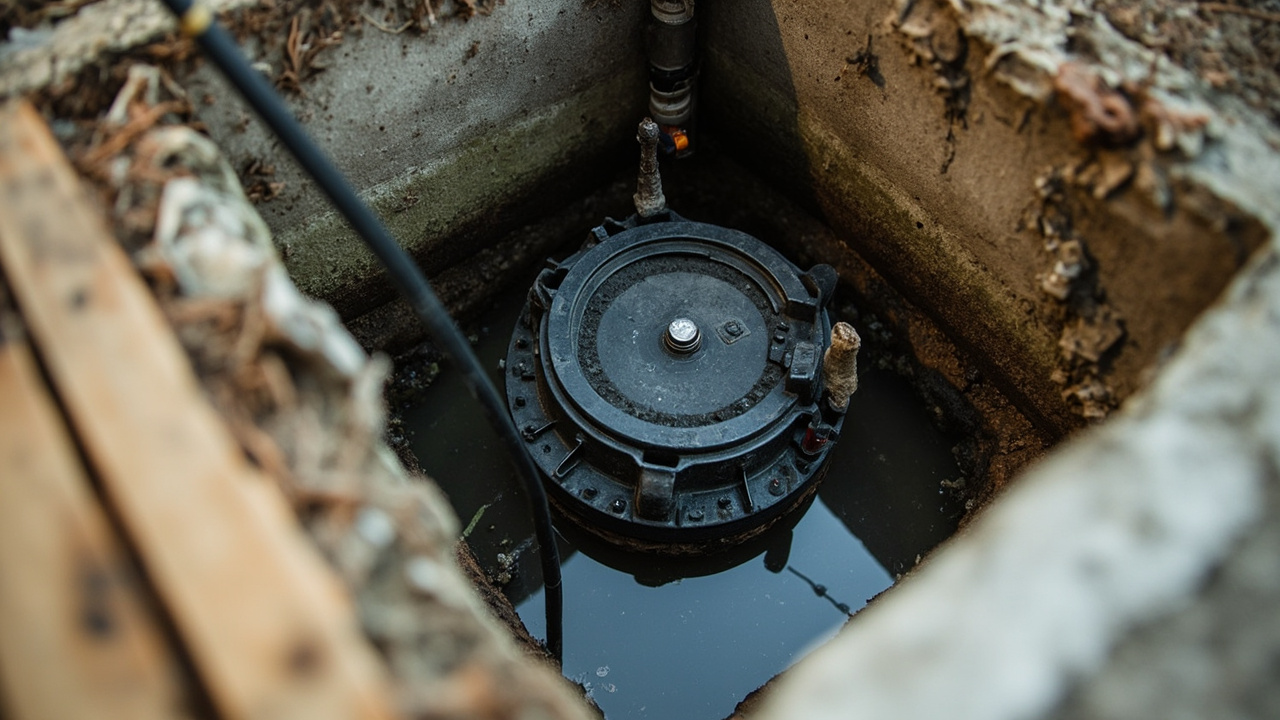
Safety First: Is That Rotten Egg Smell Dangerous?
Before you touch anything, you need to rule out two hazards. Both can smell like rotten eggs. One is a serious inconvenience. The other is a life-threatening emergency.
Hydrogen Sulfide (Sewer Gas)
Hydrogen sulfide, or H2S, is produced when organic matter decays in an oxygen-limited environment. Your sump pit is exactly that kind of environment. H2S has a distinct rotten egg odor even at very low concentrations, around 0.5 parts per million. At concentrations above 100 ppm, it stops smelling and becomes acutely dangerous.
Sewer gas is the most common cause of rotten egg odors near sump pumps in older Detroit-area homes. It is not immediately life-threatening at low levels, but chronic exposure causes headaches, nausea, and respiratory irritation. Proper ventilation and source correction fix the problem.
Natural Gas (Methane)
Utility companies add mercaptan to natural gas to give it that rotten egg or sulfur odor. If your smell is strong, sudden, and accompanied by a hissing sound near any gas line or appliance in your basement, do not troubleshoot. Leave immediately. Call 911 and then Detroit-area utility provider Michigan Gas Utilities from outside the building. Do not flip any light switches, use your phone inside, or go back in for any reason.
| Signal | Sewer Gas (H2S) | Natural Gas (Methane) |
|---|---|---|
| Smell intensity | Varies, often stronger near drain or pit | Strong, pervasive, spreads through entire space |
| Location of smell | Near sump basin, floor drains, or p-traps | Near gas appliances, meters, or gas lines |
| Hissing sound present? | No | Often yes |
| Immediate action | Ventilate, investigate source | Evacuate immediately, call 911 |
| Risk level | Low to moderate at typical indoor concentrations | Explosive and lethal at high concentrations |
If you have confirmed the smell is not from a gas appliance or gas line, continue reading. You are almost certainly dealing with a sewer gas or bacterial issue tied to your sump system.
4 Reasons Your Sump Pump Smells Like Rotten Eggs
1. Dry or Missing P-Trap on a Floor Drain
Many Grosse Pointe Woods basements have a floor drain near or connected to the sump system. That drain has a p-trap, a curved pipe section that holds a small amount of water to block sewer gases from rising up through the drain. When that trap dries out from infrequent use, the seal breaks, and H2S flows freely into your basement.
This is the number one cause of sump pump odor calls we receive from homeowners in the Lakeshore Drive corridor and neighborhoods bordering Lake St. Clair. The fix is simple: pour a gallon of water down each floor drain every couple of months to keep the trap wet. For drains that consistently dry out, a plumber can install a trap primer that automatically refills the seal.
2. Bacterial Growth in Stagnant Pit Water
If your sump pump sits idle for long stretches, the water in the basin goes stagnant. Sulfate-reducing bacteria thrive in low-oxygen, standing water. They metabolize sulfate compounds and produce H2S as a byproduct. The result is that classic rotten egg odor concentrated right at the pit.
Iron ochre bacteria are also common in Southeast Michigan due to the high iron content in local groundwater. These bacteria form orange or rust-colored slime on pump components and can contribute to sulfur odors as well. If you see that orange biofilm in your pit, you are likely dealing with iron ochre, and a thorough pit cleaning is necessary.
3. Sewer Line Backup or Cross-Connection
Detroit’s combined sewer system (CSS) moves both stormwater and sewage through the same pipes. During heavy rain events, which Southeast Michigan sees regularly from spring through early fall, the system can become overwhelmed. This hydraulic pressure can push sewer gas backward through floor drains, toilets, and any connected plumbing, including sump discharge lines that are improperly configured.
The Detroit Water and Sewerage Department (DWSD) manages the regional sewer infrastructure. If you suspect the odor is tied to a sewer backup at the main lateral or city connection, contact DWSD to report the issue. External lateral problems are their responsibility to investigate.
4. Sulfur-Rich Groundwater Infiltrating the Pit
Southeast Michigan’s glacial geology means some areas have groundwater with elevated sulfur compound concentrations. When this water saturates the soil around your foundation and seeps into your sump pit, it brings sulfur with it. The pit environment then amplifies the odor. This is more common in homes closer to industrial zones or areas with older fill soil, but it does occur in residential Grosse Pointe Woods properties too.

Step-by-Step Troubleshooting Guide
Work through these steps in order. Start simple before assuming the worst.
Step 1: Ventilate the Area
Open basement windows, run a box fan, and give the space 15 to 20 minutes of airflow before working near the pit. This keeps any accumulated gas concentration low while you investigate.
Step 2: Check and Prime All Floor Drains
Find every floor drain in the basement. Pour a full gallon of water into each one slowly. Wait five minutes. If the smell decreases noticeably after the water settles into the traps, a dry p-trap was your culprit. Keep those drains regularly primed going forward.
Step 3: Inspect the Sump Pit
Remove the pit cover and look inside with a flashlight. You are checking for these specific things:
- Orange or rust-colored slime on the pump housing (iron ochre bacteria)
- Dark, murky water with visible debris or organic material
- A visible film or foam on the water surface
- Cracks in the pit liner where soil or debris could enter
- A missing or damaged pit cover that allows evaporation and odor to escape
Step 4: Clean the Pit and Pump
Disconnect the pump’s power cord at the outlet. Use a wet/dry shop vac to remove standing water and debris from the pit. Scrub the pit walls and pump housing with a stiff brush. A mixture of distilled white vinegar and water works well for bacterial film. For heavy iron ochre buildup, a diluted citric acid solution breaks down the biofilm more effectively than vinegar alone.
Rinse thoroughly, reconnect power, and test the pump by pouring several gallons of water into the pit to trigger the float switch. Confirm water discharges properly.
Step 5: Check the Check Valve and Discharge Line
The check valve on your discharge pipe prevents water from flowing back into the pit after the pump shuts off. A failed check valve allows water to repeatedly cycle back, creating the warm, stagnant conditions bacteria love. Listen for the sound of water running back into the pit after the pump shuts off. That gurgling sound means the check valve is failing and needs replacement.
Also confirm the discharge line terminates at least 10 feet from your foundation and drains away from the home. A line that terminates too close can allow discharged water to re-infiltrate the soil around your foundation and return to the pit.
Step 6: Seal the Pit Cover
Many older submersible sump pump installations in Detroit-area homes have loose-fitting or missing pit covers. An airtight lid with a proper gasket keeps odors contained and prevents evaporation. Radon-rated pit covers are available at most hardware stores and provide the best seal for persistent odor problems.
| Cause | DIY Fix | Time Required | When to Call a Pro |
|---|---|---|---|
| Dry p-trap | Pour water into floor drain | 5 minutes | If trap keeps drying (install trap primer) |
| Bacterial growth in pit | Clean pit, scrub pump, replace cover | 1 to 2 hours | If odor returns within days |
| Failed check valve | Replace check valve (mechanical skill needed) | 30 to 60 minutes | If discharge piping needs reconfiguration |
| Sewer line backup | None, do not attempt DIY | N/A | Immediately, call DWSD and a plumber |
| Sulfur-rich groundwater | Airtight pit cover, more frequent cycling | 1 hour | If odor persists or water table is rising |
| Iron ochre bacteria | Citric acid pit cleaning, pump maintenance | 2 to 3 hours | If pump performance is degraded |
Detroit-Specific Basement Challenges You Need to Understand
Southeast Michigan’s infrastructure creates basement water problems that homeowners in most other regions simply do not face. Understanding the local context helps you make smarter decisions about your home.
The Combined Sewer System Problem
Detroit’s CSS handles both sewage and stormwater in the same pipe network. During significant rain events, the volume overwhelms capacity. The system is designed to overflow at specific points rather than back up into homes, but that overflow pressure still creates sewer gas migration through connected plumbing. Grosse Pointe Woods sits on the outer edge of this service area, but the hydraulic effects during major storms are real and well-documented by DWSD.
The U.S. Environmental Protection Agency’s guidance on combined sewer overflows explains exactly how CSS pressure affects connected home plumbing. If you see this pattern, where the odor gets worse after rain events, your problem is almost certainly sewer gas migrating through the system rather than a localized bacterial issue in the pit itself.
Aging Clay Tile Sewer Laterals
Many Grosse Pointe Woods homes built before the 1970s still have original clay tile sewer laterals running from the house to the city main. Clay tile joints shift over decades, especially with Southeast Michigan’s freeze-thaw cycle. These micro-cracks allow both root intrusion and gas migration. A camera inspection of your lateral is worth doing if you have persistent sewer odors and an older home.
High Water Table After Snowmelt
Spring snowmelt combined with frozen ground creates rapid groundwater saturation across Wayne and Macomb Counties. Your sump pump works hardest from March through May. During this period, the pit may stay full for days at a time, creating extended anaerobic conditions that accelerate bacterial sulfur production. Increasing pit cleaning frequency during this season makes a measurable difference in odor control.
When a Rotten Egg Smell Means Water Damage Has Already Happened
Sometimes the odor you are chasing is not coming from the sump pit itself. It is coming from water damage in the surrounding basement structure. Mold growing inside wall cavities, on framing lumber, or under flooring produces organic compounds that can mix with basement humidity to create sulfur-like odors. If you have cleaned the pit thoroughly and the smell persists, look at the walls and floor around the pit for staining, efflorescence, or soft drywall.
Persistent sewer odors in combination with visible moisture staining or musty smells are a signal that water has been infiltrating your basement longer than you realized. This is the point where a professional assessment is not optional. The remediation required goes beyond pit cleaning.
If you are dealing with mold alongside your odor problem, read our breakdown of why bleach will not fix your basement mold and when to call a pro. Bleach on porous surfaces does not eliminate mold colonies, and a sump pit area is one of the worst places to attempt a bleach-based fix.
If water damage has already spread to finished areas of the basement, flooring decisions become urgent. Our guide on deciding whether wet carpet can be saved or needs replacement covers the assessment criteria professionals use to make that call.
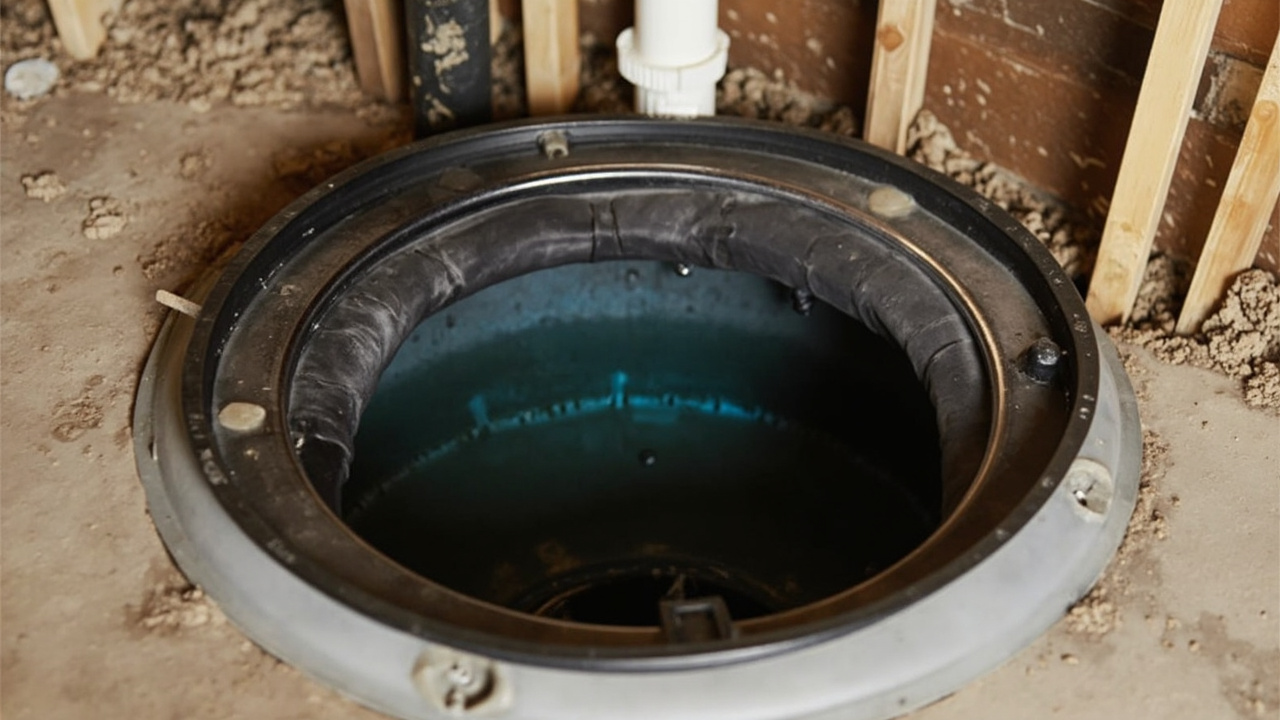
When to Call a Detroit Water Damage Specialist
DIY fixes work for dry traps and minor bacterial growth. They do not work for structural water infiltration, sewer line problems, or mold that has colonized building materials. Call a professional when you see any of these conditions.
- The odor returns within 48 to 72 hours of cleaning the pit
- You see sewage or dark water entering the pit from below or through wall seams
- There is visible mold on basement framing, drywall, or subfloor near the sump area
- The pit fills faster than normal during rain events, indicating drainage system problems
- You find soft or discolored wood around the pit, which signals long-term water contact
- The smell is strongest at toilets or floor drains rather than at the pit itself
IICRC-certified water damage restoration professionals carry the training and equipment to identify hidden moisture, map contamination zones, and remediate structural damage that homeowner inspection cannot detect. An IICRC certification is the industry standard you want to verify before hiring anyone for water damage work in your home.
If water damage has already progressed to your finished floors, the approach varies significantly by material. Our article on saving hardwood floors after a significant water leak covers the drying timelines and moisture thresholds that determine whether wood flooring can be saved or needs replacement.
Sump Pump Odors and Your Homeowner’s Insurance
Most standard homeowner’s insurance policies in Michigan do not cover sump pump failure or sewer backup unless you have added a specific endorsement. If the rotten egg smell you are tracking turns out to be evidence of a larger water intrusion event, knowing your coverage before you file a claim matters enormously.
Read through our full guide on how to get your Detroit home insurance to actually pay for water restoration before you call your adjuster. The documentation you collect during the investigation phase of a sump problem can either support or undermine a future claim, and most homeowners do not know this until it is too late.
For homeowners in nearby areas who have already experienced water damage and need help with the claims process, our guide on filing a successful water damage insurance claim walks through exactly what documentation adjusters require.
Keeping Your Grosse Pointe Woods Basement Odor-Free Long-Term
Preventing the rotten egg smell from returning is mostly about consistent maintenance and understanding your specific home’s vulnerabilities. Homes in Grosse Pointe Woods that sit on lower-lying ground relative to Lake St. Clair or near any of the drainage ditches running through the township have higher baseline groundwater pressure than homes on slightly elevated lots. That pressure affects how often your pump cycles and how quickly stagnant conditions develop in the pit.
Set a maintenance schedule and follow it. Clean the pit at least twice per year: once in late spring after the high-water season and once in early fall before winter. Prime all floor drains every 60 days. Test your check valve function every season. Inspect the pit cover gasket for compression and cracking annually.
If your pump is more than eight years old, budget for replacement before failure. A pump that runs slowly, cycles too frequently, or makes grinding sounds is telling you it is near the end of its service life. A backup pump or battery backup system is worth the investment in any Southeast Michigan home that relies on the sump to keep the basement dry through storm season.
A rotten egg smell from your sump pump is your basement trying to tell you something. Listen to it early, diagnose it correctly, and you can fix most causes yourself in an afternoon. Wait until the smell is overwhelming, or until you see water where it should not be, and the fix becomes significantly more involved. If you are past the DIY stage or want a professional assessment, call a Detroit-area water damage specialist who knows the local soil, the local sewer system, and what Southeast Michigan basements actually look like from the inside.
{
“@context”: “https://schema.org”,
“@type”: “BlogPosting”,
“headline”: “Why Your Grosse Pointe Woods Sump Pump Smells Like Rotten Eggs (And How to Fix It)”,
“description”: “Sump pump smells like rotten eggs in Grosse Pointe Woods? Learn the real causes, safety checks, and fixes from a Detroit water damage expert.”,
“wordCount”: 2597,
“datePublished”: “2026-07-06T08:26:00.000Z”,
“dateModified”: “2026-07-06T08:26:00.000Z”,
“inLanguage”: “en-US”,
“mainEntityOfPage”: {
“@type”: “WebPage”,
“@id”: “https://ironwoodwaterdamagerestorationdetroit.com”
},
“publisher”: {
“@type”: “LocalBusiness”,
“name”: “Ironwood Water Damage Restoration Detroit”,
“url”: “https://ironwoodwaterdamagerestorationdetroit.com”
},
“author”: {
“@type”: “Organization”,
“name”: “Ironwood Water Damage Restoration Detroit”,
“url”: “https://ironwoodwaterdamagerestorationdetroit.com”
},
“image”: {
“@type”: “ImageObject”,
“url”: “https://ironwoodwaterdamagerestorationdetroit.com/wp-content/uploads/2026/03/why-your-grosse-pointe-woods-sump-pump-smells-like-1.jpg”
}
}
{
“@context”: “https://schema.org”,
“@type”: “LocalBusiness”,
“name”: “Ironwood Water Damage Restoration Detroit”,
“url”: “https://ironwoodwaterdamagerestorationdetroit.com”,
“address”: {
“@type”: “PostalAddress”,
“addressLocality”: “Detroit”
},
“areaServed”: {
“@type”: “City”,
“name”: “Detroit”
}
}
{
“@context”: “https://schema.org”,
“@type”: “FAQPage”,
“mainEntity”: [
{
“@type”: “Question”,
“name”: “Safety First: Is That Rotten Egg Smell Dangerous?”,
“acceptedAnswer”: {
“@type”: “Answer”,
“text”: “Before you touch anything, you need to rule out two hazards. Both can smell like rotten eggs. One is a serious inconvenience. The other is a life-threatening emergency.”
}
}
]
}
{
“@context”: “https://schema.org”,
“@type”: “BreadcrumbList”,
“itemListElement”: [
{
“@type”: “ListItem”,
“position”: 1,
“name”: “Home”,
“item”: “https://ironwoodwaterdamagerestorationdetroit.com”
},
{
“@type”: “ListItem”,
“position”: 2,
“name”: “Blog”,
“item”: “https://ironwoodwaterdamagerestorationdetroit.com/blog”
},
{
“@type”: “ListItem”,
“position”: 3,
“name”: “Why Your Grosse Pointe Woods Sump Pump Smells Like Rotten Eggs (And How to Fix It)”
}
]
}
{
“@context”: “https://schema.org”,
“@type”: “Service”,
“serviceType”: “Water Damage Restoration”,
“provider”: {
“@type”: “LocalBusiness”,
“name”: “Ironwood Water Damage Restoration Detroit”,
“url”: “https://ironwoodwaterdamagerestorationdetroit.com”
},
“areaServed”: {
“@type”: “City”,
“name”: “Detroit”
},
“description”: “Sump pump smells like rotten eggs in Grosse Pointe Woods? Learn the real causes, safety checks, and fixes from a Detroit water damage expert.”
}