
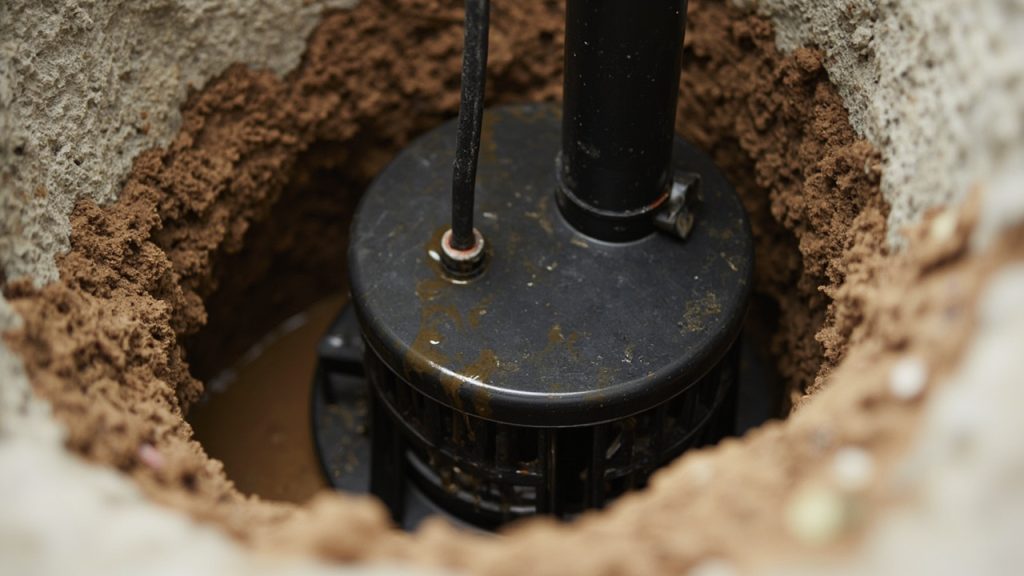
Mud in Your Sump Pump Pit? Causes, Risks, and Solutions for Detroit Homeowners
If you pulled back the lid on your sump pump basin and found a thick layer of silt or mud sitting at the bottom, you are not looking at a minor inconvenience. You are looking at a pump that is weeks away from burning out. In Warren and across the greater Detroit metro, this is one of the most common reasons basements flood even when a sump pump was installed and running.
Detroit sits on some of the most problematic soil in the Midwest. Heavy clay content, a high water table, and decades of freeze-thaw cycles create conditions where sediment migration into your sump pit is almost inevitable. The good news is that it is fixable. The bad news is that ignoring it has a very specific and expensive outcome.
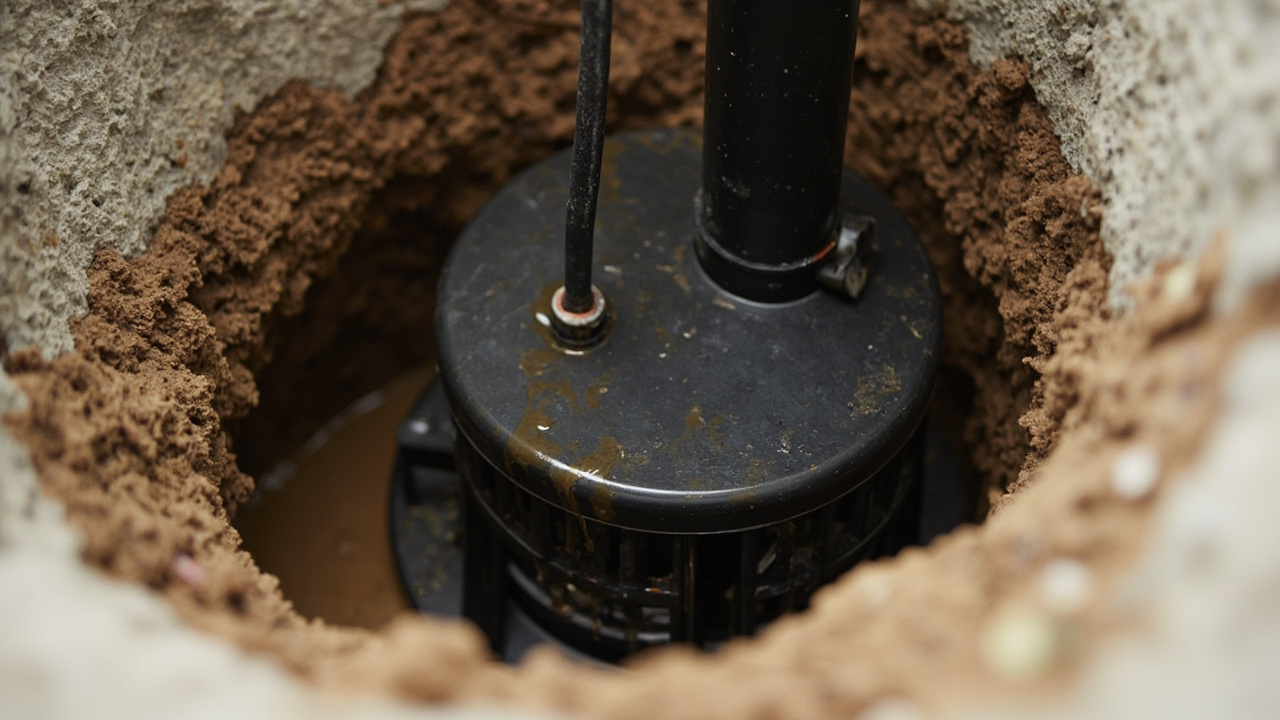
Why Mud Gets Into Your Sump Pump Basin
The short answer is that your pit liner is either missing, cracked, or improperly installed. The long answer involves understanding how water moves through Detroit-area soil.
Warren sits on a glacial till layer with heavy clay composition. When groundwater rises due to rain saturation or snowmelt, it does not just travel downward. It moves laterally under pressure, carrying fine silt particles with it. That water finds the path of least resistance, which is typically straight into your sump basin through gaps, cracks, or the unprotected bottom of the pit.
The Most Common Entry Points for Soil Infiltration
- Cracked or deteriorating plastic pit liners that have shifted from hydrostatic pressure
- Perforated liners without a filter fabric or geotextile sleeve to block fine particles
- No liner at all, which is common in homes built before current basement waterproofing standards
- Foundation drainage tile (weeping tile) that has collapsed or broken, flushing debris into the pit
- Gaps around the discharge line where it exits the basin
- A gravel bed that has compacted over time, losing its filtration function
Homes in older Warren neighborhoods, as well as areas like Center Line and East Detroit, are especially prone to this problem. Many of these homes were built with minimal drainage infrastructure, and the existing systems have had decades to degrade.
According to the U.S. Environmental Protection Agency’s moisture control guidance, uncontrolled water intrusion in basements is a leading driver of mold growth and structural deterioration. A muddy sump pit is exactly the kind of uncontrolled intrusion they are describing.
What Sediment Buildup Actually Does to Your Pump
This is where homeowners often underestimate the risk. A little mud at the bottom of the pit seems harmless. In reality, it starts a chain reaction that ends with a flooded basement.
Sump pumps, whether submersible or pedestal style, are not designed to handle solids. Most residential submersible pumps have an impeller clearance of only a few millimeters. Even fine silt particles can clog that impeller, reduce flow rates, and force the motor to work harder to move the same volume of water.
The Mechanical Failure Sequence
First, the impeller begins collecting sediment. The pump’s gallons-per-hour (GPH) output drops, so it runs longer to clear each cycle. Longer run times generate more heat. More heat accelerates wear on the motor bearings and the mechanical float switch. The float switch gets coated in sediment and either sticks in the off position (pump never activates) or the on position (pump runs dry and burns out).
A pump that burns out during a heavy Detroit rain event is not a pump at all. It is just a piece of plastic sitting in a hole while your basement fills with water.
Beyond the mechanical failure, standing muddy water in the pit creates ideal conditions for bacterial growth and mold. If your pump does fail and water spreads across the basement floor, that contaminated water soaks into drywall, framing, and carpet within hours. If you have dealt with mold issues in the past, you may want to read about why bleach won’t fix your Ferndale basement mold before you assume a simple cleanup will be enough.
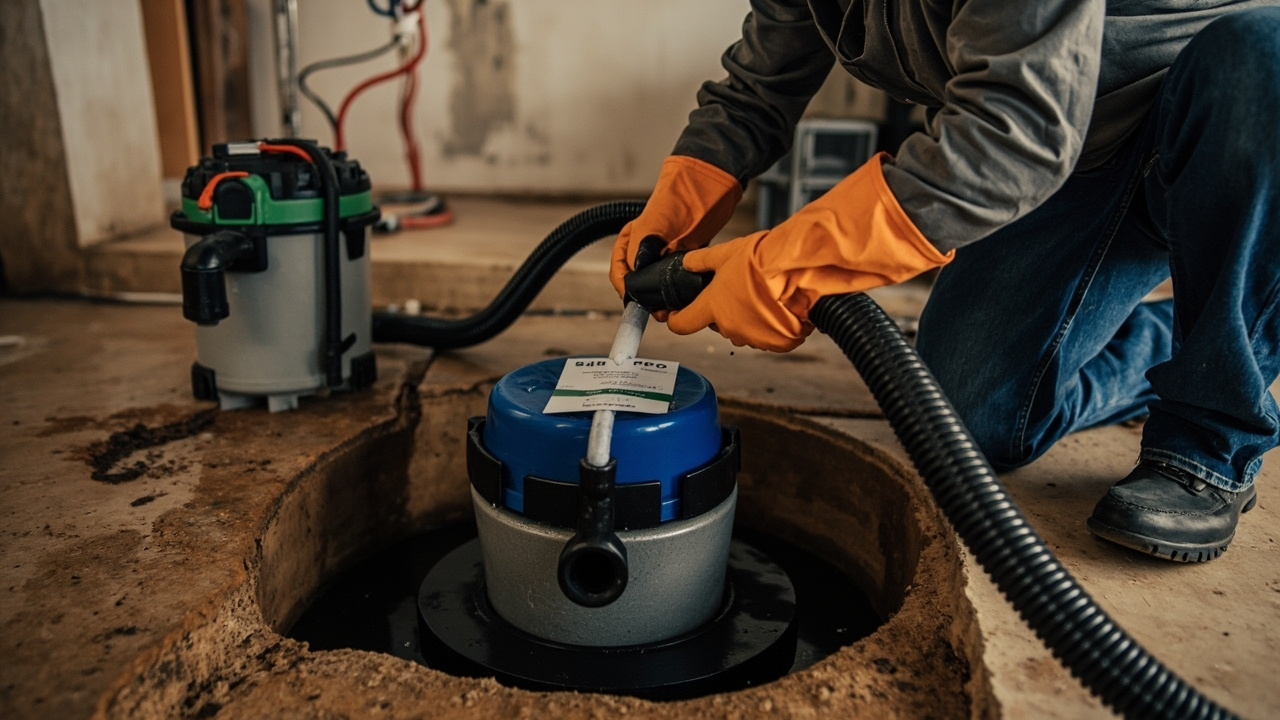
How to Clean a Muddy Sump Pump Pit Yourself
If the pit liner is intact and the pump is still functional, a thorough cleaning is a legitimate DIY task. Take it seriously. Do it wrong and you just redistribute the problem.
What You Need Before You Start
- Heavy rubber gloves and eye protection
- A wet-dry shop vacuum with a fine particle filter
- A bucket, a stiff-bristle brush, and a garden hose
- A plastic scraper or putty knife for caked sediment
- A submersible pump test cord (optional but helpful)
Step-by-Step Pit Cleaning Process
- Unplug the sump pump completely from the wall outlet. Do not skip this. Water and electricity in close proximity is the only way this job becomes dangerous.
- Disconnect the discharge line from the pump if it is easily accessible. This gives you room to work and prevents backflow from re-muddying the pit during cleaning.
- Lift the pump out of the basin and set it on a plastic sheet or old towel. Inspect it closely for cracks, corrosion on the housing, or visible damage to the float arm.
- Use the shop vacuum to remove standing water and loose sediment from the basin. Get as much solid material out as possible before introducing any water.
- Scrub the inside walls of the liner with the stiff brush. Pay attention to the bottom where silt compacts into a paste. Use the plastic scraper for anything caked on.
- Rinse the basin with a garden hose and vacuum out the dirty water. Repeat until the water you are vacuuming out runs relatively clear.
- Clean the pump itself by rinsing it thoroughly. Check that the impeller spins freely by hand. If it feels gritty or locked, sediment has packed the housing.
- Inspect the check valve on the discharge line. This one-way valve prevents water from draining back into the pit after each pump cycle. If it is clogged or cracked, replace it before reinstalling the pump.
- Reinstall the pump, reconnect the discharge line, and plug it back in. Pour a bucket of water into the pit to confirm the float switch activates the pump normally.
Plan for this job to take one to two hours for an average residential pit. If you are pulling out more than a few inches of solid mud, the underlying infiltration problem is serious enough to warrant a professional assessment.
Comparing Sump Pump Types and Their Vulnerability to Sediment
| Pump Type | Motor Location | Sediment Vulnerability | Best Fit for Detroit Clay Soil | Average Lifespan with Proper Maintenance |
|---|---|---|---|---|
| Submersible Pump | Inside sealed housing, submerged in pit | High. Impeller sits close to sediment layer | Yes, if combined with a proper gravel bed and filter fabric | 7 to 12 years |
| Pedestal Pump | Above the pit on a vertical shaft | Moderate. Intake at pit bottom still collects debris | Acceptable for shallower pits, easier to service | 10 to 15 years |
| Battery Backup Pump | Secondary submersible unit | Same as primary submersible, compounds if pit is dirty | Essential in Warren given frequent power outages during storms | 5 to 7 years on battery cycle |
| Water-Powered Backup Pump | No motor, uses municipal water pressure | Low. No impeller to clog | Limited use in areas with municipal water restrictions | Indefinite if supply line stays clean |
When the Problem Is Bigger Than a Dirty Pit
Cleaning the pit solves the symptom. It does not solve the cause. If mud is returning within a few weeks of cleaning, you have an active infiltration pathway that needs to be addressed at the source.
Signs that your situation needs professional intervention include the following. You find cracked or collapsed weeping tile during the cleaning process. The pit liner is cracked or has shifted out of position from hydrostatic pressure. There is evidence of water coming in through the foundation wall rather than through the drainage system. The pump motor has seized, the float is stuck, or there is visible burning on the housing.
An IICRC-certified restoration contractor will assess not just the pit but the full foundation drainage system. In Warren and Macomb County, where clay soil swells during wet seasons and shrinks in dry summers, foundation movement is a recurring issue that can continuously introduce new gaps for sediment to enter.
If a pump failure has already caused flooding, the damage assessment extends well beyond the sump pit. Wet basement situations can affect flooring throughout the space. If you have carpet affected by the water, read about deciding whether your wet carpet in Sterling Heights can be saved or needs to go for a clear framework on what is salvageable.
Preventing Mud Infiltration for Good in Detroit Clay Soil
The Detroit metro clay problem is not going away. The soil composition throughout Macomb and Wayne County is dominated by glacial lacustrine deposits, which means fine-grained, poorly draining material that stays saturated for extended periods after heavy rain. The USDA Web Soil Survey confirms that much of the residential land in Warren and surrounding communities falls into high clay content classifications that create chronic drainage challenges.
Here is what actually prevents mud from getting into your pit long-term.
Pit Liner Upgrades and Filter Fabric
A solid plastic liner with perforations only at appropriate drainage points is the foundation of a clean pit. The perforations should be wrapped with a geotextile filter fabric, also called a sock or sleeve, that allows water to pass through while blocking silt particles. This is standard in modern installations but frequently absent in older Warren homes.
Gravel Bed Replacement
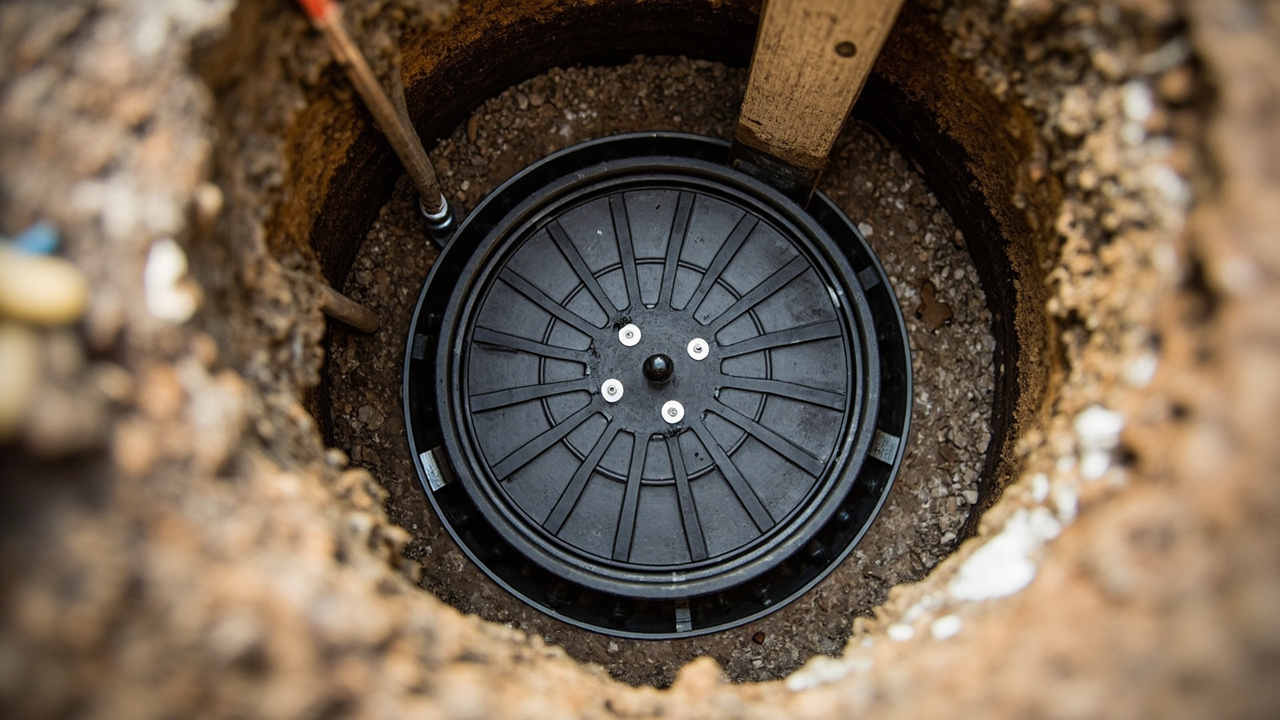
The pit should sit in a bed of clean, washed gravel, typically three-quarter inch stone. Over time, that gravel captures fine particles and loses its drainage capacity. Replacing the gravel bed every ten to fifteen years is inexpensive compared to replacing a pump or remediating a flooded basement.
Sealed Pit Covers
An airtight pit cover does more than keep debris out. It prevents radon gas from entering living spaces, reduces humidity in the basement, and protects the pump from accidental damage. Many older Detroit-area homes have open or loosely fitting covers that allow airborne dust and debris to settle directly onto the pump.
Annual Maintenance Scheduling
Set a reminder every spring, after the ground thaws and before heavy rain season. That is the highest-risk window in the Detroit area. The freeze-thaw cycle has already moved soil, cracked tile, and stressed your liner. Catching sediment accumulation in April is far cheaper than dealing with a pump failure in June.
Sediment Buildup Severity and the Right Response
| Sediment Depth in Pit | Pump Impact | Recommended Action | Urgency Level |
|---|---|---|---|
| Less than 1 inch | Minimal, float switch may still operate normally | DIY cleaning with shop vac, schedule annual maintenance | Low. Address within the month. |
| 1 to 3 inches | Impeller likely partially restricted, GPH output reduced | Full DIY cleaning, inspect liner and check valve | Moderate. Address within the week. |
| 3 to 6 inches | Float switch risk, motor running hot, impeller may be seized | Clean pit, test pump function, consider professional inspection of liner | High. Address immediately. |
| More than 6 inches or active mud flow | Pump likely compromised or failed, active infiltration pathway open | Professional assessment, possible liner replacement and foundation drainage repair | Critical. Same day. |
What Happens When the Pit Fails and Water Gets In
Once water escapes the pit and spreads across the basement floor, the clock starts. Drywall absorbs moisture within the first hour. Mold can establish in 24 to 48 hours under warm conditions. Structural framing begins to degrade over days and weeks.
If you are dealing with an active water damage situation after a sump pump failure, your next concern will be your insurance coverage. Sump pump failure claims have specific requirements and documentation needs. Understanding how to navigate that process before you file will save you significant frustration. The article on how to get your Detroit home insurance to actually pay for water restoration walks through exactly what documentation and language adjusters look for.
Macomb County homeowners in particular should also know that many standard homeowners policies exclude sump pump overflow unless a specific rider is in place. Check your policy before a storm season begins, not after the water is already in your basement.
Finding the Right Professional for a Sump System Overhaul
Not every plumber understands basement waterproofing systems, and not every waterproofing contractor understands water damage restoration. When sediment buildup has caused actual flooding, you need someone who is certified specifically in water damage remediation, not just drain cleaning or pump installation.
Look for IICRC certification, specifically the WRT (Water Damage Restoration Technician) or ASD (Applied Structural Drying) credentials. These certifications mean the technician understands moisture mapping, drying science, and the difference between surface dryness and structural dryness. That distinction matters when your basement framing has absorbed water for 48 hours.
A full sump system assessment from a qualified contractor should include evaluation of the pit liner condition, the foundation drainage tile, the discharge line routing and check valve function, and any visible signs of hydrostatic pressure damage on the basement walls. In Warren and the surrounding Macomb County communities, that last item, wall seepage from hydrostatic pressure, is more common than most homeowners realize.
If you are working through a flood situation and need to understand what is salvageable in your home, resources on materials like hardwood flooring and carpeting apply here. Water damage to finished basements in Warren follows predictable patterns, and knowing those patterns helps you make better decisions about what to restore versus what to replace.
A muddy sump pit is a warning. It is your drainage system telling you that the barriers between Detroit’s water-saturated clay soil and your basement are starting to fail. Take the warning seriously, clean the pit, and if the sediment keeps coming back, get a professional in to find the source before the next major storm does it for you.