
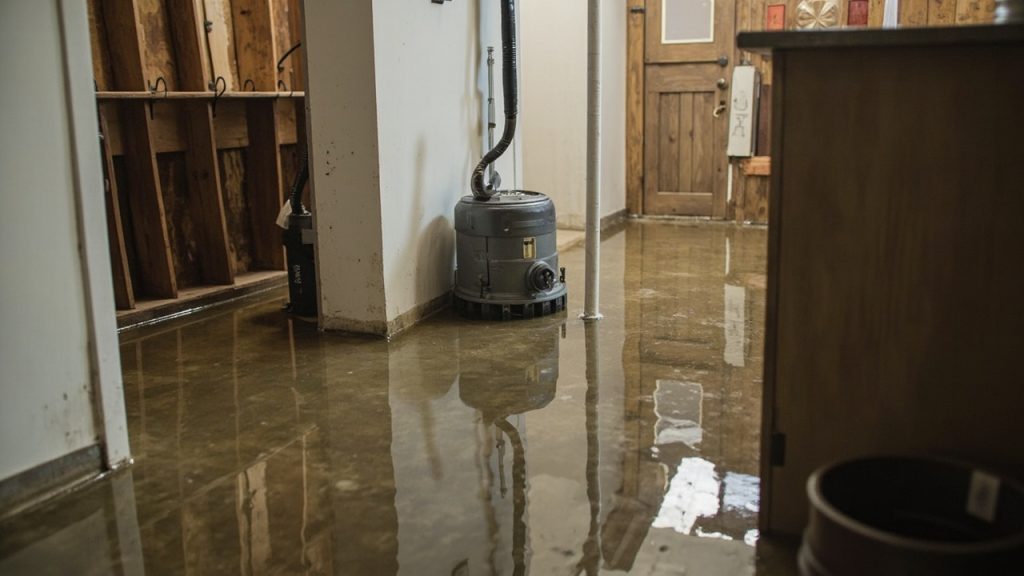
Woodhaven Basement Flooding Cleanup and Water Damage Restoration
Your basement is wet. The sky is clear. You haven’t seen rain in days. This is one of the most confusing and frustrating situations a Woodhaven homeowner can face, and it happens here far more often than people expect. The Downriver Detroit area sits on some of the most water-saturated ground in Wayne County, and that means your basement can flood without a single storm cloud overhead.
Understanding why this happens is the first step to stopping it. And if water is already in your basement right now, the clock is already running. Mold can begin colonizing wet materials within 24 to 48 hours.
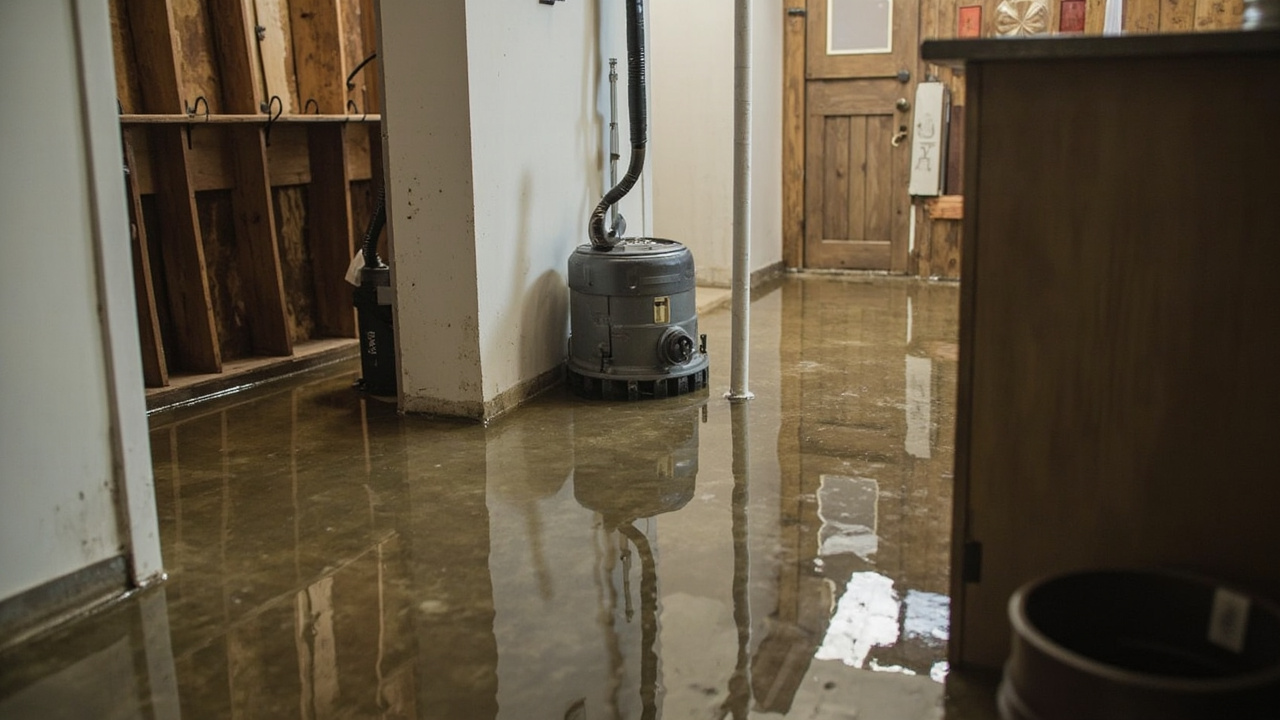
The Real Reason Woodhaven Basements Flood Without Rain
Woodhaven sits in the Downriver corridor along the western bank of the Detroit River, bordered by communities like Brownstown Township, Trenton, and Allen Park. The soil profile across this region is predominantly heavy clay. That clay doesn’t drain. It holds water like a bowl.
When seasonal groundwater rises, or when a significant rain event happened weeks ago and that water is still migrating laterally through the clay, it builds up hydrostatic pressure against your foundation walls and floor. That pressure doesn’t ask for permission. It finds every crack, every cold joint, every gap around your sump pump pit, and it pushes through.
This is called hydrostatic pressure intrusion, and it is the number one cause of non-storm basement flooding in Woodhaven and across the Downriver area.
Other Non-Rain Causes You Should Know
- Sump pump failure. The pump runs on electricity. A tripped breaker, a burned-out motor, or a stuck float switch means the water that normally gets pumped out is now pooling at the lowest point of your basement.
- Sewer backup. The Wayne County combined sewer system serves much of the Downriver area. During high-demand periods, sewage and groundwater can back up through your floor drain. This is Category 3 black water, which is the most hazardous classification under IICRC standards.
- Water heater or HVAC condensate failure. A corroded water heater tank or a blocked condensate drain line can release significant water gradually and silently.
- Lateral sewer line cracks. Tree roots from the mature trees common along Woodhaven residential streets infiltrate older clay lateral lines and cause slow, recurring backups.
- Window well drainage failure. Clogged window well drains direct water straight to your foundation wall rather than away from it.
- Neighboring lot grading. If a nearby property was recently developed or re-graded, it can redirect surface and subsurface water toward your foundation.
What the Ground Under Woodhaven Is Actually Doing
The U.S. Geological Survey documents that Southeast Michigan sits above a shallow water table that fluctuates significantly with seasonal patterns and regional groundwater recharge. In spring and after prolonged wet periods, the water table in Woodhaven can rise to within a few feet of the basement floor slab.
Your basement floor is typically poured concrete, but concrete is not waterproof. It is porous. With enough hydrostatic pressure beneath it, water will seep up through the slab itself, appearing as general dampness or even small pools with no obvious point of entry. Homeowners often assume a pipe broke. It didn’t. The ground is simply full.
The Ecorse Creek watershed, which drains through parts of Allen Park, Lincoln Park, and adjacent areas before reaching the Detroit River, contributes to this regional groundwater saturation. Proximity to that drainage corridor amplifies flooding risk for properties on the western and southern edges of Woodhaven near the Brownstown border.
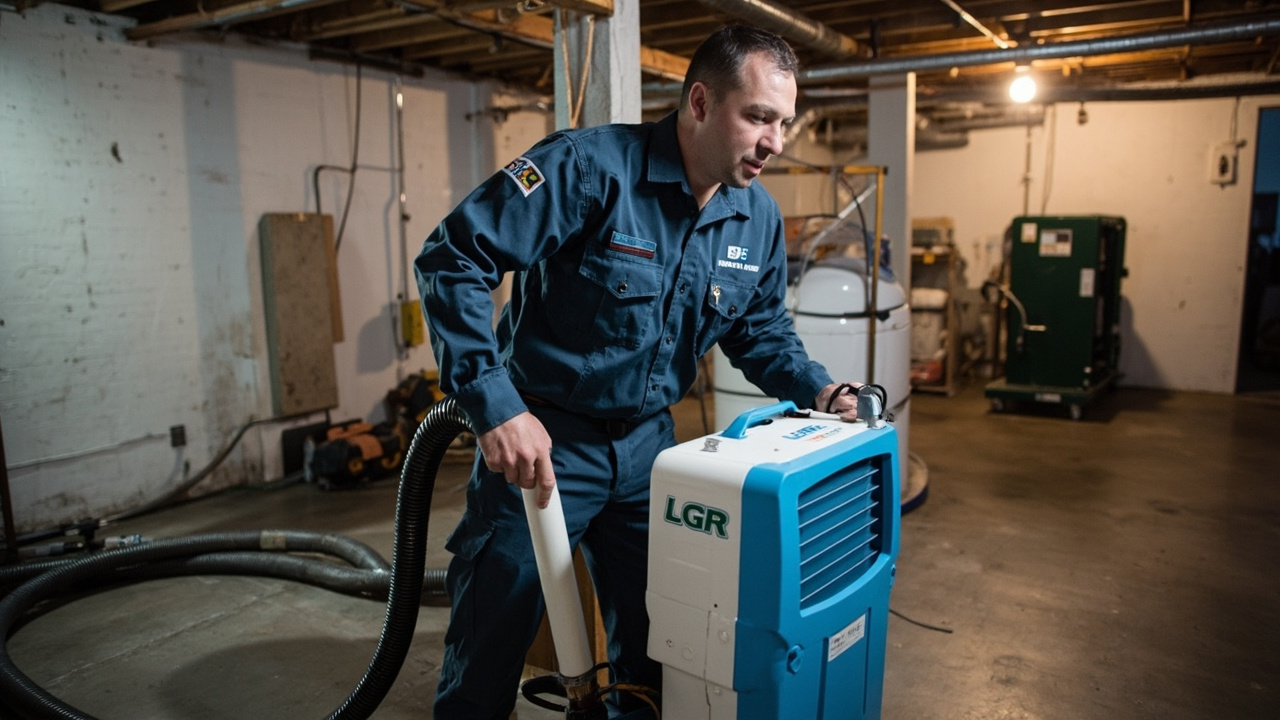
Sump Pump Failure in Woodhaven Is More Common Than You Think
Most homes in Woodhaven were built with sump pits and pumps. The problem is that many of those pumps are original equipment or were replaced with consumer-grade units. A standard pedestal or submersible sump pump has an average operational lifespan of seven to ten years under normal cycling loads. When the water table is chronically elevated, those pumps run more frequently, and they wear out faster.
A pump that ran fine all summer can fail on the first cold night in November when the ground freezes at the surface but water continues migrating below. There’s no warning. The pit fills. The basement floods.
Here’s what a sump pump failure response timeline looks like versus what you need to do to protect your property.
| Time After Failure | What Is Happening | Risk Level |
|---|---|---|
| 0 to 1 hour | Water enters pit and begins spreading across floor | Low to Moderate |
| 1 to 6 hours | Water saturates drywall base, carpet pad, and any stored items | Moderate to High |
| 6 to 24 hours | Structural materials absorb water, mold spores begin activation | High |
| 24 to 48 hours | Active mold growth begins on wet organic materials | Severe |
| 48 hours or more | Structural damage, full mold remediation likely required | Critical |
Understanding Water Categories and Why They Change Everything
Not all basement water is the same. The IICRC (Institute of Inspection, Cleaning and Restoration Certification) classifies water damage into three categories, and that classification determines how aggressive the remediation needs to be.
Category 1 is clean water from a supply line or fresh groundwater intrusion with no contamination. Category 2 is gray water, which contains biological or chemical contaminants, often from appliance failures or condensate. Category 3, known as black water, includes sewage backup and flood water that has contacted soil or waste. Any basement flooding from a Wayne County sewer backup falls into Category 3 automatically.
This matters because Category 3 water cannot be dried in place. All porous materials that contacted it, including carpet, drywall, and insulation, must be removed and disposed of. You cannot dry sewage out of drywall. Attempting to do so is a mold and health hazard.
If you’re unsure what category your water is, treat it as Category 3 until a certified technician tests and confirms otherwise.
The Structural Drying Process That Actually Works
Once water extraction is complete, the job is not done. Wet framing, subfloor, and concrete store moisture long after surface water is removed. That hidden moisture feeds mold and compromises structural integrity.
Professional structural drying uses a combination of equipment calibrated to the square footage and material types in your basement. The goal is a documented dry standard, not just a space that feels dry to the touch.
| Equipment Type | Function | Typical Placement |
|---|---|---|
| LGR Dehumidifiers | Low-grain refrigerant units pull moisture from air at low humidity levels where standard dehumidifiers stop working | Central basement positions, one per zone |
| High-velocity Air Movers | Direct airflow across wet surfaces to accelerate evaporation into the air column | Along walls, under cabinets, across subfloor sections |
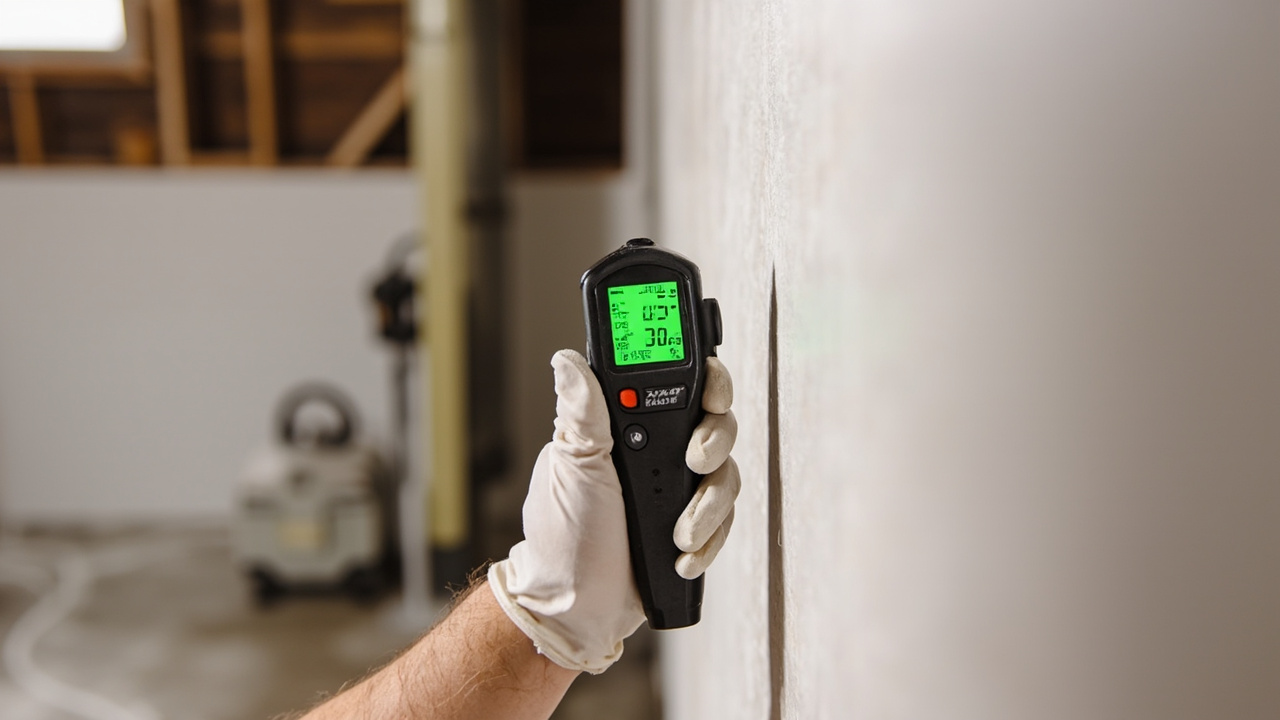
| Moisture Meters | Penetrating and non-penetrating meters read moisture content in wood, drywall, and concrete | Used at every monitoring check, typically daily |
| Thermal Imaging Cameras | Identify hidden moisture behind walls and under floors without destructive testing | Full perimeter scan at inspection and monitoring |
| Negative Air Machines with HEPA Filtration | Contain airborne contaminants and mold spores during Category 2 and 3 remediation | Exhaust to exterior, maintain contained work zone |
Drying timelines in a Woodhaven basement vary based on the class of water damage. A Class 1 loss, which involves minimal absorption into materials, can dry in two to three days. A Class 4 loss, where water has saturated dense materials like hardwood subfloor or concrete block walls, can take seven to ten days or more with proper equipment in place.
What Mold Actually Looks Like Before You Can See It
Most homeowners expect mold to be visible. The early stages often are not. Mold colonizes inside wall cavities, under flooring, and in insulation batt before it shows on any surface. The first sign is often a musty odor that’s hard to locate, or a family member with unexplained respiratory irritation.
If your Woodhaven basement flooded and was not professionally dried within 48 hours, you likely have mold growing somewhere in that space, even if you can’t see it. Bleach applied to visible mold on a surface does not reach the colony structure growing behind the drywall. For more on why surface treatments fall short, read why bleach won’t fix your Ferndale basement mold and when to call a pro.
How Your Homeowners Insurance Policy Handles Basement Flooding
Insurance coverage for basement flooding in Michigan depends heavily on the source of the water. This is one of the most misunderstood areas in residential water damage, and it costs Woodhaven homeowners money every year.
Standard homeowners insurance policies in Michigan typically cover sudden and accidental water damage from internal sources, like a burst pipe or failed water heater. They typically exclude groundwater intrusion, which is the most common cause of Woodhaven basement flooding. Flood insurance through the National Flood Insurance Program (NFIP) covers rising water from external sources, but it must be purchased separately before a loss event occurs.
Sewer backup is also typically excluded from standard policies unless you added a water backup endorsement. Many Wayne County homeowners don’t know they have this gap until they’re standing in a flooded basement.
If you’re navigating a claim right now, read how to get your Detroit home insurance to actually pay for water restoration before you call your adjuster. The documentation you provide at the outset has a direct impact on what gets paid.
For homeowners dealing with a sewer-related claim specifically, filing a successful water damage insurance claim covers the documentation and process steps in detail.
What Happens to Your Floors and Carpet When the Basement Floods
Basement flooring takes the full impact of any water event. Carpet and carpet pad are particularly problematic. The pad absorbs and holds water like a sponge. Even after surface extraction, a wet pad will continue releasing moisture upward into the carpet fiber and downward into the subfloor. In most Category 2 and Category 3 losses, carpet and pad must be removed.
Hardwood or engineered hardwood basement floors face cupping, warping, and delamination when wet. The question of whether flooring can be saved depends on how long it was wet, what category the water was, and how quickly drying began. If you have hardwood involved in your loss, this guide on saving hardwood floors after water damage explains the evaluation process. For carpet decisions, deciding whether your wet carpet can be saved or needs to go breaks down the specific criteria technicians use.
Steps to Take Right Now If Your Woodhaven Basement Has Water
If you are reading this because there is water in your basement right now, here is the immediate priority sequence.
- Do not enter a flooded basement if there is any chance of electrical contact. Shut off power to the affected area at the breaker panel before entering.
- If the water has a sewage odor or dark color, do not touch it without protective gear. Category 3 black water carries pathogens.
- Identify the source if you can do so safely. If it’s a sump pump failure and you have a backup pump or battery backup unit, deploy it.
- Call a water damage restoration company with 24/7 emergency response. The faster extraction begins, the lower your total damage and the better your documentation for insurance.
- Do not run your HVAC system to try to dry the space. Recirculating contaminated air spreads mold spores throughout the house.
- Document everything with photos and video before anything is moved or touched. This documentation is critical for your insurance claim.
- Move salvageable items to a dry area if it’s safe to do so.
Why Woodhaven Homes Are Particularly Vulnerable to Recurring Floods
Many Woodhaven residential streets were developed in the postwar era, meaning homes were built in the 1950s through the 1970s. The drainage infrastructure in these neighborhoods is aging alongside the homes. Older perimeter drain tile systems around foundations, often made from clay or early concrete sections, collapse or clog over decades. When they fail, the drainage layer around your foundation disappears and hydrostatic pressure builds unchecked.
The EPA’s green infrastructure guidance on managing wet weather highlights how aging combined sewer systems in communities like those across Wayne County increase basement flood risk during high-demand periods, even without active rainfall. This is the structural reality for Downriver neighborhoods, and it’s not going away.
If your basement has flooded more than once with no clear storm cause, you likely have a foundation drainage failure, a failing sump system, or a combination of both. That is a waterproofing and grading issue that needs to be addressed after the immediate water damage is resolved. A restoration company can document the source and refer you to the appropriate contractor for permanent remediation.
Get Your Basement Assessed and Your Damage Documented
If water is in your Woodhaven basement, you need a certified technician on site to assess the damage class, identify the water category, and begin extraction before mold takes hold. Every hour matters. The difference between a manageable remediation and a full gut-and-rebuild often comes down to how quickly a professional response began.
We serve Woodhaven and the surrounding Downriver communities including Trenton, Brownstown Township, Riverview, Southgate, and Allen Park. Our teams are IICRC certified in water damage restoration and applied structural drying. We respond 24 hours a day, seven days a week, because basement flooding does not wait for business hours.
Call us now for an immediate assessment. We document everything for your insurance claim and work directly with your adjuster so you’re not managing the paperwork alone while dealing with a flooded home.
{
“@context”: “https://schema.org”,
“@type”: “BlogPosting”,
“headline”: “Why Your Woodhaven Basement Floods Even When It Isn’t Raining”,
“description”: “Woodhaven basement flooding without rain? Learn the real causes — from high water tables to sump pump failure — and what to do right now.”,
“wordCount”: 2226,
“datePublished”: “2026-06-23T11:30:00.000Z”,
“dateModified”: “2026-06-23T11:30:00.000Z”,
“inLanguage”: “en-US”,
“mainEntityOfPage”: {
“@type”: “WebPage”,
“@id”: “https://ironwoodwaterdamagerestorationdetroit.com”
},
“publisher”: {
“@type”: “LocalBusiness”,
“name”: “Ironwood Water Damage Restoration Detroit”,
“url”: “https://ironwoodwaterdamagerestorationdetroit.com”
},
“author”: {
“@type”: “Organization”,
“name”: “Ironwood Water Damage Restoration Detroit”,
“url”: “https://ironwoodwaterdamagerestorationdetroit.com”
},
“image”: {
“@type”: “ImageObject”,
“url”: “https://ironwoodwaterdamagerestorationdetroit.com/wp-content/uploads/2026/03/why-your-woodhaven-basement-floods-even-when-it-is-1.jpg”
}
}
{
“@context”: “https://schema.org”,
“@type”: “LocalBusiness”,
“name”: “Ironwood Water Damage Restoration Detroit”,
“url”: “https://ironwoodwaterdamagerestorationdetroit.com”,
“address”: {
“@type”: “PostalAddress”,
“addressLocality”: “Detroit”
},
“areaServed”: {
“@type”: “City”,
“name”: “Detroit”
}
}
{
“@context”: “https://schema.org”,
“@type”: “BreadcrumbList”,
“itemListElement”: [
{
“@type”: “ListItem”,
“position”: 1,
“name”: “Home”,
“item”: “https://ironwoodwaterdamagerestorationdetroit.com”
},
{
“@type”: “ListItem”,
“position”: 2,
“name”: “Blog”,
“item”: “https://ironwoodwaterdamagerestorationdetroit.com/blog”
},
{
“@type”: “ListItem”,
“position”: 3,
“name”: “Why Your Woodhaven Basement Floods Even When It Isn’t Raining”
}
]
}
{
“@context”: “https://schema.org”,
“@type”: “Service”,
“serviceType”: “Water Damage Restoration”,
“provider”: {
“@type”: “LocalBusiness”,
“name”: “Ironwood Water Damage Restoration Detroit”,
“url”: “https://ironwoodwaterdamagerestorationdetroit.com”
},
“areaServed”: {
“@type”: “City”,
“name”: “Detroit”
},
“description”: “Woodhaven basement flooding without rain? Learn the real causes — from high water tables to sump pump failure — and what to do right now.”
}