




menu

How to Handle Insurance Claims in Detroit – Expert Guidance That Gets Your Water Damage Claim Approved Fast

Navigate the water damage insurance claim process with confidence. Our team provides step-by-step support for Detroit homeowners facing claim denials, coverage disputes, and complex restoration paperwork.

Slider Image 1
Slider Image 2
Slider Image 3
Slider Image 4
Slider Image 5
Slider Image 7
Slider Image 8
Slider Image 9
Slider Image 10
Slider Image 11

Why Detroit Water Damage Claims Get Denied More Often Than You Think

Insurance companies deny water damage claims in Detroit at alarming rates. The reason? Adjusters often cite delayed reporting, pre-existing conditions, or improper documentation. Detroit's aging housing stock, particularly in neighborhoods like Corktown and Indian Village, means many homes already have foundation vulnerabilities from decades of freeze-thaw cycles. When a pipe bursts during a January cold snap, insurers look for any excuse to link the damage to deferred maintenance rather than a sudden event.

The water damage insurance claim process becomes even harder when you do not understand policy exclusions. Most homeowners assume flooding from broken pipes is automatically covered. Wrong. If the adjuster determines the pipe failed due to wear rather than a covered peril, your claim gets rejected. Filing a water damage claim requires precise documentation from the moment you discover moisture. You need photographs, moisture readings, and a timeline that proves the damage happened suddenly.

Navigating water restoration claims in Detroit means dealing with local adjusters who know the common failure points in older homes. They scrutinize basement water intrusion carefully because many Detroit homes sit on clay soil that shifts with moisture. If you wait 48 hours to call a restoration company, the insurer will argue you allowed secondary damage to develop. Managing water mitigation claims starts the second you spot water. Every hour you delay gives the insurance company ammunition to reduce or deny your payout.

Detroit residents face another challenge: understanding actual cash value versus replacement cost coverage. Your policy might only pay the depreciated value of damaged materials unless you specifically purchased replacement cost coverage.

Why Detroit Water Damage Claims Get Denied More Often Than You Think
The Right Way to Document and File Your Water Damage Claim

The Right Way to Document and File Your Water Damage Claim

Filing a water damage claim successfully requires a specific sequence of actions. First, stop the water source if safe to do so. Then immediately photograph everything. Capture wide shots showing the affected rooms, close-ups of water pooling, and images of the source if visible. Take photos of your water meter to show unusual usage if a hidden leak is suspected. These images become your primary evidence when the adjuster questions the extent of damage.

Contact your insurance company within 24 hours, but do not let them pressure you into hasty decisions. When you call, stick to facts. State what happened, when you discovered it, and what immediate actions you took. Do not speculate about causes or admit to any maintenance failures. Write down the claim number, adjuster name, and every conversation detail. Insurance companies use recorded statements against policyholders who contradict themselves later.

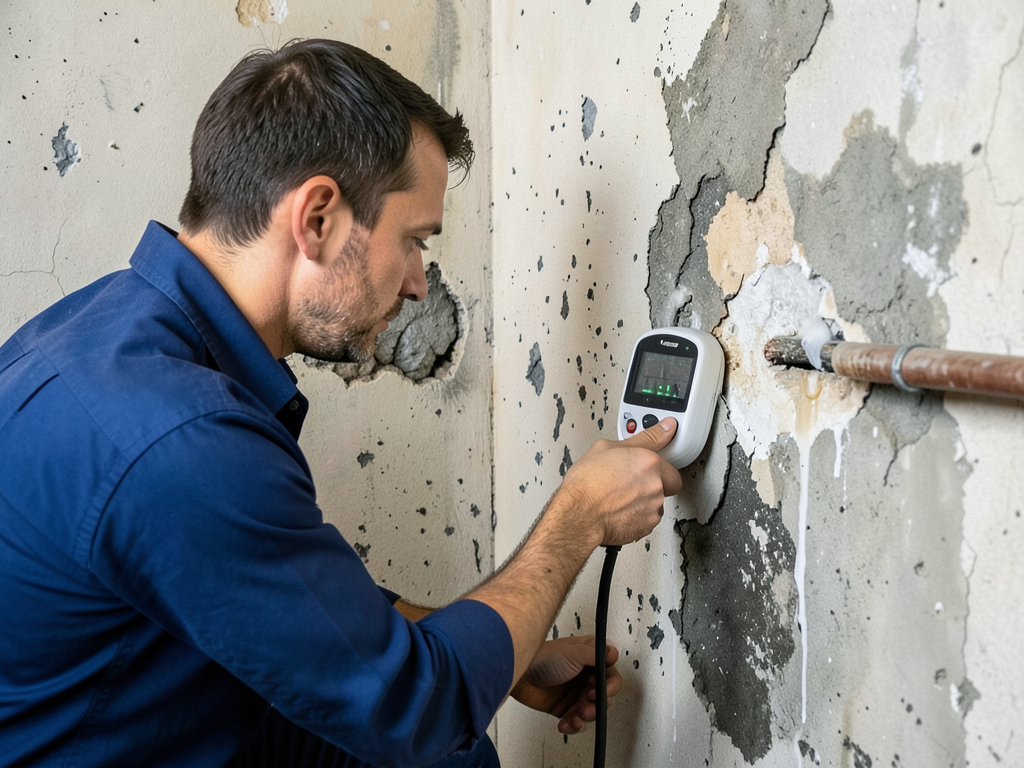
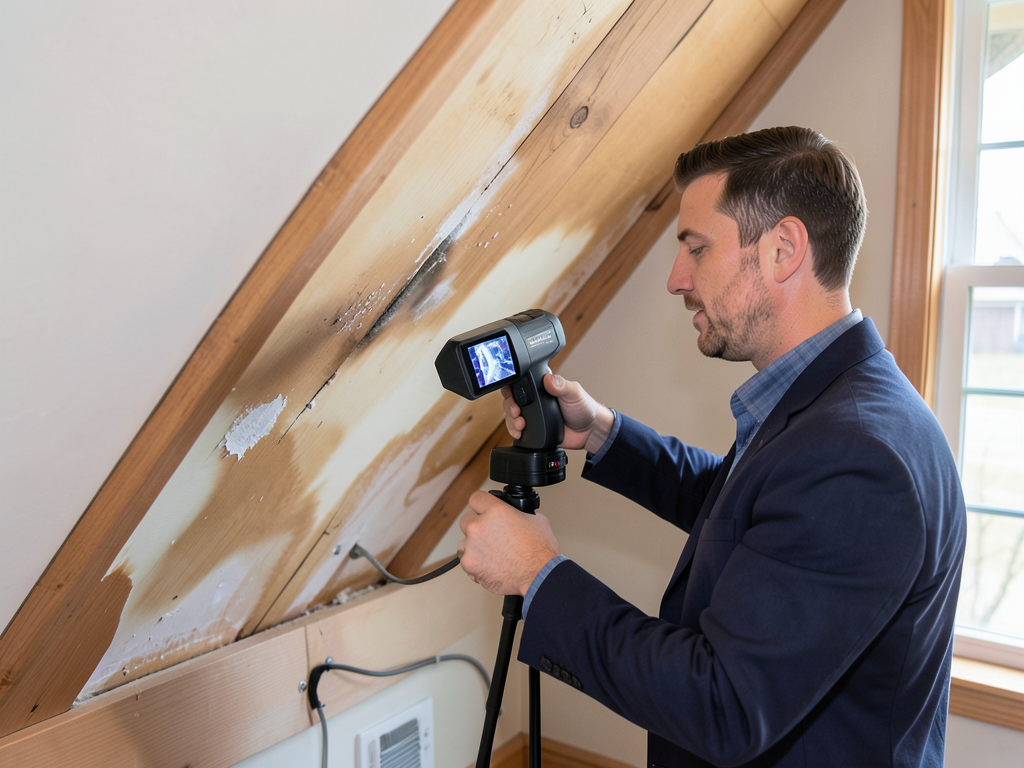
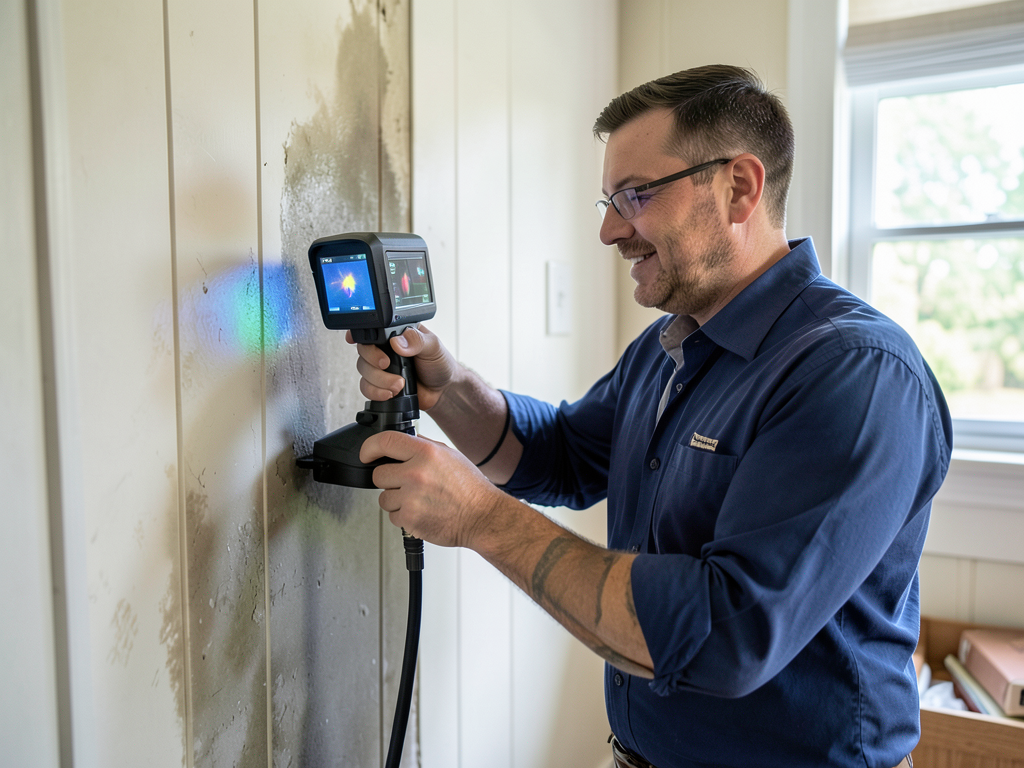
Bring in a licensed water damage restoration company immediately, even before the adjuster arrives. Professional moisture mapping using thermal imaging cameras and hygrometers provides objective data about saturation levels in walls, floors, and subfloors. This documentation counters lowball estimates from insurance adjusters who only assess visible damage. The restoration company creates a scope of loss that details every affected material, the drying protocol required, and the demolition needed to prevent mold growth.

Tips for water damage insurance claims include keeping a detailed expense log. Save receipts for emergency tarps, fans, temporary housing, and meals if you cannot use your kitchen. Document your communication attempts with the insurance company. If they delay the inspection, note it. Delays work in your favor when you can prove the insurer failed to respond promptly, allowing damage to worsen.

Your Claim Success Roadmap From Emergency to Settlement

How to Handle Insurance Claims in Detroit – Expert Guidance That Gets Your Water Damage Claim Approved Fast
01

Immediate Loss Documentation

The first 24 hours determine claim approval rates. Stop additional water intrusion, photograph all damage before any cleanup, and document the water source. Record moisture meter readings in affected areas. Call your insurer to open the claim, but provide only factual information about what happened and when you discovered it. Do not discuss potential causes or accept blame for anything.
02

Professional Assessment and Mitigation

A certified restoration team extracts standing water, sets up commercial dehumidifiers, and maps hidden moisture using infrared cameras. They document every step with photos and moisture readings that create an undeniable record of damage severity. This professional scope of loss becomes your negotiating tool when the adjuster provides a low estimate. The restoration team also identifies safety hazards like compromised electrical systems or structural concerns.
03

Claim Negotiation and Settlement

After the adjuster inspects, compare their estimate against your restoration company's scope. Discrepancies are common. Challenge underestimated square footage, missed damage areas, or inadequate drying protocols. Submit supplemental claims when hidden damage appears during demolition. Do not accept the first offer if it fails to cover legitimate restoration costs. Most insurers negotiate when presented with professional documentation and firm persistence.

Why Detroit Homeowners Trust Local Expertise for Claim Support

National franchises send adjusters who have never dealt with Detroit's unique housing challenges. They do not understand how our freeze-thaw cycles create expansion joint failures or how clay soil movement affects foundation waterproofing. Ironwood Water Damage Restoration Detroit works exclusively in this metro area. We know that homes in Boston-Edison feature plaster walls that wick moisture differently than drywall. We understand that many Detroit bungalows have balloon framing, which allows water to travel vertically through wall cavities, creating damage far from the source.

Local expertise matters when insurance adjusters try to blame damage on deferred maintenance. We document the difference between sudden pipe failures and long-term seepage. Our moisture mapping proves which damage happened during the covered event versus pre-existing conditions. When an adjuster claims your basement water came from surface flooding rather than a broken pipe, we provide evidence showing the water source and direction of flow.

Detroit building codes require specific remediation protocols that out-of-town companies often miss. We follow Michigan's mold remediation guidelines and understand local permit requirements for structural repairs. This compliance protects you from claim denials based on improper restoration procedures. Insurance companies look for any procedural error to reduce payouts.

Our relationships with local public adjusters provide another advantage. When your claim gets denied or severely undervalued, we connect you with professionals who reopen negotiations and recover fair settlements. We have seen Detroit homeowners initially offered $3,000 for damage that actually cost $28,000 to repair properly. The difference between accepting an inadequate settlement and fighting for full coverage often comes down to having local advocates who understand both restoration science and insurance tactics.

What Happens When You Work With Claim-Savvy Restoration Professionals

Rapid Response Documentation

We arrive within 90 minutes of your call to begin emergency mitigation and claim documentation. Our technicians photograph damage before moving any furniture or extracting water. We create a photographic timeline that shows progression from discovery through each mitigation phase. This visual record prevents disputes about damage extent. We also coordinate with your insurance company's emergency service requirements, ensuring you meet policy obligations for immediate action. Our 24/7 availability means you never miss the critical documentation window that determines claim approval. Fast response also limits secondary damage that insurers love to claim you caused through delay.

Comprehensive Moisture Assessment

Our IICRC-certified technicians use thermal imaging cameras to find hidden moisture behind walls and under flooring that adjusters miss during visual inspections. We create detailed moisture maps showing saturation levels in structural materials. These scientific readings counter adjuster claims that damage is minimal or limited to visible areas. We test for moisture in subflooring, wall cavities, insulation, and ceiling materials. Each reading gets logged with location-specific notes and photographs. When adjusters try to approve only partial drying, we provide data showing why complete structural drying prevents mold growth and material failure. This evidence-based approach transforms claim negotiations from subjective arguments into objective discussions about necessary restoration scope.

Itemized Scope of Loss

You receive a detailed estimate that breaks down every material, labor hour, and equipment rental required for proper restoration. We itemize demolition, drying, antimicrobial treatment, and reconstruction separately so you understand each cost component. This transparency helps when comparing our scope against the insurance adjuster's estimate. Line-item documentation reveals where adjusters cut corners or underestimate square footage. Our estimates follow Xactimate pricing, the same software most insurance companies use, which eliminates disputes about reasonable costs. We also note code upgrade requirements that your policy may cover under ordinance and law provisions. The goal is a settlement that covers complete restoration, not a partial fix that leaves your home vulnerable.

Claim Advocacy and Follow-Through

We communicate directly with your insurance adjuster, providing technical explanations for our mitigation protocols and scope estimates. When adjusters question line items, we supply documentation explaining why specific procedures meet industry standards and Michigan building codes. We attend adjuster inspections to point out damage they might overlook and answer technical questions immediately. If your claim gets denied or undervalued, we provide the evidence needed for appeals or public adjuster involvement. Our team also tracks claim progress, following up when insurers delay responses beyond reasonable timeframes. You get regular updates about claim status and next steps. This advocacy continues through final settlement and quality verification, ensuring approved repairs actually restore your home to pre-loss condition.

Frequently Asked Questions

You Have Questions,
We Have Answers

How do you handle insurance claims? +

Start by documenting all damage with photos and videos before any cleanup. Contact your insurance company immediately to report the claim. Review your policy to understand coverage limits and exclusions. Gather receipts, invoices, and repair estimates. A professional restoration company in Detroit can provide detailed damage assessments that support your claim. Keep a written log of all conversations with adjusters, including names and dates. Submit your claim promptly, as Michigan law requires timely notification. Avoid making permanent repairs without adjuster approval. Request copies of all claim documents and follow up weekly on claim status.

What are the 3 D's of insurance claims? +

The 3 D's are Documentation, Details, and Diligence. Documentation means photographing every damaged item and area before cleanup begins. Details require thorough written descriptions of what happened, when it occurred, and the extent of damage. Include serial numbers, purchase dates, and replacement costs. Diligence involves persistent follow-up with your insurance company and meeting all deadlines. Detroit homeowners should document basement flooding thoroughly, as Michigan insurers often scrutinize water damage claims. Keep copies of everything you submit. The 3 D's create a strong foundation that helps adjusters process your claim efficiently and fairly.

What not to say during an insurance claim? +

Never say the damage is your fault or admit negligence. Avoid speculating about causes or saying "I think" when describing events. Do not downplay damage by saying it looks minor or manageable. Never accept the first settlement offer without review. Avoid discussing previous claims or unrelated property issues. Do not say you are unsure about repair costs. Refrain from providing recorded statements without understanding your rights. Michigan policyholders should avoid agreeing to quick inspections during Detroit winters when frozen pipes or ice dam damage may worsen. Stick to factual observations and let professionals assess causation and repair scope.

What is the 80% rule in insurance? +

The 80% rule means you must insure your home for at least 80% of its replacement cost to receive full claim payouts. If you insure below this threshold, you become a co-insurer and face penalties. For example, if your Detroit home has a $200,000 replacement cost but you only carry $120,000 coverage, you will not receive full reimbursement even on smaller claims. The insurer applies a formula that reduces your payout proportionally. Many Detroit homeowners underinsure older properties, not accounting for rising construction costs. Review your coverage annually and adjust for inflation, renovations, and market changes.

What are the 5 P's of insurance? +

The 5 P's are Preparation, Protection, Promptness, Proof, and Persistence. Preparation means understanding your policy before disaster strikes. Protection involves preventing further damage after an incident. Promptness requires immediate claim filing and documentation. Proof demands comprehensive evidence through photos, receipts, and professional assessments. Persistence means following up regularly and challenging lowball offers. Detroit property owners face unique risks from aging infrastructure and basement flooding. Review your policy yearly, know your coverage limits, and maintain an updated home inventory. The 5 P's help you navigate the claims process confidently and maximize your settlement.

What are the 4 phases of the claim process? +

Phase one is reporting and initial contact, where you notify your insurer and receive a claim number. Phase two involves investigation, when an adjuster inspects damage and reviews documentation. Phase three is evaluation, where the insurer determines coverage, liability, and payout amounts. Phase four is resolution, including settlement negotiation and payment disbursement. In Detroit, winter claims may extend timelines due to weather delays or frozen property access. Each phase requires your active participation. Provide requested documents promptly, attend scheduled inspections, and respond to adjuster questions quickly. Understanding these phases helps you anticipate next steps and avoid delays.

What not to say to an insurance claim adjuster? +

Never speculate about damage causes or admit fault. Avoid exaggerating losses or providing inconsistent details about the incident. Do not accept blame for maintenance issues you were unaware of. Refrain from discussing your financial situation or saying you need money urgently. Never agree to settlements on the spot without reviewing numbers carefully. Avoid signing documents you have not read completely. Do not provide access to unrelated areas of your property. Detroit adjusters may ask leading questions about old plumbing or deferred maintenance. Stick to facts, answer only what is asked, and consult a professional if questions feel designed to deny coverage.

What are the three most common mistakes on a claim that will cause denials? +

The first mistake is incomplete documentation. Missing photos, receipts, or damage lists give insurers reasons to reduce payouts. The second mistake is delayed reporting. Michigan policies require prompt notification, and waiting weeks undermines your claim. The third mistake is unauthorized repairs. Making permanent fixes before an adjuster inspects allows insurers to dispute damage severity. Detroit homeowners often rush basement repairs after flooding, destroying evidence the adjuster needs. Take temporary protective measures only. Document everything before cleanup. File immediately after discovering damage. These three errors cause more claim denials than any other factors in the process.

How long should an insurance company take to settle a claim? +

Michigan law requires insurers to acknowledge claims within seven days and investigate promptly. Simple claims may settle in 30 to 45 days, while complex property damage can take 60 to 90 days or longer. Disputes or insufficient documentation extend timelines significantly. Detroit water damage claims involving multiple properties or subrogation issues often take three to six months. Your insurer must provide regular updates and cannot delay unreasonably. If settlement drags beyond 60 days without justification, contact the Michigan Department of Insurance and Financial Services. Persistent follow-up and complete documentation speed resolution. Document all delays and communications.

What insurance adjusters won't tell you? +

Adjusters will not volunteer that you can dispute their valuation or hire a public adjuster. They will not mention policy provisions that favor you or explain all available coverages. Most will not tell you that initial offers are negotiable or that you can request supervisor review. They will not disclose that they work for the insurer, not you, and their goal is minimizing payouts. Detroit policyholders should know that Michigan law allows independent appraisals when disputes arise. Adjusters rarely mention bad faith penalties if they delay unreasonably. Read your policy completely, ask specific questions, and get professional help when needed.

How Detroit's Older Housing Stock Complicates Insurance Claims

Detroit homes built before 1950 present unique challenges during the water damage insurance claim process. Many properties feature galvanized steel pipes that corrode from the inside out, creating pinhole leaks that insurers try to classify as maintenance issues rather than sudden failures. Homes in historic districts like Palmer Woods have plaster walls on wood lath, which absorbs water rapidly and requires complete replacement rather than drying. Insurance adjusters unfamiliar with these construction methods often underestimate demolition scope. The clay soil throughout Metro Detroit expands when wet and contracts when dry, creating foundation movement that compromises waterproofing over time. When basement seepage occurs, adjusters blame soil conditions rather than recognizing covered perils like sewer backups or sump pump failures.

Michigan's insurance regulations require prompt claim handling, but many homeowners do not know their rights when insurers delay. Detroit's building department enforces specific remediation standards for water damage affecting structural elements, and failing to meet these codes can void insurance coverage for related future claims. Local restoration companies understand Wayne County permit requirements and Michigan's mold disclosure laws that affect resale. Working with professionals who navigate these local regulations protects you from inadvertent policy violations that jeopardize coverage. Our familiarity with Detroit-area adjusters and their common objection tactics also streamlines the claim process, reducing the back-and-forth that delays settlements and leaves you in a damaged home longer than necessary.
Water Damage Restoration Services in The Detroit Area

Conveniently located to serve the Detroit area, Ironwood is always ready to respond to your water damage emergencies. Explore our service area on the map below or contact us directly to discuss your specific needs. We’re committed to providing prompt, professional service wherever you are within our operational zone, ensuring rapid deployment and effective restoration solutions when you need them most.

Address:
Ironwood Water Damage Restoration Detroit, 15324 Mack Ave, Detroit, MI, 48230

Additional Services We Offer

Our news updates

Latest Articles & News from The Blogs

A slow leak behind a Royal Oak bathroom wall can go unnoticed for weeks. By the time you smell mildew…

Why Smart Leak Detectors Are Worth Every Penny for Your Royal Oak Rental Property

A slow leak behind a Royal Oak bathroom wall can go unnoticed for weeks. By the time you smell mildew…

Why Your Whole House Humidifier in Warren Might Be Ruining Your Drywall

Your furnace runs all winter. Your whole house humidifier works quietly behind the scenes. And somewhere behind that drywall in…

What Black Water Flooding Actually Does to Your Health (A Detroit Homeowner's Guide)

A sewage backup in your Detroit basement is not just a cleanup problem. It is a biohazard event. The water…

Contact Us

Do not face the insurance company alone. Call Ironwood Water Damage Restoration Detroit at (313) 572-5559 right now. We document your damage properly and provide the professional scope your claim needs for approval. Available 24/7 across Metro Detroit.