
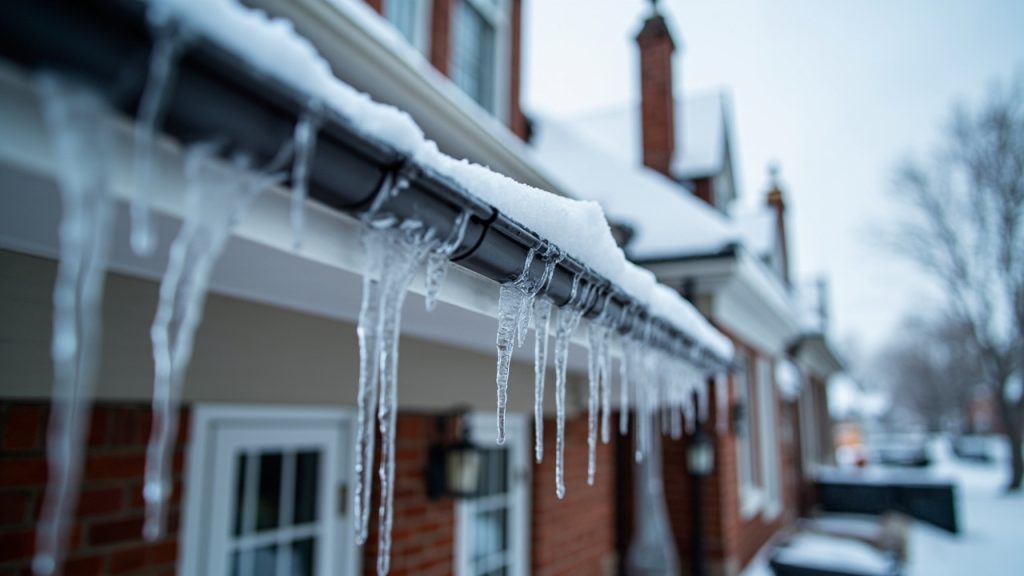
Ice Dam Damage Starts in Your Attic Long Before You See It Downstairs
By the time you notice a water stain on your ceiling or peeling paint near a window, ice dam damage has already been working through your home for weeks. In Detroit’s Sherwood Forest neighborhood, where Tudor-style homes and older Colonials sit under heavy snow loads every winter, attic damage from ice dams is one of the most underdiagnosed problems we encounter. Most homeowners look down. The real damage is up.
This guide walks you through exactly what to look for, what it means, and what happens if you ignore it. If you already see active leaking or soaking insulation, stop reading and call a water mitigation crew now. If you’re in the diagnostic phase, you’re in the right place.
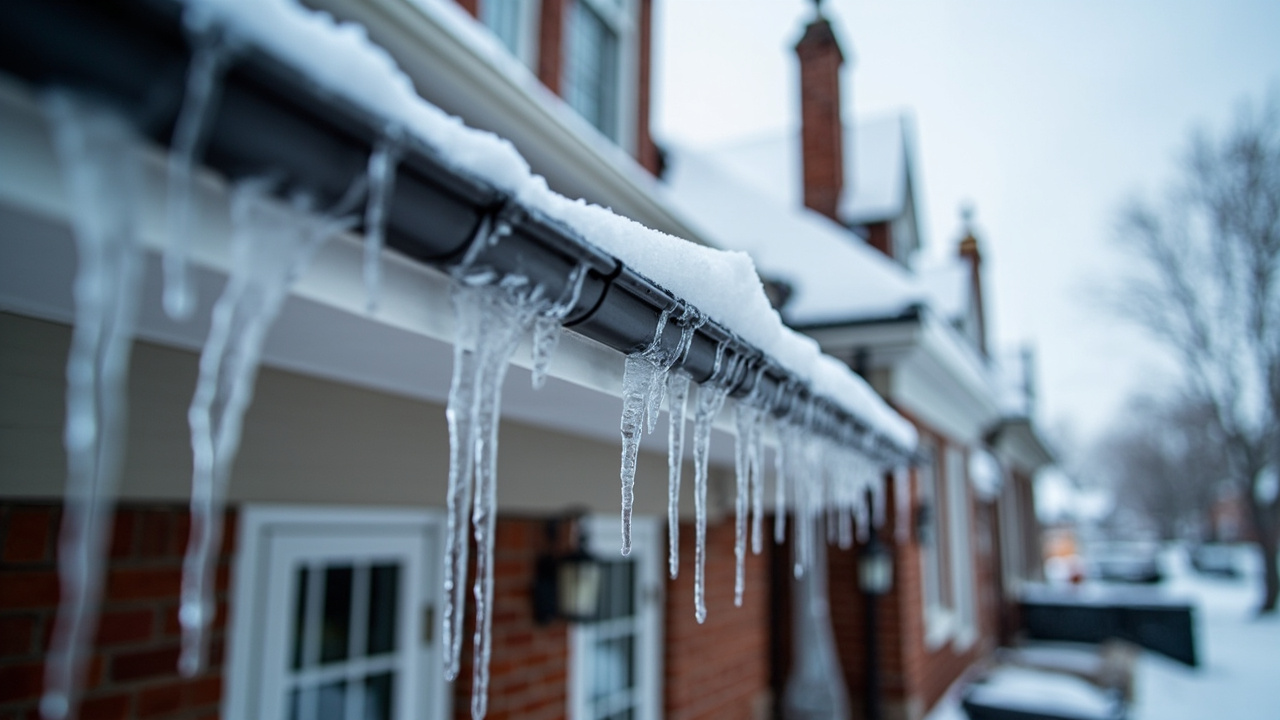
What an Ice Dam Actually Does to Your Attic
An ice dam forms when heat escaping through your attic warms the roof deck, melting snow above it. That meltwater runs down the slope and refreezes at the cold eaves, building a wall of ice. Water pools behind that wall. It has nowhere to go except under your shingles, through the roofing underlayment, and into your attic.
Sherwood Forest homes built before the 1970s often have inadequate attic insulation with R-values far below current Michigan code requirements. Low R-value insulation means more heat escapes the living space, more snow melts, and more ice dams form. The problem feeds itself every freeze-thaw cycle.
Detroit’s winters are particularly punishing for this reason. Temperatures can swing from the upper 30s down to single digits within 48 hours. That freeze-thaw cycle is relentless from December through March, and each cycle gives water another opportunity to push deeper into your roof assembly.
The Roof Deck Is the First Victim
When water sits on a roof deck long enough, the oriented strand board or plank sheathing begins to absorb moisture. You’ll see black staining, soft spots, or visible delamination when you get up there. In severe cases, the decking will feel spongy underfoot. This is structural damage, not cosmetic, and it affects the integrity of your entire roof assembly.
Roofing Underlayment Failure Lets Water Through
Modern homes use self-adhering ice and water shield at the eaves for exactly this reason. Many Sherwood Forest homes, particularly those built in the 1940s and 1950s, were never retrofitted with proper underlayment. Once water breaches that layer, or finds gaps around chimney flashing, pipe penetrations, or dormer valleys, it’s inside your attic cavity.
Specific Warning Signs to Look for in Your Attic
You don’t need a contractor to do a first-pass inspection. Grab a flashlight, dress for the cold, and go up to your attic. Here’s what matters.
- Wet or compressed insulation near the eaves or along the rafters. Batts that have absorbed water lose their R-value immediately and become a mold substrate within 24 to 48 hours.
- Black or gray staining on the roof sheathing. This is early-stage mold growth or organic staining from sustained moisture. Either way, it means water has been present long enough to leave a mark.
- Frost on the interior surface of the sheathing. If you inspect on a cold day and see frost inside the attic, your air sealing has failed. Warm, humid interior air is reaching the cold roof deck and condensing. This is a separate but related problem that worsens ice dam cycles.
- Daylight visible through the eaves. Gaps in the soffit framing or around fascia boards allow cold air infiltration and can be entry points for water once ice dams push liquid under shingles.
- Rust stains around metal fasteners or framing hardware. This tells you that moisture has been present repeatedly over time, not just from one event.
- Sagging or warped rafters or collar ties. Prolonged moisture weakens wood framing. Any visible deflection in structural members warrants immediate attention.
- A musty or earthy smell even when the attic is dry. That odor signals active mold colonization that may not yet be visible to the eye.
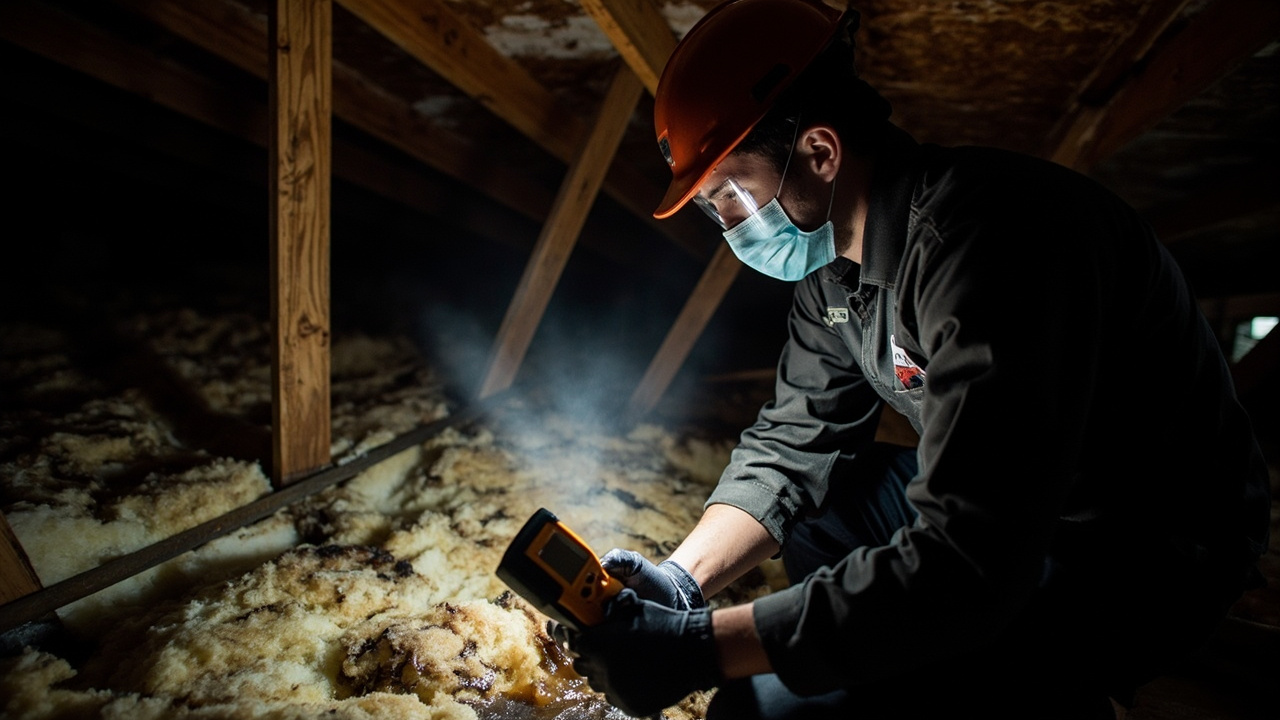
How Bad Is the Damage? A Staging Guide for Detroit Attics
Not all ice dam damage is the same. The table below gives you a realistic sense of what each damage stage looks like and what type of professional response it typically requires.
| Damage Stage | What You See in the Attic | Structural Risk | Immediate Action Needed |
|---|---|---|---|
| Stage 1 (Early) | Slightly damp insulation near eaves, faint staining on sheathing | Low | Improve attic ventilation, address insulation R-value, monitor closely |
| Stage 2 (Moderate) | Saturated insulation batts, visible mold staining, water tracks on rafters | Moderate | Professional drying, mold treatment, insulation replacement |
| Stage 3 (Severe) | Soft or delaminated sheathing, active dripping, mold colonies, stained ceiling below | High | Immediate water mitigation, structural assessment, ice dam removal from roof |
| Stage 4 (Critical) | Sagging roof deck, visible rafter damage, ceiling collapse risk, widespread mold | Very High | Emergency response, structural shoring, full remediation and rebuild |
Most of what we find in Sherwood Forest homes falls into Stage 2 or Stage 3. The ice dam itself may have melted away by the time a homeowner calls, but the damage it caused is still there, getting worse every day the attic stays damp.
Why Sherwood Forest Homes Are Particularly Vulnerable
Sherwood Forest is one of Detroit’s most architecturally distinct historic neighborhoods, with steep-pitched Tudors and brick Colonials that date back to the 1920s. Those rooflines are beautiful. They’re also a perfect setup for ice dam damage.
Steep pitches accelerate snow accumulation at the eaves. Original attic insulation in these homes was often just a few inches of rockwool or fiberglass, nowhere near sufficient by current standards. Many have inadequate soffit and ridge ventilation because the homes were built before modern ventilation codes existed.
Homes in nearby neighborhoods like Palmer Woods and the University District face the same issues. If your home was built before the 1980s and you haven’t had an energy audit or attic inspection in the last few years, there’s a reasonable chance your attic is setting you up for annual ice dam problems.
The Attic Ventilation and Insulation Connection
The U.S. Department of Energy recommends that attics in Michigan’s climate zone meet an R-49 to R-60 insulation standard. Most older Sherwood Forest homes are sitting at R-11 to R-19 at best. That gap is exactly what drives the heat loss that creates ice dams.
Proper attic ventilation, meaning a balanced system of soffit intake and ridge exhaust, keeps the roof deck cold and uniform so snow doesn’t melt unevenly. When that balance is off, you get the warm-cold-warm patchwork on your roof that builds ice dams right at the eaves.
What Professional Ice Dam Removal Actually Involves
There’s a right way and a wrong way to remove ice dams. The wrong way damages your home more than the dam itself.
Hammers, chisels, rock salt, and calcium chloride pellets thrown directly on shingles can crack asphalt shingles, void roofing warranties, and accelerate granule loss. We’ve seen homeowners cause more shingle damage in 20 minutes than the ice dam caused in two weeks.
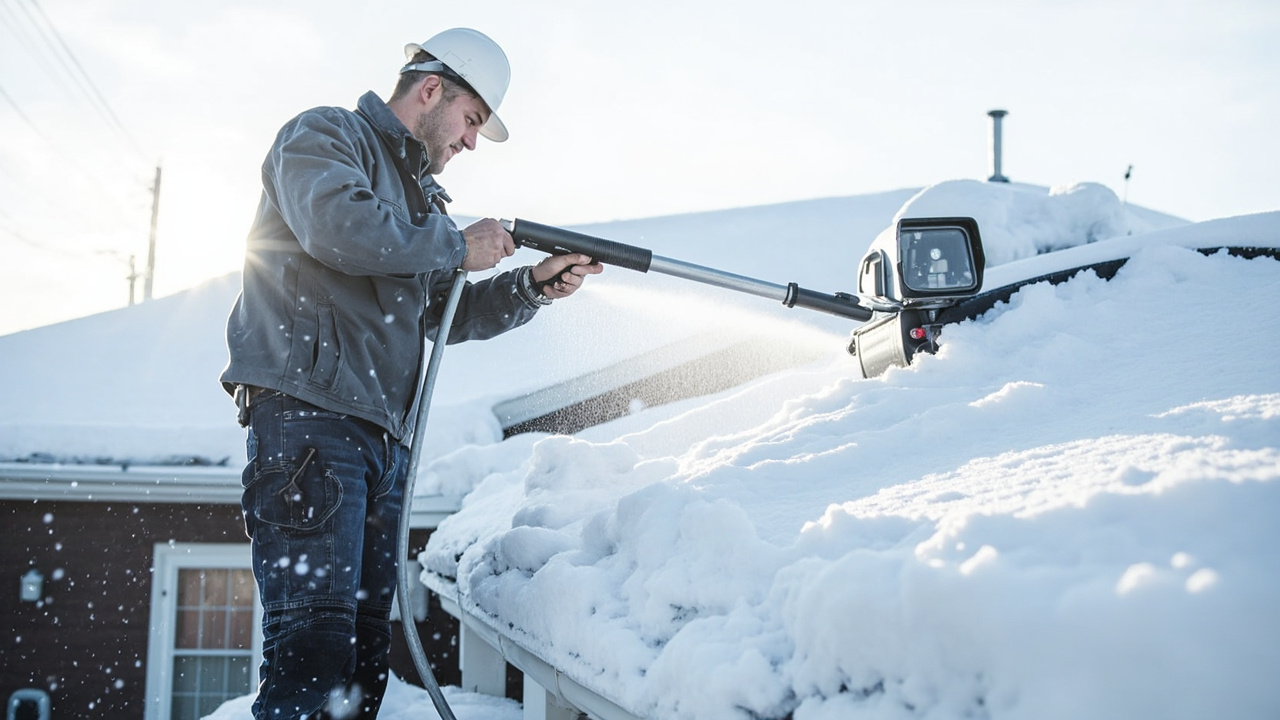
The right method is low-pressure steam removal. A professional-grade steamer heats water to around 300 degrees and delivers it at low pressure, melting the ice dam without mechanical impact on the shingles. It’s slower than hacking at the ice but it protects the roofing assembly. The IICRC recommends that water damage mitigation professionals handle post-removal drying since simple ice removal does not address the moisture already inside the attic assembly.
Structural Drying After the Ice Dam is Gone
Removing the ice dam stops new water from entering. It does not dry the water that’s already inside your attic, insulation, roof sheathing, and ceiling assembly. That moisture needs to be extracted actively.
Professional structural drying uses a combination of high-volume air movers and commercial desiccant or refrigerant dehumidifiers to pull moisture out of porous materials before mold growth accelerates. In a cold Michigan attic, this process typically runs for 3 to 5 days under monitoring.
Moisture readings are taken at multiple points in the roof assembly using penetrating and non-penetrating moisture meters. Drying is not complete until all readings return to acceptable baselines, typically below 16% moisture content for wood materials. Anything higher and you’re looking at a mold remediation job on top of the water damage job.
When Mold Is Already Present
If your attic inspection reveals black or green mold colonies on the sheathing or rafters, the scope of work expands significantly. Mold remediation in an attic space requires containment, HEPA-filtered negative air pressure, physical removal or chemical treatment of affected surfaces, and post-remediation clearance testing.
We see this situation often in homes around the Marygrove area and in older parts of Northwest Detroit where attics have gone uninspected for years. For guidance on mold issues that have spread to living areas of your home, see our resource on how to remove mold safely from your Royal Oak home, which walks through the remediation process in detail.
Ice Dam Damage vs. Other Winter Water Problems in Detroit
Detroit homeowners often confuse ice dam damage with other winter water intrusion issues. Knowing the difference helps you get the right professional on-site faster.
| Problem Type | Where Water Enters | When It Typically Appears | Primary Damage Zone |
|---|---|---|---|
| Ice Dam Damage | Under shingles at the eaves | During or after heavy snowfall, freeze-thaw periods | Attic, ceiling, upper exterior walls |
| Frozen Pipe Burst | Interior plumbing failure | During rapid temperature drops, often overnight | Walls, floors, basement, anywhere near pipes |
| Basement Flooding | Foundation cracks, window wells, sump failure | During snowmelt or spring thaw | Basement, lower-level walls and floors |
| Roof Flashing Failure | Around chimneys, skylights, dormers | Any rain or snowmelt event | Attic near penetrations, upper interior walls |
If you’re dealing with a frozen pipe situation on top of ice dam damage, the scope gets complicated fast. Our team also handles frozen pipe burst cleanup in Detroit homes and can coordinate both scopes under one mitigation plan.
Filing a Michigan Homeowners Insurance Claim for Ice Dam Damage
Michigan homeowners insurance policies generally cover sudden and accidental water damage from ice dams. The word to watch is “sudden.” Insurers will look at the maintenance history of your attic, the condition of your insulation and ventilation, and whether the damage was gradual versus event-driven.
Document everything before any cleanup or repairs begin. Take photos and video of the ice dam from the exterior, the wet insulation, stained sheathing, and any ceiling damage below. A written moisture log from a certified water damage technician strengthens your claim significantly because it quantifies the damage at a specific point in time.
Ask your adjuster specifically about coverage for insulation replacement, mold remediation, and roof deck repair. These line items are often approved but not always volunteered. An IICRC-certified restoration company can provide the documentation format that Michigan adjusters expect.
For homeowners dealing with water damage situations that started below grade as well, our article on flooded basement cleanup in Grosse Pointe covers the documentation and insurance process for lower-level claims.
Preventing Repeat Ice Dams Before Next Winter
Once the current damage is mitigated, the conversation needs to shift to prevention. Ice dams are not a freak weather event. They are a building performance problem, and the same house will form ice dams every winter until the underlying issues are corrected.
The three-part fix for most Sherwood Forest homes looks like this. First, air seal all attic penetrations including light fixtures, plumbing chases, and HVAC penetrations that allow warm interior air to leak into the attic. Second, bring attic insulation up to the appropriate R-value for Michigan’s climate zone. Third, verify that soffit and ridge vents are clear and provide balanced airflow across the full roof deck area.
Gutter cleaning in late fall also matters. Clogged gutters trap standing water at the eaves, which freezes and provides a base for ice dams to build faster. It’s a simple maintenance step that significantly reduces ice dam severity.
If you’re concerned about water intrusion from other sources, including backed-up sewage during heavy winter events or snowmelt surges, our guide on sewage backup cleanup in Detroit covers that category of emergency in detail.
When to Stop Inspecting and Start Calling
If you found wet insulation, visible mold staining, soft sheathing, or any active dripping during your attic inspection, that is not a DIY situation. Wet attic assemblies need professional drying equipment to reach safe moisture levels. Leaving them damp, even for a few extra days in a Detroit winter, accelerates structural wood decay and mold colonization in ways that cost significantly more to remediate later.
IICRC-certified water mitigation crews carry the moisture meters, drying equipment, and mold assessment tools needed to handle attic water damage correctly. If your Sherwood Forest home is showing any of the signs listed in this guide, the smartest move is a professional inspection with documentation before you file an insurance claim or attempt any repairs yourself.
Call Ironwood Water Damage Restoration at any hour. We serve Sherwood Forest, Palmer Woods, University District, and all of Metro Detroit with 24/7 emergency response. The longer wet structural materials sit, the more they cost to fix.
{
“@context”: “https://schema.org”,
“@type”: “BlogPosting”,
“headline”: “Signs Your Sherwood Forest Attic Has Ice Dam Damage (And What to Do About It)”,
“description”: “Spot ice dam water damage in your Sherwood Forest attic before it gets worse. Detroit-specific warning signs, repair steps, and when to call a pro.”,
“wordCount”: 2178,
“datePublished”: “2026-03-01T15:18:00.000Z”,
“dateModified”: “2026-03-01T15:18:00.000Z”,
“inLanguage”: “en-US”,
“mainEntityOfPage”: {
“@type”: “WebPage”,
“@id”: “https://ironwoodwaterdamagerestorationdetroit.com”
},
“publisher”: {
“@type”: “LocalBusiness”,
“name”: “Ironwood Water Damage Restoration Detroit”,
“url”: “https://ironwoodwaterdamagerestorationdetroit.com”
},
“author”: {
“@type”: “Organization”,
“name”: “Ironwood Water Damage Restoration Detroit”,
“url”: “https://ironwoodwaterdamagerestorationdetroit.com”
},
“image”: {
“@type”: “ImageObject”,
“url”: “https://ironwoodwaterdamagerestorationdetroit.com/wp-content/uploads/2026/03/how-to-tell-if-your-sherwood-forest-attic-is-suffe-1.jpg”
}
}
{
“@context”: “https://schema.org”,
“@type”: “LocalBusiness”,
“name”: “Ironwood Water Damage Restoration Detroit”,
“url”: “https://ironwoodwaterdamagerestorationdetroit.com”,
“address”: {
“@type”: “PostalAddress”,
“addressLocality”: “Detroit”
},
“areaServed”: {
“@type”: “City”,
“name”: “Detroit”
}
}
{
“@context”: “https://schema.org”,
“@type”: “BreadcrumbList”,
“itemListElement”: [
{
“@type”: “ListItem”,
“position”: 1,
“name”: “Home”,
“item”: “https://ironwoodwaterdamagerestorationdetroit.com”
},
{
“@type”: “ListItem”,
“position”: 2,
“name”: “Blog”,
“item”: “https://ironwoodwaterdamagerestorationdetroit.com/blog”
},
{
“@type”: “ListItem”,
“position”: 3,
“name”: “Signs Your Sherwood Forest Attic Has Ice Dam Damage (And What to Do About It)”
}
]
}
{
“@context”: “https://schema.org”,
“@type”: “Service”,
“serviceType”: “Water Damage Restoration”,
“provider”: {
“@type”: “LocalBusiness”,
“name”: “Ironwood Water Damage Restoration Detroit”,
“url”: “https://ironwoodwaterdamagerestorationdetroit.com”
},
“areaServed”: {
“@type”: “City”,
“name”: “Detroit”
},
“description”: “Spot ice dam water damage in your Sherwood Forest attic before it gets worse. Detroit-specific warning signs, repair steps, and when to call a pro.”
}