

Jefferson-Chalmers sits at one of the most flood-vulnerable addresses in all of Metro Detroit. The canals, the clay-heavy soil, the aging combined sewer infrastructure, and the sheer volume of snowpack that builds up through a Michigan winter all converge in spring to create a real threat to your home. If you wait until water is coming in through your basement walls to start preparing, you are already behind.
This guide is for homeowners who want to get ahead of the problem. We will walk through the exterior checklist, sump pump maintenance, backwater valve basics, and when to call for professional help before the thaw turns into a crisis.
Why Jefferson-Chalmers Gets Hit Harder Than Most Detroit Neighborhoods
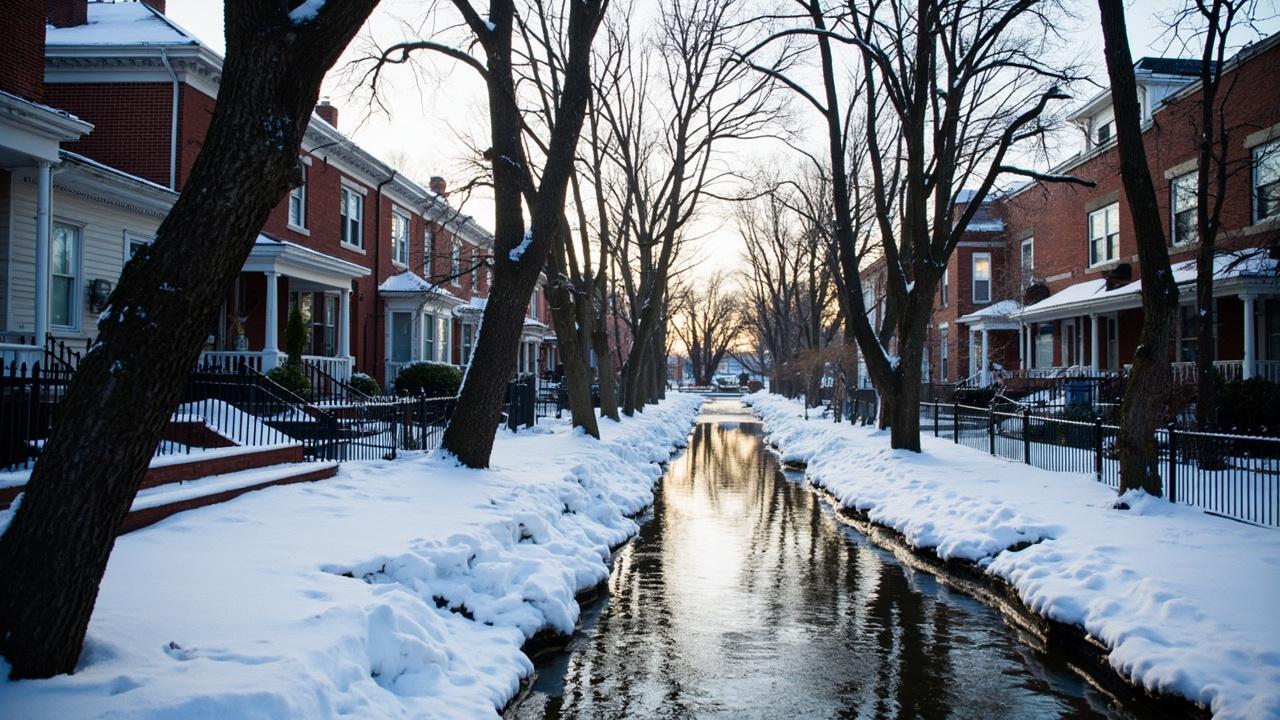
The neighborhood is bounded by the Detroit River canals and Lake St. Clair waterways on the east side of the city. When snowmelt begins in late winter, water has nowhere fast to go. The ground is still frozen several inches deep, which means meltwater runs across the surface rather than absorbing into the soil.
Detroit’s Detroit Water and Sewerage Department (DWSD) manages a combined sewer system throughout much of the city. That means stormwater and sanitary sewage share the same pipes. During heavy spring rain or rapid snowmelt, those pipes reach capacity fast. When the system is overwhelmed, a Combined Sewer Overflow (CSO) event can push sewage backward into basement floor drains. That is not a minor inconvenience. That is a health hazard.
On top of the CSO risk, Jefferson-Chalmers homes deal with hydrostatic pressure. When saturated clay soil surrounds your foundation, water pushes laterally against the walls. Older homes with block or rubble-stone foundations are especially vulnerable. A small crack that has been stable all winter can suddenly let in a significant amount of water when spring hydrostatic pressure builds.
The Exterior Maintenance Checklist Before Snowmelt Peaks
Start outside. Most basement flooding begins with a failure at the exterior perimeter, not a sudden structural collapse. These are the tasks that matter most.
Gutters and Downspouts
Clean your gutters thoroughly before temperatures climb above freezing consistently. Fall leaves and winter ice debris pack tight and block water flow. When gutters overflow, water runs down the exterior wall and pools against your foundation.
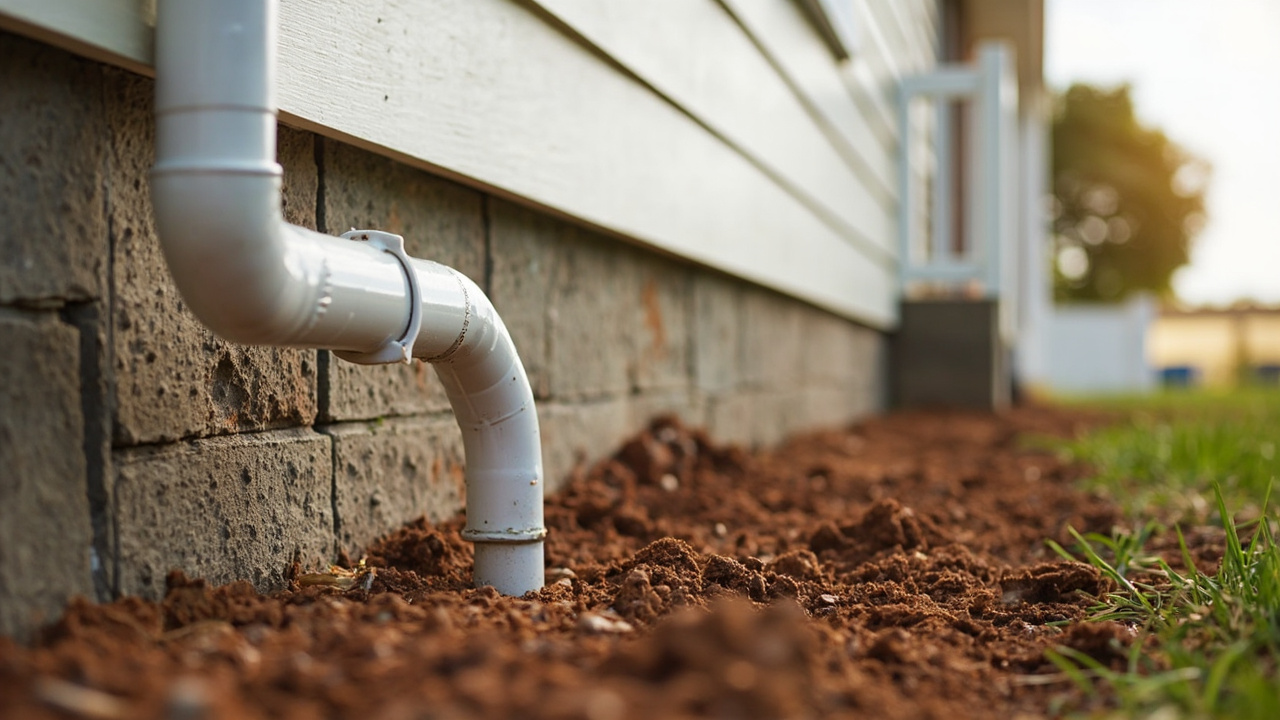
Downspout extensions are non-negotiable in Jefferson-Chalmers. Your downspout should discharge at least six to ten feet away from the foundation. If it is emptying at the base of the wall or into a buried underground drain that may be clogged, you are directing water exactly where you do not want it.
Soil Grading Around the Foundation
The ground should slope away from your home at a minimum grade of one inch per foot for the first six feet. Clay soil in the east side of Detroit compacts and settles over time, and many older lots have actually developed a negative grade where the soil dips toward the foundation wall. Use clean fill dirt to re-establish positive drainage before the ground thaws completely.
Window Wells and Basement Entry Points
Check window well covers and make sure they are sealed and secured. Snow accumulates in window wells and melts directly against the window frame. Even a small gap in the seal around an old basement window can allow significant water intrusion once that snow starts melting.
Foundation Crack Inspection
Walk the full perimeter of your foundation and look for new cracks or widening of existing ones. Horizontal cracks in block foundation walls indicate lateral soil pressure and require immediate professional evaluation. Vertical cracks in poured concrete walls are more common and often the result of settling, but they still need to be sealed with hydraulic cement or a polyurethane injection before spring moisture arrives.
- Check all window well seals and covers
- Extend downspouts a minimum of six feet from the foundation
- Re-grade soil that slopes toward the home
- Seal all visible foundation cracks with appropriate materials
- Clear debris from basement stairwell drains
- Confirm sump pump discharge line is free and clear of ice
- Inspect the sump pit for sediment buildup
Sump Pump Health and Why a Battery Backup Changes Everything
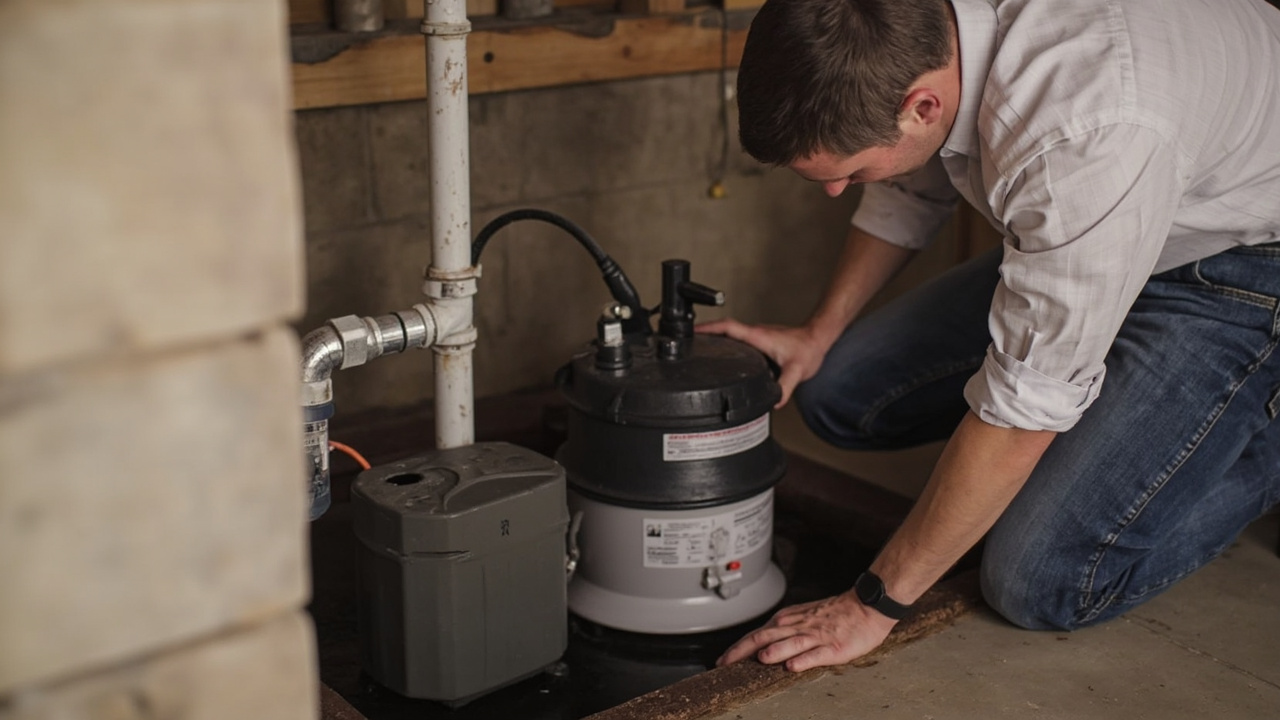
Your sump pump is the last line of defense when everything else gets overwhelmed. Most homeowners test their sump pump once a year, usually right before or right after a flood event. That is too late.
Testing the Float Switch
Pour a five-gallon bucket of water slowly into the sump pit. The float switch should trigger the pump before the water level gets more than six inches below the rim of the pit. If the pump does not kick on, the float switch may be stuck or the pump motor may have failed over the winter.
Check the discharge line from the pump to the exterior. In Jefferson-Chalmers, where spring temperatures can still drop below freezing at night, that discharge line can ice up. A clogged discharge line causes the pump motor to burn out fast.
Battery Backup Systems
Michigan spring storms knock out power. It is not rare. It happens during the exact weather events that are also causing the most snowmelt and rain. A standard sump pump on grid power becomes useless the moment the power goes out. A battery backup unit, or a water-powered backup pump if your water pressure is reliable, keeps the pit pumped during outages.
Look for backup systems rated to handle at least 2,000 gallons per hour of pumping capacity. The main pump and backup combined should be able to handle the peak inflow rate your pit experiences during the heaviest rain events you have seen in recent seasons.
| Sump Pump Type | Best For | Power During Outage | Typical Lifespan |
|---|---|---|---|
| Standard Pedestal | Low-volume pits, dry climates | None | 25 to 30 years |
| Submersible Primary | High-volume east side Detroit homes | None | 10 to 15 years |
| Battery Backup | Storm-prone areas like Jefferson-Chalmers | 6 to 12 hours typical | 3 to 5 years (battery replacement) |
| Water-Powered Backup | Homes with consistent municipal water pressure | Indefinite (uses water pressure) | 20 plus years (minimal moving parts) |
Backwater Valve Installation for High-Risk East Side Homes
If your Jefferson-Chalmers home does not have a backwater valve on the main sewer line, this is the single most impactful investment you can make before spring. A backwater valve is a one-way gate installed in your main drain line. When sewage backs up from the municipal system during a CSO event, the valve closes automatically and prevents that sewage from entering your home through floor drains, toilets, or laundry tubs.
Installation requires cutting into the main drain line, which is typically four to six inches in diameter in most Detroit-area homes. The work must be permitted through the City of Detroit and requires a licensed plumber. The Michigan Department of Environment, Great Lakes, and Energy (EGLE) sets statewide standards for this type of work, but local municipalities can impose additional requirements.
Some Detroit homeowners who have experienced sewage backup already know how severe the cleanup can be. If you have dealt with that before, you already understand the urgency. For those who have not, read through what a professional sewage backup restoration event actually involves at What to Do Right Now for Sewage Backup Cleanup in Detroit before you decide to skip the backwater valve.
French Drain Maintenance
Homes on the east side with French drains installed along the interior or exterior perimeter need to verify those drains are functional before spring. Exterior French drains can become blocked with clay sediment over time. Interior French drains that discharge to the sump pit need their drain tile checked for root intrusion, which is common in older Jefferson-Chalmers lots with mature tree cover.
A drain inspection camera run through the system costs far less than the cleanup and restoration after a flood event. Consider scheduling that inspection in late winter, before the ground is fully saturated.
Basement Waterproofing Options Worth Considering
Preventive maintenance only goes so far in a neighborhood with canal proximity and clay soil. If your home has a history of seepage, wet walls, or floor drain backup, it is worth evaluating the longer-term waterproofing options available to you.
| Waterproofing Method | Addresses | Disruption Level | Best Application |
|---|---|---|---|
| Interior Drainage System (Weeping Tile) | Hydrostatic pressure seepage through walls and floor | Medium (interior excavation) | Older block foundation homes |
| Exterior Waterproofing Membrane | Water infiltration through foundation exterior | High (full excavation) | Homes with persistent wall cracks |
| Crack Injection (Polyurethane or Epoxy) | Isolated vertical cracks in poured concrete | Low (interior only) | Poured concrete foundations with minor cracking |
| Backwater Valve | Sewer backup from CSO events | Low to medium (plumbing only) | All Detroit east side homes on combined sewer |
| Sump Pit Upgrade with Battery Backup | Groundwater accumulation, power failure vulnerability | Low | Any home in a high-water-table area |
What Happens When Prevention Is Not Enough
Even with everything in place, a significant spring event can overwhelm the best preparation. A sustained rain event on top of rapid snowmelt can send more water toward your home than your sump pump and grading can handle. Knowing what to do in the first 30 minutes matters.
Immediate Safety Steps If Water Enters Your Basement
Do not enter a flooded basement if there is any possibility of electrical contact. Water conducts electricity, and a submerged outlet or appliance can be lethal. Turn off the circuit breaker for the basement from a dry location before entering.
If sewage is present, keep everyone out until professional remediation begins. Raw sewage contains pathogens that cause serious illness. Fans and shop vacs do not address sewage contamination. That situation requires IICRC-certified technicians with appropriate personal protective equipment and antimicrobial treatment protocols.
Document everything with photos before moving anything. Your homeowner’s insurance policy documentation will need evidence of the initial damage state. Contact DWSD to report the event if you believe the backup originated from the municipal system, as this creates a record that may be relevant to a claim.
Mold Sets In Fast in Michigan Spring Conditions
Spring in Detroit means warm, humid air meeting wet surfaces. Mold colonization can begin within 24 to 48 hours of a water event. If drywall, insulation, or wood framing stays wet through a weekend, you are not just dealing with water damage anymore. You have a mold remediation situation on top of the restoration work.
The mold risk after spring flooding is real and well-documented. If you have seen this happen in adjacent neighborhoods, review How to Remove Mold Safely from Your Royal Oak Home to understand what the remediation process actually requires.
Jefferson-Chalmers Has Unique Risks Compared to Other Detroit Neighborhoods
Homeowners near the Grosse Pointe border face some of the same east-side flooding dynamics. The canal system that defines Jefferson-Chalmers does not exist in neighborhoods like Grandmont-Rosedale or Corktown. If you are comparing experiences with friends in other parts of the city, understand that your flooding risk profile is fundamentally different.
Neighbors near the east riverfront have seen flooded basement situations in Grosse Pointe that share similar canal-proximity dynamics. The response protocols are similar, but the prevention strategies for canal-adjacent properties require specific attention to lateral water movement that standard suburban lots do not face.
Frozen pipe failures are also common in this part of the city during the freeze-thaw cycles of late winter. When temperatures swing between five degrees and forty-five degrees Fahrenheit within a 72-hour window, pipes in uninsulated exterior walls and crawl spaces are at risk. That creates a separate water damage source that can compound the spring flood problem. Understanding what to do after a frozen pipe bursts in a Detroit home is worth knowing before the thaw season arrives.
Hiring a Professional for Pre-Season Inspection
If your home has any history of basement water intrusion, a pre-season professional inspection is a smart investment. An IICRC-certified water damage restoration professional can identify vulnerabilities that are not visible from a homeowner walkthrough. Moisture meters, thermal imaging cameras, and knowledge of how water moves through Detroit’s specific soil and sewer conditions give a professional a different perspective than a visual inspection.
Ask about their experience specifically with Jefferson-Chalmers and east-side Detroit properties. The clay soil conditions, the canal proximity, and the CSO exposure create a specific set of challenges that a restoration company working primarily in western Wayne County may not encounter in their typical work. Local experience with Detroit’s combined sewer events, the behavior of hydrostatic pressure in clay-heavy east side lots, and the specific foundation styles common in this neighborhood matters.
For homeowners who want a professional assessment of their flood risk before the thaw peaks, contact a local IICRC-certified restoration company for a flood risk assessment. Getting eyes on your sump system, your foundation perimeter, and your drainage situation before water is coming in gives you options. Once the basement is flooded, you are in emergency response mode and your choices narrow fast.
Jefferson-Chalmers is a neighborhood worth protecting. The homes here have history, and the location along the waterway is part of what makes the community distinctive. Getting serious about spring flood prevention is how you keep it that way.
{
“@context”: “https://schema.org”,
“@type”: “BlogPosting”,
“headline”: “Getting Your Jefferson-Chalmers Home Ready for the Massive Spring Thaw”,
“description”: “Jefferson-Chalmers homeowners face serious spring flood risk. Use this Detroit-specific guide to protect your basement before snowmelt overwhelms the drains.”,
“wordCount”: 2158,
“datePublished”: “2026-03-27T15:25:00.000Z”,
“dateModified”: “2026-03-27T15:25:00.000Z”,
“inLanguage”: “en-US”,
“mainEntityOfPage”: {
“@type”: “WebPage”,
“@id”: “https://ironwoodwaterdamagerestorationdetroit.com”
},
“publisher”: {
“@type”: “LocalBusiness”,
“name”: “Ironwood Water Damage Restoration Detroit”,
“url”: “https://ironwoodwaterdamagerestorationdetroit.com”
},
“author”: {
“@type”: “Organization”,
“name”: “Ironwood Water Damage Restoration Detroit”,
“url”: “https://ironwoodwaterdamagerestorationdetroit.com”
},
“image”: {
“@type”: “ImageObject”,
“url”: “https://ironwoodwaterdamagerestorationdetroit.com/wp-content/uploads/2026/03/getting-your-jefferson-chalmers-home-ready-for-the-1.jpg”
}
}
{
“@context”: “https://schema.org”,
“@type”: “LocalBusiness”,
“name”: “Ironwood Water Damage Restoration Detroit”,
“url”: “https://ironwoodwaterdamagerestorationdetroit.com”,
“address”: {
“@type”: “PostalAddress”,
“addressLocality”: “Detroit”
},
“areaServed”: {
“@type”: “City”,
“name”: “Detroit”
}
}
{
“@context”: “https://schema.org”,
“@type”: “BreadcrumbList”,
“itemListElement”: [
{
“@type”: “ListItem”,
“position”: 1,
“name”: “Home”,
“item”: “https://ironwoodwaterdamagerestorationdetroit.com”
},
{
“@type”: “ListItem”,
“position”: 2,
“name”: “Blog”,
“item”: “https://ironwoodwaterdamagerestorationdetroit.com/blog”
},
{
“@type”: “ListItem”,
“position”: 3,
“name”: “Getting Your Jefferson-Chalmers Home Ready for the Massive Spring Thaw”
}
]
}
{
“@context”: “https://schema.org”,
“@type”: “Service”,
“serviceType”: “Water Damage Restoration”,
“provider”: {
“@type”: “LocalBusiness”,
“name”: “Ironwood Water Damage Restoration Detroit”,
“url”: “https://ironwoodwaterdamagerestorationdetroit.com”
},
“areaServed”: {
“@type”: “City”,
“name”: “Detroit”
},
“description”: “Jefferson-Chalmers homeowners face serious spring flood risk. Use this Detroit-specific guide to protect your basement before snowmelt overwhelms the drains.”
}