
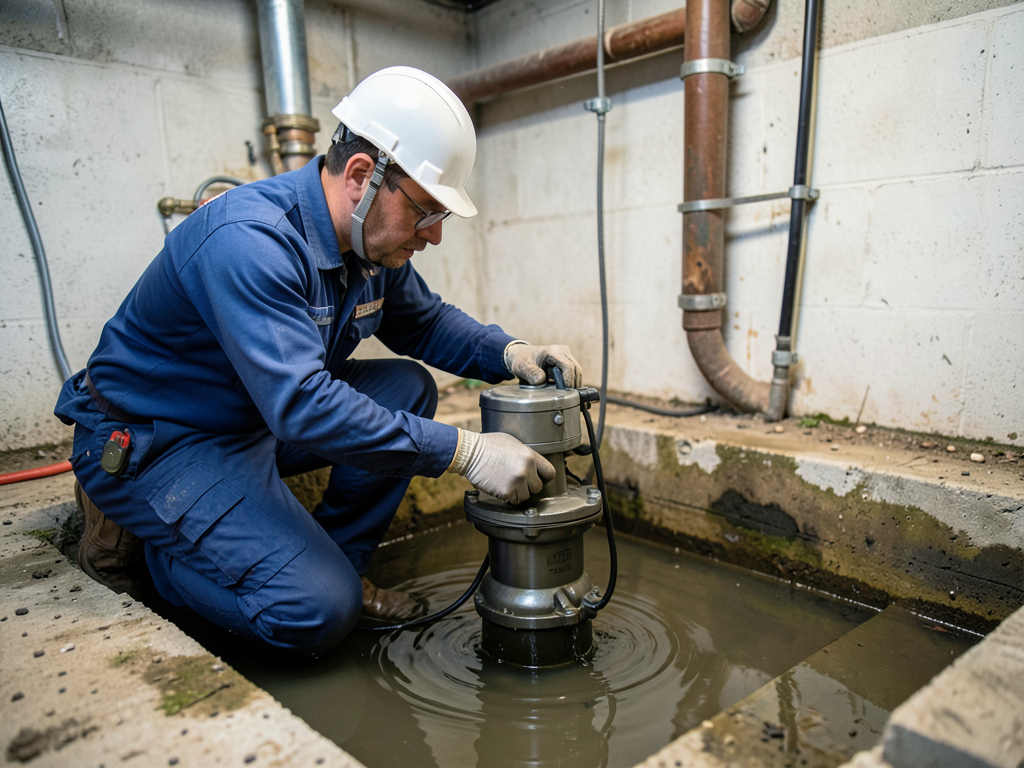
Why Your Sump Pump is Humming But Not Pumping Water in Your Taylor Basement
Your sump pump just started humming, but the pit is filling up and nothing is coming out of the discharge pipe. That sound means the motor is trying to work, but something is blocking the flow. In Taylor, where heavy spring rains and high groundwater levels put constant pressure on basement drainage systems, this is one of the most common failure points homeowners face. The good news is that in many cases, you can identify the problem yourself before calling for help. Flooded Basement Cleanup in Grosse Pointe Done Fast and Done Right.
The humming noise usually means the motor is getting power but cannot turn the impeller. That could be from a jammed impeller, a stuck float switch, a broken check valve, or an airlock in the discharge line. Left unchecked, a failed pump during a storm can lead to basement flooding, mold growth, and thousands of dollars in water damage restoration costs. Acting quickly is the difference between a simple fix and a major insurance claim. Water Damage Restoration Livonia.
Quick Diagnostic Steps for a Humming Sump Pump
Before assuming the worst, run through these checks. They take less than five minutes and can save you a service call if the problem is minor.
- Check the Float Switch
Lift the float by hand. If the pump starts, the switch is stuck or misadjusted. In Taylor basements, cobwebs and silt often jam the mechanism.
- Inspect the Impeller
Unplug the pump, remove it from the pit, and look for debris wrapped around the impeller fins. Small stones, leaves, or even a child’s toy can seize the motor. How to Remove Mold Safely from Your Royal Oak Home.
- Test the Check Valve
Locate the valve on the discharge pipe. If it is installed backward or clogged with sediment, water cannot exit the pit. Michigan’s high iron content in groundwater accelerates mineral buildup. Water Damage Restoration Warren.
- Clear an Airlock
Pour a bucket of water into the pit. If the pump runs but no water moves, the discharge line may have an airlock. Tapping the pipe near the check valve often releases trapped air.
- Verify Power Supply
Test the outlet with a lamp. If dead, check your breaker panel. Taylor homes built before 2000 often have outdated GFCI circuits that trip during storms.
What Different Humming Sounds Mean
Not all hums are the same. The tone and rhythm can tell you what is wrong before you even open the pit cover.
| Hearing | Likely Cause | Urgency |
|---|---|---|
| Steady low hum | Motor running, impeller jammed | Check now |
| Clicking + hum | Stuck float switch | Low |
| High-pitched whine | Worn bearings or capacitor | Replace soon |
| Intermittent hum | Intermittent power or bad capacitor | Diagnose today |
If the hum changes to a grinding noise, shut the pump off immediately. That sound often means the motor is about to fail completely.
Why Taylor Basements Are Especially Vulnerable
Taylor sits in a low-lying area of Wayne County where the water table can rise within a few feet of the surface during wet seasons. The region’s high clay content in soil means water does not drain quickly, creating constant hydrostatic pressure against basement walls. When that pressure finds the path of least resistance, it is usually through the sump pit.
Many homes in the area were built in the 1960s and 1970s with undersized discharge pipes. A 1.25-inch line might have been fine when the house was new, but today’s heavier storms overwhelm that capacity. Combine that with aging check valves that have lost their spring tension, and you have a recipe for pump failure during the exact moment you need it most.
Detroit’s combined sewer system also plays a role. During extreme rainfall, the city’s storm and sanitary lines can back up, forcing groundwater into basements through floor drains and sump pits. A humming pump that cannot keep up is often the first sign that the system is overwhelmed.
The Water Damage Risks of a Failed Pump
A sump pump that hums but does not pump can turn a minor inconvenience into a major restoration project within hours. Here is what happens if the problem is not addressed quickly.
| Time Elapsed | Damage Progression | Restoration Cost Impact |
|---|---|---|
| 0-2 hours | Water begins seeping from pit, damp carpet edges | Minimal if dried immediately |
| 2-6 hours | Standing water in low spots, wet drywall | Increases significantly |
| 6-12 hours | Water spreads across floor, mold risk begins | Major restoration likely |
| 12+ hours | Structural damage, mold colonies visible | Full rebuild possible |
According to the IICRC S500 standard for water damage restoration, Category 1 clean water from a sump pit becomes Category 2 gray water after 48 hours of contact with building materials. That shift means higher cleanup costs and potential health risks from bacterial growth. IICRC S500 standard.
DIY Repairs vs. When to Call a Professional
Some humming pump issues are simple fixes. Others require a trained eye to prevent bigger problems. Use this guide to decide your next step.
| Problem | DIY Fix | Call Professional |
|---|---|---|
| Stuck float switch | Adjust or clean the switch | If switch is corroded |
| Debris in impeller | Remove and clean impeller | If fins are broken |
| Airlock in line | Pour water, tap pipe to release air | If airlock recurs often |
| Faulty check valve | Replace valve yourself | If pipes are corroded |
| Seized motor | Not repairable | Replace pump and inspect pit |
If you have standing water and cannot identify the cause within 30 minutes, stop and call for help. Water spreads quickly, and every minute increases the damage.
Preventing Future Sump Pump Failures
Once your pump is running again, a few maintenance steps can prevent the next failure. These apply to all Taylor homes but are especially important given the area’s soil and weather patterns.
- Test the pump monthly by pouring a bucket of water into the pit. The float should rise and the pump should activate within seconds.
- Clean the inlet screen every six months. Clay soil releases fine particles that clog screens faster than sandy soil.
- Inspect the discharge pipe for cracks or sagging. A frozen or blocked line is a common cause of humming during winter thaws.
- Consider a battery backup system. Power outages during storms are when you need the pump most.
- Install a water alarm above the pit. It will alert you before water reaches the floor.
Ironwood Water Damage Restoration Detroit offers a seasonal sump pump inspection service that includes checking electrical connections, testing the float, and verifying discharge capacity. For homes in flood-prone areas of Taylor, this service can prevent emergency calls during the next big storm.
Call for Emergency Water Extraction in Taylor
If your basement is already flooding, do not wait. Water spreads fast, and mold can begin growing within 24 to 48 hours. Ironwood’s emergency response team is on call 24/7 to extract water, dry affected materials, and prevent secondary damage.
Our technicians arrive within two hours, equipped with truck-mounted extraction units and commercial-grade drying equipment. We handle everything from water removal to full restoration, working directly with your insurance company to streamline the claims process.
Call (313) 572-5559 now for immediate assistance. The longer you wait, the more damage your home will suffer.
Frequently Asked Questions
Why does my sump pump hum but not pump?
The motor is receiving power but cannot turn the impeller. Common causes include debris blocking the impeller, a stuck float switch, a broken check valve, or an airlock in the discharge line.
How do I know if my sump pump check valve is bad?
Pour water into the pit and watch the discharge pipe. If water flows back into the pit when the pump stops, the check valve is not holding and needs replacement.
Can I fix a humming sump pump myself?
Yes, if the issue is a stuck float, clogged impeller, or airlock. If the motor is seized or the pump is old, replacement is safer and more reliable.
How long before a flooded basement causes mold?
Mold can begin growing within 24 to 48 hours in damp conditions. Quick water extraction and drying are essential to prevent mold growth.
Should I get a battery backup for my sump pump?
Yes, especially in Taylor where storms often cause power outages. A backup ensures your pump continues working when you need it most. For more information, visit EPA mold information.