
Water in cinder block walls is a silent threat in Warren basements. The hollow cores of concrete masonry units (CMUs) can hold gallons of moisture that slowly seep into your living space. This article explains why it happens, how to spot it, and what to do before it causes structural damage. Flooded Basement Cleanup in Grosse Pointe Done Fast and Done Right.
Why Water Collects Inside Concrete Masonry Units (CMU)
Cinder blocks are not waterproof. Their porous concrete and hollow cavities act like sponges, absorbing water from the surrounding soil. In Warren, the high clay content in Southeast Michigan soil expands when wet, creating hydrostatic pressure against basement walls. This pressure forces water through the blocks’ tiny pores and into the hollow cores. Michigan Residential Code.
During Detroit’s freeze-thaw cycles, water inside these cores expands and contracts. This repeated movement can crack mortar joints and create new entry points for moisture. A single 8-inch CMU can hold up to 1.5 gallons of water when saturated. Water Damage Restoration Livonia.
Warning Signs: How to Tell Your Blocks are Holding Water
Efflorescence is the most common visible sign. This white, powdery substance appears when water dissolves salts inside the block and leaves them on the surface as it evaporates. You might also notice: Water Damage Restoration Warren.
- Dark streaks running down walls where water is actively seeping
- Damp spots that never fully dry
- Peeling paint or bubbling wall coverings
- A persistent musty odor in the basement
The mortar joints between blocks often show the first signs of water damage. If you press on these joints and they feel soft or crumbly, water has been working on them for months or years.
The Risks of Ignoring Internal Wall Moisture
Water trapped in cinder block walls creates multiple hazards. Mold can begin growing within 24-48 hours in temperatures between 77-86°F. The dark, damp environment inside block cavities provides perfect conditions for mold colonies to establish themselves out of sight.
Structural risks increase over time. Water pressure can cause walls to bow inward, creating a safety hazard. In severe cases, hydrostatic pressure can crack the foundation or cause sections of the wall to fail completely.
According to the Michigan Residential Code, basement walls must maintain structural integrity under normal soil pressure conditions. Water-saturated blocks cannot meet these requirements.
Professional Remediation vs. DIY Fixes
Many homeowners try waterproofing paint or sealants as a quick fix. These products only work on the surface and cannot stop water pressure from pushing moisture through the blocks. They often trap water inside the blocks, making the problem worse.
Professional solutions include:
- Weep holes drilled at the base of walls to drain trapped water
- Interior French drain systems to redirect water to a sump pump
- Exterior waterproofing membranes for severe cases
The most effective approach combines interior drainage with exterior moisture barriers. This dual system addresses both the symptoms and the source of the problem.
Why Detroit’s Climate Makes Block Wall Care Essential
Warren experiences 30-40 freeze-thaw cycles each winter. Each cycle stresses the mortar joints between blocks. When temperatures drop below 20°F, any water in the blocks freezes and expands by about 9% in volume.
Spring brings another challenge. Detroit receives an average of 3-4 inches of rain per month from March through June. This heavy rainfall saturates the soil around foundations, maximizing hydrostatic pressure on basement walls.
The clay soil common in Southeast Michigan retains water like a sponge. Unlike sandy soils that drain quickly, clay holds moisture against foundation walls for extended periods.
Call to Action: Get a Certified Inspection in Warren
Water damage in cinder block walls only gets worse with time. A professional inspection can identify hidden moisture problems before they cause structural damage. Ironwood Water Damage Restoration offers 24/7 emergency response throughout the Detroit metro area. Professional Cleanup for Flooded Basements in Dearborn (What to Expect and Why It Matters).
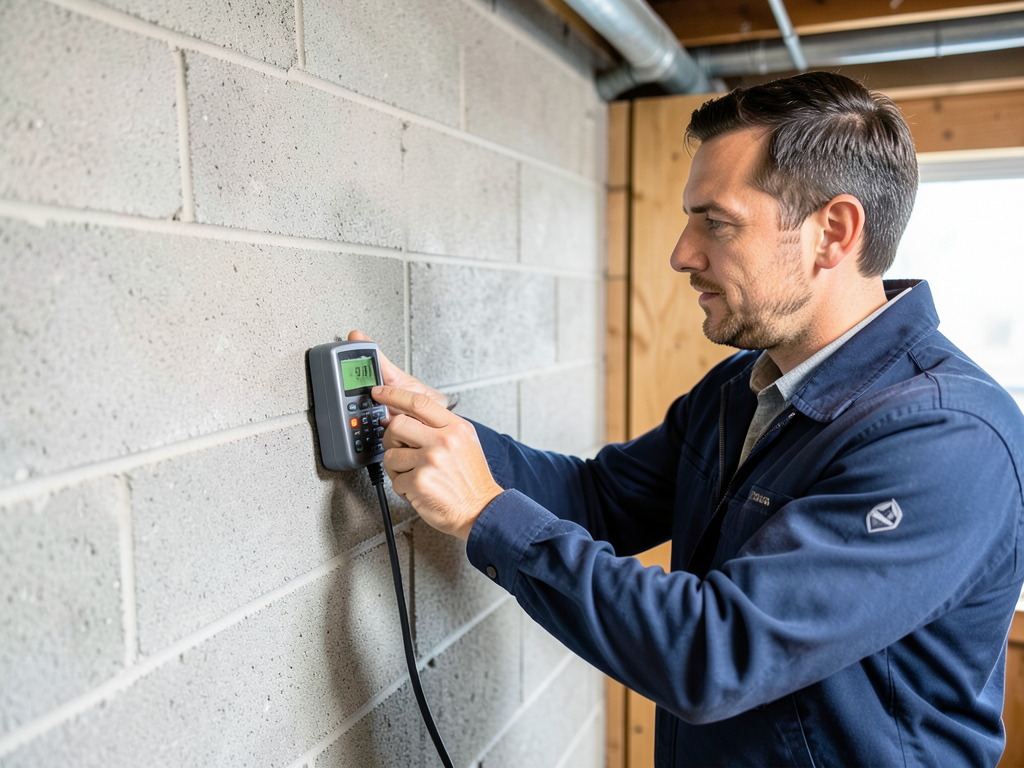
Our technicians use moisture meters and thermal imaging to detect water inside block cavities without destructive testing. We provide detailed reports and recommendations specific to your home’s construction and Warren’s soil conditions.
Don’t wait for visible damage to appear. Call (313) 572-5559 today to schedule your inspection. Early detection can save thousands in structural repairs and protect your family’s health from mold exposure. EPA mold information.
Frequently Asked Questions
How much water can cinder block walls hold?
A standard 8-inch concrete block can hold approximately 1.5 gallons of water when fully saturated. The hollow cores and porous concrete allow blocks to absorb significant moisture from surrounding soil.
Can I fix water in cinder block walls myself?
Surface treatments like waterproofing paint only mask the problem. Water pressure will continue forcing moisture through the blocks. Professional solutions involving drainage systems and weep holes are necessary for long-term results.
How long does it take for mold to grow in wet cinder blocks?
Mold can begin growing within 24-48 hours in temperatures between 77-86°F. The dark, damp environment inside block cavities provides ideal conditions for mold colonies to establish themselves out of sight.
What causes water to get inside cinder block walls?
Hydrostatic pressure from saturated soil pushes water through the porous concrete and into the hollow cores. Freeze-thaw cycles, poor drainage, and high clay content in Southeast Michigan soil all contribute to this problem.
How can I tell if my cinder block walls have water inside?
Look for efflorescence (white powdery deposits), dark streaks, damp spots that never dry, peeling paint, and musty odors. Soft or crumbly mortar joints also indicate water damage. Professional moisture testing can detect hidden problems.