
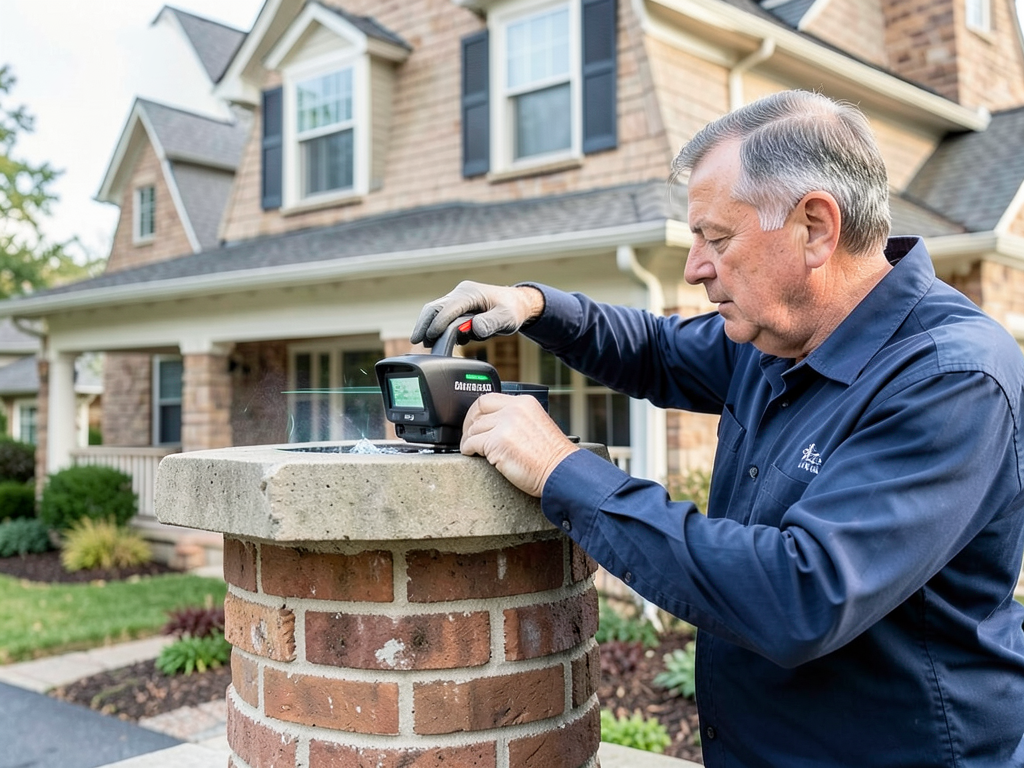
Tracking Down a Hidden Leak in Your Bloomfield Hills Chimney Crown
If you’ve noticed water stains on your ceiling near the fireplace or a musty smell in your living room during Michigan’s rainy season, your chimney crown might be the culprit. In Bloomfield Hills, where historic homes and seasonal freeze-thaw cycles meet, a compromised chimney crown can quietly let water seep into your walls, attic, and even your foundation. Early detection is the difference between a simple repair and thousands in structural restoration costs. EPA mold guidelines.
5 Common Symptoms of a Leaking Chimney Crown
Before you call a restoration team, it helps to know what to look for. Here are the most frequent warning signs homeowners in Bloomfield Hills report:
- Cracks in the crown surface – Hairline fractures often start near the edges where mortar meets the flue. These expand with every freeze-thaw cycle.
- Efflorescence on brick – White, powdery deposits on your chimney’s exterior indicate moisture is moving through the masonry.
- Spalling bricks – When the outer layer of brick flakes or chips away, it’s a sign trapped water is freezing and expanding inside.
- Rusted damper or firebox – Rust inside your fireplace means water is entering through the crown and running down the flue.
- Interior water stains – Brown or yellow discoloration on walls or ceilings near the chimney stack is a red flag.
If you spot any of these, it’s time to act. Water damage spreads fast once it finds a path inside. Water Damage Restoration Livonia.
Why Detroit’s Freeze-Thaw Cycle Destroys Chimney Crowns
Michigan winters are brutal on masonry. When snow melts on your roof, water runs into tiny cracks in the chimney crown. Overnight, temperatures drop below freezing, and that water expands by about 9%. This expansion forces the crack wider. The next day, the process repeats. Over a single season, a hairline fracture can turn into a gaping hole. Water Damage Restoration Warren.
In Bloomfield Hills, where many homes were built before modern waterproofing standards, this cycle is even more destructive. Older mortar mixes are softer and more porous, and many crowns were poured without expansion joints. The result is a perfect storm for water intrusion.
The Difference Between a Crown Leak and a Flashing Leak
Confusing the two is common, but the source of the leak determines the repair. A crown leak starts at the very top of the chimney and often shows up as ceiling stains near the fireplace. A flashing leak, on the other hand, occurs where the chimney meets the roof and usually causes water to run down the exterior walls.
Here’s a quick comparison:
| Symptom | Crown Leak | Flashing Leak |
|---|---|---|
| Water entry point | Top of chimney | Roof/chimney seam |
| Common stain location | Ceiling near fireplace | Wall near roofline |
| Repair method | Crown sealing or rebuild | Flashing replacement |
If you’re unsure, a moisture meter scan at the crown and flashing points can pinpoint the exact source.
Risks of Ignoring Chimney Water Damage
Water is patient. It doesn’t need a big opening to cause big problems. Once inside, it can:
- Promote mold growth in wall cavities within 24-48 hours
- Degrade wooden structural members, leading to rot
- Damage insulation, reducing your home’s energy efficiency
- Cause brick and mortar to fail, risking chimney collapse
- Trigger costly insurance claims if left unaddressed
In Bloomfield Hills, where many homes have historic value, ignoring a crown leak can also mean losing irreplaceable architectural details. Restoration costs can easily climb into the thousands if water has been active for months.
Professional Diagnosis and Restoration in Bloomfield Hills
When you call a restoration professional, the process starts with a full chimney inspection. We use infrared cameras to detect hidden moisture in walls and attics, and moisture meters to measure saturation levels in masonry. If the crown is compromised, we’ll seal small cracks with CrownCoat or rebuild larger sections using high-strength, elastomeric mortar designed to flex with temperature changes. Professional Cleanup for Flooded Basements in Dearborn (What to Expect and Why It Matters).
Our team also checks for related issues like damaged flashing, missing chimney caps, and deteriorated mortar joints. If water has already entered your home, we’ll set up containment barriers, extract standing water, and deploy industrial-grade dehumidifiers to prevent mold growth.
Call (313) 572-5559 today to schedule your chimney crown inspection. We offer 24/7 emergency response for water damage in Bloomfield Hills and surrounding Metro Detroit communities.
Frequently Asked Questions
How can I tell if my chimney crown is leaking?
Look for cracks in the crown, efflorescence on bricks, rusted damper components, or water stains near your fireplace. A professional inspection can confirm the source.
Can I seal a chimney crown leak myself?
Small cracks can be sealed with CrownCoat, but if the crown is crumbling or has large gaps, professional repair is safer and more durable.
How much does chimney crown repair cost in Bloomfield Hills?
Prices vary based on damage extent. Minor sealing starts around $300, while full crown rebuilds can exceed $2,000. We provide free estimates.
Is chimney crown damage covered by insurance?
Most policies cover sudden, accidental water damage but not gradual wear. If the leak caused interior damage, your claim may include both repair and restoration.
How long does chimney crown repair take?
Sealing can be done in a few hours. Crown replacement may take one to two days, depending on weather and material curing times. For more information, visit 2021 International Residential Code.