




menu

Sewage Backup Cleanup in Detroit – Fast Response to Prevent Health Hazards and Permanent Property Damage

When raw sewage floods your property, every minute counts. Our certified sewage remediation teams deploy across Detroit within 60 minutes to stop contamination, extract biohazards, and restore safety before structural damage becomes irreversible.

Slider Image 1
Slider Image 2
Slider Image 3
Slider Image 4
Slider Image 5
Slider Image 7
Slider Image 8
Slider Image 9
Slider Image 10
Slider Image 11

Why Detroit Properties Face Severe Sewage Backup Risks

Detroit's aging sewer infrastructure was built between the 1920s and 1950s. Many neighborhoods still rely on combined sewer systems that handle both stormwater and sanitation in a single pipe. When heavy rains hit, these systems overload and force raw sewage back through floor drains, toilets, and basement fixtures.

The city's freeze-thaw cycle makes the problem worse. Winter temperatures drop below 20 degrees, then spike into the 40s within days. This expansion and contraction cracks clay sewer lines underground. Tree roots from Detroit's mature elms and maples invade these fractures, creating blockages that redirect sewage into homes and businesses.

Properties near the Rouge River and in low-lying areas like Jefferson Chalmers, Brightmoor, and the Osborn neighborhood experience the highest frequency of sewer backup incidents. The water table sits close to the surface in these zones, which means saturated soil cannot absorb overflow. When municipal systems fail, sewage has nowhere to go except into your building.

Raw sewage contains E. coli, hepatitis A, salmonella, and other pathogens that become airborne within hours. Drywall absorbs contaminated water in minutes. Flooring substructures trap bacteria in places you cannot see or reach. You need professional sewage removal that follows IICRC S500 standards for Category 3 water damage, the most hazardous classification in water damage restoration.

Delaying cleanup increases health risks and repair expenses. Insurance companies scrutinize sewage damage claims closely. Documentation must prove you acted immediately to mitigate loss, or coverage gets denied.

Why Detroit Properties Face Severe Sewage Backup Risks
Our Sewage Damage Restoration Protocol

Our Sewage Damage Restoration Protocol

Sewage backup cleaning requires containment, extraction, disinfection, and structural drying in a specific sequence. Skipping steps or using household cleaners creates a false sense of safety while bacteria colonize hidden cavities.

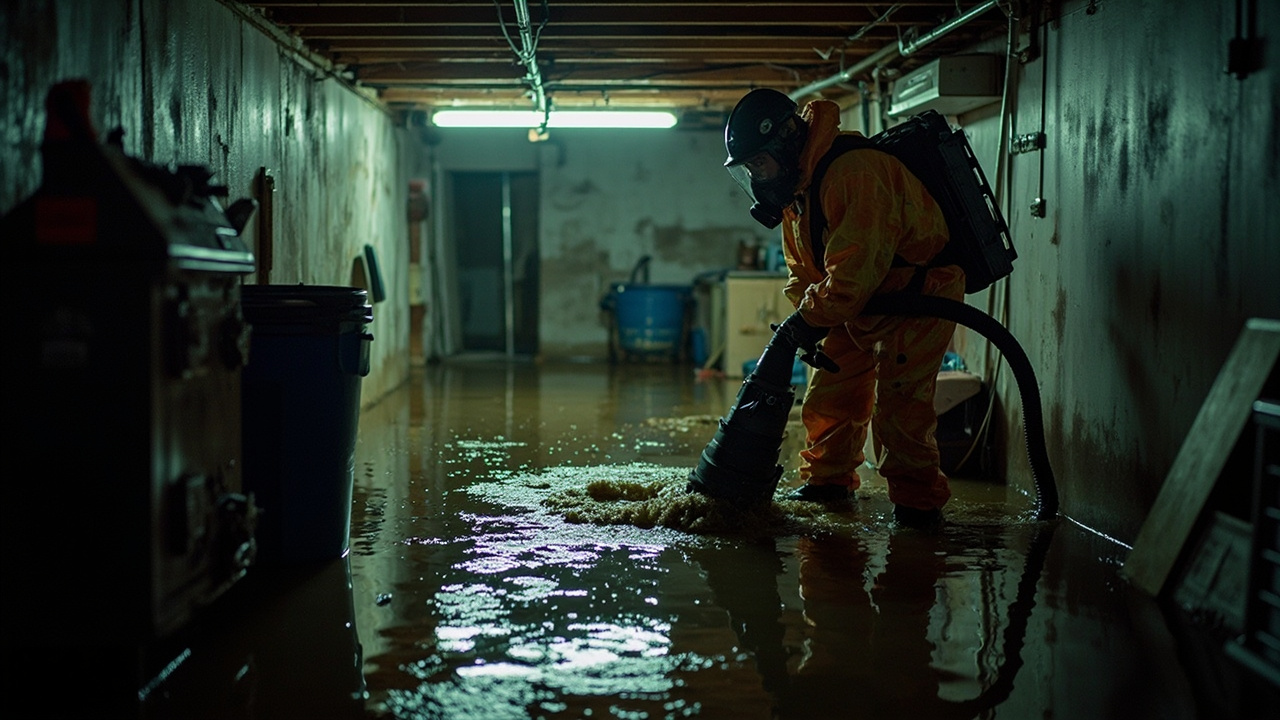
We establish negative air pressure zones using HEPA-filtered air scrubbers that prevent cross-contamination to unaffected areas. Technicians wear Level C personal protective equipment, including respirators and chemical-resistant suits, because sewage fumes contain hydrogen sulfide and methane.

Truck-mounted extraction units remove standing sewage and saturated materials. We do not use shop vacuums or wet-dry vacuums. Those tools lack the power to pull contaminated water from concrete pores and carpet padding. They also spread pathogens through exhaust vents.

All porous materials that contacted sewage get removed and disposed of following EPA guidelines. This includes drywall below the waterline, insulation, baseboards, and carpeting. Semi-porous materials like hardwood flooring and plywood subfloors get evaluated individually. If saturation reaches the tongue-and-groove joints or delamination begins, replacement is the only safe option.

After extraction and demolition, we apply EPA-registered antimicrobial solutions to all affected surfaces. These are not bleach or household disinfectants. We use hospital-grade quaternary ammonium compounds that kill sewage pathogens on contact and leave a protective residue film.

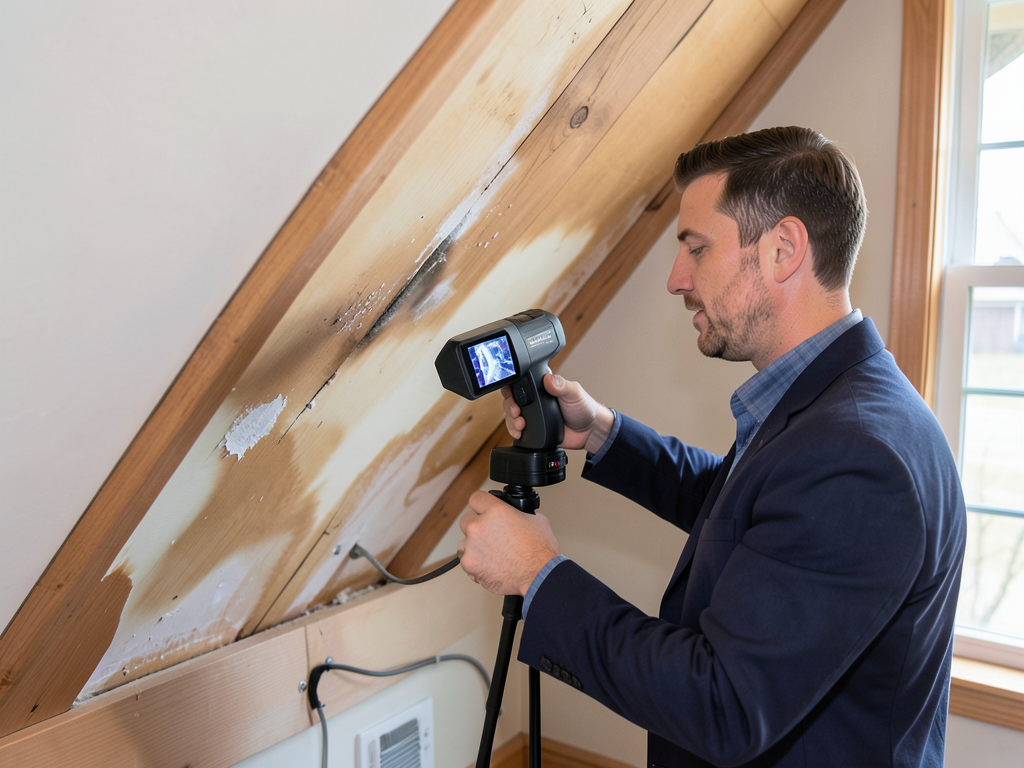
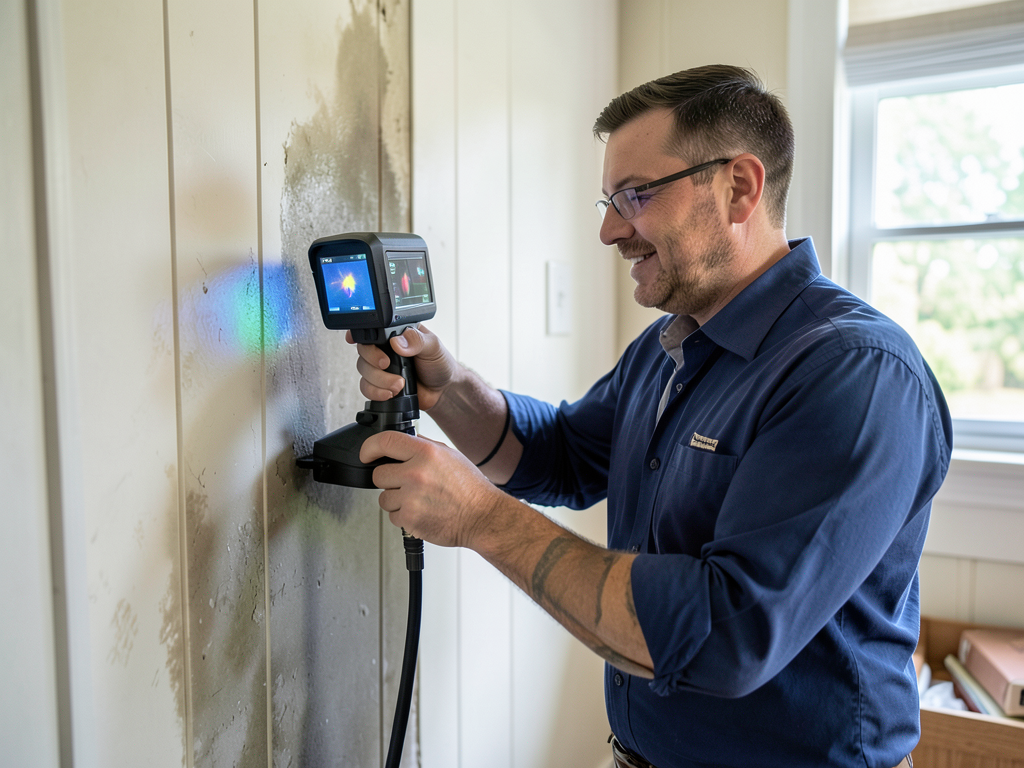
Industrial dehumidifiers and air movers run continuously until moisture readings drop below 15 percent. We document readings with thermal imaging and moisture meters at 24-hour intervals. This data becomes part of your insurance claim and proves compliance with drying standards.

Ironwood Water Damage Restoration Detroit coordinates directly with your insurance adjuster to streamline approvals and keep the project moving without delays.

What Happens During Your Sewage Cleanup Service

Sewage Backup Cleanup in Detroit – Fast Response to Prevent Health Hazards and Permanent Property Damage
01

Emergency Containment and Assessment

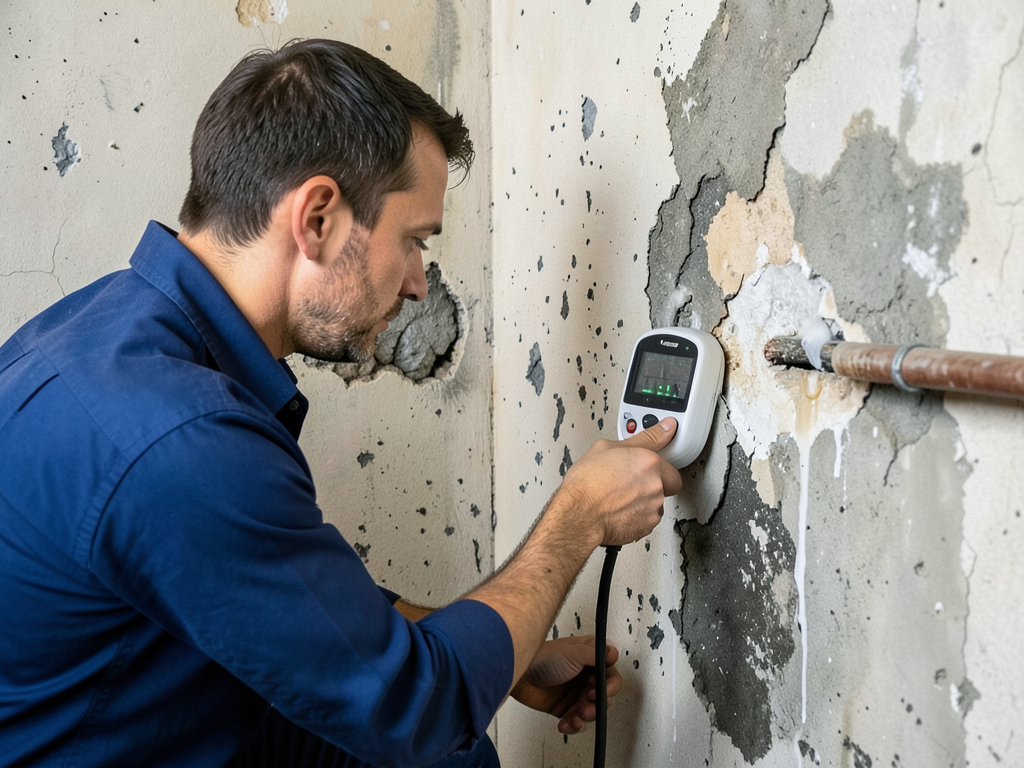
Our team arrives with containment barriers and air filtration equipment. We stop sewage from spreading to clean areas, then map the extent of contamination using moisture detection tools. You receive a detailed scope of damage within the first hour, including what can be saved and what requires removal. We photograph everything for insurance documentation before starting extraction.
02

Extraction and Disposal

Truck-mounted pumps extract sewage and floodwater from all affected spaces. Contaminated materials get bagged, labeled as biohazard waste, and removed from the property in sealed containers. We strip structures down to studs and subfloors if necessary, exposing all surfaces to treatment. This phase eliminates the source of odor and pathogen risk. Disposal follows Michigan Department of Environment, Great Lakes, and Energy regulations.
03

Disinfection and Structural Drying

After removal, antimicrobial agents treat every surface that contacted sewage. Dehumidifiers and air movers run in a controlled environment until moisture levels return to baseline. We test air quality to confirm no airborne contaminants remain. Once drying is complete and surfaces pass final inspection, reconstruction can begin. You receive a certificate of completion documenting that your property meets safety standards for reoccupancy.

Why Detroit Property Owners Choose Local Sewage Remediation Experts

Sewage backup cleanup is not a job for general water damage companies. It requires specialized training in biohazard handling, pathogen deactivation, and compliance with both OSHA bloodborne pathogen standards and Michigan environmental regulations.

Ironwood Water Damage Restoration Detroit employs IICRC-certified technicians who complete annual training in Category 3 water damage protocols. We understand how Detroit's infrastructure failures create unique contamination patterns. A basement backup in Indian Village requires different containment strategies than a commercial sewer overflow in Corktown, because building types and drainage systems vary.

We maintain relationships with local plumbers who specialize in sewer line repair and municipal engineers who can expedite backflow preventer permits. This network speeds up the restoration timeline. If your backup stems from a city main failure, we coordinate with the Detroit Water and Sewage Department to document the incident and support your claim for reimbursement.

Insurance companies trust our documentation because we follow industry protocols exactly. Our estimates include line-item breakdowns that match Xactimate pricing, the software adjusters use to evaluate claims. This reduces disputes and keeps your claim moving forward.

Time matters in sewage damage restoration. Bacteria double in population every 20 minutes under ideal conditions. Sewage creates those conditions. A 12-hour delay can turn a manageable cleanup into a gut renovation. We answer emergency calls 24 hours a day because we know contamination does not wait for business hours.

You also get direct communication with project supervisors, not call center operators. When you phone our dispatch line, you speak with someone who knows your property and your claim status.

What You Can Expect From Our Sewage Cleanup Services

Response Time and Availability

Our dispatch operates around the clock, every day of the year. When you call with a sewage emergency, a crew mobilizes within 60 minutes anywhere in Detroit and the surrounding metro area. We arrive with containment supplies, extraction equipment, and personal protective gear already loaded. Initial assessment and containment happen immediately to stop contamination spread. You do not wait days for an estimate. We provide a verbal scope of work on-site and follow up with written documentation within four hours. Emergency response does not stop for weekends, holidays, or weather conditions.

Contamination Assessment and Safety Testing

We conduct a room-by-room evaluation using thermal imaging cameras and penetrating moisture meters to identify hidden saturation behind walls and under flooring. Air samples get collected if you have concerns about airborne pathogens or if occupants have respiratory conditions. Surface swabs confirm the presence of fecal coliform bacteria when needed for insurance disputes. All findings get documented with photographs, moisture maps, and written reports that meet insurance adjuster requirements. You receive a copy of all test results and a clear explanation of what the data means for your health and property.

Restoration Quality and Final Inspection

After disinfection and drying, we conduct a final walkthrough using ATP meters that measure biological contamination at the molecular level. Surfaces must show zero detectable pathogen activity before we clear them for rebuilding. Air quality testing confirms no mold spores or sewage gases remain. We provide you with a certificate of completion that includes moisture readings, air quality data, and photographic proof of proper restoration. This documentation protects you if you sell the property or file future insurance claims. The work meets or exceeds ANSI/IICRC S500 standards for professional water damage restoration.

Post-Cleanup Support and Prevention Planning

Once cleanup is complete, we provide recommendations for preventing future backups. This includes backflow preventer installation referrals, sump pump upgrades, and floor drain maintenance protocols. If your backup resulted from a municipal sewer failure, we help you file claims with the city and provide documentation to support reimbursement requests. We also offer annual inspection services to check basement waterproofing and drainage systems before problems develop. Our team remains available to answer questions about odors, staining, or concerns that arise after we leave. Follow-up visits are available at no charge within 30 days of project completion.

Frequently Asked Questions

You Have Questions,
We Have Answers

How to clean up after sewer back up? +

Do not attempt sewage cleanup yourself. Raw sewage contains dangerous pathogens like E. coli, hepatitis, and parasites. Stop the water source if possible and call a professional immediately. Technicians will extract standing sewage, remove contaminated materials like drywall and carpet, disinfect all surfaces with antimicrobial agents, and dry the area with industrial equipment. Detroit's older infrastructure means sewage backups often carry decades of contamination. Proper cleanup requires Category 3 water protocols, personal protective equipment, and air scrubbers to prevent airborne bacteria. Your safety depends on professional remediation, not DIY efforts.

How much does sewage backup cleanup cost? +

Sewage backup cleanup in Detroit ranges from a few hundred dollars for minor toilet overflows to several thousand for basement floods. Cost depends on contamination extent, affected square footage, material removal needs, and drying time. Older Detroit homes with basements face higher costs when finished spaces flood. Insurance coverage varies. Most homeowners policies exclude sewer backups unless you purchased optional sewer backup endorsement. Emergency mitigation starts immediately regardless of insurance status. Technicians document everything for claims. Waiting increases damage and costs as sewage saturates subflooring, drywall, and structural materials.

How to get rid of sewer smell after a backup? +

Sewage odor persists because bacteria and organic matter penetrate porous materials. Remove all contaminated items like carpet, padding, and damaged drywall. Surface cleaning will not work. Apply enzymatic cleaners to break down organic waste, then disinfect with antimicrobial solutions. Run air scrubbers with activated carbon filters to remove airborne particles. Detroit's humidity can trap odors, so dehumidifiers are essential. If smell remains after cleanup, sewage likely soaked into concrete or subflooring. Professional remediation includes odor encapsulants and thermal fogging. You cannot mask sewage smell. You must eliminate the contaminated source material.

Is it safe to clear a sewer line clog myself? +

No. Clearing sewer clogs yourself risks serious injury and contamination. Sewer lines contain raw waste, toxic gases like hydrogen sulfide and methane, and dangerous bacteria. Detroit's aging sewer infrastructure means pipes may be cracked, corroded, or collapsed. Improper augering can puncture lines or push blockages deeper. Chemical drain cleaners damage old cast iron and clay pipes common in Detroit homes. If you have backup, you need camera inspection to locate the blockage and assess pipe condition. Licensed plumbers have proper equipment, protective gear, and training. Sewer work is hazardous. Leave it to professionals.

Is it safe to live in a house after sewage backup? +

No. Do not stay in a home with active sewage contamination. Raw sewage releases airborne pathogens, toxic gases, and mold spores that cause respiratory illness, infection, and severe gastrointestinal disease. Children, elderly residents, and anyone with compromised immunity face extreme risk. Professional cleanup takes 3 to 5 days minimum, including extraction, disinfection, drying, and air quality testing. Detroit's older homes with basements face extended timelines when sewage saturates foundation walls. Temporary housing is safer. Return only after technicians confirm the space is sanitized, dried, and safe. Your health is not worth the risk.

How long do sewage bacteria last on surfaces? +

Sewage bacteria survive on surfaces for days to months depending on moisture, temperature, and material type. E. coli lives up to several weeks on hard surfaces. Hepatitis A can persist for months in moist environments. Porous materials like wood, drywall, and fabric harbor bacteria indefinitely once contaminated. Detroit's basement humidity extends bacterial survival. Surface wiping does not kill embedded pathogens. Professional remediation uses hospital-grade disinfectants with verified kill times for specific bacteria. Contaminated materials get removed entirely. You cannot sanitize sewage-soaked carpet or drywall. Removal is the only safe option. Bacteria do not die on their own.

Does homeowners insurance cover sewer back ups? +

Most standard homeowners policies exclude sewer backup damage. You need optional sewer backup coverage, also called water backup endorsement. This rider costs around 50 to 100 dollars yearly and covers backups from drains, sewers, and sump pumps. Detroit's combined sewer system overflows during heavy rain, causing frequent backups. Check your policy declarations page for sewer backup limits, typically 5,000 to 25,000 dollars. Without this endorsement, you pay out of pocket. If you have the coverage, file immediately and document everything. Mitigation companies work directly with insurance adjusters to streamline claims and protect your coverage.

Why is my sewer bill 200 dollars? +

Your sewer bill question relates to utility billing, not sewage backup cleanup. Detroit Water and Sewerage Department bills are high due to infrastructure repairs, lead pipe replacement programs, and volumetric charges based on water usage. If your bill spiked suddenly, check for leaks or meter errors. Contact DWSD for billing disputes. This is separate from sewage backup incidents. Sewage backups result from clogged lines, tree root intrusion, or municipal main failures. If a backup damaged your home, cleanup is your responsibility unless city infrastructure failed. Utility bills and emergency restoration are different issues requiring different solutions.

Do plumbers clean up sewage? +

Plumbers clear clogs and repair sewer lines but typically do not perform biohazard cleanup. Sewage remediation requires specialized training, equipment, and licensing. Water damage restoration companies handle extraction, disinfection, material removal, and structural drying. Plumbers fix the source problem. Restoration technicians clean the contamination. Detroit jobs often need both. A plumber clears the blockage or repairs the broken pipe. Then restoration professionals sanitize and rebuild. Some larger plumbing companies offer both services. For sewage emergencies, call a water damage restoration company first. They coordinate with plumbers as needed and handle the dangerous cleanup work.

What is the hardest smell to get rid of? +

Sewage smell is the hardest odor to eliminate because it penetrates porous materials and contains volatile organic compounds, sulfur gases, and decomposing waste. Unlike smoke or pet odors, sewage requires complete removal of contaminated materials. You cannot clean or deodorize sewage-soaked drywall, insulation, or subflooring. Detroit's humid climate worsens odor retention. Professional remediation removes all affected materials, applies antimicrobial treatments, and uses hydroxyl generators or ozone machines to neutralize airborne molecules. Surface sprays and air fresheners fail. Sewage odor means active contamination. Until you remove the source material, the smell persists and signals ongoing health risk.

How Detroit's Combined Sewer System Creates Sewage Backup Emergencies

Detroit operates one of the largest combined sewer systems in the United States, with over 750 miles of pipes that carry both rainwater and sanitation waste. When storms drop more than one inch of rain in an hour, treatment plants cannot process the volume. Excess flow gets diverted directly into basements through the same pipes that normally carry waste away from your property. The Detroit Water and Sewage Department reports over 12,000 backup incidents annually, with the highest concentration in neighborhoods built before 1950. Clay pipes installed during that era crack under freeze-thaw pressure and root intrusion, creating pathways for sewage to enter foundations through floor drains and toilet flanges.

Michigan building codes now require backflow preventers on all new construction and major renovations, but most residential properties in Detroit were built before these regulations took effect. This means your home likely has no mechanical barrier between municipal sewer lines and your basement plumbing. Local expertise matters because Detroit's system failures follow predictable patterns based on neighborhood topography and infrastructure age. Teams familiar with the city know which areas flood first during heavy rain and how to document municipal system failures for insurance claims and city reimbursement requests. This knowledge directly impacts claim approvals and out-of-pocket expenses.
Water Damage Restoration Services in The Detroit Area

Conveniently located to serve the Detroit area, Ironwood is always ready to respond to your water damage emergencies. Explore our service area on the map below or contact us directly to discuss your specific needs. We’re committed to providing prompt, professional service wherever you are within our operational zone, ensuring rapid deployment and effective restoration solutions when you need them most.

Address:
Ironwood Water Damage Restoration Detroit, 15324 Mack Ave, Detroit, MI, 48230

Additional Services We Offer

Our news updates

Latest Articles & News from The Blogs

A slow leak behind a Royal Oak bathroom wall can go unnoticed for weeks. By the time you smell mildew…

Why Smart Leak Detectors Are Worth Every Penny for Your Royal Oak Rental Property

A slow leak behind a Royal Oak bathroom wall can go unnoticed for weeks. By the time you smell mildew…

Why Your Whole House Humidifier in Warren Might Be Ruining Your Drywall

Your furnace runs all winter. Your whole house humidifier works quietly behind the scenes. And somewhere behind that drywall in…

What Black Water Flooding Actually Does to Your Health (A Detroit Homeowner's Guide)

A sewage backup in your Detroit basement is not just a cleanup problem. It is a biohazard event. The water…

Contact Us

Sewage contamination spreads fast and creates permanent damage within hours. Call Ironwood Water Damage Restoration Detroit now at (313) 572-5559 for emergency response. Our crews deploy immediately with containment and extraction equipment to stop the hazard and start recovery.