




menu

Fire & Smoke Damage Restoration in Detroit – 24/7 Emergency Response with Complete Structural Recovery

Ironwood Water Damage Restoration Detroit delivers fire and smoke mitigation across Metro Detroit, combining rapid emergency response with comprehensive structural cleanup to restore homes and businesses from soot, char, and hidden smoke damage.

Slider Image 1
Slider Image 2
Slider Image 3
Slider Image 4
Slider Image 5
Slider Image 7
Slider Image 8
Slider Image 9
Slider Image 10
Slider Image 11

Why Detroit Properties Face Complex Fire and Smoke Damage

Detroit's legacy housing stock presents unique fire restoration challenges that demand specialized expertise. The city's abundance of pre-1940s brick homes, many with original plaster and lathe construction, means smoke infiltrates every cavity, crack, and crevice in ways modern drywall never allows. When fire strikes a Woodbridge Victorian or a Corktown brick two-flat, smoke particles embed deep into horsehair plaster, original hardwood floors, and century-old joists.

The freeze-thaw cycles that define Detroit winters add another layer of complexity. Water used to extinguish the fire quickly freezes in unheated sections of damaged structures, causing secondary cracking and expansion damage to already compromised masonry and framing. Firefighting water that sits in basements during January cold snaps creates ice dams that buckle foundation walls and warp floor systems.

Detroit's industrial corridors along the Detroit River and I-94 corridor experience structure fires involving chemical accelerants, oils, and manufacturing residues that create toxic smoke profiles requiring hazmat-level cleanup protocols. A kitchen fire in Midtown differs fundamentally from a warehouse fire in the East Side industrial zone.

Fire damage repair in Detroit means understanding how smoke travels through balloon-frame construction common in neighborhoods like Indian Village and Boston-Edison. Smoke cleanup services must address the reality that soot migrates vertically through open wall cavities in these older homes, contaminating second and third floors even when the fire originated in the basement. You need fire restoration services that account for Detroit's specific building typologies, not generic approaches designed for suburban ranch homes.

Why Detroit Properties Face Complex Fire and Smoke Damage
How Professional Fire and Smoke Mitigation Actually Works

How Professional Fire and Smoke Mitigation Actually Works

Fire cleanup services start with atmospheric testing using photoionization detectors and particle counters to measure volatile organic compounds and particulate density in the air. We map contamination zones by testing surface pH levels, because acidic soot residue corrodes metal, etches glass, and degrades textiles at different rates depending on combustion temperature and fuel source.

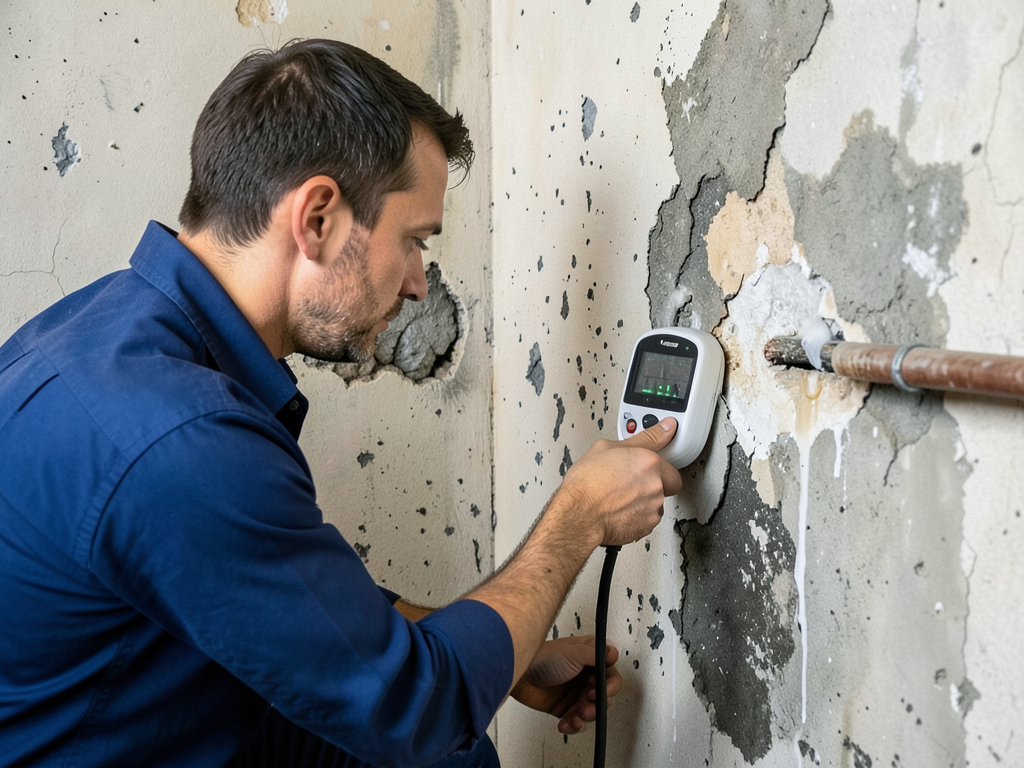
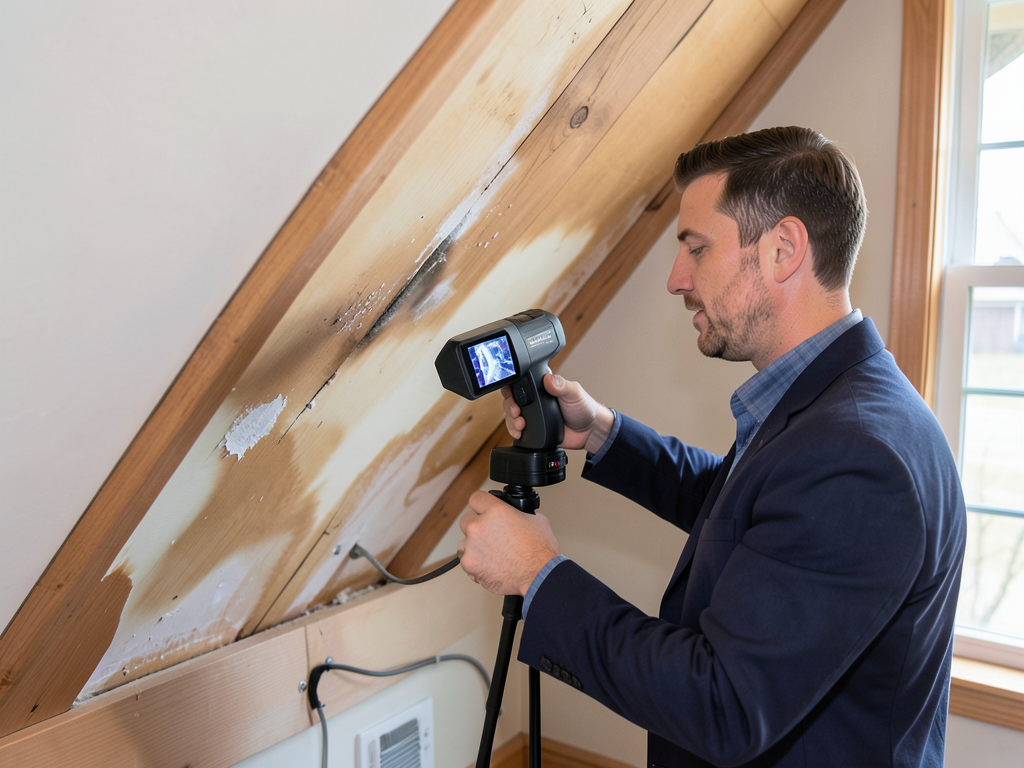
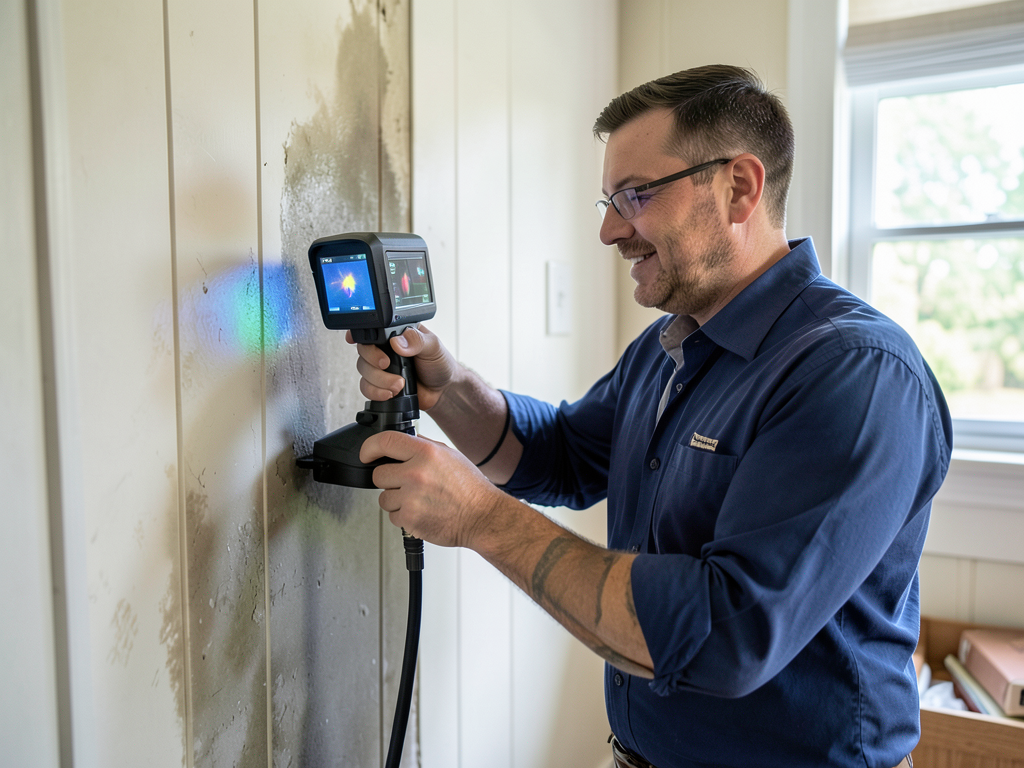
Thermal imaging cameras identify heat signatures in wall cavities and ceiling spaces where smoldering combustion continues hours after visible flames stop. These hidden hotspots reignite if not located and extinguished, turning a contained incident into total loss. We document temperature differentials and moisture content using infrared thermography paired with penetrating moisture meters that read through plaster and brick.

The actual smoke damage cleanup follows a contamination hierarchy. We establish negative air pressure zones using HEPA-filtered air scrubbers that create controlled airflow from clean to dirty areas, preventing cross-contamination during demolition. Hydroxyl generators and ozone machines oxidize odor molecules at the molecular level, but only after we remove all plants, pets, and porous materials that absorb ozone.

Soot removal requires specific chemistry. Protein-based smoke from kitchen fires needs alkaline cleaners. Synthetic smoke from burning plastics and upholstery requires solvent-based products. We test cleaning agents on inconspicuous areas first because the wrong chemical permanently sets stains into porous surfaces like marble, limestone, and unfinished wood.

Structural drying runs concurrent with smoke remediation. We use desiccant dehumidifiers in cold weather when refrigerant dehumidifiers lose efficiency below 60 degrees. This matters in Detroit, where winter fire restoration often happens in unheated structures with broken windows and compromised roofs.

What Happens During Emergency Fire Restoration

Fire & Smoke Damage Restoration in Detroit – 24/7 Emergency Response with Complete Structural Recovery
01

Immediate Site Stabilization

We arrive within 90 minutes of your call to secure the property with emergency board-up, tarp damaged roof sections, and document pre-mitigation conditions with photo and video evidence your insurance adjuster needs. Our team identifies structural hazards like compromised floor joists and unsafe electrical systems before beginning any cleanup work, ensuring safe access for both restoration crews and occupants retrieving essential items.
02

Contamination Mapping and Removal

After establishing negative air pressure zones, we systematically remove all materials that cannot be effectively cleaned: charred framing, contaminated insulation, and smoke-saturated drywall. We catalog and pack out salvageable contents for off-site cleaning using ultrasonic cleaning, dry-ice blasting, or ozone chambers depending on material composition. Every removed material gets documented with disposal certificates required by environmental regulations and insurance carriers.
03

Complete Odor Elimination

Final deodorization uses thermal fogging that penetrates the same pathways smoke traveled during the fire, neutralizing odor molecules trapped in cracks, cavities, and porous surfaces. We seal all surfaces with encapsulating primers that lock in residual odors before reconstruction begins. Post-treatment air quality testing confirms particulate levels and VOC concentrations meet EPA indoor air standards, giving you documentation that your property is truly safe to reoccupy.

Why Detroit Properties Need Local Fire Restoration Expertise

Ironwood Water Damage Restoration Detroit understands the building materials and construction methods that define Detroit's residential and commercial landscape. We have restored fire damage in Grosse Pointe mansions with horsehair plaster walls, Southwest Detroit brick bungalows with full basements, and Downtown Detroit loft conversions with exposed timber beams and open ductwork. Each building type presents different smoke migration patterns and cleanup challenges.

Our teams know which Detroit neighborhoods have combined sewers that back up during heavy firefighting water discharge, creating sewage contamination on top of fire damage. We understand how to navigate Detroit's building permit process for fire reconstruction projects, including which improvements trigger mandatory code upgrades under current ordinances. That knowledge prevents surprise costs and project delays during an already stressful recovery.

We maintain relationships with Detroit-area structural engineers who provide emergency shoring assessments, industrial hygienists who test for asbestos in pre-1980s buildings disturbed by fire, and environmental consultants who certify hazmat cleanup in commercial properties. Fire restoration often requires a team of specialists, and we coordinate that entire process.

Our equipment inventory includes truck-mounted extraction units that remove thousands of gallons of firefighting water from basements in hours, not days. We stock cold-weather desiccant dehumidifiers that work in freezing temperatures when winter fires leave properties without heat. We maintain an inventory of emergency power generators, temporary heating equipment, and negative air machines ready to deploy 24/7.

You get crews who have worked in Detroit's older building stock and understand the difference between surface cleaning and true fire restoration. We know when materials can be saved and when they must be removed, preventing future odor problems and hidden contamination that emerges months after incomplete cleanup.

What You Should Expect from Fire Damage Restoration

Emergency Response Time

We dispatch crews within 90 minutes of your call, any time of day or night. Fire damage worsens every hour as acidic soot etches glass, corrodes metal, and permanently stains porous surfaces. Immediate response means salvaging contents and building materials that become total losses if cleanup delays 24 or 48 hours. Our trucks carry emergency supplies to begin stabilization work the moment we arrive, not after returning to the shop for equipment. You get technicians who start mitigation immediately, beginning the insurance claims process while protecting your property from additional deterioration.

Comprehensive Damage Assessment

Initial assessment includes thermal imaging of all wall cavities and ceiling spaces to locate hidden fire extension and smoldering materials. We test air quality to measure particulate density and volatile organic compounds, establishing baseline contamination levels. Surface testing identifies soot composition, which determines cleaning methods and products. We document everything with photographs, moisture readings, and written reports that satisfy insurance requirements. You receive a detailed scope of work explaining what must be removed, what can be cleaned, and why each step matters for complete restoration.

Verified Clean Results

Finished restoration means surfaces test neutral for pH, air quality meets EPA residential standards, and no smoke odor remains detectable. We use third-party air quality testing to verify particulate counts and VOC levels before calling a project complete. Encapsulating sealers lock in any residual odors before new paint and finishes go on. You get documentation proving your property is safe to occupy, not just visually clean. This verification matters for property sales, tenant occupancy, and your own health, providing confidence that restoration was thorough and professional.

Insurance Coordination Support

We work directly with your insurance adjuster, providing documentation, estimates, and progress reports throughout restoration. Our detailed photo documentation and testing results support your claim by proving the extent of damage and necessity of each repair. We explain the difference between surface cleaning and proper smoke remediation to adjusters unfamiliar with fire restoration science. You get an advocate who speaks the insurance industry's language while protecting your interests, helping you receive the full coverage your policy provides. We track all work against your approved estimate, managing change orders and supplemental claims as hidden damage emerges.

Frequently Asked Questions

You Have Questions,
We Have Answers

How Detroit's Older Housing Stock Complicates Fire and Smoke Damage

Detroit's building inventory includes over 140,000 structures built before 1940, many featuring balloon-frame construction that creates continuous vertical cavities from basement to attic. When fire occurs in these homes, smoke travels unimpeded through these open channels, contaminating floors far from the fire origin. Plaster walls with horsehair binder absorb smoke and odors far more aggressively than modern drywall, requiring complete removal in many cases where newer construction could be cleaned. The city's abundance of brick exteriors with wooden interior framing means smoke damage often hides behind masonry walls, requiring destructive investigation to locate all contaminated materials.

Successful fire restoration in Detroit requires familiarity with the city's historic preservation guidelines that govern work in local historic districts like Indian Village, Boston-Edison, and West Village. Many fire-damaged homes require architectural review board approval before reconstruction can begin, adding time-sensitive steps to the recovery process. We understand these local requirements and build them into project timelines. Our experience with Detroit's building department inspection process ensures fire restoration work meets current code while respecting historic building fabric, helping you navigate the regulatory complexity that defines restoration work in the city's older neighborhoods.
Water Damage Restoration Services in The Detroit Area

Conveniently located to serve the Detroit area, Ironwood is always ready to respond to your water damage emergencies. Explore our service area on the map below or contact us directly to discuss your specific needs. We’re committed to providing prompt, professional service wherever you are within our operational zone, ensuring rapid deployment and effective restoration solutions when you need them most.

Address:
Ironwood Water Damage Restoration Detroit, 15324 Mack Ave, Detroit, MI, 48230

Additional Services We Offer

Our news updates

Latest Articles & News from The Blogs

A slow leak behind a Royal Oak bathroom wall can go unnoticed for weeks. By the time you smell mildew…

Why Smart Leak Detectors Are Worth Every Penny for Your Royal Oak Rental Property

A slow leak behind a Royal Oak bathroom wall can go unnoticed for weeks. By the time you smell mildew…

Why Your Whole House Humidifier in Warren Might Be Ruining Your Drywall

Your furnace runs all winter. Your whole house humidifier works quietly behind the scenes. And somewhere behind that drywall in…

What Black Water Flooding Actually Does to Your Health (A Detroit Homeowner's Guide)

A sewage backup in your Detroit basement is not just a cleanup problem. It is a biohazard event. The water…

Contact Us

Fire damage worsens every hour. Call Ironwood Water Damage Restoration Detroit now at (313) 572-5559 for emergency response. Our crews are ready 24/7 to stabilize your property, document damage for insurance, and begin professional fire and smoke restoration. Do not wait.