




menu

Office Building Water Restoration in Detroit – Minimize Downtime and Protect Your Business Assets

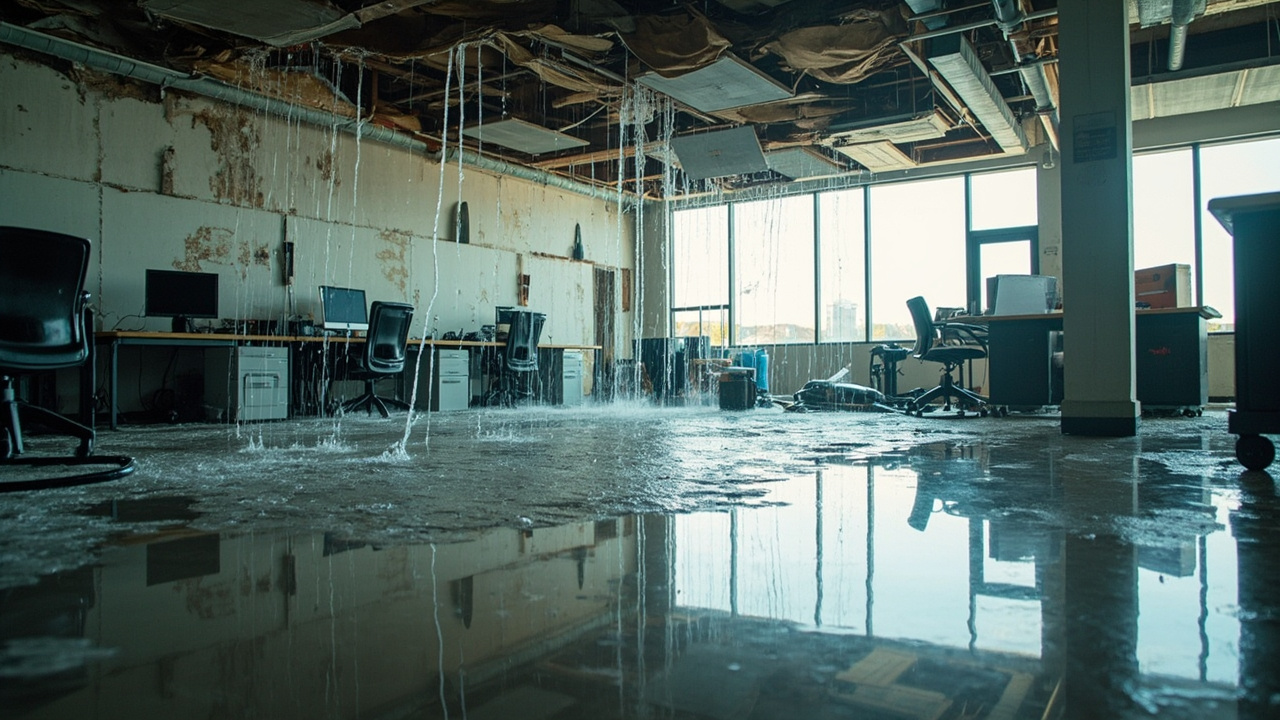
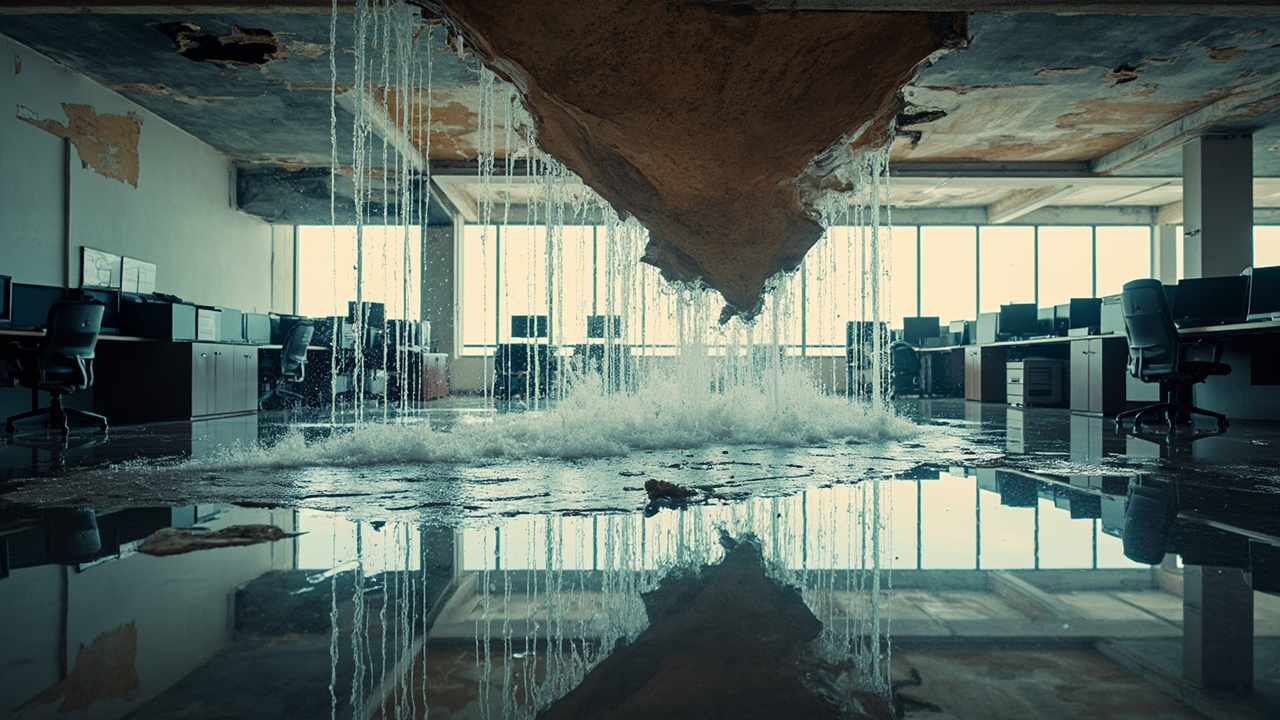
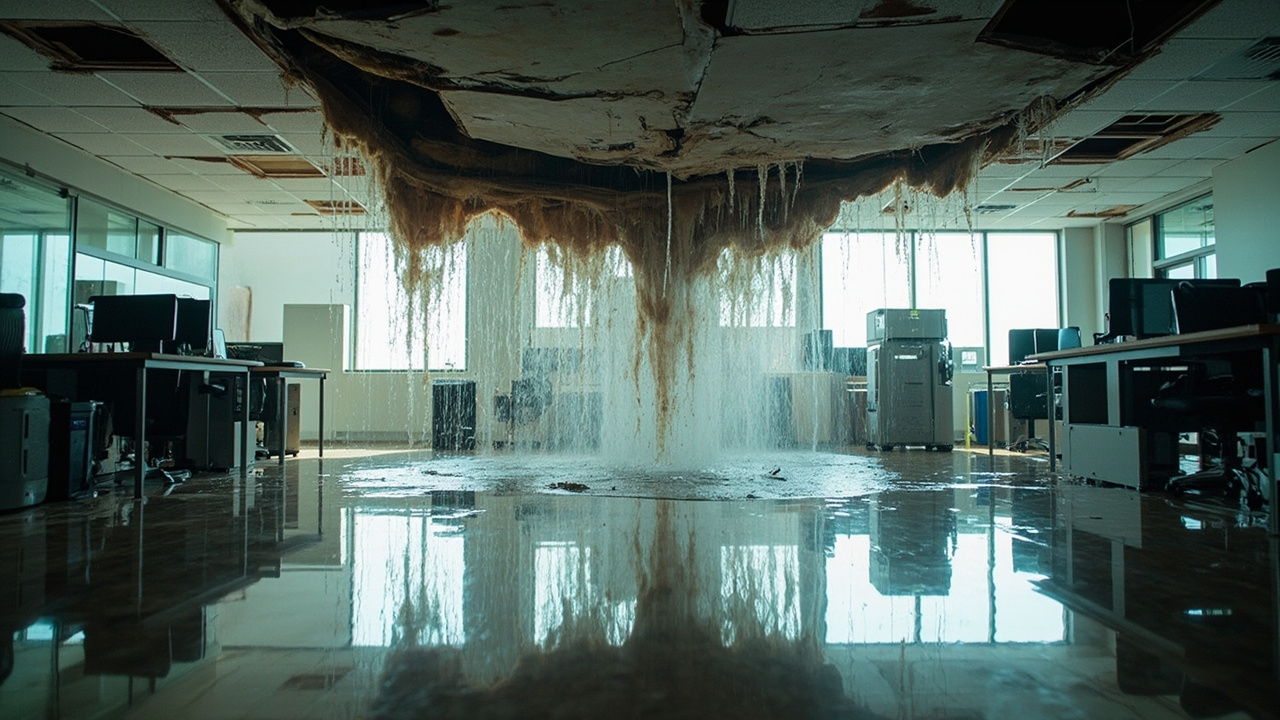
When water infiltrates your commercial property, every hour of delay increases your liability and revenue loss. Ironwood Water Damage Restoration Detroit delivers rapid commercial building water extraction and complete office water damage cleanup designed to restore business operations while maintaining compliance with Detroit building codes.

Slider Image 1
Slider Image 2
Slider Image 3
Slider Image 4
Slider Image 5
Slider Image 7
Slider Image 8
Slider Image 9
Slider Image 10
Slider Image 11

Why Detroit Office Buildings Face Unique Water Damage Risks

Detroit's aging commercial infrastructure creates specific vulnerabilities for office buildings. Many properties in the Central Business District and New Center were constructed before modern waterproofing standards existed. When you combine pre-1960s plumbing systems with Detroit's freeze-thaw cycles, the risk of catastrophic pipe failure increases exponentially.

The city's combined sewer system creates another problem. During heavy spring rains, basement flooding from sewer backflow affects commercial properties along Woodward Avenue and throughout Midtown. Your building's storm drain capacity may meet code, but that does not protect you when the city's infrastructure gets overwhelmed.

Detroit's transition from manufacturing to mixed-use development means many office spaces occupy repurposed industrial buildings. These conversions often lack proper vapor barriers and modern HVAC drainage systems. Water migrates through concrete floors, wicks up masonry walls, and saturates drywall in ways you cannot see until the damage reaches critical mass.

Commercial property water mitigation in Detroit requires understanding these structural realities. You face different challenges than suburban office parks. Your building materials are different. Your mechanical systems are older. Your insurance carrier expects faster response times because business interruption costs compound hourly.

Water damage in an office environment is not just about wet carpet. You are looking at potential electrical hazards, mold liability under Michigan statute, compromised structural integrity, and the very real possibility of extended closure if restoration gets mishandled. Business water damage repair cannot wait for convenient scheduling.

Why Detroit Office Buildings Face Unique Water Damage Risks
Industrial-Grade Extraction and Structural Drying Protocols

Industrial-Grade Extraction and Structural Drying Protocols

Commercial water damage restoration operates under different parameters than residential work. Your office building requires Class 3 or Class 4 water extraction equipment capable of removing hundreds of gallons per hour. Standard wet-vacs do not cut it when you are dealing with flooded server rooms or water-logged conference spaces across multiple floors.

We deploy truck-mounted extraction units that generate vacuum power residential equipment cannot match. For deep water in basements or parking structures, submersible pumps rated for commercial applications move water at 50 to 100 gallons per minute. Speed matters because every hour water sits increases the depth of material penetration and expands the affected square footage.

After extraction, structural drying begins immediately. We use psychrometric calculations to determine exactly how many air movers and dehumidifiers your specific space requires. This is not guesswork. We measure temperature, relative humidity, and moisture content in building materials, then create a drying chamber that forces moisture out of concrete, wood framing, and wall cavities.

For office buildings in Detroit's historic districts, we modify drying protocols to protect original architectural features. You cannot blast heated air at 100-year-old plaster without causing additional damage. We use low-grain refrigerant dehumidifiers that pull moisture from the air without creating temperature swings that crack period materials.

Detroit's commercial building codes require specific moisture thresholds before reconstruction can begin. We document moisture levels daily using penetrating moisture meters and thermal imaging. Your insurance adjuster needs this documentation. Your general contractor needs verification that framing is below 15 percent moisture content before closing walls.

How We Restore Your Office to Operational Status

Office Building Water Restoration in Detroit – Minimize Downtime and Protect Your Business Assets
01

Emergency Response and Assessment

We arrive within 90 minutes of your call to stop water intrusion at the source and assess structural impact. Our technicians identify the water category, determine affected zones, and photograph conditions for your insurance documentation. You receive a preliminary scope of work before we extract the first gallon. This initial assessment determines whether you need full building evacuation or if we can isolate affected areas to maintain partial operations.
02

Extraction and Containment

We establish physical barriers using polyethylene sheeting and negative air pressure to contain the work area and prevent cross-contamination to occupied spaces. Commercial-grade extractors remove standing water while air scrubbers with HEPA filtration control airborne particulates. We remove saturated materials that cannot be salvaged, including wet insulation, damaged ceiling tiles, and compromised drywall. Salvageable furniture and equipment gets moved to dry storage or protected in place with moisture barriers.
03

Structural Drying and Verification

We monitor moisture levels twice daily until all materials reach acceptable thresholds for reconstruction. Drying equipment runs continuously, adjusted based on psychrometric readings and moisture meter data. You receive daily progress reports with documented moisture levels and projected completion dates. Once structural drying is complete and verified, we provide clearance documentation that satisfies Detroit building inspectors and your insurance carrier's requirements for proceeding with repairs.

Why Detroit Businesses Choose Ironwood for Commercial Restoration

Office building water restoration in Detroit requires more than equipment and good intentions. You need a restoration contractor who understands Michigan commercial building codes, knows how to navigate Detroit's permitting process, and can coordinate with your property management team to minimize business disruption.

We maintain relationships with commercial general contractors throughout Metro Detroit who specialize in office build-outs and tenant improvements. When your restoration project requires structural repairs or full reconstruction, we bring in qualified partners who understand commercial timelines and performance requirements. You get a single point of contact managing the entire process from emergency response through final inspection.

Detroit's insurance market has specific documentation requirements for commercial claims. We provide the detailed moisture logs, photographic evidence, and equipment placement records your adjuster needs to process claims efficiently. Our estimates follow Xactimate pricing standards, which streamlines approval and reduces back-and-forth negotiations that delay project starts.

Many Detroit office buildings contain asbestos in floor tiles, pipe insulation, or ceiling materials. Water damage often requires disturbing these materials. We coordinate with licensed asbestos abatement contractors and ensure all work complies with Michigan Department of Environment, Great Lakes, and Energy regulations. You avoid compliance violations that could shut down your building or trigger EPA enforcement.

For office buildings in greater Downtown Detroit, we understand access challenges. Loading dock scheduling, freight elevator coordination, after-hours work to avoid disrupting tenants during business hours. We adapt our workflow to your building's operational requirements. Your tenants should barely notice we are there, except for the equipment hum and the fact that their space is getting progressively drier.

What Your Business Can Expect During Restoration

Response Time and Project Duration

We dispatch crews to Detroit commercial properties within 90 minutes of your emergency call, day or night. Initial water extraction typically completes within 24 hours depending on the volume of water and building access. Structural drying takes three to seven days for most office water damage scenarios, though high-humidity conditions or deeply saturated concrete may extend that timeline. We provide realistic completion estimates based on psychrometric data, not optimistic guesses. You receive daily progress updates with moisture readings and projected milestones so you can plan your business continuity strategy around factual information.

Initial Damage Assessment Process

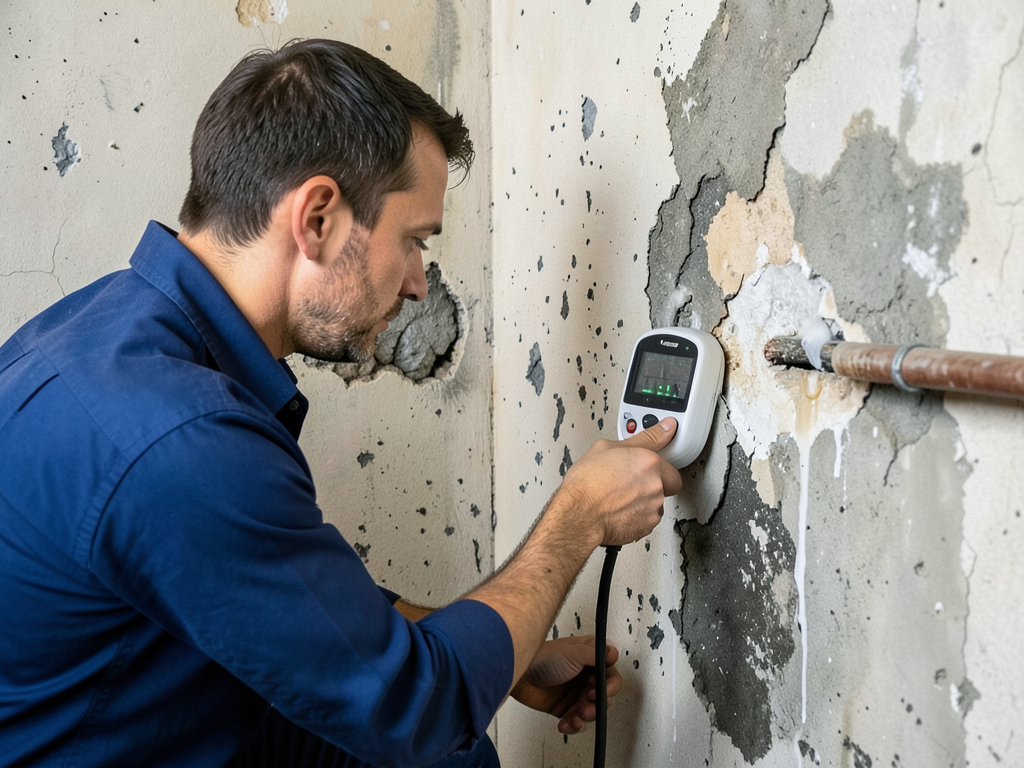
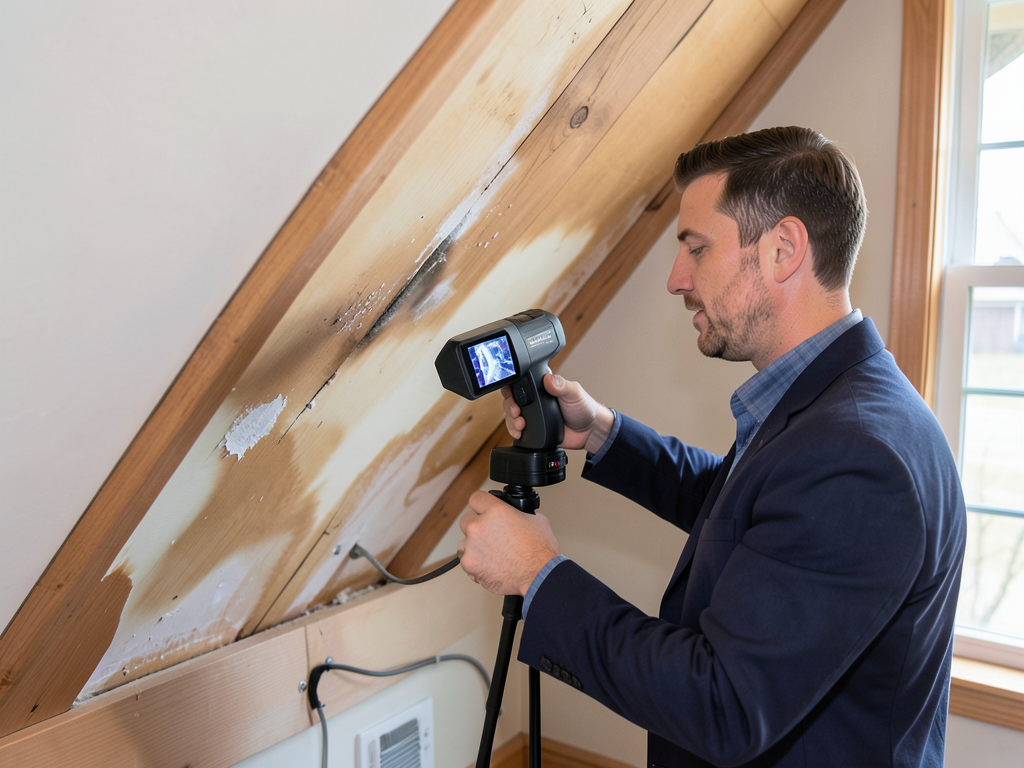
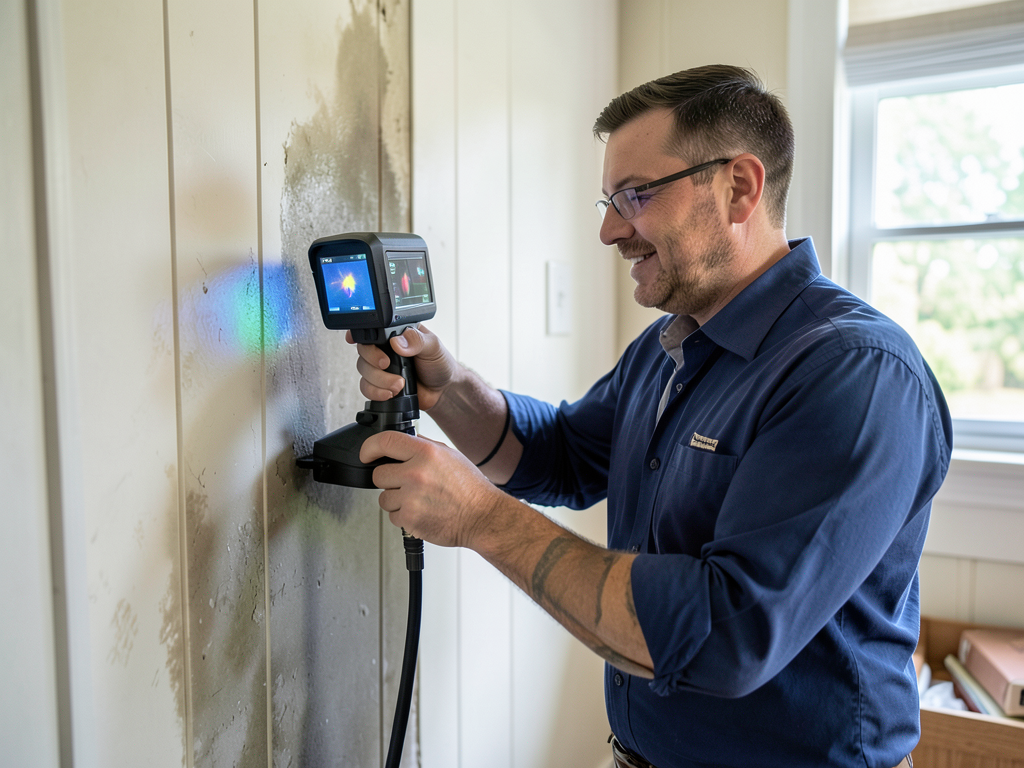
Your assessment begins with water source identification and classification according to IICRC standards. Category 1 clean water requires different protocols than Category 3 sewage contamination. We use thermal imaging cameras to identify moisture in wall cavities and above ceilings without destructive investigation. Moisture meters provide quantified readings in concrete slabs, wood framing, and drywall. You receive a written assessment documenting affected square footage, moisture class, and recommended remediation scope before work expands beyond emergency services. This assessment serves as the foundation for your insurance claim and restoration budget.

Final Deliverables and Documentation

You receive comprehensive documentation proving your office building has been restored to pre-loss condition and meets moisture content standards for reconstruction. Final deliverables include psychrometric logs showing daily humidity and temperature readings, moisture meter readings for all affected materials, photographic documentation of the drying process, and equipment placement records. This documentation package satisfies insurance requirements and protects you from future liability if mold issues emerge from incomplete drying. We provide clearance letters suitable for submission to Detroit building inspectors if permits were required for demolition or asbestos abatement.

Post-Restoration Monitoring and Support

Commercial properties benefit from follow-up moisture monitoring 30 days after project completion to verify no residual moisture issues have developed. We offer this complimentary check for all Detroit office building projects over 2,000 square feet. If your restoration required significant demolition, we coordinate with your general contractor to ensure reconstruction proceeds on the dried structure. For buildings with recurring water intrusion issues, we provide consulting on infrastructure improvements that address root causes rather than just treating symptoms. You get recommendations based on building science and Detroit's specific climate challenges.

Frequently Asked Questions

You Have Questions,
We Have Answers

How much does a water restoration company charge? +

Commercial water restoration costs depend on the damage scope, affected square footage, and structural complexity. Office buildings in Detroit face unique challenges like older infrastructure and freeze-thaw cycles that affect pricing. Expect costs to vary based on water category (clean, gray, or black), extraction requirements, drying time, and materials needing replacement. Most commercial projects involve assessment fees, equipment rental, labor, antimicrobial treatments, and reconstruction. Insurance typically covers most emergency water damage. Request detailed estimates that break down labor, equipment, and materials separately. Transparent pricing protects your business from unexpected expenses and helps streamline insurance claims processing.

Is water damage restoration worth it? +

For commercial properties, water restoration is not optional. Unaddressed water damage leads to structural failure, mold growth, and liability exposure. Detroit office buildings often feature mixed construction types vulnerable to moisture intrusion. Every hour of delay increases damage exponentially. Water migrates through drywall, insulation, and subflooring, compromising structural integrity and creating health hazards. Professional restoration prevents business interruption, protects asset value, and ensures code compliance. The cost of restoration pales against potential losses from extended downtime, tenant lawsuits, or total structural replacement. Restoration also maintains your property's insurability. Swift professional intervention protects your ROI and minimizes operational disruption.

Do you need a license for water restoration? +

Yes. Michigan requires water restoration contractors to hold appropriate licenses. Commercial projects in Detroit demand contractors with proper general contractor licensing, liability insurance, and workers compensation coverage. Legitimate firms carry IICRC certifications demonstrating technical competency in water damage restoration protocols. Commercial building work may also require specialty trades licenses for electrical, plumbing, or HVAC repairs. Unlicensed operators expose your business to liability and code violations. Always verify licensing status, insurance coverage, and bonding before authorizing work. Licensed contractors follow state regulations, maintain safety standards, and provide recourse if problems arise. License verification protects your investment and ensures compliant restoration work.

What is the difference between restoration and remediation of water? +

Restoration returns property to pre-loss condition through cleaning, drying, and rebuilding. Remediation addresses contamination by removing hazardous materials like mold or sewage. Water damage projects often require both processes sequentially. Remediation happens first when Category 2 or 3 water (contaminated sources) affects your Detroit office building. This involves removing contaminated materials and treating affected areas with antimicrobials. Restoration follows, replacing structural components and finishes. Commercial properties must meet health codes, so remediation protocols are strict. Understanding this distinction matters for insurance claims, as coverage terms differ. Proper sequencing prevents recontamination and ensures your building meets occupancy standards.

Does insurance pay for water restoration? +

Commercial property insurance typically covers sudden and accidental water damage. Policies vary significantly, so review your coverage terms carefully. Most insurers cover burst pipes, roof leaks from storms, and sprinkler malfunctions. They exclude gradual damage from deferred maintenance or flooding (requiring separate flood insurance). Detroit commercial properties face freeze-thaw risks, which insurers scrutinize closely. Document everything immediately with photos and detailed notes. Professional restoration companies navigate claims processes efficiently, providing required documentation and communicating directly with adjusters. Quick professional response improves claim approval rates. Review your policy's exclusions, deductibles, and coverage limits annually to avoid gaps in protection.

Is the subfloor ruined if it gets wet? +

Not necessarily, but quick action determines the outcome. Plywood and OSB subfloors can survive brief water exposure if dried within 48 hours using professional equipment. Detroit's humidity complicates drying, requiring commercial-grade dehumidifiers and air movers. Subfloor damage depends on water category, exposure duration, and material type. Category 3 water (sewage) requires subfloor removal regardless. Moisture meters determine salvageability by measuring depth of saturation. Warping, delamination, or mold growth signals replacement. Commercial spaces cannot risk occupant safety on compromised subflooring. Professional assessment prevents false economy. Replacing subfloors costs less than structural failure or liability claims from unsafe conditions.

Can mold be completely remediated? +

Yes, when professionals follow proper protocols. Complete mold remediation requires source moisture elimination, containment, HEPA filtration, material removal, and antimicrobial treatment. Detroit office buildings with HVAC systems need extra care, as mold spreads through ductwork. Successful remediation means mold spore counts return to normal background levels, confirmed through post-remediation testing. Surface cleaning alone fails. Porous materials like drywall and insulation absorb mold and require removal. Non-porous surfaces can be treated and salvaged. Professional remediation companies follow IICRC S520 standards, ensuring thorough removal. Cutting corners invites regrowth and health complaints. Proper remediation protects occupants and restores safe indoor air quality permanently.

How much does it cost to remove moisture from walls? +

Moisture removal costs depend on wall construction, saturation depth, and affected square footage. Commercial buildings require industrial dehumidifiers, thermal imaging, and moisture mapping to locate hidden water. Costs include equipment rental, labor, monitoring, and antimicrobial treatments. Drywall often requires removal if saturation exceeds 50 percent of thickness. Detroit's older office buildings may have plaster walls, complicating drying. Expect higher costs for extensive moisture intrusion or contaminated water. Professional extraction prevents mold growth and structural damage that multiply expenses later. Fast response reduces drying time and overall costs. Request itemized estimates covering assessment, extraction, drying equipment, monitoring, and reconstruction to understand total investment.

When to call a water restoration company? +

Call immediately when you discover water intrusion in your office building. Every minute matters. Visible water, ceiling stains, wet carpeting, musty odors, or unexplained humidity warrant professional assessment. Detroit commercial properties face burst pipe risks during freeze-thaw cycles, demanding urgent response. After-hours emergencies require 24-hour restoration services. Do not wait to assess damage scope yourself. Professionals use moisture meters and thermal imaging to detect hidden water you cannot see. Delayed response allows mold growth within 24 to 48 hours, increasing remediation costs and liability exposure. Immediate professional intervention protects structural integrity, minimizes downtime, and preserves insurance coverage. Speed determines total loss.

Can I do water restoration myself? +

No. Commercial water restoration requires specialized equipment, technical knowledge, and liability management you cannot replicate. Office buildings demand commercial-grade extraction pumps, truck-mounted water vacuums, industrial dehumidifiers, air movers, moisture meters, and thermal imaging. DIY efforts miss hidden moisture in wall cavities, subflooring, and structural components, guaranteeing mold growth and code violations. You also risk electrical hazards, contaminated water exposure, and structural collapse. Insurance companies scrutinize DIY restoration, often denying claims for improper handling. Professional restoration protects your occupants, preserves property value, and ensures code compliance. Your time is better spent managing business continuity while professionals handle technical restoration work efficiently.

How Detroit's Infrastructure Age Complicates Office Building Water Damage

Detroit's commercial building stock averages 60 to 80 years old in core business districts. Most office buildings along Woodward Avenue, Grand River, and in the Financial District were constructed between 1920 and 1970, before modern waterproofing membranes and building envelope science existed. These structures have cast iron drain lines that corrode from the inside out, terra cotta sewer pipes that crack under soil movement, and basement walls that lack proper exterior waterproofing. When water damage occurs, it often indicates systemic building failures that extend beyond the immediate visible damage.

Successful commercial property water mitigation in Detroit requires understanding how these older buildings were constructed and how they fail. Ironwood Water Damage Restoration Detroit has worked in hundreds of Metro Detroit office buildings, from historic skyscrapers to converted industrial lofts in Eastern Market and Corktown. We know which buildings have combined storm and sanitary systems, where floor drains connect to overwhelmed municipal infrastructure, and how to dry masonry walls without damaging historic mortar. This local knowledge prevents costly mistakes and reduces your total restoration timeline.
Water Damage Restoration Services in The Detroit Area

Conveniently located to serve the Detroit area, Ironwood is always ready to respond to your water damage emergencies. Explore our service area on the map below or contact us directly to discuss your specific needs. We’re committed to providing prompt, professional service wherever you are within our operational zone, ensuring rapid deployment and effective restoration solutions when you need them most.

Address:
Ironwood Water Damage Restoration Detroit, 15324 Mack Ave, Detroit, MI, 48230

Additional Services We Offer

Our news updates

Latest Articles & News from The Blogs

If you are finding silverfish darting behind your water heater or earwigs clustering near your Corktown basement walls, stop and…

Why You Are Seeing More Silverfish and Earwigs in Your Corktown Basement

If you are finding silverfish darting behind your water heater or earwigs clustering near your Corktown basement walls, stop and…

What Happens When Your Boiler Starts Leaking in an Older Boston-Edison Home

A leaking boiler in a Boston-Edison home is not the same as a leaking boiler in a new construction subdivision.…

What to Do When Your Water Softener Is Leaking in Your Shelby Township Basement

A puddle forming at the base of your water softener is not a small problem. In Shelby Township and the…

Contact Us

Every hour your office building remains wet increases structural damage and business interruption costs. Call Ironwood Water Damage Restoration Detroit now at (313) 572-5559 for immediate commercial water extraction and professional damage assessment. We respond to Detroit office buildings 24 hours a day, seven days a week.