




menu

Rapid Response Flood Extraction in Detroit – Water Removed Within 60 Minutes of Your Call

When flooding strikes your Detroit property, every minute counts. Our rapid response flood extraction team dispatches immediately to stop water damage progression, extract standing water, and protect your home or business from structural failure and mold growth.

Slider Image 1
Slider Image 2
Slider Image 3
Slider Image 4
Slider Image 5
Slider Image 7
Slider Image 8
Slider Image 9
Slider Image 10
Slider Image 11

Detroit Flooding Doesn't Wait for Business Hours

Basement flooding in Detroit happens fast. A burst pipe at 2 a.m. A sewer backup during a rainstorm. A failed sump pump when the Detroit River floods. Standing water destroys flooring, wicks up drywall, and saturates structural framing in hours, not days.

Detroit's aging infrastructure and clay soil create the perfect storm for water emergencies. Clay holds water like a sponge, pushing hydrostatic pressure against your foundation until it cracks. Once water enters, it spreads laterally through basements and crawl spaces, soaking insulation and creating conditions for mold within 24 to 48 hours.

You need emergency water removal services that understand Detroit's unique flooding patterns. The freeze-thaw cycles damage your foundation. The combined sewer system overwhelms during heavy rain. Historic homes in Indian Village and Boston-Edison lack modern waterproofing.

Waiting until morning turns a manageable extraction into a demolition project. Hardwood floors cup and buckle. Drywall absorbs water three feet up from the baseboard. Electrical systems short out. The longer water sits, the more you pay in repairs and the higher your risk of secondary damage.

Our 24/7 flood extraction team operates seven days a week because flooding does not respect your schedule. We dispatch trucks equipped with truck-mounted extractors, submersible pumps, and industrial air movers to Detroit addresses within one hour of your call. Immediate flood pumping stops the damage clock and gives you a fighting chance to save your property.

Detroit Flooding Doesn't Wait for Business Hours
How We Extract Floodwater and Stop Damage Progression

How We Extract Floodwater and Stop Damage Progression

Speed matters, but method matters more. Pulling water out of your basement without addressing moisture trapped in building materials creates hidden mold farms and structural rot.

We start with source control. If the water is still flowing, we shut it down. Main water valve, sump pump repair, temporary sandbag berms, whatever stops new water from entering. You cannot bail a sinking boat that still has a hole in it.

Next, we deploy truck-mounted extractors that pull 200 gallons per minute. For deep standing water over six inches, we use submersible pumps rated for solids, meaning they handle debris without clogging. This is not a shop vac job. We remove the bulk water in the first 30 minutes on site.

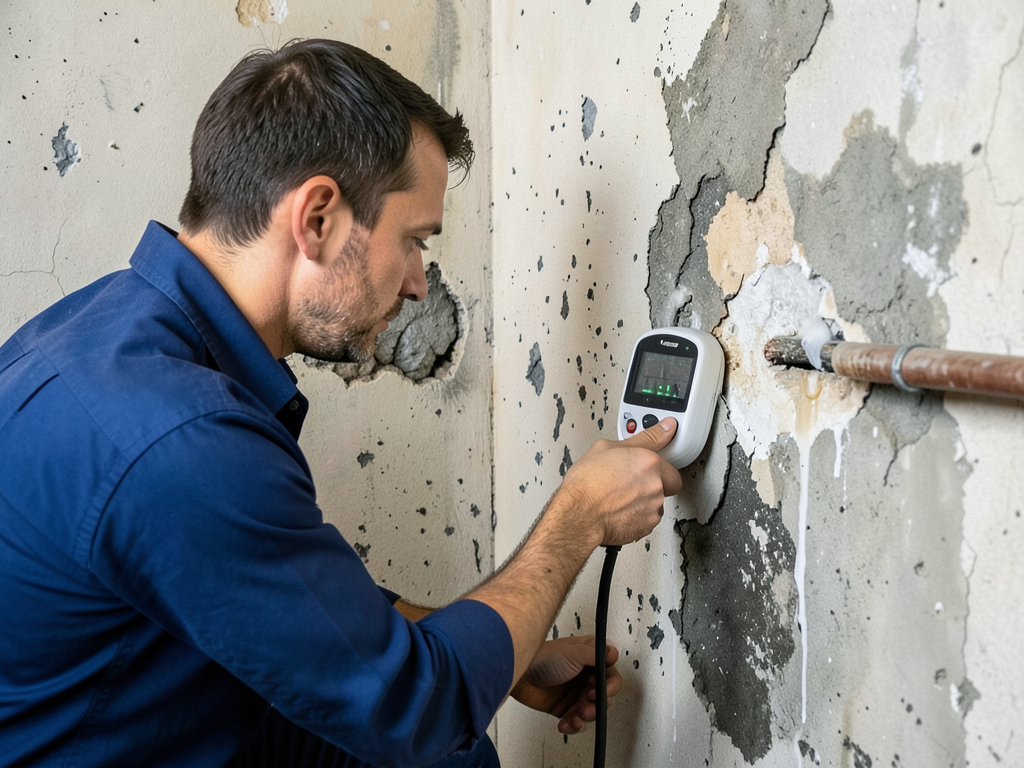
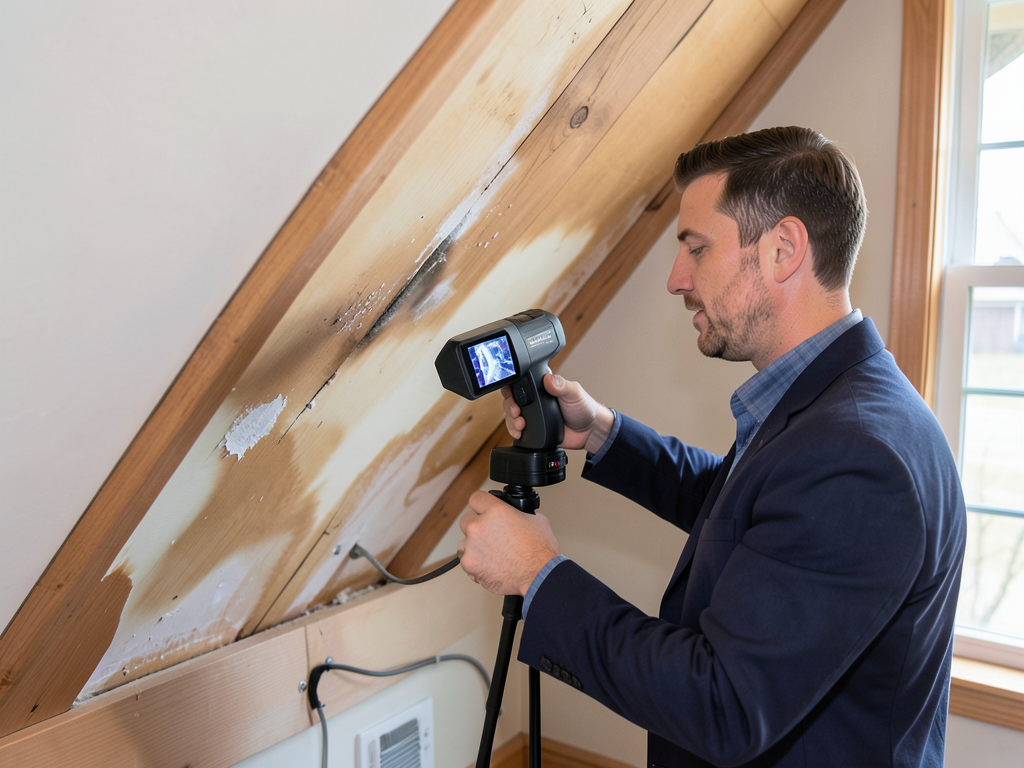
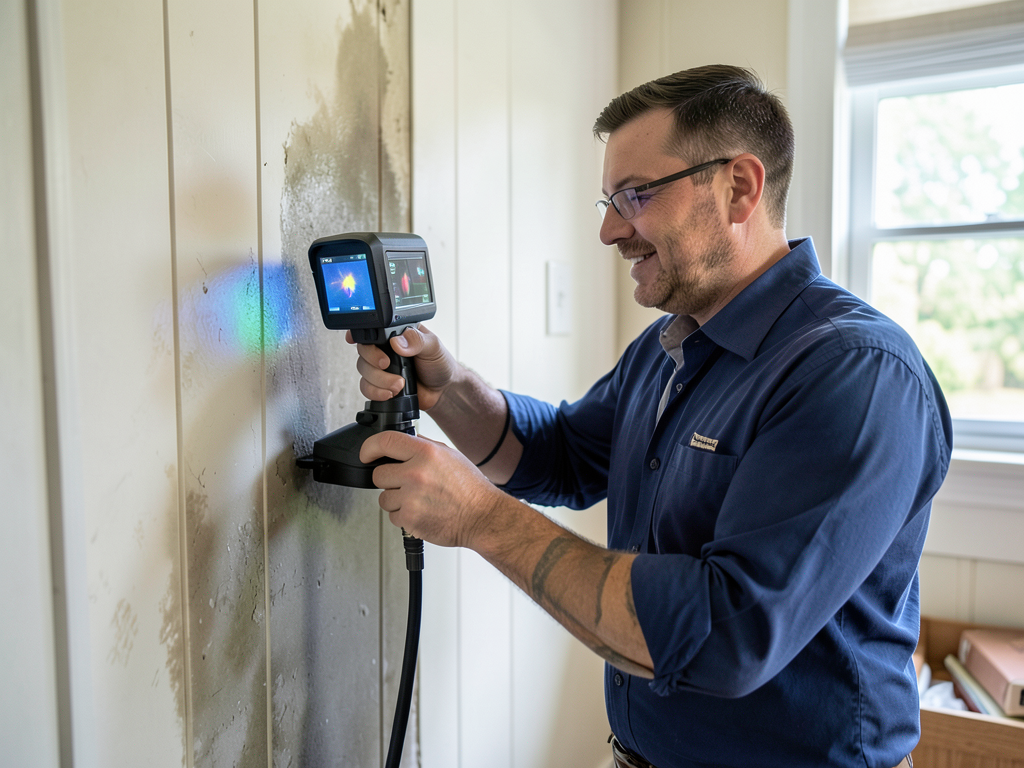
Then comes moisture mapping. We use thermal imaging cameras and penetrating moisture meters to find water you cannot see. Water travels through wall cavities, under tile, and inside HVAC ductwork. If we miss it, you get microbial growth and callbacks.

We extract moisture from materials using weighted extraction tools that compress carpet and padding while vacuum pressure pulls water out. For hardwood floors, we use specialty drying mats that create negative pressure chambers, pulling moisture vertically out of the wood without sanding or refinishing.

Finally, we set up a drying environment using commercial dehumidifiers and axial air movers positioned to maximize evaporation rates. We measure temperature, humidity, and material moisture content twice daily until readings hit industry dry standards. This is emergency water damage extraction done correctly, not just fast.

What Happens When You Call for Emergency Extraction

Rapid Response Flood Extraction in Detroit – Water Removed Within 60 Minutes of Your Call
01

Immediate Dispatch and Assessment

You call our emergency line at (313) 572-5559, and we dispatch a crew immediately. No waiting for estimates or business hours. Our technician arrives with truck-mounted extraction equipment, moisture meters, and thermal imaging cameras. We assess the water source, measure the affected area, and begin extraction within minutes of arrival. You get a verbal overview of the damage and the removal plan before we start pulling water.
02

Water Extraction and Material Inspection

We remove standing water using submersible pumps and truck-mounted extractors, then inspect building materials for saturation levels. Drywall, insulation, flooring, and framing get tested with penetrating moisture meters. We document moisture readings and photograph damage for insurance claims. Materials that cannot be dried in place get flagged for removal. This prevents hidden mold growth and gives you an honest assessment of what can be saved versus what needs replacement.
03

Drying Equipment Setup and Monitoring

After extraction, we position industrial dehumidifiers and air movers to create optimal drying conditions. Equipment runs continuously, and we monitor moisture levels daily using the same meters from the initial assessment. Drying typically takes three to five days depending on material saturation and humidity levels. Once readings hit acceptable dry standards, we remove equipment and provide final documentation. You get a property ready for repairs, not a damp basement with lingering moisture issues.

Why Detroit Properties Need Local Flood Extraction Expertise

Detroit flooding is not the same as flooding in other cities. The combined sewer system means sanitary waste backs up into basements during heavy rain. That is a category three contamination event requiring specialized disinfection protocols, not just water removal.

Our crews know Detroit's housing stock. The brick bungalows in Warrendale have crawl spaces that flood from poor grading. The historic homes in Sherwood Forest have stone foundations that leak at mortar joints. The mid-century ranches in Rosedale Park have cast iron drain lines that corrode and burst. We have extracted water from all of them.

We also know Detroit's insurance landscape. Many homeowners carry policies that exclude sewer backup or have low coverage limits for water damage. We document everything for your claim, photograph the damage, and provide moisture logs that adjusters need to process payments. We work directly with your insurance company to reduce your out-of-pocket costs and speed up approvals.

Local matters when the Detroit River floods and 50 basements need extraction simultaneously. National franchises send crews from Ann Arbor or Flint. We are already in Detroit with equipment staged and ready. You get faster response times and technicians who understand your neighborhood's drainage problems.

We also understand Detroit's building codes and permit requirements. If flooding damages electrical panels or HVAC systems, repairs need permits and inspections. We coordinate with city inspectors and ensure work meets code so you do not get stuck with compliance issues during resale.

Ironwood Water Damage Restoration Detroit has extracted water from Detroit properties for years. We know the clay soil, the aging infrastructure, and the flood-prone neighborhoods. That knowledge saves you time, money, and secondary damage.

What You Get with Our Emergency Flood Extraction Service

60-Minute Response Time

We dispatch crews within 60 minutes of your call, seven days a week, 24 hours a day. Our trucks stay stocked with extraction equipment, moisture meters, and drying tools so we can start work immediately upon arrival. No waiting for business hours or scheduled appointments. When you call our emergency line at (313) 572-5559, you get a live person who dispatches a technician, not a voicemail or call center. Flooding does not wait, and neither do we. Faster response means less damage, lower repair costs, and better outcomes for your property.

Comprehensive Moisture Assessment

Before we start drying, we map the full extent of water damage using thermal imaging cameras and penetrating moisture meters. This identifies hidden moisture in wall cavities, under flooring, and inside insulation that you cannot see with your eyes. We document baseline moisture readings and photograph damage for insurance claims. You get a written assessment that explains what materials are wet, how deep the saturation goes, and what needs to be removed versus dried in place. This prevents surprises later when mold appears in areas you thought were dry.

Industrial-Grade Drying and Monitoring

We use commercial dehumidifiers rated for 150 pints per day and axial air movers positioned to maximize evaporation. Equipment runs continuously until moisture meters show materials have reached industry dry standards, typically three to five days depending on saturation levels. We check readings daily and adjust equipment placement to ensure even drying across all affected areas. You do not get equipment dropped off and forgotten. You get active monitoring, daily updates, and confirmation that your property is actually dry, not just less wet than it was yesterday.

Documentation and Insurance Coordination

We provide detailed documentation for insurance claims, including moisture logs, equipment logs, and photo records of the damage and drying process. We communicate directly with your insurance adjuster to answer technical questions and provide the evidence they need to process your claim. If your policy excludes certain types of water damage, we explain your coverage limits upfront so you know what to expect. You get transparency, not surprise bills after the work is done. Our goal is to restore your property and make the insurance process as smooth as possible.

Frequently Asked Questions

You Have Questions,
We Have Answers

What is the average insurance payout for water damage? +

Insurance payouts for water damage vary widely based on the cause, extent, and your policy limits. Sudden events like burst pipes typically see payouts ranging from $2,500 to $15,000 for moderate damage. Severe flooding or structural issues can exceed $50,000. Detroit homeowners should note that standard homeowner policies exclude flooding from external sources. You need separate flood insurance through NFIP or private carriers. Always document damage immediately with photos and videos. Contact your insurer within 24 hours and avoid delays. The faster you report and mitigate, the smoother your claim process.

What is the immediate response to a flood? +

Stop the water source if safe to do so. Shut off the main water valve for pipe bursts or appliance failures. If flooding comes from outside, evacuate to higher ground immediately. Call a professional water extraction team that operates 24/7. Do not enter standing water if electrical outlets or appliances are submerged. Move valuables and furniture to dry areas if you can do so safely. Take photos for insurance documentation. In Detroit, basements flood frequently due to clay soil and aging infrastructure. Speed matters. Every minute delays drying and invites mold growth within 24 to 48 hours.

Who is the largest restoration company? +

Several national franchises dominate the restoration industry, including companies with thousands of locations across the country. However, size does not equal quality or local expertise. Detroit homeowners benefit more from companies that understand our specific challenges like freeze-thaw cycles, clay soil settling, and older housing stock in neighborhoods like Corktown or Indian Village. Local teams respond faster, know local building codes, and work directly with Detroit-area insurance adjusters. Choose a restoration partner based on response time, Detroit-specific experience, and proven results in your neighborhood, not national advertising budgets.

Will insurance cover flash floods? +

Standard homeowner insurance does not cover flash floods or any flooding caused by external water sources like rivers, storm surge, or heavy rain overwhelming drainage systems. You need separate flood insurance through the National Flood Insurance Program or private carriers. Flash floods are especially dangerous in Detroit due to aging storm sewers and low-lying areas near the Detroit River. If you live in a flood zone or have experienced basement flooding, purchase flood insurance immediately. Policies have a 30-day waiting period before coverage begins. Do not wait until warnings are issued. Protect your home now.

What not to say to a home claims adjuster? +

Never exaggerate damage or make assumptions about coverage. Stick to facts. Do not say the damage is minor or downplay losses. Avoid admitting fault for maintenance issues, even if you suspect neglect contributed. Do not accept the first settlement offer without review. Never sign anything without reading it completely. Do not provide recorded statements without understanding your policy first. Avoid discussing previous claims or unrelated property issues. In Detroit, adjusters know common problems like foundation cracks from clay soil or old galvanized plumbing. Be honest but precise. Document everything and consider hiring a public adjuster for large claims.

How much would it cost a 2500 sq ft homeowner if flood waters 1 inch deep entered a home? +

One inch of water across 2,500 square feet equals roughly 130 gallons, but damage costs extend far beyond water volume. You face extraction, drying, flooring removal, baseboard replacement, potential subfloor damage, and mold prevention. For Detroit homes, especially older properties with hardwood or plaster walls, costs typically range from $3,000 to $10,000 depending on materials and response speed. Delays increase costs dramatically. Drywall wicks moisture upward. Hardwood cupping becomes permanent. Mold remediation adds thousands more. The faster you extract and dry, the lower your total restoration bill. Call professionals immediately.

What does flood insurance cover? +

Flood insurance covers direct physical losses from flooding, including structural damage to walls, floors, electrical systems, plumbing, and HVAC systems. It covers built-in appliances like furnaces and water heaters. Personal belongings require separate contents coverage, which is optional. Flood policies exclude landscaping, decks, fences, and most outdoor property. Temporary living expenses are not covered. Basements have limited coverage, typically only for structural elements and essential equipment. In Detroit, where basement flooding is common due to clay soil and storm sewer backups, understand your policy limits. Review coverage annually and consider private flood insurance for broader protection.

What are the 5 stages of a flood? +

Floods progress through five stages. First, the watch stage alerts you to potential danger. Second, the warning stage confirms flooding is imminent or occurring. Act now. Third, the rising water stage sees water entering properties. Evacuate if instructed. Fourth, the flood stage brings peak water levels and maximum danger. Fifth, the receding stage marks water retreat, but hidden damage remains. For Detroit properties, especially near the Detroit River or Rouge River, understand these stages apply to both natural floods and localized flooding from overwhelmed storm sewers. Rapid response during stages two and three prevents catastrophic loss.

What are the 5 elements of an emergency response plan? +

An emergency response plan includes five elements. First, risk assessment identifies likely disasters for your location. Detroit faces flooding, severe storms, and winter freeze damage. Second, communication protocols establish how you reach family and emergency services. Third, evacuation procedures outline safe routes and shelter locations. Fourth, resource management ensures you have emergency supplies, shutoff valve locations, and contractor contacts ready. Fifth, recovery planning includes insurance documentation and restoration contacts. Keep a written plan accessible. Store emergency numbers in your phone. Know your water main shutoff location. Preparation reduces panic and speeds recovery when disaster strikes.

How do restoration companies charge? +

Restoration companies charge based on damage scope, required services, and time involved. Most use industry software to estimate costs by category including water extraction, drying equipment, demolition, and reconstruction. You pay for labor, equipment rentals like air movers and dehumidifiers, disposal fees, and materials. Some charge hourly rates for labor, others use fixed pricing per square foot or room. Emergency service calls may include mobilization fees. In Detroit, companies familiar with older homes and basement flooding provide more accurate estimates. Insurance often covers most costs for covered perils. Always get detailed written estimates before work begins.

Why Detroit's Clay Soil and Aging Infrastructure Make Rapid Flood Extraction Critical

Detroit sits on heavy clay soil that expands when wet and contracts when dry, creating constant pressure against basement foundations. When the ground saturates during spring thaw or heavy rain, hydrostatic pressure forces water through foundation cracks, floor drains, and sump pump failures. The city's combined sewer system, built in the early 1900s, overwhelms during storms and pushes sewage back into basements through floor drains. This creates category three contaminated water events that require immediate extraction and disinfection. Waiting even a few hours allows contaminated water to wick up walls and saturate insulation, turning a cleanup into a demolition project.

Detroit's housing stock includes thousands of homes built before modern waterproofing standards existed. Brick bungalows, stone foundations, and homes without exterior drainage systems flood regularly. Our technicians know these construction styles and understand how water moves through older Detroit properties. We also know which neighborhoods flood first when the Detroit River rises or when sewer systems back up. This local knowledge means faster response, better damage assessment, and extraction methods tailored to your specific property type. Choosing a local Detroit flood extraction company means working with technicians who have dried hundreds of basements just like yours.
Water Damage Restoration Services in The Detroit Area

Conveniently located to serve the Detroit area, Ironwood is always ready to respond to your water damage emergencies. Explore our service area on the map below or contact us directly to discuss your specific needs. We’re committed to providing prompt, professional service wherever you are within our operational zone, ensuring rapid deployment and effective restoration solutions when you need them most.

Address:
Ironwood Water Damage Restoration Detroit, 15324 Mack Ave, Detroit, MI, 48230

Additional Services We Offer

Our news updates

Latest Articles & News from The Blogs

A slow leak behind a Royal Oak bathroom wall can go unnoticed for weeks. By the time you smell mildew…

Why Smart Leak Detectors Are Worth Every Penny for Your Royal Oak Rental Property

A slow leak behind a Royal Oak bathroom wall can go unnoticed for weeks. By the time you smell mildew…

Why Your Whole House Humidifier in Warren Might Be Ruining Your Drywall

Your furnace runs all winter. Your whole house humidifier works quietly behind the scenes. And somewhere behind that drywall in…

What Black Water Flooding Actually Does to Your Health (A Detroit Homeowner's Guide)

A sewage backup in your Detroit basement is not just a cleanup problem. It is a biohazard event. The water…

Contact Us

Floodwater is damaging your property right now. Every minute you wait costs you more in repairs. Call Ironwood Water Damage Restoration Detroit at (313) 572-5559 for immediate dispatch and emergency water removal. We answer 24/7 and arrive ready to extract water and stop damage progression.