




menu

Wet Carpet & Padding in Detroit – Expert Diagnosis and Permanent Solutions

When soaked carpeting and underlay threaten your home or business, we identify the root cause, extract standing water, and restore flooring systems to prevent mold growth and structural damage across Metro Detroit.

Slider Image 1
Slider Image 2
Slider Image 3
Slider Image 4
Slider Image 5
Slider Image 7
Slider Image 8
Slider Image 9
Slider Image 10
Slider Image 11

Why Wet Carpet Problems Escalate Quickly in Detroit Homes

You noticed the dampness yesterday. Today, the carpet squishes when you walk across it. By tomorrow, you might smell that musty odor creeping through the room.

Saturated carpet and cushion are not just a nuisance. They are a countdown to serious problems. Detroit's older housing stock, much of it built between 1900 and 1950, sits on poured concrete foundations and crawl spaces that were never designed for modern plumbing loads. When a supply line ruptures or a sump pump fails during spring thaw, water spreads fast across wood subfloors and soaks deep into carpet underlayment.

The issue gets worse in neighborhoods like Corktown, Grandmont-Rosedale, and East English Village, where homes feature original hardwood beneath wall-to-wall carpeting. Once water migrates under the carpet pad, it pools against that wood for hours or days before you even notice the surface wetness. The damage accelerates because Detroit's fluctuating humidity levels, especially during summer months when indoor air conditioning battles 80-degree exterior temps, create the perfect breeding ground for mold spores.

Flooded carpet and underpad also trap sediment, bacteria, and whatever contaminants were in the source water. If that water came from a basement backup or an appliance overflow, you are walking on a biohazard. The longer you wait, the more the subfloor absorbs moisture, warps, and requires replacement instead of drying.

Water damaged carpet and pad do not air-dry properly on their own. You need extraction equipment, dehumidification, and often subfloor access to verify drying progress. Anything less leaves hidden moisture that becomes your next insurance claim.

Why Wet Carpet Problems Escalate Quickly in Detroit Homes
How We Restore Wet Carpet Systems Without Guesswork

How We Restore Wet Carpet Systems Without Guesswork

Most companies extract the surface water, set up fans, and call it done. That approach leaves wet carpet underlayment intact and subfloor moisture unchecked. We take a different route.

First, we use truck-mounted extraction units that pull water from carpet fibers and the cushion layer beneath, not just the visible surface. These units generate significantly more vacuum pressure than portable shop vacuums, removing gallons of water in minutes instead of hours.

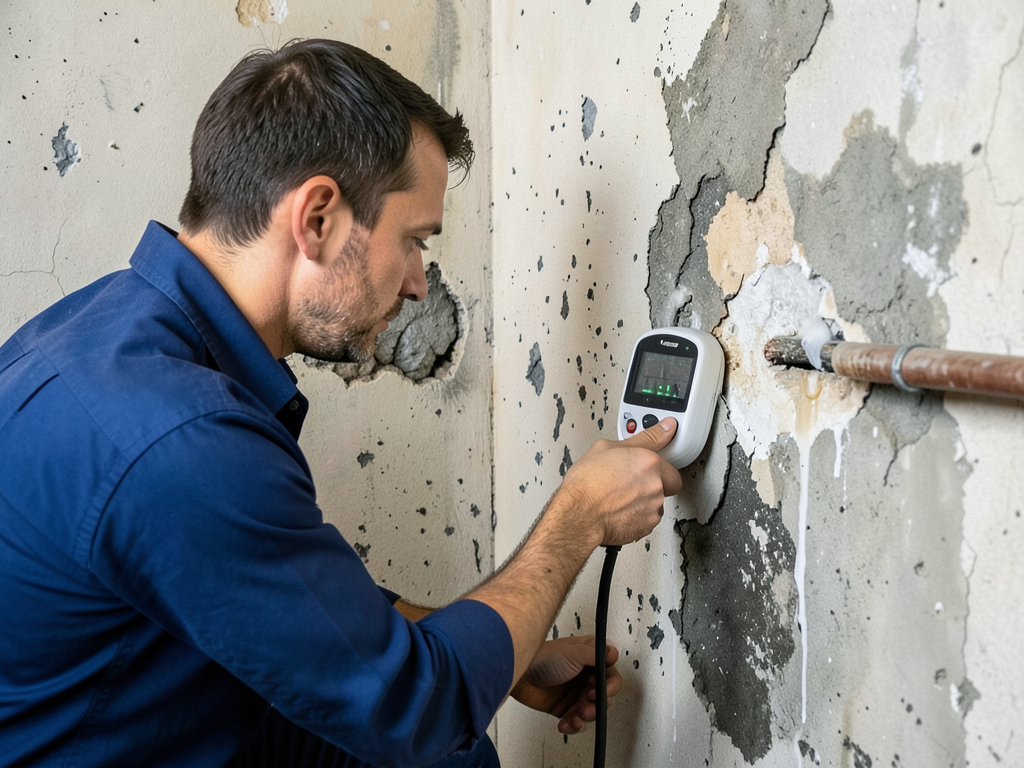
Next, we pull back the carpeting in affected areas to inspect the pad and subfloor. This step is non-negotiable. You cannot assess moisture levels through carpet. We use calibrated moisture meters to measure exact water content in wood subfloors, concrete slabs, and the carpet pad itself. If readings exceed industry thresholds, we remove the soaked carpeting and underlay completely, because drying them in place invites microbial growth.

We then deploy low-grain refrigerant dehumidifiers and high-velocity air movers in a calculated layout based on room size, airflow patterns, and material density. This is not random fan placement. We measure air changes per hour and adjust equipment daily based on moisture meter readings until all materials hit safe levels.

For subfloors with trapped moisture, we use injectidry systems or floor mat systems that create negative pressure zones beneath the flooring surface, pulling moisture out through controlled evaporation. This technique salvages subfloors that would otherwise require replacement.

Once drying is verified, we treat all affected surfaces with EPA-registered antimicrobial solutions to eliminate bacteria and inhibit mold colonization. Only then do we discuss carpet reinstallation or replacement, and we provide documentation of moisture levels at every stage for your insurance adjuster.

What Happens When You Call Us About Wet Carpet

Wet Carpet & Padding in Detroit – Expert Diagnosis and Permanent Solutions
01

Initial Assessment and Extraction

We arrive within hours of your call and immediately assess the water source, affected square footage, and carpet type. Our truck-mounted extraction units begin pulling water from carpet fibers and padding while we document moisture levels in subfloors and walls. This first phase stops additional absorption and establishes a baseline for drying progress. You receive a detailed scope of damage before any equipment stays onsite.
02

Controlled Drying and Monitoring

We remove saturated carpet cushion if moisture readings exceed safe thresholds, then position dehumidifiers and air movers in a layout designed for your specific room configuration. Moisture meters track progress every 24 hours. If subfloor moisture persists, we deploy specialty drying equipment like injectidry mats to accelerate evaporation without demolition. You get daily updates and data logs that satisfy insurance documentation requirements.
03

Final Verification and Reinstallation

Once all materials reach safe moisture levels, verified by meter readings and visual inspection, we apply antimicrobial treatments to prevent mold growth. If your carpet and pad are salvageable, we reinstall them with new tack strips and proper tensioning. If replacement is necessary, we provide referrals to trusted flooring contractors and coordinate timing. You receive a completion report with all moisture readings and treatment records.

Why Detroit Property Owners Trust Our Carpet Water Damage Process

Detroit's housing diversity demands flexibility. A 1920s bungalow in Palmer Woods has different flooring systems than a 1980s ranch in Redford or a renovated loft in Midtown. We have worked in all of them.

Our technicians understand how water behaves in homes with balloon framing, where moisture can wick up wall cavities from saturated carpet into second-floor joists. We know which Detroit neighborhoods have combined sewer systems prone to basement backups during heavy rain, and we treat that category-three water differently than a clean supply line leak.

We also recognize that many Detroit homeowners are managing properties they inherited or purchased as fixer-uppers. You might not have detailed records of what is beneath that carpet, whether the subfloor is plywood or planking, or if there is a vapor barrier. We do not assume. We verify. That approach prevents callbacks and ensures you are not paying twice for the same problem.

Our equipment stays onsite until the job is done correctly, not until a preset rental period expires. If your subfloor needs an extra two days of drying, we leave the dehumidifiers running. If your insurance adjuster needs additional documentation, we provide it the same day.

You will also work with the same lead technician from start to finish. No handoffs between crews, no miscommunication about what was found or what needs to happen next. One point of contact who knows your property and can answer questions without searching through notes.

We operate with transparency about what can be saved and what cannot. If your carpet is beyond salvage, we tell you immediately instead of running up drying costs on materials that will end up in a dumpster. That honesty has built our reputation across Metro Detroit for more than a decade.

What You Can Expect During Carpet Water Damage Restoration

Response Time and Availability

We dispatch technicians within two hours of your call, every day of the year. Water damage does not wait for business hours, and neither do we. Our trucks carry extraction equipment, moisture meters, and drying gear, so we begin work immediately instead of scheduling a return visit. You will receive a phone call when our team is en route, and we provide a realistic timeline for each phase of the project. Most residential carpet drying projects reach completion within three to five days, depending on the extent of saturation and subfloor material. We stay in contact throughout the process, so you are never left wondering what happens next.

Inspection and Moisture Mapping

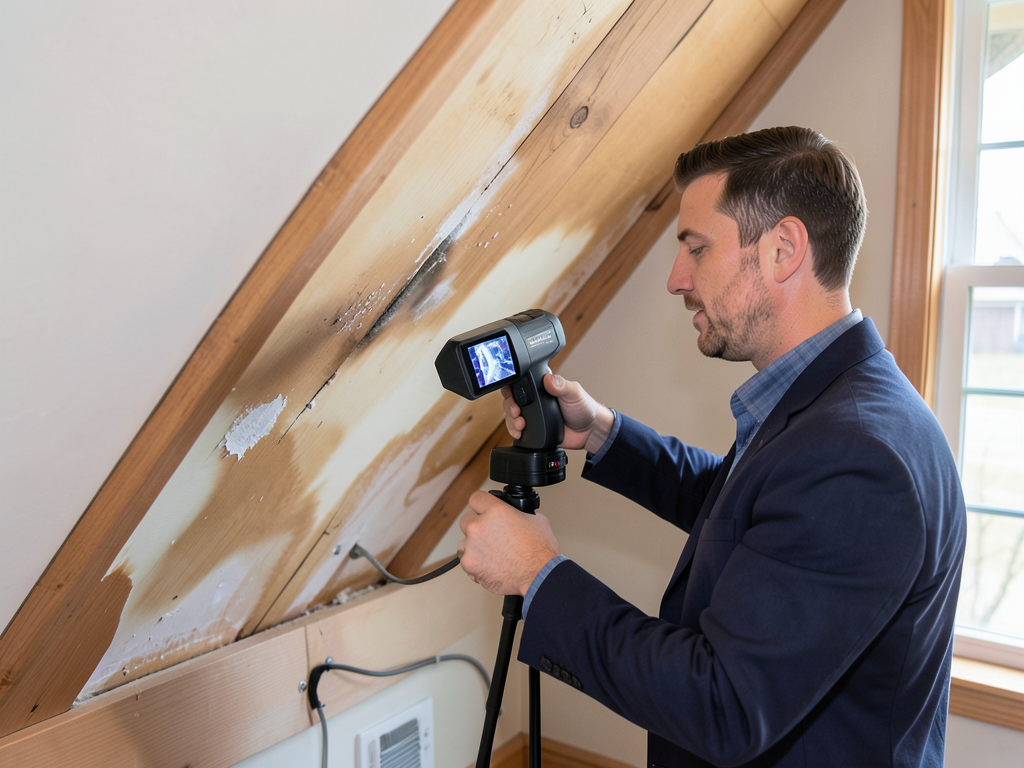
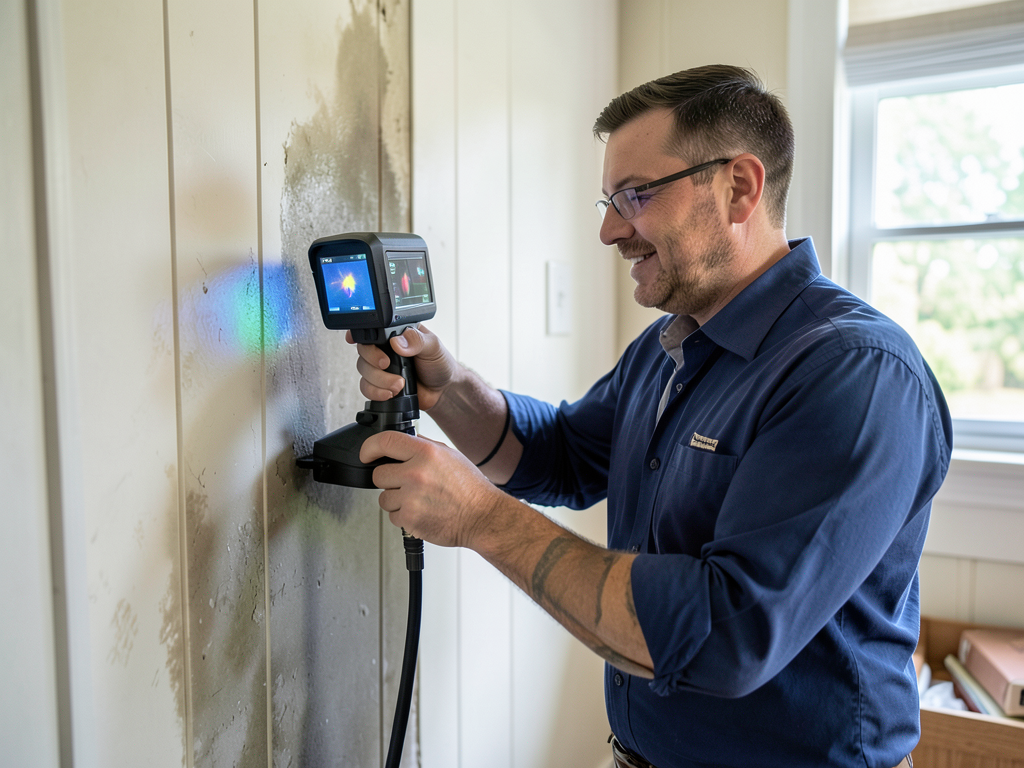
Our initial inspection involves more than a visual check. We use penetrating and non-penetrating moisture meters to measure water content in carpet, padding, subfloors, and adjacent wall cavities. This data creates a moisture map that guides equipment placement and drying strategy. We also photograph all affected areas and document the water source, which streamlines your insurance claim. If the damage involves category-two or category-three water, we explain the contamination risks and necessary treatment protocols before proceeding. You receive a written assessment within hours of our arrival, outlining the scope of work, estimated drying time, and recommended next steps.

Drying Standards and Verification

We follow IICRC S500 standards for water damage restoration, which specify acceptable moisture levels for different building materials. Carpet and padding must reach equilibrium with surrounding air before we consider them dry. Subfloors must test below 15 percent moisture content for wood and show no elevated readings for concrete. We measure progress daily and adjust equipment as needed. Once drying is complete, we provide a final moisture report with before-and-after readings for every affected area. This documentation protects you if future issues arise and satisfies insurance requirements. You will know exactly when your property is safe to reoccupy and what was done to achieve that result.

Post-Restoration Monitoring

After equipment removal and carpet reinstallation, we offer follow-up moisture checks at no additional charge. These visits confirm that no hidden moisture remains and that your property has stabilized. If you notice any musty odors or new dampness in the weeks following restoration, we return to investigate at no cost. We also provide guidance on preventing future water damage, including maintenance tips for sump pumps, water heaters, and appliance connections. Our goal is to ensure the problem is solved permanently, not just temporarily masked. You can contact us months later with questions, and we will still have your project records on file.

Frequently Asked Questions

You Have Questions,
We Have Answers

Is carpet padding ruined if it gets wet? +

Yes, carpet padding is usually ruined after getting wet. Padding acts like a sponge and absorbs water deep into its core. Most padding types, especially foam and rebond, cannot be dried properly once saturated. Moisture trapped inside creates a breeding ground for mold and bacteria within 24 to 48 hours. In Detroit's humid climate, this process accelerates. Even if the surface feels dry, moisture remains locked inside the padding. Professional extraction equipment cannot remove enough water to save it. Replacement is the safest option to prevent health risks and odors from developing under your carpet.

How to dry out wet carpet padding? +

Drying wet carpet padding requires professional equipment. First, pull back the carpet to expose the padding. Use commercial air movers and dehumidifiers to circulate air and remove moisture from the space. In Detroit homes, especially older structures with limited ventilation, this process takes 48 to 72 hours minimum. However, padding rarely dries completely. Moisture stays trapped in the foam core even when surfaces feel dry. For padding soaked by sewage or flooding, drying is not recommended. The contamination risk is too high. Professionals assess moisture levels with meters to determine if padding can be saved or needs replacement.

Is carpet ruined if it gets wet? +

Carpet may be ruined depending on the water source and exposure time. Clean water from a supply line gives you the best chance if you act within 24 hours. Extraction, drying, and disinfection can save carpet fibers. Sewage or floodwater ruins carpet immediately due to contamination. In Detroit, basement flooding from heavy rains often carries soil and bacteria that make carpet unsalvageable. The backing and adhesive also break down when wet. Synthetic carpets handle moisture better than natural fibers like wool. A professional inspection determines if your carpet can be restored or needs replacement.

How long can carpet stay wet before mold? +

Carpet can stay wet for 24 to 48 hours before mold starts growing. Spores need moisture, warmth, and organic material to colonize. Carpet and padding provide all three. In Detroit's humid summers, mold develops faster because humidity slows evaporation. Basements and lower levels are especially vulnerable. Once mold takes hold, it spreads rapidly through carpet fibers and into padding. You cannot see growth immediately, but the process begins within a day. Fast water extraction and drying prevent mold. Waiting beyond 48 hours almost guarantees contamination and requires professional remediation to protect your health.

Can mold grow under carpet padding? +

Yes, mold grows easily under carpet padding. Padding traps moisture against the subfloor, creating a dark, damp environment where mold thrives. You cannot see this growth because it happens beneath the carpet surface. In Detroit homes with concrete basement floors, moisture wicks up from the slab and feeds mold colonies. Wood subfloors absorb water and rot when padding stays wet. Mold under padding releases spores into your air, causing respiratory issues and allergic reactions. Once mold colonizes padding, you cannot clean it. The padding must be removed and the subfloor treated to eliminate contamination completely.

Can carpet be saved after water damage? +

Carpet can be saved after water damage if you act fast. Clean water from a broken pipe gives you 24 to 48 hours to extract moisture and dry the area. Professional equipment pulls water from deep in the fibers and backing. Antimicrobial treatments prevent bacterial growth. Padding almost always needs replacement because it cannot dry properly. Carpet exposed to sewage, floodwater, or standing water beyond two days is not salvageable. In Detroit, basement floods often carry contaminants that make restoration unsafe. A professional assessment determines if your carpet is worth saving or if replacement is the smarter choice.

Will damp carpet dry on its own? +

Damp carpet will not dry properly on its own. Surface moisture may evaporate, but water trapped in backing and padding stays wet. In Detroit's humid climate, air circulation is poor, especially in basements and lower levels. This slows evaporation and encourages mold growth. Opening windows or running fans helps but does not remove moisture deep in carpet layers. You need professional extraction equipment and dehumidifiers to pull water out and control humidity. Waiting for carpet to air dry guarantees mold, odors, and permanent damage. Fast action with proper equipment is the only way to dry carpet safely.

What are signs of mold in carpet? +

Signs of mold in carpet include musty odors, visible discoloration, and health symptoms. You may see dark spots or patches of black, green, or white growth on carpet surfaces. A persistent damp smell means mold is growing underneath, even if you cannot see it. Residents often experience sneezing, coughing, headaches, or worsening asthma when mold is present. In Detroit homes, basements with poor ventilation show mold faster after water exposure. Carpet fibers may feel stiff or brittle. If you suspect mold, do not vacuum or disturb the area. Contact a professional for testing and remediation.

Is it okay to sleep in a room with wet carpet? +

No, do not sleep in a room with wet carpet. Wet carpet releases moisture into the air, raising humidity levels and encouraging mold growth. Breathing mold spores overnight causes respiratory irritation, allergic reactions, and worsens asthma. Bacteria from contaminated water also pose health risks. In Detroit, older homes with limited airflow trap moisture and concentrate airborne contaminants. Children and people with compromised immune systems face higher risks. Wet carpet also attracts pests. Move to a dry room until professionals extract the water, dry the space, and confirm air quality is safe. Your health is not worth the risk.

How to dry a wet carpet quickly? +

Drying wet carpet quickly requires professional equipment. First, extract standing water with a truck-mounted vacuum or portable extractor. Pull back carpet to expose padding and subfloor. Place commercial air movers to circulate air across all wet surfaces. Run dehumidifiers to remove moisture from the air and speed evaporation. In Detroit, high humidity slows drying, so controlling indoor moisture is critical. Open windows if outdoor humidity is lower. Professionals monitor moisture levels with meters to confirm complete drying. Expect 48 to 72 hours minimum for full drying. Fast action within 24 hours gives you the best chance to save carpet.

How Detroit's Aging Plumbing Infrastructure Affects Wet Carpet Emergencies

Detroit's water distribution system includes pipes installed as far back as the 1800s, and many residential supply lines date to the post-war building boom. When these lines fail, they often do so without warning, flooding basements and ground-floor rooms in minutes. Combined with the city's fluctuating water pressure, especially in areas undergoing infrastructure replacement, you face a higher risk of sudden pipe bursts and appliance line failures. Wet carpet underlayment is frequently the first visible sign of a slow leak that has been saturating subfloors for weeks. By the time the carpet feels damp, the padding and wood beneath are already compromised.

We work directly with Detroit-area insurance adjusters who understand local building codes and moisture-related claim patterns. Our documentation meets the standards required by major carriers operating in Wayne County, and we coordinate with your adjuster to ensure coverage decisions are based on accurate damage assessments. Local expertise matters because we know which neighborhoods have higher water tables, where basement flooding is seasonal, and how Detroit's soil composition affects foundation drainage. This knowledge allows us to address not just the immediate water damage but also the underlying conditions that caused it.
Water Damage Restoration Services in The Detroit Area

Conveniently located to serve the Detroit area, Ironwood is always ready to respond to your water damage emergencies. Explore our service area on the map below or contact us directly to discuss your specific needs. We’re committed to providing prompt, professional service wherever you are within our operational zone, ensuring rapid deployment and effective restoration solutions when you need them most.

Address:
Ironwood Water Damage Restoration Detroit, 15324 Mack Ave, Detroit, MI, 48230

Additional Services We Offer

Our news updates

Latest Articles & News from The Blogs

A slow leak behind a Royal Oak bathroom wall can go unnoticed for weeks. By the time you smell mildew…

Why Smart Leak Detectors Are Worth Every Penny for Your Royal Oak Rental Property

A slow leak behind a Royal Oak bathroom wall can go unnoticed for weeks. By the time you smell mildew…

Why Your Whole House Humidifier in Warren Might Be Ruining Your Drywall

Your furnace runs all winter. Your whole house humidifier works quietly behind the scenes. And somewhere behind that drywall in…

What Black Water Flooding Actually Does to Your Health (A Detroit Homeowner's Guide)

A sewage backup in your Detroit basement is not just a cleanup problem. It is a biohazard event. The water…

Contact Us

Every hour you wait increases the damage and the cost. Call Ironwood Water Damage Restoration Detroit now at (313) 572-5559 for immediate dispatch. We extract water, dry structural materials, and prevent mold growth using professional-grade equipment and verified techniques.