
Expert Foundation Crack Water Seepage Repair for Detroit’s West Village Homes
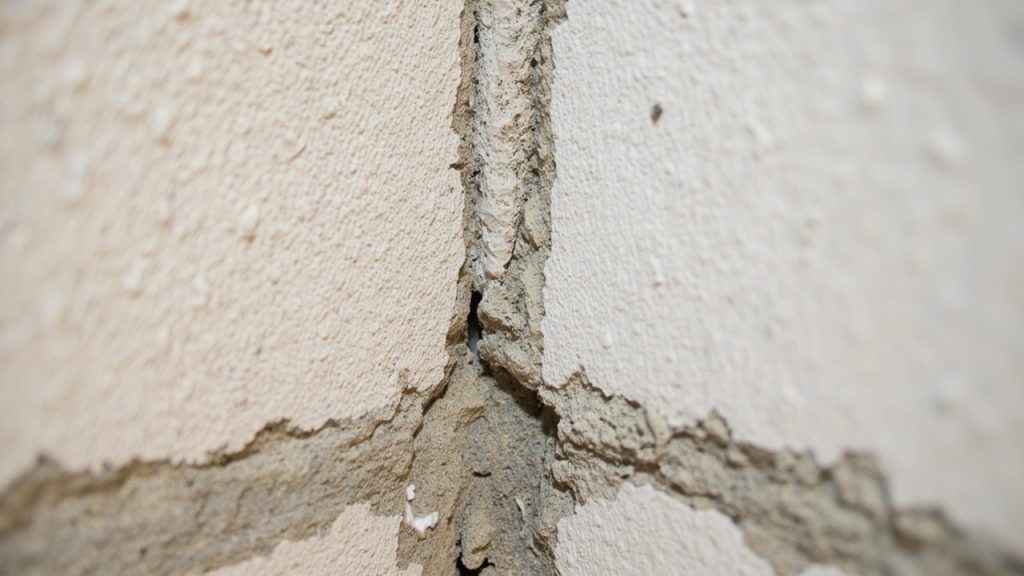
A crack in your foundation wall is not just cosmetic. In Detroit’s West Village, where homes date back decades and sit on clay-heavy soil, that crack is often the first sign of a slow water emergency. The question is not whether to pay attention to it. The question is how serious it is and what needs to happen next.
This guide breaks down what different foundation cracks mean, why Detroit’s soil and weather make them worse, and how professional water seepage repair actually works from start to finish.
Why Detroit Basements Leak More Than You’d Expect
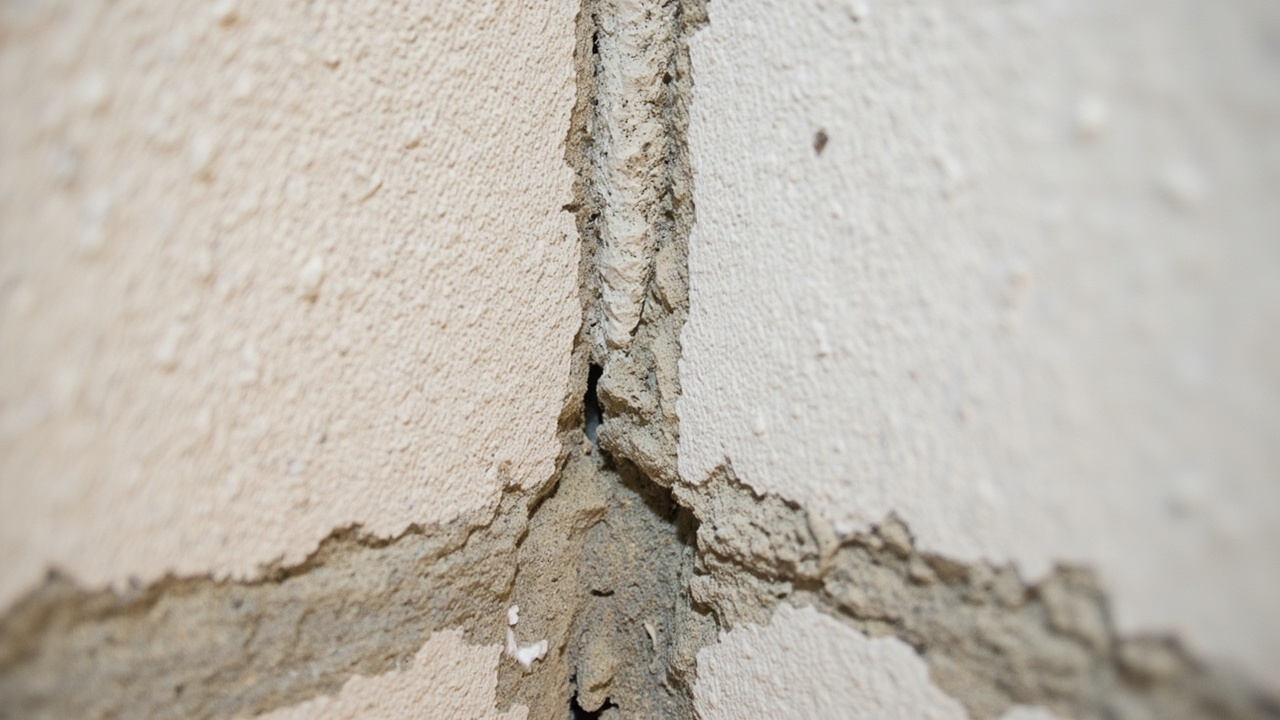
West Village sits in a city built on glacial lake sediment and dense clay soil. That combination creates serious problems for foundations. Clay soil expands when it absorbs water and shrinks when it dries out. This constant movement puts lateral pressure on basement walls year after year.
Detroit averages around 33 inches of precipitation annually, and much of that falls during spring thaw when the ground is already saturated. Water has nowhere to go, so hydrostatic pressure builds up against your foundation walls. That pressure finds every weak point, and foundation cracks are the easiest entry.
The Freeze-Thaw Cycle and What It Does to Concrete
Southeast Michigan experiences dozens of freeze-thaw cycles each winter. Water seeps into a hairline crack, freezes, expands by roughly 9 percent in volume, and widens the crack. When it thaws, more water enters. Each cycle makes the gap larger.
Homes in West Village, East English Village, and Indian Village were built with poured concrete or concrete block foundations. Both materials are vulnerable to this cycle. By the time you see a crack wide enough to slide a credit card into, the freeze-thaw damage has often been building for multiple seasons.
Expansive Clay Soil and Hydrostatic Pressure
Hydrostatic pressure is the force exerted by water-saturated soil pressing against your foundation. The clay soil throughout Detroit’s east side neighborhoods holds water instead of draining it. After a heavy rain event or during snowmelt, that soil becomes a slow-moving pressure system pushing against your basement walls.
If your home lacks proper exterior drainage, functional gutters, or a working sump pump, that pressure has no relief valve. The foundation bears it all. Cracks form where the concrete is thinnest or where it was poured with cold joints during original construction.
What Your Foundation Crack Is Actually Telling You
Not every crack carries the same risk. The shape, direction, and width of a crack each tell a different story. A professional assessment is always the final word, but knowing the basics helps you communicate what you are seeing and understand the urgency.
Vertical, Horizontal, and Stair-Step Cracks Explained
| Crack Type | Common Cause | Water Seepage Risk | Structural Risk | Typical Repair Method |
|---|---|---|---|---|
| Vertical | Concrete shrinkage during curing, minor settlement | Moderate | Low to Moderate | Polyurethane or epoxy injection |
| Horizontal | High lateral soil pressure, freeze-thaw cycles | High | High, can indicate wall failure | Carbon fiber straps, wall anchors, professional structural repair |
| Diagonal | Differential settlement, corner stress | Moderate to High | Moderate | Epoxy injection plus drainage correction |
| Stair-Step (block walls) | Mortar joint failure, soil movement | High | Moderate to High | Mortar repointing, waterproof membrane, interior drain tile |
| Hairline | Normal concrete shrinkage | Low initially | Low | Monitoring, hydraulic cement or sealant if seeping |
Horizontal cracks in your basement wall are the most urgent. They indicate that soil pressure is winning the battle against your foundation. If your West Village home has a concrete block foundation and you see horizontal cracking mid-wall, get a structural assessment before anything else.
The Professional Foundation Crack Seepage Repair Process
Repair done correctly addresses both the crack itself and the moisture pathway behind it. Plugging the crack without fixing the water source is a short-term patch, not a repair.
Step 1 – Inspection and Moisture Mapping
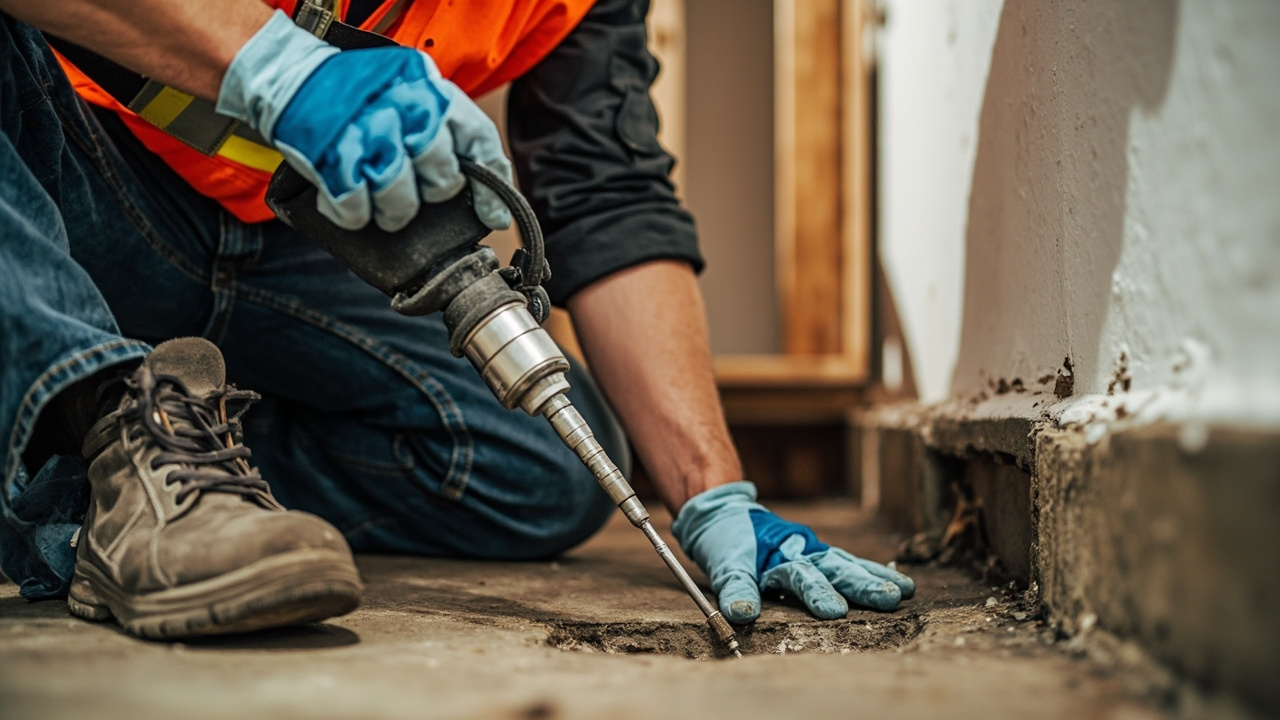
A thorough inspection uses moisture meters, thermal imaging cameras, and visual assessment to map where water is entering and how far it has traveled into the concrete or block. This step matters because water often enters at one point and travels laterally before appearing somewhere else on the wall.
IICRC-certified technicians use this moisture mapping data to determine whether seepage is active, intermittent, or dried but recurring. An intermittent seep tied to rainfall patterns points to exterior drainage failure. A constant seep points to a high water table or a failed sump pump system.
Step 2 – Polyurethane Foam vs. Epoxy Injection
These two products are not interchangeable. Choosing the wrong one is one of the most common mistakes in foundation crack repair.
| Factor | Polyurethane Foam Injection | Epoxy Injection |
|---|---|---|
| Best for | Active water seepage, wet cracks | Dry or dormant cracks needing structural bond |
| How it works | Expands to fill void and seal against water | Bonds concrete surfaces back together |
| Flexibility | Remains flexible, handles minor movement | Rigid bond, does not tolerate movement |
| Structural strength | Low, sealing only | High, restores concrete tensile strength |
| Application moisture | Works in wet conditions | Requires dry crack surface |
| Typical repair timeline | Same day, 2 to 4 hours | 2 to 3 days including cure time |
For most Detroit basements dealing with active seepage after rain, polyurethane foam injection is the first tool. It expands into every micro-void along the crack and cures into a waterproof seal. Epoxy injection is the right call when structural reinforcement is the goal and the crack is fully dry.
Step 3 – Interior Drain Tile and Sump Pump Integration
For chronic seepage problems, crack injection alone is not enough. If hydrostatic pressure is consistently forcing water through, the repair process needs a drainage component. An interior drain tile system installed at the footing collects groundwater before it can build pressure against the wall. It routes that water to a sump crock where a pump removes it from the home.
Many West Village homeowners already have sump pumps. The issue is often that the existing system is undersized, the pump is aged past its reliable service life, or there is no backup for power outages during storms. If you want to understand what happens when a sump pump fails during a heavy event, our guide on flooded basement cleanup in Grosse Pointe covers exactly that scenario.
Step 4 – Exterior Waterproofing When Interior Solutions Are Not Enough
Exterior waterproofing is the most thorough solution. It involves excavating around the foundation to expose the wall, applying a waterproof membrane or drainage board, installing exterior drain tile at the footing, and backfilling with gravel to promote drainage away from the structure.
This approach eliminates hydrostatic pressure at the source rather than managing it from inside. It is a larger project, but for West Village homes with block foundations and recurring seepage, it often makes the most financial sense long-term. Michigan building codes require permits for excavation work near foundations, so any reputable contractor should pull those before work begins.
When Foundation Seepage Becomes a Mold and Air Quality Problem
Water entering a basement creates a moisture reservoir. Concrete block walls absorb and hold water, and the interior face stays damp for extended periods. That chronic moisture feeds mold growth, which in Detroit basements most often appears as Aspergillus, Penicillium, or Stachybotrys species on wood framing, insulation, and drywall.
The EPA’s guidance on mold growth is clear that mold can begin colonizing within 24 to 48 hours of water exposure. A slow seep does not feel dramatic, but it creates consistently elevated relative humidity at the wall surface. That is enough for mold to thrive over weeks and months.
If you have noticed a musty odor in your basement, visible discoloration on walls, or worsening allergy symptoms in family members, get a moisture assessment before the mold remediates itself. Our guide on how to remove mold safely from your Royal Oak home outlines what professional remediation actually involves.
DIY Sealants vs. Professional Grade Repairs
Hardware store hydraulic cement and waterproof paint are marketed as foundation crack solutions. They are not. Here is what you need to understand about each option.
- Hydraulic cement sets fast and can stop an active leak temporarily. It does not bond well to concrete long-term, does not flex with seasonal movement, and leaves the underlying crack pathway intact. Expect re-cracking within one to two freeze-thaw seasons.
- Waterproof paint or sealant applied to the interior wall surface may reduce minor surface moisture transmission. It cannot withstand significant hydrostatic pressure. When water pressure builds behind it, the paint peels and the wall face deteriorates.
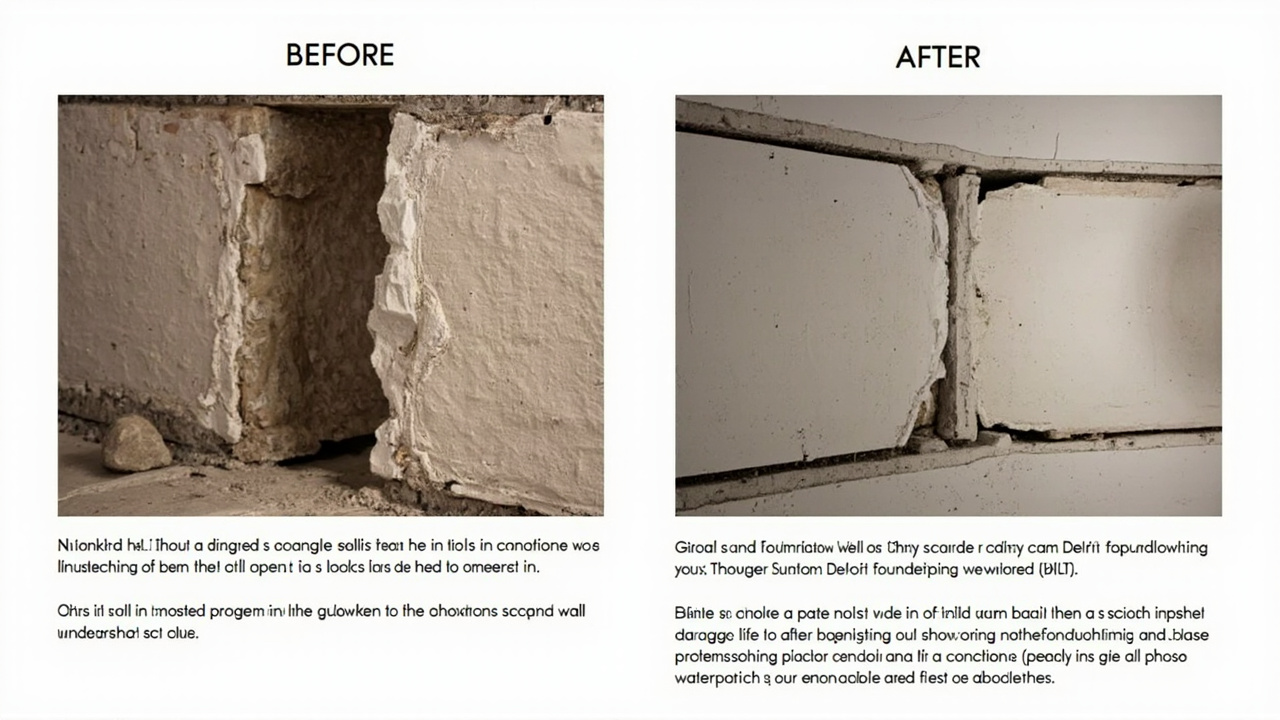
- Professional polyurethane injection fills the crack through its full depth, cures flexible, and bonds to the concrete substrate. It handles the movement that comes with Detroit’s freeze-thaw cycles without re-cracking.
- Professional epoxy injection restores structural integrity in addition to sealing the crack. The bond strength exceeds that of the original concrete when done correctly.
- Interior drainage systems paired with crack repair address the root cause. Water management plus sealing equals a durable repair.
The cost difference between a DIY patch and a professional repair is real. The cost difference between a failed patch and a full mold remediation or structural repair after years of unresolved seepage is much larger.
French Drains, Grading, and Exterior Drainage Fixes
Some foundation seepage problems can be significantly reduced with surface-level corrections before any injection or excavation work is needed. These are the first things worth evaluating.
Negative grading, where soil slopes toward the house rather than away, is extremely common in older Detroit neighborhoods. Water from rain and snowmelt flows directly toward the foundation rather than away from it. Regrading soil to slope a minimum of 6 inches over 10 horizontal feet away from the foundation can reduce water intrusion substantially.
Gutter downspouts that terminate against the foundation wall are another frequent contributor. Extensions or underground discharge pipes that carry water at least 6 feet away from the home make a measurable difference.
For yards with chronic drainage problems, a French drain, which is a gravel-filled trench with a perforated pipe that intercepts and redirects groundwater, can lower the water table around the foundation before it reaches the wall.
What to Do If You Find Active Water Entry Right Now
If water is actively entering your basement through a foundation crack, the immediate priority is to stop secondary damage while you arrange professional assessment.
Move stored items, furniture, and anything with organic material away from the wet area. Water in a Detroit basement in contact with wood framing, cardboard, or drywall can produce mold growth faster than most homeowners expect. If you are dealing with a backup rather than seepage, our resource on sewage backup cleanup in Detroit covers the contamination risks and immediate steps specific to that situation.
For foundation seepage specifically, place a dehumidifier in the basement to manage ambient humidity while you wait for an assessment. If a pipe failure is also involved, our article on fixing the mess after a frozen pipe bursts in your Detroit home walks through the recovery process step by step.
Preventative Measures That Actually Work for Michigan Homeowners
Reactive repair is always more expensive than prevention. These measures address the specific conditions that cause foundation seepage in southeast Michigan.
- Inspect your foundation perimeter every spring after thaw. Look for new cracks, efflorescence (white mineral deposits indicating water travel), and damp spots.
- Test your sump pump before spring rain season. Pour water into the crock to confirm the float activates and the pump discharges properly. Add a battery backup if you do not have one.
- Clean gutters twice per year. Clogged gutters overflow at the foundation line, saturating soil against the wall.
- Seal any existing hairline cracks before they widen through freeze-thaw cycles. A minor repair now prevents a major one later.
- Check window well drains if your basement has egress windows. Blocked window well drains are a common but overlooked seepage source.
- Review your homeowner’s insurance policy for water damage coverage specifics. Many Michigan policies exclude groundwater seepage unless you have a water backup endorsement.
The Michigan Bureau of Construction Codes provides current building code standards relevant to foundation and drainage work in the state. Understanding what is required by code helps you evaluate contractor proposals accurately.
If you are managing water damage in a neighboring community as well, our guide on professional cleanup for flooded basements in Dearborn covers what the remediation process looks like and what to expect when working with a restoration team.
Getting a Professional Assessment for Your West Village Foundation
Foundation crack water seepage in a Detroit home is a problem that gets more expensive the longer it sits. The clay soil, freeze-thaw cycles, and aging infrastructure in West Village and surrounding neighborhoods like East English Village, Sherwood Forest, and Morningside create conditions that accelerate foundation deterioration.
An IICRC-certified water damage restoration professional can distinguish between a crack that needs monitoring and one that needs immediate intervention. That assessment, done by someone who has worked in Detroit basements through multiple seasons, is worth more than any amount of online research.
If you have a foundation crack and you are not sure what it means, get it looked at. The cost of professional assessment is a fraction of what full mold remediation or structural foundation repair runs. Do not wait for the seep to become a flood.
{
“@context”: “https://schema.org”,
“@type”: “BlogPosting”,
“headline”: “Is That Foundation Crack in Your West Village Home a Major Water Risk”,
“description”: “Foundation crack water seepage in Detroit’s West Village? Learn what your crack type means, when it’s urgent, and how professionals fix it for good.”,
“wordCount”: 2203,
“datePublished”: “2026-02-21T09:17:00.000Z”,
“dateModified”: “2026-02-21T09:17:00.000Z”,
“inLanguage”: “en-US”,
“mainEntityOfPage”: {
“@type”: “WebPage”,
“@id”: “https://ironwoodwaterdamagerestorationdetroit.com”
},
“publisher”: {
“@type”: “LocalBusiness”,
“name”: “Ironwood Water Damage Restoration Detroit”,
“url”: “https://ironwoodwaterdamagerestorationdetroit.com”
},
“author”: {
“@type”: “Organization”,
“name”: “Ironwood Water Damage Restoration Detroit”,
“url”: “https://ironwoodwaterdamagerestorationdetroit.com”
},
“image”: {
“@type”: “ImageObject”,
“url”: “https://ironwoodwaterdamagerestorationdetroit.com/wp-content/uploads/2026/03/is-that-foundation-crack-in-your-west-village-home-1.jpg”
}
}
{
“@context”: “https://schema.org”,
“@type”: “LocalBusiness”,
“name”: “Ironwood Water Damage Restoration Detroit”,
“url”: “https://ironwoodwaterdamagerestorationdetroit.com”,
“address”: {
“@type”: “PostalAddress”,
“addressLocality”: “Detroit”
},
“areaServed”: {
“@type”: “City”,
“name”: “Detroit”
}
}
{
“@context”: “https://schema.org”,
“@type”: “BreadcrumbList”,
“itemListElement”: [
{
“@type”: “ListItem”,
“position”: 1,
“name”: “Home”,
“item”: “https://ironwoodwaterdamagerestorationdetroit.com”
},
{
“@type”: “ListItem”,
“position”: 2,
“name”: “Blog”,
“item”: “https://ironwoodwaterdamagerestorationdetroit.com/blog”
},
{
“@type”: “ListItem”,
“position”: 3,
“name”: “Is That Foundation Crack in Your West Village Home a Major Water Risk”
}
]
}
{
“@context”: “https://schema.org”,
“@type”: “Service”,
“serviceType”: “Water Damage Restoration”,
“provider”: {
“@type”: “LocalBusiness”,
“name”: “Ironwood Water Damage Restoration Detroit”,
“url”: “https://ironwoodwaterdamagerestorationdetroit.com”
},
“areaServed”: {
“@type”: “City”,
“name”: “Detroit”
},
“description”: “Foundation crack water seepage in Detroit’s West Village? Learn what your crack type means, when it’s urgent, and how professionals fix it for good.”
}