
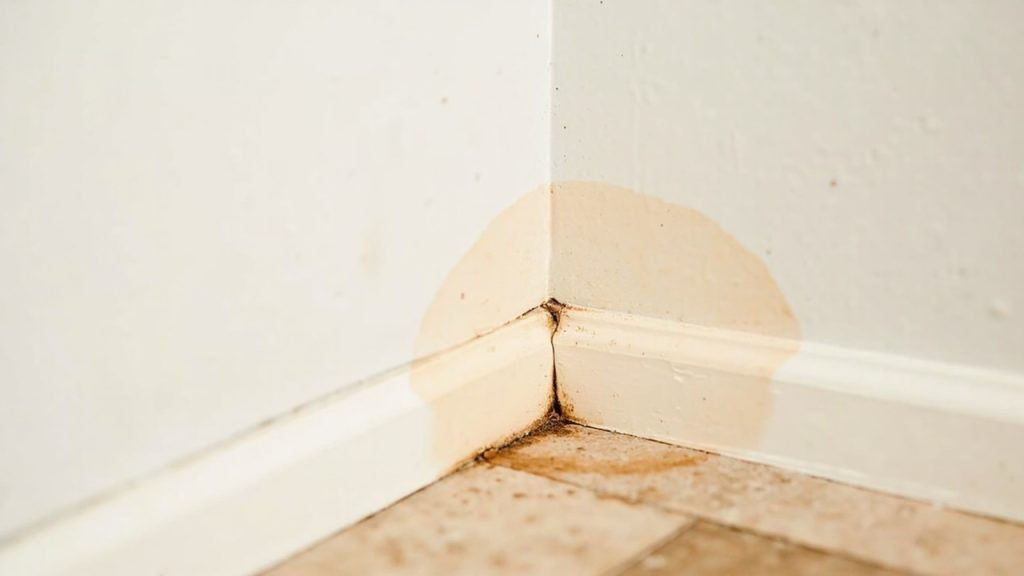
That brown ring on your drywall is not just an eyesore. It is a warning sign, and ignoring it is one of the most expensive mistakes Plymouth homeowners make. Water stains on walls point to a source somewhere behind the surface, and the longer you wait to find it, the more damage spreads inside your walls, floors, and framing.
Plymouth sits in Wayne County, and homes here range from older craftsman-style builds in Old Village to newer construction near Hines Park. Each comes with its own set of plumbing vulnerabilities. Understanding what type of home you have and what kind of leak is most common to that build is the first step toward finding the source fast.
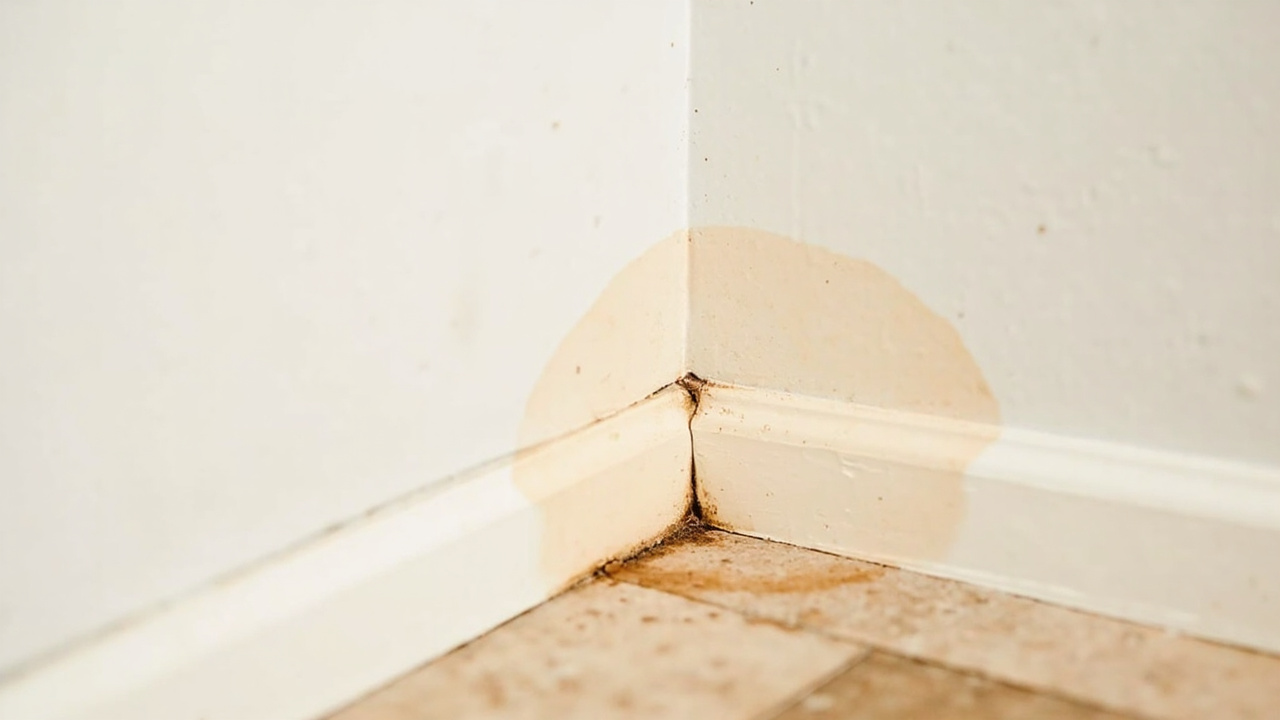
What a Water Stain Is Actually Telling You
A stain on your wall is not the leak itself. It is where water finally became visible after traveling some distance from the actual source. Water follows gravity and the path of least resistance, so the stain location rarely matches the leak location directly.
Shape matters. A circular stain with a defined ring suggests repeated wetting and drying cycles. A long vertical streak usually points to a plumbing supply or drain line running inside the wall. A stain that appears only during heavy rain ties directly to roof or window flashing failures. A stain near the base of a wall in your basement may indicate foundation seepage, which is especially common in older Plymouth homes with poured concrete foundations.
Color tells a story too. Yellow-brown stains typically come from mineral deposits left behind as water evaporates. Dark gray or black discoloration near the edges means mold colonies have already started. If you see that, the leak has been active for a while, likely weeks at minimum.
Signs the Problem Is Bigger Than One Stain
A single stain can sometimes come from a one-time event like an overflowed toilet upstairs. But certain signs point to an ongoing hidden leak that is silently growing inside your walls right now.
- Musty or earthy odors in a room even after cleaning, suggesting mold growth behind drywall
- Drywall that feels soft, spongy, or slightly warped when you press it
- Unexplained spikes in your water bill without changes in your household routine
- Peeling or bubbling paint, especially near baseboards or window frames
- The faint sound of running water when all fixtures are turned off
- Buckled hardwood floors or lifted vinyl near walls, indicating moisture migration
- New stains appearing on ceilings after rain, pointing to roof or chimney flashing failures
If two or more of these signs are present in the same area of your Plymouth home, you are dealing with an active hidden leak. Do not wait for it to self-resolve. Hidden leaks do not stop on their own.
Common Leak Sources in Plymouth Homes
Knowing the most likely sources for your home type saves time during investigation. Plymouth and the surrounding Wayne County area have specific building patterns that create predictable failure points.
Frozen and Burst Pipes in Michigan Winters
Michigan’s freeze-thaw cycles are brutal on supply lines. Pipes routed along exterior walls in older Plymouth homes are especially vulnerable when temperatures drop sharply. When a pipe freezes and bursts, you may not see the water immediately if it releases slowly inside a wall cavity. The stain appears days later as moisture wicks through drywall. If you have a stain that appeared in January or February, a burst or cracked pipe is the most likely culprit. You can learn more about the damage patterns from this type of event in our guide to fixing the mess after a frozen pipe bursts in your Detroit home.
Slab Leaks in Older Plymouth Properties
Many Plymouth homes built before the 1980s have copper supply lines running beneath the concrete slab. As that copper ages and the clay-heavy Michigan soil shifts seasonally, pinhole leaks develop. A slab leak is one of the hardest leaks to detect without professional equipment because the water travels upward through the slab and into wall bases before becoming visible. Warm spots on tile floors and stains appearing at the very base of interior walls are telltale signs.
Roof and Flashing Failures
Stains on ceilings or upper walls often trace back to the roof. In Plymouth, the most common entry points are failed step flashing around chimneys, lifted or cracked pipe boot seals, and damaged ice and water shield at eaves. Ice dams are a particular concern in Michigan winters. Snow builds up, melts, refreezes at the eave overhang, and backs up under shingles before finding its way inside. The resulting stain typically appears near the top of an exterior wall or just inside the exterior wall line on a ceiling.
Plumbing Supply and Drain Line Leaks
Leaking supply lines behind walls are usually slow and steady. A pinhole in a copper line or a failing compression fitting on a PEX connection will drip continuously, building moisture in the wall cavity over weeks. Drain line leaks are often intermittent, appearing only when a fixture is used, which makes them harder to connect to the stain.
Window and Door Frame Seepage
Failed caulking, deteriorated glazing compound, and improperly flashed window headers allow rain to enter along the frame. Stains appear on the wall directly beneath or beside a window and are often dismissed as condensation. If the stain grows after rain events, it is almost certainly water infiltration, not condensation.
How Professional Leak Detection Works
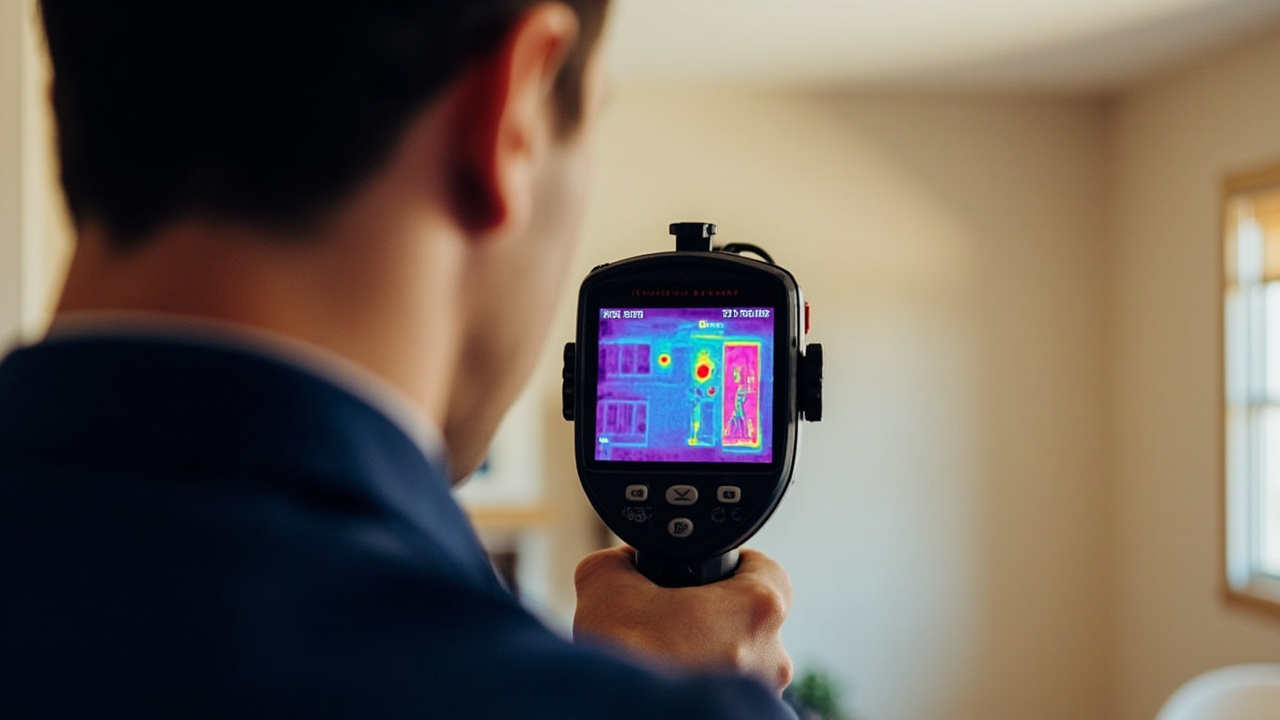
Experienced restoration technicians do not guess. They use a combination of tools that find water without tearing apart your entire wall.
Thermal Imaging Cameras
Thermal imaging detects temperature differences in building materials. Wet drywall holds heat differently than dry drywall, and a thermal camera shows those differences as color gradients on a screen. This tool is especially useful for tracing how far moisture has migrated from the visible stain. According to the U.S. Environmental Protection Agency, moisture intrusion is one of the leading causes of indoor air quality problems, which is exactly why finding the full extent of a leak matters, not just its obvious surface expression.
Acoustic and Ultrasonic Sensors
Acoustic leak detection amplifies the sound of water moving through pipes or escaping through a crack. Ultrasonic sensors pick up high-frequency sounds that pipes make when under pressure with a breach. These tools are critical for locating slab leaks without breaking concrete unnecessarily.
Electronic Moisture Meters and Moisture Mapping
A moisture meter measures the moisture content of drywall, wood framing, and subfloor materials. Technicians take readings at multiple points in a grid pattern across the affected area to create a moisture map. This map shows the outer boundaries of water intrusion and helps determine whether structural materials need to be replaced or can be dried in place.
Non-invasive Pipe Inspection
For suspected drain line issues, a fiber optic camera inspection lets technicians see inside the pipe without opening walls. This is especially useful in older Plymouth homes with cast iron drain lines that may have multiple cracks or root intrusion points.
| Detection Method | Best For | Invasive? | Typical Use Case |
|---|---|---|---|
| Thermal Imaging | Moisture extent mapping | No | Finding how far water has spread inside walls |
| Acoustic Sensors | Pressurized supply line leaks | No | Locating slab leaks and pipe bursts |
| Moisture Meters | Measuring saturation levels | Minor (pin probe) | Confirming dryout progress and damage extent |
| Fiber Optic Camera | Drain and sewer lines | No | Identifying cracks, blockages, root intrusion |
| Pressure Testing | Confirming supply line integrity | No | Verifying a leak is present before opening walls |
The Step-by-Step Process From Detection to Dry
Finding the leak is only the first step. Once the source is confirmed, the restoration process begins immediately to prevent secondary damage. Secondary damage means mold growth, structural rot in wood framing, and compromised drywall paper, all of which start within 24 to 48 hours in a wet environment.
Here is how the process typically flows in a Plymouth home.
First, the leak source gets isolated and stopped. This may involve shutting off the water supply, patching a pipe, or making temporary repairs to a roof penetration. No drying is effective while water continues to enter.
Second, affected materials get assessed. IICRC-certified technicians classify the water damage category (clean water, gray water, or black water) and determine which materials are salvageable and which require removal. This matters for your insurance claim.
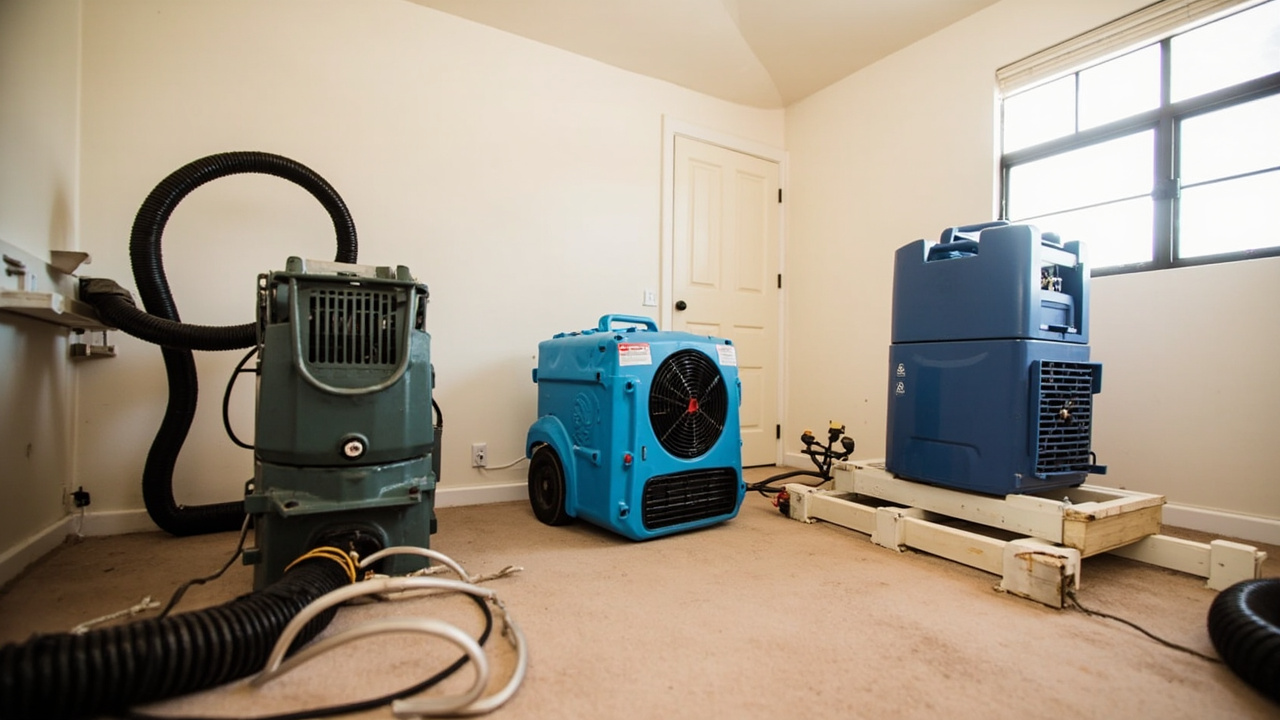
Third, structural drying begins using industrial air movers and dehumidifiers. This is not the same as running a box fan. Industrial drying equipment creates targeted airflow through wall cavities and pulls moisture from materials at a rate that prevents mold establishment.
Fourth, moisture readings are tracked daily until all readings return to baseline levels for the materials involved. In Plymouth, the ambient indoor humidity target during drying is typically between 30 and 50 percent, adjusted based on seasonal outdoor conditions.
If mold has already developed, remediation follows the drying phase. If your situation has reached that stage, the process described in how to remove mold safely from your Royal Oak home gives a clear picture of what that scope of work looks like.
How Plymouth Leak Detection Differs From a Standard Plumber Visit
| Factor | Licensed Plumber | Water Damage Restoration Technician |
|---|---|---|
| Primary Focus | Fixing the pipe or fitting | Finding leak extent and restoring damaged materials |
| Equipment Used | Pipe repair tools, pressure gauges | Thermal cameras, acoustic sensors, moisture meters, drying equipment |
| Mold Assessment | Not typically in scope | Included in damage assessment |
| Insurance Documentation | Rarely provided | Moisture maps, drying logs, and photo documentation for claims |
| Structural Drying | Not provided | Core service, tracked to dryout standard |
| IICRC Certification | Not required for this | Standard credential for water damage professionals |
In many Plymouth leak situations, you need both a plumber and a restoration crew. The plumber stops the water. The restoration team handles everything the water already damaged.
What To Do Right Now If You Have an Active Stain
If you have a stain that is actively growing or wet to the touch, take these steps before a technician arrives.
First, check whether any fixture directly above or adjacent to the stain has been used recently. A second-floor bathroom, a washing machine connection, or a water heater nearby narrows the field immediately.
Second, check your water meter. Turn off all fixtures and watch the meter needle or digital read. If it moves, you have an active pressurized leak somewhere in the system. This rules out rain infiltration and points to plumbing.
Third, do not cut into the wall yourself without understanding what is behind it. Electrical wiring runs through wall cavities, and wet insulation can conduct current. This is not a DIY investigation step once water is confirmed.
Fourth, photograph the stain with a timestamp before doing anything else. If you file an insurance claim, documentation of the original condition matters. The IICRC S500 Standard for Professional Water Damage Restoration is the baseline document insurance adjusters reference when evaluating claims, and professional technicians work to that standard.
If your stain has progressed to a fully wet or flooded basement situation, the response changes. For Grosse Pointe and nearby Wayne County residents dealing with basement flooding alongside this kind of wall damage, flooded basement cleanup in Grosse Pointe covers what a rapid response looks like. For Dearborn residents facing a similar situation, professional cleanup for flooded basements in Dearborn gives a detailed breakdown of the process and timeline. Sewage involvement adds another layer of urgency, and our resource on what to do right now for sewage backup cleanup in Detroit addresses that specific situation directly.
Neighborhoods and Areas We Serve Around Plymouth
Our technicians serve Plymouth Township, the Old Village district, neighborhoods adjacent to Hines Park, and the broader Wayne County metro. We respond to calls throughout the Detroit metro area, including communities along the M-14 and I-275 corridors.
Response time for Plymouth and surrounding areas is under 60 minutes for emergency dispatch. Detection and assessment can begin the same day in most non-emergency situations.
Frequently Asked Questions About Plymouth Water Leak Detection
Does homeowner’s insurance cover hidden leak detection?
Most standard homeowner’s policies in Michigan cover sudden and accidental water damage from a burst pipe but exclude slow leaks that developed over time due to lack of maintenance. Coverage for the detection process itself varies by policy. Documentation from a certified restoration technician showing the extent and probable cause of damage strengthens your claim regardless of the policy type.
How long does professional drying take after a leak is found?
A typical wall cavity drying job in a Plymouth home takes between three and five days when caught early. Slab leaks with significant subfloor saturation can take seven to ten days. Drying timelines depend on material density, the volume of water present, and ambient conditions at the time of the event.
Can a water stain come back after the leak is fixed?
The stain itself will not produce new moisture once the source is fixed and the materials are dried to standard. A new or growing stain after a repair means either the original repair failed or a second leak source exists. Do not repaint over a stain without confirming the underlying moisture readings are at baseline.
What is the difference between a Category 1 and Category 3 water loss?
Category 1 is clean water from a supply line or rain. Category 2 (gray water) includes washing machine discharge or dishwasher overflow with minor contamination. Category 3 is black water, which includes sewage backup or floodwater with significant biological contamination. The category determines how materials are handled during remediation and affects restoration costs and scope significantly.
A water stain on your Plymouth wall is worth taking seriously today. The longer the source stays active, the more it costs to fix. Call for a professional assessment before that stain becomes a mold remediation project or a structural repair job.
{
“@context”: “https://schema.org”,
“@type”: “BlogPosting”,
“headline”: “Finding the Source of Mystery Water Stains on Your Walls in Plymouth”,
“description”: “Water stains on Plymouth walls often hide serious leaks. Learn how pros detect hidden water damage before it destroys your home or triggers mold growth.”,
“wordCount”: 2295,
“datePublished”: “2026-02-24T09:00:00.000Z”,
“dateModified”: “2026-02-24T09:00:00.000Z”,
“inLanguage”: “en-US”,
“mainEntityOfPage”: {
“@type”: “WebPage”,
“@id”: “https://ironwoodwaterdamagerestorationdetroit.com”
},
“publisher”: {
“@type”: “LocalBusiness”,
“name”: “Ironwood Water Damage Restoration Detroit”,
“url”: “https://ironwoodwaterdamagerestorationdetroit.com”
},
“author”: {
“@type”: “Organization”,
“name”: “Ironwood Water Damage Restoration Detroit”,
“url”: “https://ironwoodwaterdamagerestorationdetroit.com”
},
“image”: {
“@type”: “ImageObject”,
“url”: “https://ironwoodwaterdamagerestorationdetroit.com/wp-content/uploads/2026/03/finding-the-source-of-mystery-water-stains-on-your-1.jpg”
}
}
{
“@context”: “https://schema.org”,
“@type”: “LocalBusiness”,
“name”: “Ironwood Water Damage Restoration Detroit”,
“url”: “https://ironwoodwaterdamagerestorationdetroit.com”,
“address”: {
“@type”: “PostalAddress”,
“addressLocality”: “Detroit”
},
“areaServed”: {
“@type”: “City”,
“name”: “Detroit”
}
}
{
“@context”: “https://schema.org”,
“@type”: “FAQPage”,
“mainEntity”: [
{
“@type”: “Question”,
“name”: “Does homeowner’s insurance cover hidden leak detection?”,
“acceptedAnswer”: {
“@type”: “Answer”,
“text”: “Most standard homeowner’s policies in Michigan cover sudden and accidental water damage from a burst pipe but exclude slow leaks that developed over time due to lack of maintenance. Coverage for the detection process itself varies by policy. Documentation from a certified restoration technician showing the extent and probable cause of damage strengthens your claim regardless of the policy type.”
}
},
{
“@type”: “Question”,
“name”: “How long does professional drying take after a leak is found?”,
“acceptedAnswer”: {
“@type”: “Answer”,
“text”: “A typical wall cavity drying job in a Plymouth home takes between three and five days when caught early. Slab leaks with significant subfloor saturation can take seven to ten days. Drying timelines depend on material density, the volume of water present, and ambient conditions at the time of the event.”
}
},
{
“@type”: “Question”,
“name”: “Can a water stain come back after the leak is fixed?”,
“acceptedAnswer”: {
“@type”: “Answer”,
“text”: “The stain itself will not produce new moisture once the source is fixed and the materials are dried to standard. A new or growing stain after a repair means either the original repair failed or a second leak source exists. Do not repaint over a stain without confirming the underlying moisture readings are at baseline.”
}
},
{
“@type”: “Question”,
“name”: “What is the difference between a Category 1 and Category 3 water loss?”,
“acceptedAnswer”: {
“@type”: “Answer”,
“text”: “Category 1 is clean water from a supply line or rain. Category 2 (gray water) includes washing machine discharge or dishwasher overflow with minor contamination. Category 3 is black water, which includes sewage backup or floodwater with significant biological contamination. The category determines how materials are handled during remediation and affects restoration costs and scope significantly.”
}
}
]
}
{
“@context”: “https://schema.org”,
“@type”: “BreadcrumbList”,
“itemListElement”: [
{
“@type”: “ListItem”,
“position”: 1,
“name”: “Home”,
“item”: “https://ironwoodwaterdamagerestorationdetroit.com”
},
{
“@type”: “ListItem”,
“position”: 2,
“name”: “Blog”,
“item”: “https://ironwoodwaterdamagerestorationdetroit.com/blog”
},
{
“@type”: “ListItem”,
“position”: 3,
“name”: “Finding the Source of Mystery Water Stains on Your Walls in Plymouth”
}
]
}
{
“@context”: “https://schema.org”,
“@type”: “Service”,
“serviceType”: “Water Damage Restoration”,
“provider”: {
“@type”: “LocalBusiness”,
“name”: “Ironwood Water Damage Restoration Detroit”,
“url”: “https://ironwoodwaterdamagerestorationdetroit.com”
},
“areaServed”: {
“@type”: “City”,
“name”: “Detroit”
},
“description”: “Water stains on Plymouth walls often hide serious leaks. Learn how pros detect hidden water damage before it destroys your home or triggers mold growth.”
}