
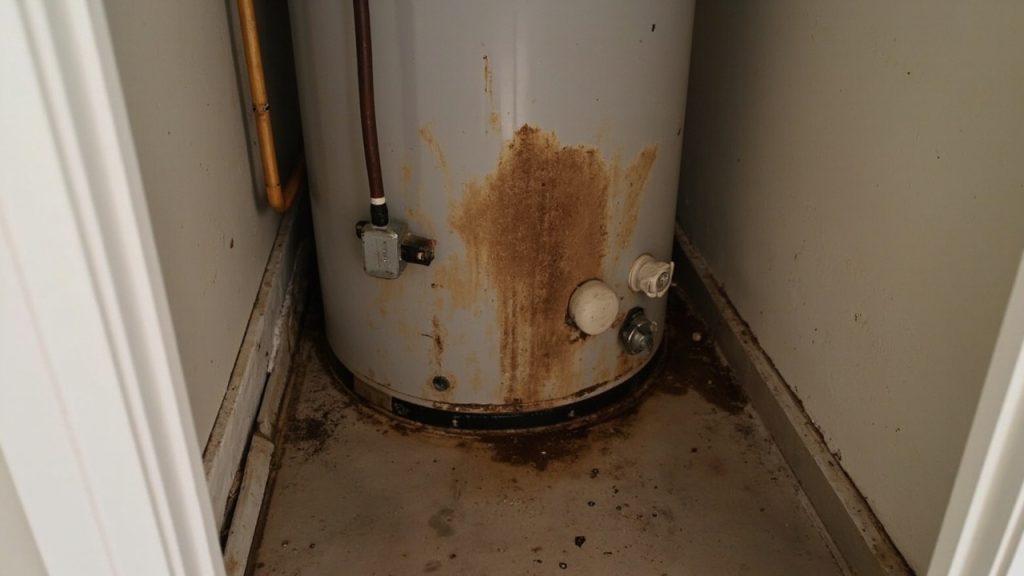
Your water heater sits quietly in the corner of your utility room doing its job every day. Then one morning you walk downstairs and find standing water spreading across the floor. In older Detroit neighborhoods like Rosedale Park, this is one of the most common causes of localized home flooding we respond to. The frustrating part is that most of these failures send clear warning signals for days or even weeks before they happen.
Knowing what to look for gives you a real window to act before a slow drip becomes a utility room flood. This guide walks you through those signals, what causes them in Detroit homes specifically, and what happens when the damage is already done.
Warning Signs Your Water Heater Is Getting Ready to Fail
These are not subtle hints. They are measurable, visible, and audible. If you see or hear more than one of the following, your tank is giving you a deadline.
Rust-Colored Water Coming From Your Hot Taps
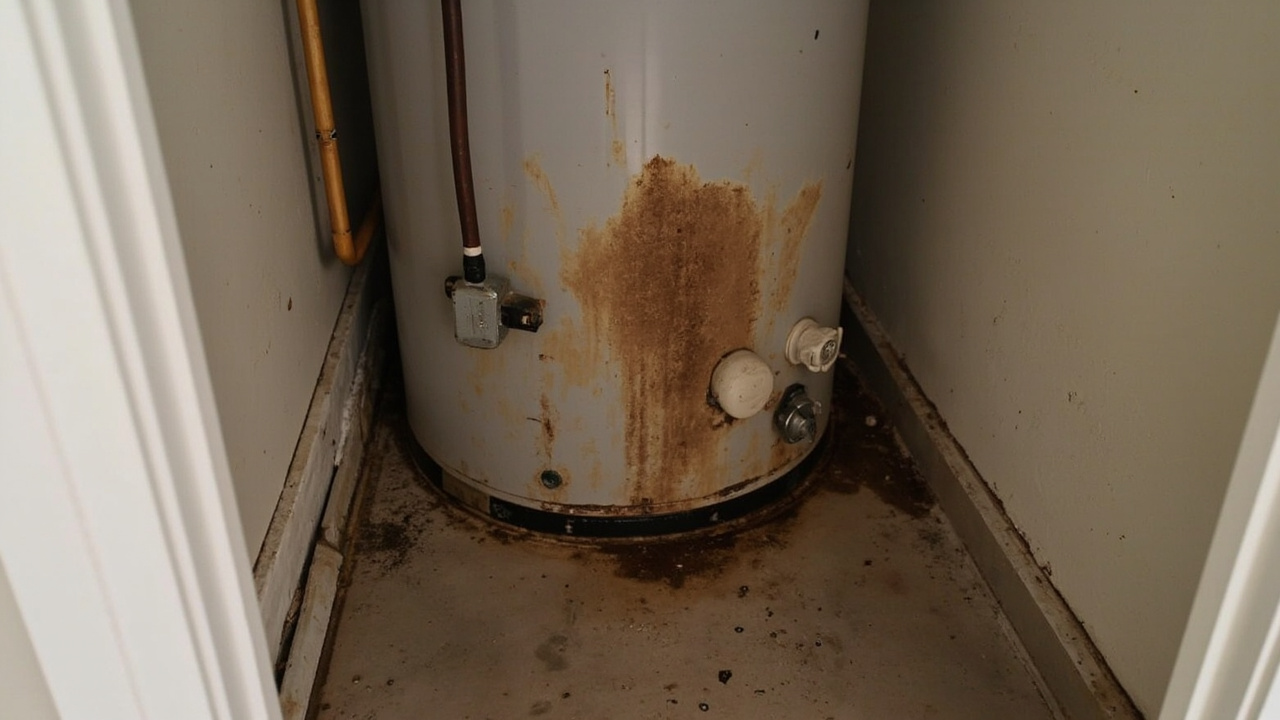
Reddish or brownish water from your hot side means one thing: corrosion inside the tank. The anode rod inside your water heater exists to attract corrosive minerals so they attack the rod instead of the steel tank wall. When that rod is exhausted, the tank itself starts corroding. Detroit’s municipal water supply carries minerals that accelerate this process, especially in homes that haven’t had their anode rod replaced in several years.
Discolored hot water is not a cosmetic issue. It means your tank wall may already be compromised.
Rumbling or Popping Sounds During Heating Cycles
This sound is sediment. Over time, calcium and magnesium deposits settle at the bottom of your tank. When your burner fires, water trapped beneath that sediment layer superheats and forces its way through. The popping and rumbling you hear is that process happening repeatedly.
Heavy sediment buildup does two things. It makes your heater work harder, which strains the tank walls. It also creates uneven heat distribution, which causes micro-fractures in the tank lining over time. In Rosedale Park homes with original utility setups, we routinely find tanks that have been running with heavy sediment for years.
Moisture or Wet Spots Around the Base of the Tank
Any visible moisture around the base of your water heater is a red flag. Small leaks at the tank seams or at fittings can go unnoticed for days. By the time you see pooling water, the tank has often been seeping long enough to saturate the subfloor underneath.
Run your hand along the bottom edge of the tank and check the connections at the top. Even a small drip at a fitting can signal that pressure inside the tank is building beyond safe levels.
The Pressure Relief Valve Is Leaking or Corroded
The temperature and pressure relief valve (T&P valve) is a safety device. It releases pressure if the tank gets too hot or pressure builds too high. If water is dripping from the T&P valve discharge pipe, that is a sign pressure inside your tank is regularly exceeding safe thresholds. A corroded or mineral-crusted T&P valve that won’t open correctly is equally dangerous because it means pressure has no safe release point.
The U.S. Consumer Product Safety Commission documents water heater failures and pressure-related incidents regularly. A compromised T&P valve is not something to watch and wait on.
Age of the Tank
Most residential water heaters have a realistic service life of 8 to 12 years. Many homes in Rosedale Park, Palmer Woods, and the University District have original utility setups that haven’t been touched since the previous owner. If you don’t know the age of your tank, check the serial number on the rating plate. The manufacturing date is usually encoded in the first few characters. Tanks running past the 10-year mark need close monitoring regardless of how they look.
Why Detroit Homes Face This Problem More Than Most
Detroit’s housing stock is older than the national average. Rosedale Park in particular has a large concentration of homes built between the 1920s and 1950s. Many of these homes have utility rooms that were retrofitted rather than purpose-built for modern water heater installation. That means older plumbing connections, limited drainage, and utility room floors that are not always sloped toward a drain.
Detroit’s water chemistry also plays a role. The city draws water from Lake St. Clair and the Detroit River, and while treated, it still carries minerals that accelerate sediment buildup and anode rod depletion compared to areas with softer water supplies.
Wayne County also experiences significant freeze-thaw cycling through the winter and early spring. That thermal stress affects every pipe and fitting connected to your water heater, not just the tank itself. Expansion and contraction at connection points creates micro-leaks that worsen over time. If you’ve dealt with a frozen pipe burst before, you know how fast that kind of failure can escalate. The same principle applies here. If you want to understand the aftermath of that type of failure, read our guide on fixing the mess after a frozen pipe bursts in your Detroit home.
What to Do the Moment You Find Water Heater Leaking
If you find water on the floor of your utility room, do not wait to see if it gets worse. Follow these steps immediately.
- Cut the power or gas supply first. For electric water heaters, go to your breaker panel and switch off the circuit for the water heater. For gas units, turn the gas valve to the pilot or off position. Do not skip this step regardless of how small the leak looks.
- Shut off the cold water supply valve. This is the valve on the cold water inlet pipe at the top of the tank. Turning it clockwise stops new water from entering the tank. This limits how much water can escape.
- Connect a garden hose to the drain valve and drain the tank if it is actively leaking. Route the hose to a floor drain or outside. Water heaters hold 40 to 80 gallons. That is enough to flood a utility room if the tank lets go all at once.
- Move anything stored near the heater away from the water. Cardboard boxes, stored items, and utility shelving absorb water quickly and become a mold food source within 24 to 48 hours.
- Call a water damage restoration company if water has spread beyond the immediate area of the tank. Even a modest amount of standing water can saturate drywall, subfloor materials, and wall cavities in ways that are not visible to the naked eye.
How Water Heater Leaks Cause Hidden Structural Damage
The visible puddle is rarely the real problem. Water that sits on a utility room floor for more than a few hours begins wicking into the subfloor. In Rosedale Park homes with wood-framed floors and original hardwood or tile above the utility space, that moisture travels upward into living areas before you know it’s there.
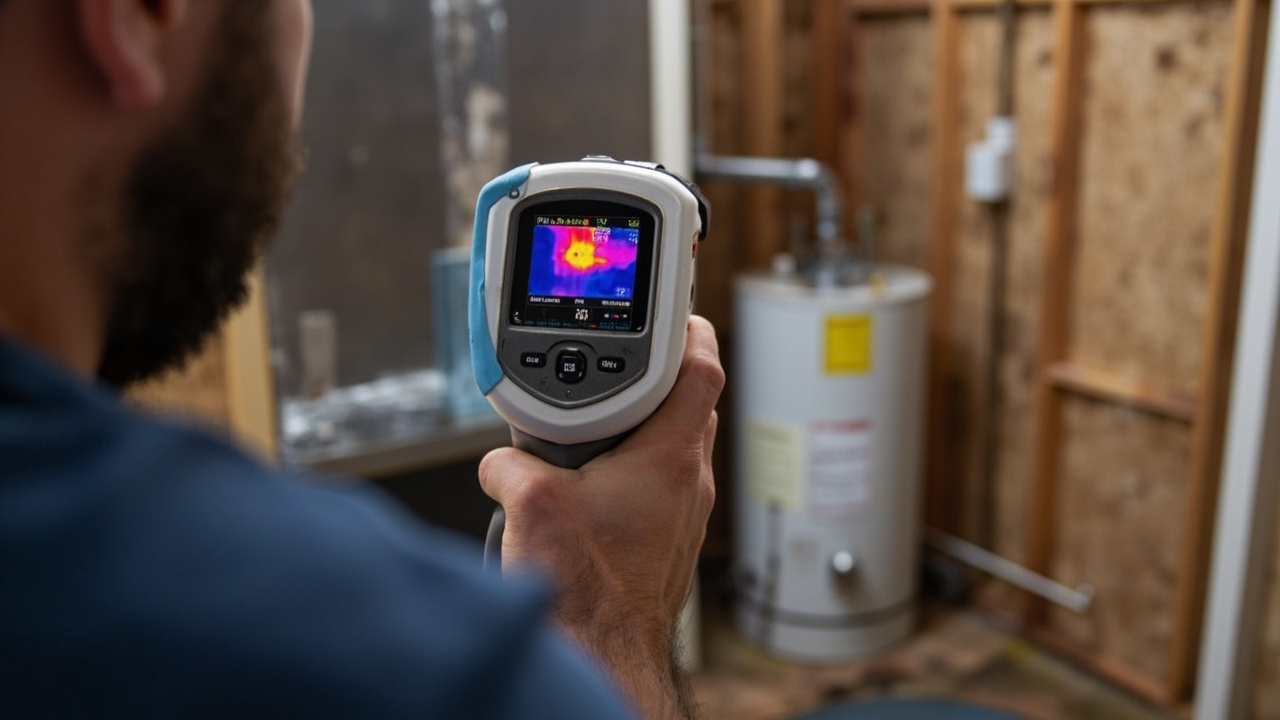
Thermal imaging is the tool restoration technicians use to find water migration that isn’t visible. An infrared camera shows temperature differentials in walls and floors caused by moisture. What looks like a dry wall to the eye may show significant moisture intrusion on a thermal scan. This is standard practice in professional water damage assessment and it is the reason you cannot rely on visual inspection alone after a water heater failure.
Mold is the next concern. Detroit’s climate creates conditions where mold can establish in wet building materials within 24 to 48 hours during warmer months. Southeast Michigan summers push indoor humidity into ranges where untreated water damage becomes a mold problem fast. If water has been sitting for more than a day, professional mold assessment should be part of your restoration process. For context on what that process looks like, see our article on how to remove mold safely from your Royal Oak home.
The Professional Restoration Process After a Water Heater Flood
Water Extraction
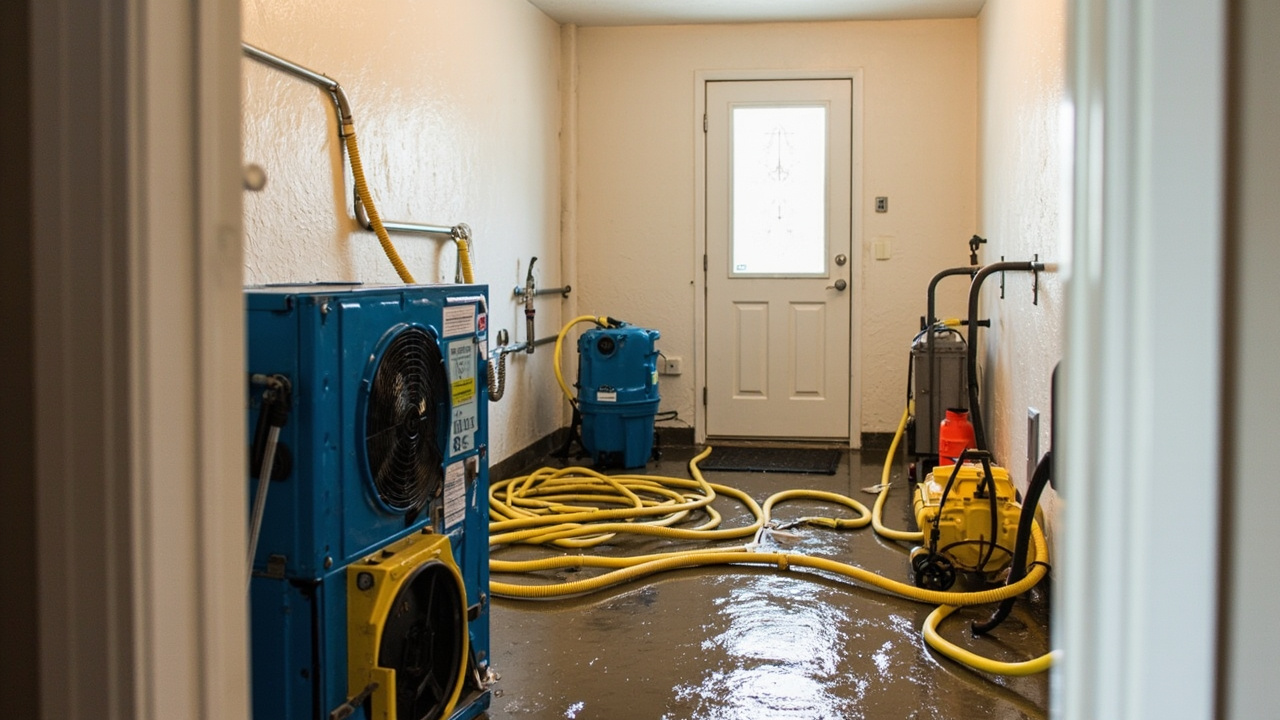
Truck-mounted extraction units remove standing water from floors, carpet, and subfloor materials far more effectively than wet vacuums or mops. The goal is to pull as much water out of the structure as possible before drying begins. Speed matters here. Every hour water sits in building materials increases the scope of the damage.
Structural Drying and Dehumidification
After extraction, industrial air movers and dehumidifiers are positioned to dry the structure from the inside out. This is not the same as opening windows or running a box fan. Commercial dehumidifiers pull moisture directly out of the air and out of wall cavities at a rate that consumer equipment cannot match. IICRC-certified technicians monitor moisture readings with calibrated meters throughout the drying process to confirm the structure is returning to acceptable levels.
Antimicrobial Treatment
Any surface that was exposed to water receives antimicrobial treatment to suppress mold and bacterial growth. In a utility room that may also see sewage-adjacent plumbing, this step is particularly important.
Documentation for Insurance
Professional restoration companies document every phase of the damage and drying process. This documentation is what your homeowner’s insurance adjuster needs to process your claim accurately. Michigan insurers including Auto-Owners and AAA Michigan require structured documentation of damage extent, moisture readings, and remediation steps. Working with a company experienced in direct insurance billing makes this process significantly less painful.
Water Heater Leak Warning Signs at a Glance
| Warning Sign | What It Indicates | Urgency Level |
|---|---|---|
| Rust-colored hot water | Internal corrosion of tank | High |
| Rumbling or popping during heating | Heavy sediment buildup | Moderate to High |
| Moisture at tank base | Active seam or fitting leak | High |
| Dripping T&P relief valve | Excess pressure in tank | Very High |
| Tank age over 10 years | Increased failure risk | Moderate |
| Fluctuating hot water temperature | Thermostat or element failure | Moderate |
| Visible corrosion at fittings or connections | Fitting failure risk | High |
How Water Damage Spreads Over Time After a Leak
| Time After Leak Starts | Typical Damage Scope | Restoration Complexity |
|---|---|---|
| Under 1 hour | Surface water only, limited absorption | Low |
| 1 to 12 hours | Subfloor saturation begins, drywall wicking starts | Moderate |
| 12 to 24 hours | Wall cavities affected, wood swelling begins | Moderate to High |
| 24 to 48 hours | Mold growth begins, structural components compromised | High |
| Over 48 hours | Mold colonization, potential structural damage to framing | Very High |
Rosedale Park Specifically and What We See in These Homes
Rosedale Park sits on Detroit’s west side, bordered by Grand River Avenue to the north and the Lodge Freeway to the east. The housing stock here is predominantly brick construction from the mid-20th century, and the utility rooms in these homes tend to be compact. Many were designed with a single floor drain that has calcified or been partially blocked over decades of use.
When a water heater lets go in one of these utility rooms, water has nowhere to go quickly. It backs up and spreads into adjacent finished spaces faster than in homes with larger utility areas and better drainage. We have responded to water heater failures in this neighborhood where the water had migrated under a partition wall into a finished laundry area before the homeowner even noticed the leak had started.
If your utility room floor drain hasn’t been tested recently, run some water into it and watch how fast it drains. A slow drain in a utility room is a compounding risk factor when your water heater sits right above it.
For homeowners in other Detroit neighborhoods dealing with similar flooding situations, our guides on flooded basement cleanup in Grosse Pointe and professional cleanup for flooded basements in Dearborn cover what to expect from the restoration process in similar housing contexts.
How to Reduce Your Risk Right Now
You don’t need to wait for a failure to take action. These steps directly reduce the likelihood of a water heater flood in your home.
- Check the age of your water heater today. If it’s past 10 years, budget for replacement and have a plumber inspect the anode rod and T&P valve.
- Test your T&P valve annually by lifting the lever briefly. Water should release from the discharge pipe. If nothing comes out or it won’t reseat, the valve needs replacement.
- Flush sediment from your tank every 12 months by connecting a hose to the drain valve and letting it run until the water clears. Detroit water chemistry makes this more important here than in softer water markets.
- Install a water leak detector on the floor beside your water heater. These inexpensive devices alert you to moisture before it becomes standing water. Some integrate with smart home systems for remote alerts.
- Make sure your utility room floor drain is clear and functioning.
- Know where your main water shutoff is. In a sudden tank failure, you may need to shut off the whole house supply before you can get to the heater’s inlet valve.
Water heater failures that also involve sewage-adjacent plumbing create a more serious contamination situation. If your utility room shares space with a laundry drain or floor drain that backs up during the flooding, that changes the cleanup category significantly. Our guide on sewage backup cleanup in Detroit explains what that involves.
What IICRC Certification Means for Your Restoration
The Institute of Inspection, Cleaning and Restoration Certification (IICRC) sets the industry standard for water damage restoration procedures. When you hire an IICRC-certified company, you get technicians trained to S500 standards for water damage and S520 standards for mold remediation. These are not marketing terms. They represent specific protocols for moisture measurement, drying timelines, and documentation practices that insurance adjusters recognize and accept.
In Michigan, where homeowners carry policies through carriers like Auto-Owners Insurance and AAA Michigan, having a certified restoration company document your claim from the start keeps the process moving and reduces disputes over scope of damage.
When to Call for Emergency Water Damage Restoration
Call immediately if any of the following are true. Water has spread beyond the immediate area of the water heater. You can see water staining on drywall. The subfloor feels soft or spongy. You smell a musty odor within 24 hours of finding the water. The leak has been present for an unknown amount of time.
Do not wait until morning if you find the problem at night. Water damage that sits overnight adds measurable scope and cost to the restoration. Emergency response within the first hour of discovery consistently results in less structural damage, less mold risk, and a more straightforward insurance claim.
If you are in Rosedale Park, Grandmont, Brightmoor, or anywhere in the greater Detroit metro area and your water heater is showing these signs or has already failed, get someone on-site to assess the damage as soon as possible. The difference between a manageable cleanup and a full subfloor replacement often comes down to how quickly professional drying equipment gets into the space.
{
“@context”: “https://schema.org”,
“@type”: “BlogPosting”,
“headline”: “Warning Signs Your Rosedale Park Water Heater Is About to Flood Your Utility Room”,
“description”: “Spot the warning signs before your water heater fails. Detroit homeowners in Rosedale Park can act fast and avoid costly water damage with this guide.”,
“wordCount”: 2462,
“datePublished”: “2026-03-20T09:56:00.000Z”,
“dateModified”: “2026-03-20T09:56:00.000Z”,
“inLanguage”: “en-US”,
“mainEntityOfPage”: {
“@type”: “WebPage”,
“@id”: “https://ironwoodwaterdamagerestorationdetroit.com”
},
“publisher”: {
“@type”: “LocalBusiness”,
“name”: “Ironwood Water Damage Restoration Detroit”,
“url”: “https://ironwoodwaterdamagerestorationdetroit.com”
},
“author”: {
“@type”: “Organization”,
“name”: “Ironwood Water Damage Restoration Detroit”,
“url”: “https://ironwoodwaterdamagerestorationdetroit.com”
},
“image”: {
“@type”: “ImageObject”,
“url”: “https://ironwoodwaterdamagerestorationdetroit.com/wp-content/uploads/2026/03/signs-your-rosedale-park-water-heater-is-about-to-1.jpg”
}
}
{
“@context”: “https://schema.org”,
“@type”: “LocalBusiness”,
“name”: “Ironwood Water Damage Restoration Detroit”,
“url”: “https://ironwoodwaterdamagerestorationdetroit.com”,
“address”: {
“@type”: “PostalAddress”,
“addressLocality”: “Detroit”
},
“areaServed”: {
“@type”: “City”,
“name”: “Detroit”
}
}
{
“@context”: “https://schema.org”,
“@type”: “BreadcrumbList”,
“itemListElement”: [
{
“@type”: “ListItem”,
“position”: 1,
“name”: “Home”,
“item”: “https://ironwoodwaterdamagerestorationdetroit.com”
},
{
“@type”: “ListItem”,
“position”: 2,
“name”: “Blog”,
“item”: “https://ironwoodwaterdamagerestorationdetroit.com/blog”
},
{
“@type”: “ListItem”,
“position”: 3,
“name”: “Warning Signs Your Rosedale Park Water Heater Is About to Flood Your Utility Room”
}
]
}
{
“@context”: “https://schema.org”,
“@type”: “Service”,
“serviceType”: “Water Damage Restoration”,
“provider”: {
“@type”: “LocalBusiness”,
“name”: “Ironwood Water Damage Restoration Detroit”,
“url”: “https://ironwoodwaterdamagerestorationdetroit.com”
},
“areaServed”: {
“@type”: “City”,
“name”: “Detroit”
},
“description”: “Spot the warning signs before your water heater fails. Detroit homeowners in Rosedale Park can act fast and avoid costly water damage with this guide.”
}