
Why the Old Coal Chute in Your Woodbridge Basement is a Secret Entry Point for Water
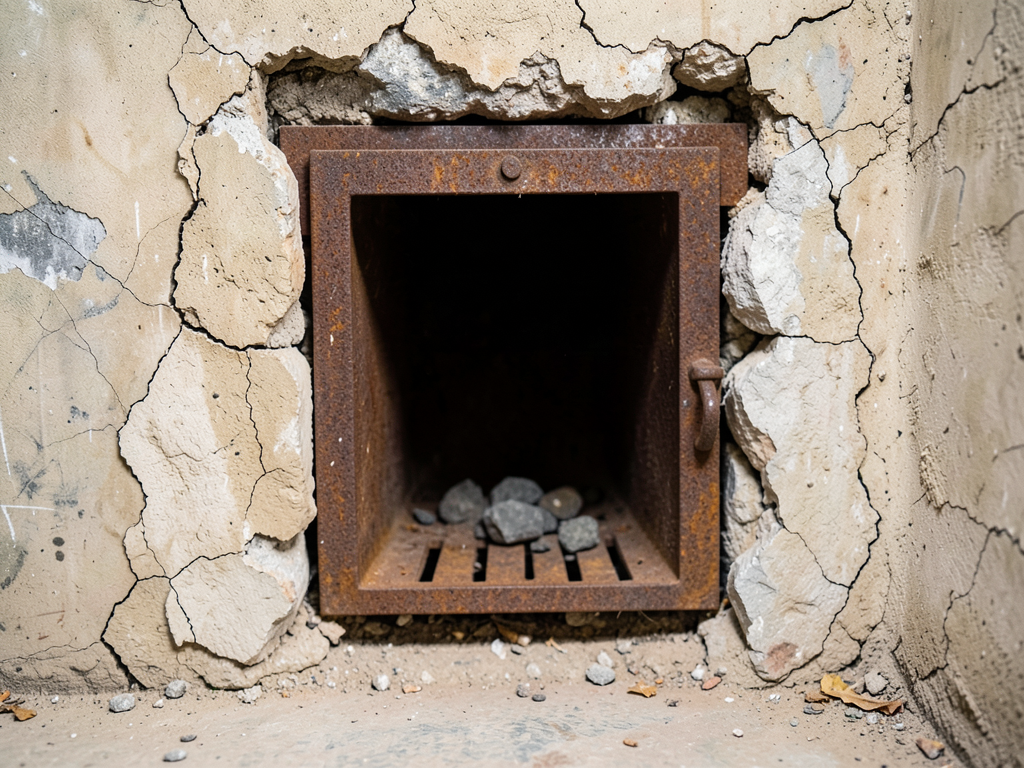
Walking into your basement and seeing a damp spot near that old iron door can feel like solving a mystery you didn’t ask to solve. That rusted coal chute in your Woodbridge basement isn’t just a relic from Detroit’s past; it’s a direct path for water to enter your home. These century-old openings were built before modern waterproofing existed and now sit surrounded by aging brick and mortar that has cracked and settled over decades. In Detroit’s climate with heavy spring rains and harsh freeze-thaw cycles the problem gets worse every year. If you ignore it you risk mold growth structural rot and costly repairs. This guide explains why these coal chutes leak how to spot the damage and what to do before the next storm hits. EPA mold guidelines.
How Coal Chutes Were Built and Why They Leak Today
Coal chutes were standard in Detroit homes built before the 1950s. Builders cut a hole in the foundation wall and installed a cast-iron door that opened to a metal or concrete chute leading down to the basement. The surrounding brick or stone was sealed with basic mortar not the waterproof materials we use today. Over 70 to 100 years that mortar breaks down. The iron door rusts and expands cracking the masonry. The foundation settles creating gaps around the chute. Detroit’s clay soil expands when wet and contracts when dry putting pressure on these weak spots. Add in Michigan’s freeze-thaw cycle and every winter those cracks get a little bigger. Michigan Residential Code.
Common Signs of Water Entry Around Your Coal Chute
Water doesn’t always pour in. Often it seeps slowly leaving clues you might miss. Look for white powdery deposits on the brick near the chute. That’s efflorescence a sign that water is moving through the masonry and leaving behind dissolved salts. Check for dark staining or damp spots on the wall or floor. If the wood framing or rim joist near the chute feels soft or shows signs of rot you already have water damage. Musty odors mean mold is growing somewhere nearby. In spring after heavy rains you might see actual dripping or pooling near the chute base. These are all red flags that the seal has failed. Fixing the Mess After a Frozen Pipe Bursts in Your Detroit Home.
Why Woodbridge Homes Are Especially Vulnerable
Woodbridge sits on Detroit’s near-west side and its historic district contains blocks of early 20th-century homes built with the same construction methods. Many of these houses sit on clay-heavy soil that drains poorly. The neighborhood’s mature tree canopy adds another problem: roots can shift foundations and create new cracks near old coal chutes. The area also sees more freeze-thaw swings than newer suburbs because of its older housing stock and lack of modern insulation. The Detroit Water and Sewerage Department’s aging combined sewer system can surcharge during heavy storms pushing water toward basement walls. All of these factors make Woodbridge coal chutes high-risk entry points. Flooded Basement Cleanup in Grosse Pointe Done Fast and Done Right.
Comparing Repair Options for Coal Chute Leaks
| Repair Method | Cost Range | Effectiveness | Best For |
|---|---|---|---|
| Hydraulic Cement Patching | Low | Temporary | Minor surface cracks |
| Polyurethane Injection | Medium | High | Active leaks and small voids |
| Exterior Excavation and Sealing | High | Permanent | Severe or recurring leaks |
| Complete Chute Removal and Foundation Repair | Very High | Complete | Structurally compromised chutes |
Step-by-Step Professional Repair Process
- Inspection and Moisture Mapping
Technician uses a moisture meter to locate all wet areas and traces the leak path. This step identifies hidden damage inside walls and under flooring. Water Damage Restoration Livonia.
- Containment Setup
Plastic sheeting and HEPA air scrubbers are installed to prevent dust and mold spores from spreading to the rest of the home.
- Removal of Failing Materials
Deteriorated brick, mortar, and rusted iron doors are carefully removed to expose the full extent of the damage. How to Remove Mold Safely from Your Royal Oak Home.
- Structural Repair
New masonry is installed using hydraulic cement and waterproof sealants. If needed, foundation cracks are injected with closed-cell polyurethane.
- Exterior Drainage Improvement
Grading is adjusted and downspout extensions are added to direct water away from the foundation wall.
- Final Drying and Mold Treatment
Industrial dehumidifiers and air movers run for several days. Any mold is treated with EPA-registered antimicrobials.
The Michigan Freeze-Thaw Cycle and Your Foundation
Detroit averages about 30 freeze-thaw cycles each winter. Water enters small cracks around your coal chute. When temperatures drop below 32 degrees the water freezes and expands by about 9 percent. This expansion forces the crack wider. When it thaws the cycle repeats. Over a single winter this can turn a hairline gap into a quarter-inch opening. The Michigan Residential Code now requires proper drainage for all new foundations but your coal chute was built long before these rules existed. That means your home relies on aging materials that can’t handle today’s weather extremes.
Insurance Coverage for Coal Chute Leaks
Most standard Michigan homeowners policies cover sudden and accidental water damage but not slow seepage. If a storm overwhelms your drainage and forces water in through the chute that’s usually covered. If the leak is due to long-term mortar failure or lack of maintenance it’s considered a maintenance issue and denied. Always document the damage with photos and keep receipts for any emergency repairs. Your insurance adjuster will want to see proof that you took steps to minimize further damage. If you’re unsure call your agent before starting work.
Why DIY Repairs Often Fail
Store-bought hydraulic cement can stop a drip for a few months but it doesn’t address the underlying cause. If the surrounding brick is still saturated the patch will fail when the next freeze hits. Many homeowners also miss hidden damage inside the wall or under the floor. Without proper drying equipment trapped moisture leads to mold within 48 to 72 hours. Professional repair includes moisture mapping, structural reinforcement, and long-term waterproofing that a hardware store product can’t provide. Professional Cleanup for Flooded Basements in Dearborn (What to Expect and Why It Matters).
Preventing Future Coal Chute Leaks
- Grade soil away from the foundation so water flows outward not inward.
- Extend downspouts at least five feet from the house.
- Clean gutters twice a year to prevent overflow near the foundation.
- Install a sump pump with battery backup if your basement is prone to flooding.
- Inspect the coal chute area annually for new cracks or efflorescence.
When to Call a Professional
If you see active water entry, soft wood, mold, or large cracks you need expert help immediately. Waiting allows the damage to spread and raises repair costs. A professional can identify whether the leak is isolated to the chute or part of a larger foundation problem. They also handle the insurance paperwork and can often start work the same day you call. In Detroit’s climate delays can mean the difference between a simple patch and a major reconstruction.
Call (313) 572-5559 today to schedule your inspection. The longer you wait the more damage your old coal chute can cause. Our team serves Woodbridge and all of Metro Detroit with fast emergency response and permanent solutions. Don’t let the next storm flood your basement. Pick up the phone and call (313) 572-5559 before the next freeze-thaw cycle makes it worse.
Frequently Asked Questions
Can I just seal the coal chute from the inside?
Sealing from the inside may slow water for a short time but it doesn’t stop the pressure building outside the wall. Water will find another path or push the patch out entirely. Exterior repair is the only permanent fix.
How much does professional coal chute repair cost in Detroit?
Costs vary based on damage extent and repair method. Minor patching starts around a few hundred dollars while full excavation and sealing can reach several thousand. An on-site inspection gives you an exact quote.
Will repairing the coal chute increase my home’s value?
Yes. Fixing a known water entry point removes a red flag for buyers and inspectors. It also prevents future structural damage that could cost far more to repair later.
Is mold always present when a coal chute leaks?
Not always but the conditions are perfect for mold growth. If water has been entering for more than 48 hours there’s a high chance mold is already present somewhere nearby.
How long does a professional repair take?
Most jobs take one to three days depending on damage severity. Drying and mold treatment may add a few more days before the area is fully safe and ready for use.