
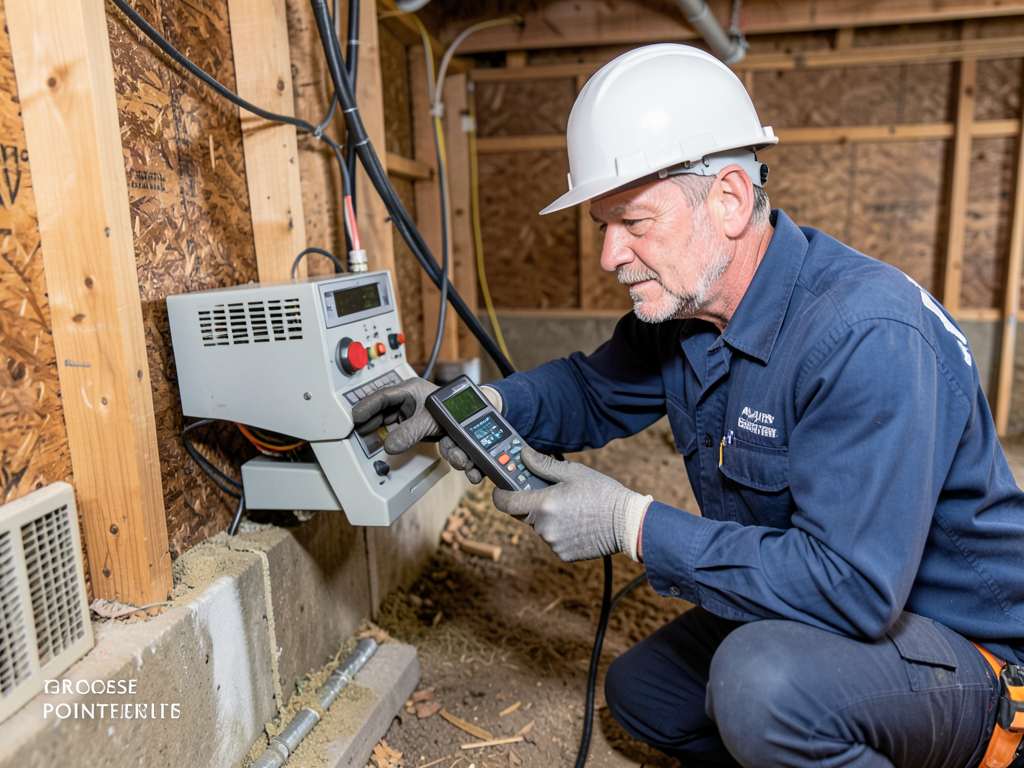
The Best Way to Handle Foundation Vents in Your Grosse Pointe Crawl Space Without Causing Mold
Foundation vents in Grosse Pointe crawl spaces can be a double-edged sword. In Michigan’s humid continental climate, improper vent management leads to moisture problems that fuel mold growth. The key is understanding when to open vents and when to seal them based on seasonal conditions and crawl space design.
Many Grosse Pointe homes built before the 1980s feature traditional vented crawl spaces. These vents were designed to allow air circulation and prevent moisture buildup. However, Michigan’s climate creates unique challenges. Summer humidity levels in Grosse Pointe often exceed 70%, causing warm moist air to enter cool crawl spaces. When this happens, condensation forms on cooler surfaces, creating ideal conditions for mold growth.
The science behind this involves relative humidity and dew point. When outdoor air at 80°F with 70% relative humidity enters a crawl space at 65°F, the air cools and its relative humidity increases. This often pushes the crawl space humidity above 80%, well into the range where mold spores begin to germinate and grow.
Modern building science suggests that in Michigan’s climate, sealed crawl spaces with proper vapor barriers often outperform traditional vented designs. The Michigan Residential Code Section R408 addresses crawl space ventilation requirements, but allows for alternative designs when they provide equivalent moisture control.
For Grosse Pointe homeowners, the decision between vented and sealed crawl spaces depends on several factors. Homes near Lake St. Clair face higher humidity levels. Properties with clay-heavy soil common in Southeast Michigan retain more moisture. Older homes with stone foundations may have more air leakage points.
Foundation vent management requires seasonal adjustments. During Michigan’s winter months, vents should remain closed to prevent cold air from freezing pipes and creating condensation when warm air from the house rises. Summer presents the opposite challenge, where open vents can allow humid air to enter.
Automatic foundation vents offer a practical solution. These vents use temperature-sensitive springs that open when temperatures rise above 70°F and close when they drop below 40°F. This automation eliminates the need for manual seasonal adjustments and provides consistent protection against moisture intrusion.
Moisture control in crawl spaces extends beyond vent management. A properly installed vapor barrier covering the ground prevents moisture from rising through the soil. For Grosse Pointe homes, a 6-mil polyethylene barrier is the minimum standard, though 10-mil or 20-mil reinforced barriers provide better long-term protection.
Dehumidification becomes necessary when relative humidity consistently exceeds 60%. A crawl space dehumidifier with a built-in condensate pump can maintain optimal humidity levels year-round. These units should be sized based on crawl space volume and connected to a dedicated drain line to prevent overflow.
Foundation vent placement also matters. Vents should be positioned to promote cross-ventilation when open. Ideally, vents on opposite walls allow air to flow through the space. However, in Grosse Pointe’s climate, this natural ventilation often proves insufficient without mechanical assistance.
Water intrusion through foundation vents represents another concern. Heavy rains can drive water through open vents, especially during summer thunderstorms common to the Detroit area. Installing vent wells with proper drainage or using louvered vents that direct water away can prevent this type of intrusion. Water Damage Restoration Livonia.
The stack effect influences crawl space moisture dynamics. Warm air rising through the home creates negative pressure in the crawl space, drawing in replacement air through any available openings. This means foundation vents, even when closed, may not completely isolate the crawl space from outdoor conditions.
Termite shields installed above foundation vents provide additional protection. These metal barriers prevent termites from using vents as entry points while also helping to seal minor gaps around vent frames. In Grosse Pointe, where historic homes are common, this dual protection proves valuable.
Foundation vent screens prevent pest entry while allowing air circulation. The mesh size should be small enough to exclude rodents but large enough to maintain adequate airflow. Stainless steel screens resist corrosion better than galvanized options in Michigan’s climate.
Climate change impacts foundation vent management strategies. Increasing humidity levels and more frequent heavy rainfall events in Southeast Michigan make traditional vented crawl spaces more problematic. Homeowners may need to reconsider vent strategies based on changing weather patterns.
Foundation vent sizing follows basic principles. The total vent area should equal 1 square foot of vent per 150 square feet of crawl space floor area. However, this calculation assumes ideal conditions that rarely exist in Michigan’s climate.
Moisture meters provide objective data for crawl space conditions. Readings above 20% moisture content in wood components indicate elevated risk for mold growth and structural damage. Regular monitoring helps homeowners make informed decisions about vent management.
Foundation vent covers offer seasonal protection. These removable covers fit over existing vents to block air exchange during winter months. They should be installed before the first freeze and removed in spring to prevent trapping moisture inside the crawl space. How to Remove Mold Safely from Your Royal Oak Home.
Hydrostatic pressure affects foundation walls and can force moisture through small cracks. Proper grading around the home directs water away from foundation walls, reducing the load on crawl space moisture control systems. The ground should slope away from the foundation at a minimum 6-inch drop over 10 feet.
French drains installed around foundation perimeters provide additional protection. These perforated pipes collect groundwater and direct it away from the crawl space. In areas with high clay content like much of Grosse Pointe, French drains prove particularly effective at managing subsurface water.
Foundation vent maintenance includes regular cleaning to remove debris that can block airflow. Leaves, soil, and insect nests commonly accumulate in vent openings. Annual inspection and cleaning ensure vents function as designed when needed.
Energy efficiency considerations influence foundation vent decisions. Vented crawl spaces allow conditioned air to escape, increasing heating and cooling costs. Sealed crawl spaces with proper insulation often provide better energy performance, particularly in older Grosse Pointe homes with less-than-perfect envelope sealing.
Foundation vent materials must withstand Michigan’s freeze-thaw cycles. Metal vents should be corrosion-resistant, while plastic vents need UV protection to prevent degradation. Quality materials reduce long-term maintenance requirements and replacement costs.
Building science continues to evolve regarding crawl space design. The current trend favors sealed crawl spaces with mechanical ventilation and dehumidification over traditional vented designs. This approach provides more reliable moisture control in challenging climates like Southeast Michigan’s.
Foundation vent modifications may be necessary during home renovations. Adding insulation, upgrading HVAC systems, or changing floor plans can affect crawl space moisture dynamics. These changes often require reassessing vent strategies to maintain proper moisture control.
Professional assessment helps determine the best approach for individual properties. Factors like soil type, foundation condition, home age, and local microclimate all influence the optimal vent strategy. A thorough inspection can identify specific vulnerabilities and recommend appropriate solutions. Professional Cleanup for Flooded Basements in Dearborn (What to Expect and Why It Matters).
The cost of proper foundation vent management varies based on the chosen approach. Simple vent covers cost less than $50 per vent, while comprehensive crawl space encapsulation with mechanical systems can exceed $5,000. The investment should be weighed against potential moisture damage costs and energy savings.
Foundation vent automation represents the future of crawl space moisture control. Smart vents that respond to both temperature and humidity levels provide optimal protection. These systems can integrate with home automation platforms, allowing remote monitoring and control of crawl space conditions.
Local building officials in Grosse Pointe may have specific requirements for foundation vent installations. While the Michigan Residential Code provides baseline standards, local amendments can affect compliance. Checking with the local building department ensures any modifications meet current requirements. EPA Mold Resources.
Foundation vent solutions must balance moisture control with other concerns. Radon gas mitigation, for example, may require specific vent configurations. Any modifications should consider these overlapping requirements to avoid creating new problems while solving existing ones.
The best foundation vent strategy for your Grosse Pointe crawl space depends on your specific situation. Consider factors like home age, soil conditions, proximity to water bodies, and existing moisture problems. A tailored approach provides better results than one-size-fits-all solutions.
Foundation vent management represents just one aspect of comprehensive crawl space moisture control. When combined with proper drainage, vapor barriers, and humidity control, it forms part of an effective system for preventing mold growth and protecting your home’s structural integrity.
Common Foundation Vent Problems in Grosse Pointe Homes
Foundation vent issues in Grosse Pointe often stem from the area’s specific climate challenges. The combination of high humidity, clay soil, and temperature extremes creates conditions that can overwhelm standard vent designs.
Crawl space flooding represents a major concern. During heavy rains, water can enter through foundation vents, especially if the surrounding grade doesn’t direct water away from the foundation. This flooding saturates the crawl space and creates conditions perfect for mold growth.
Pest intrusion through foundation vents affects many Grosse Pointe homes. Rodents, insects, and other pests use vents as entry points. Once inside, they damage insulation, wiring, and wood components while contributing to moisture problems through their waste and nesting materials.
Condensation on foundation walls and floor joists indicates excessive moisture. This typically occurs when warm, humid air contacts cooler surfaces. The resulting water droplets provide the moisture mold needs to grow, often appearing as dark spots on wood surfaces.
Foundation vent deterioration accelerates in Michigan’s climate. Freeze-thaw cycles cause metal vents to rust and plastic vents to become brittle. Damaged vents allow more moisture intrusion and may fail to provide proper ventilation when needed.
Improper vent sizing creates moisture control problems. Vents that are too small cannot provide adequate air exchange, while oversized vents may allow too much moisture intrusion during humid periods. The right size depends on crawl space volume and local climate conditions. What to Do Right Now for Sewage Backup Cleanup in Detroit.
Foundation vent blockage from debris prevents proper airflow. Leaves, soil, and spider webs commonly obstruct vents, reducing their effectiveness. Regular cleaning maintains proper function but represents an ongoing maintenance requirement many homeowners overlook.
Soil settlement around foundations can cause vent misalignment. As soil compacts or erodes, vents may become partially blocked or direct water toward the foundation rather than away from it. This misalignment exacerbates moisture problems over time.
Foundation cracks near vents create pathways for moisture and pests. Even small cracks can allow significant water intrusion during heavy rains. These cracks often develop from soil pressure, freeze-thaw cycles, or foundation settling common in older Grosse Pointe homes.
Vent well deterioration affects below-grade vents. Metal wells rust through while plastic wells become brittle and crack. When vent wells fail, they allow water to pool around vents, increasing the likelihood of water entering the crawl space.
Foundation vent screens with incorrect mesh size either restrict airflow unnecessarily or fail to exclude pests. The optimal mesh balances these competing requirements while withstanding Michigan’s climate conditions without deterioration.
Automatic vent mechanisms can fail, leaving vents stuck open or closed. Spring fatigue, corrosion, or debris obstruction prevents proper operation. When automatic vents fail, they no longer provide the adaptive moisture control they were designed to deliver.
Foundation vent installation errors create long-term problems. Vents installed upside down, with improper flashing, or without proper sealing allow moisture intrusion and reduce effectiveness. These installation errors often go unnoticed until moisture problems become severe.
Climate change impacts foundation vent performance. More frequent heavy rainfall events and higher average humidity levels in Southeast Michigan stress traditional vent designs. Homes that functioned adequately for decades may now experience moisture problems requiring updated solutions.
Professional Foundation Vent Assessment and Solutions
Professional assessment of foundation vents begins with a comprehensive crawl space inspection. Technicians examine vent condition, placement, and effectiveness while also checking for moisture damage, pest activity, and structural issues that may affect vent performance.
Moisture testing provides objective data about crawl space conditions. Technicians use moisture meters to measure wood moisture content and relative humidity levels. These readings help determine whether current vent strategies adequately control moisture or if modifications are needed.
Thermal imaging reveals hidden moisture problems around foundation vents. Temperature differences indicate air leakage, moisture intrusion, or insulation deficiencies. This technology helps identify issues that aren’t visible to the naked eye but contribute to crawl space moisture problems.
Foundation vent replacement may be necessary when existing vents are damaged or inadequate. Modern vents offer improved designs with better sealing, corrosion resistance, and sometimes integrated screens or louvers that provide enhanced moisture control compared to older models.
Vent well installation protects below-grade vents from water intrusion. These structures direct water away from vent openings while still allowing air circulation. Properly designed vent wells include drainage systems to prevent water accumulation around foundation walls.
Foundation vent automation upgrades improve moisture control. Smart vents that respond to both temperature and humidity provide more precise control than simple temperature-activated models. These systems can integrate with whole-home automation for comprehensive moisture management.
Crawl space encapsulation represents a comprehensive solution for severe moisture problems. This process involves sealing foundation vents, installing vapor barriers, adding insulation, and often including dehumidification systems. While more expensive than vent modifications alone, encapsulation provides superior moisture control.
Foundation repair may be necessary before effective vent management is possible. Cracks, settling, or deterioration can undermine any vent strategy. Addressing these structural issues ensures that moisture control measures function as intended.
Pest exclusion modifications prevent entry through foundation vents. This may include upgrading screens, installing barriers, or sealing gaps around vent frames. Effective pest exclusion protects both the crawl space and the home’s above-ground structure.
Foundation vent monitoring systems provide ongoing protection. These systems include sensors that track temperature, humidity, and moisture levels, alerting homeowners to developing problems before they cause significant damage. Some systems can automatically adjust vent operation based on conditions.
Energy efficiency improvements often accompany foundation vent upgrades. Sealing air leaks, adding insulation, and improving the crawl space envelope reduces heating and cooling costs while also improving moisture control. These combined benefits make comprehensive upgrades more cost-effective.
Foundation vent solutions must comply with local building codes. Grosse Pointe may have specific requirements for vent sizing, placement, or materials. Professional installers understand these requirements and ensure that modifications meet all applicable standards.
Foundation vent maintenance plans prevent future problems. Regular inspections, cleaning, and minor repairs extend the life of vent systems and maintain their effectiveness. These plans often include seasonal adjustments to optimize performance throughout the year.
Foundation vent upgrades can be phased to manage costs. Starting with critical repairs and gradually adding improvements allows homeowners to address the most pressing issues first while planning for comprehensive solutions over time.
Foundation vent solutions should consider the home’s overall moisture management strategy. Vents alone cannot solve all crawl space moisture problems. Effective solutions integrate vent management with drainage, vapor barriers, and humidity control for comprehensive protection.
Seasonal Foundation Vent Management in Michigan
Spring in Grosse Pointe brings specific challenges for foundation vent management. As snow melts and spring rains begin, moisture levels in the soil rise dramatically. This increased moisture can overwhelm crawl spaces, especially if vents are opened too early in the season.
Spring vent management requires patience. Wait until soil temperatures consistently reach 50°F before opening foundation vents. This timing allows the ground to dry somewhat from winter moisture while avoiding the high humidity levels of early summer.
Summer vent strategy focuses on humidity control. Michigan’s summer humidity often exceeds 70%, creating conditions where open vents can actually increase crawl space moisture. Consider closing vents during periods of extreme humidity, especially during rainy spells.
Fall vent management prepares for winter. Gradually close foundation vents as temperatures drop, typically when nighttime temperatures consistently fall below 40°F. This transition period allows the crawl space to stabilize before winter freezing begins.
Winter vent closure prevents freezing damage. Closed vents keep cold air out, protecting pipes from freezing and preventing condensation when warm air from the house rises into the cooler crawl space. This closure remains in effect until spring soil warming begins.
Foundation vent covers provide seasonal protection. These removable covers fit over existing vents to block air exchange during winter months. They should be installed before the first freeze and removed in spring to prevent trapping moisture inside the crawl space.
Automatic foundation vents simplify seasonal management. These vents use temperature-sensitive springs that open when temperatures rise above 70°F and close when they drop below 40°F. This automation eliminates the need for manual seasonal adjustments.
Moisture monitoring guides seasonal decisions. Use a hygrometer to track crawl space humidity levels. When humidity consistently exceeds 60%, additional moisture control measures may be needed regardless of the season.
Foundation vent strategy must adapt to weather patterns. Unusually wet springs or humid autumns may require adjusting typical seasonal schedules. Pay attention to current conditions rather than relying solely on calendar dates.
Temperature swings common to Michigan create condensation risks. Even in winter, sunny days can warm crawl spaces enough to create condensation when cold night air returns. Proper insulation and vapor barriers help minimize these temperature-related moisture problems.
Foundation vent maintenance varies by season. Spring requires cleaning debris from winter, while fall may need repairs before winter closure. Regular maintenance ensures vents function properly when they’re needed most.
Seasonal humidity patterns affect vent effectiveness. Grosse Pointe experiences highest humidity in July and August, when open vents can do more harm than good. Understanding these patterns helps optimize vent operation throughout the year.
Foundation vent strategy should consider the home’s usage patterns. Homes with seasonal residents may need different vent management than year-round occupied homes. Adjust strategies based on how the home is used throughout the year.
Foundation vent automation represents the future of crawl space moisture control. Smart vents that respond to both temperature and humidity levels provide optimal protection. These systems can integrate with home automation platforms, allowing remote monitoring and control of crawl space conditions.
Cost Considerations for Foundation Vent Solutions
Foundation vent replacement costs vary based on vent type and quality. Basic manual vents cost $20-$50 each, while automatic vents range from $50-$150. Premium models with corrosion-resistant materials and better sealing can exceed $200 per vent.
Professional installation adds $50-$100 per vent for labor. Complex installations requiring foundation modifications or integration with existing systems may cost more. Always get multiple quotes for comparison.
Crawl space encapsulation represents a significant investment, typically ranging from $5,000 to $15,000 depending on crawl space size and the extent of work required. This comprehensive solution includes sealing vents, installing vapor barriers, and often adding dehumidification systems.
Foundation vent covers for seasonal protection cost $15-$30 each. These simple solutions provide effective winter protection at relatively low cost, though they require manual installation and removal each year.
Automatic foundation vents cost more upfront but may save money long-term. By optimizing vent operation based on conditions, they can reduce energy costs and prevent moisture damage that might require expensive repairs.
Foundation vent monitoring systems range from simple hygrometers under $20 to comprehensive sensor networks costing $200-$500. These systems help prevent costly moisture damage by providing early warning of developing problems.
Foundation repair costs vary dramatically based on the extent of damage. Minor crack sealing might cost $300-$500, while major structural repairs can exceed $10,000. Addressing foundation issues often proves necessary before effective vent management is possible.
Energy savings from improved crawl space moisture control can offset some costs. Sealed crawl spaces with proper insulation typically reduce heating and cooling costs by 10-20%, providing ongoing savings that help justify the initial investment.
Foundation vent maintenance costs are relatively low but ongoing. Annual cleaning and inspection might cost $100-$200 if done professionally. DIY maintenance reduces this cost but requires time and effort.
Insurance considerations affect the true cost of foundation vent solutions. Some insurance companies offer premium discounts for homes with comprehensive moisture control systems. Additionally, preventing moisture damage can avoid costly insurance claims and potential rate increases.
Foundation vent financing options can make comprehensive solutions more affordable. Many contractors offer payment plans, and some energy efficiency programs provide low-interest loans for moisture control improvements that reduce energy consumption.
Foundation vent solution costs should be evaluated against potential damage costs. Moisture damage from inadequate vent management can cost thousands in repairs, making preventive measures cost-effective even when they seem expensive initially.
Foundation vent quality affects long-term costs. Cheaper vents may fail prematurely in Michigan’s climate, requiring replacement. Higher-quality materials and construction often prove more cost-effective over the system’s lifetime.
Foundation vent solution costs vary by home size. Larger homes with bigger crawl spaces require more materials and labor, increasing costs proportionally. However, the cost per square foot often decreases for larger projects due to economies of scale.
Foundation vent solutions should be part of a comprehensive moisture management plan. While individual components have specific costs, the integrated system often provides better value than addressing issues piecemeal.
Foundation Vent Building Code Requirements
The Michigan Residential Code Section R408 establishes minimum requirements for crawl space ventilation. The code requires at least 1 square foot of vent opening for each 150 square feet of crawl space area, with vents placed to provide cross ventilation.
Foundation vent placement requirements ensure proper air circulation. Vents must be within 3 feet of corners and spaced to promote cross ventilation. This placement prevents dead air spaces where moisture can accumulate without adequate air exchange.
Foundation vent sizing calculations use the gross floor area method. For a 1,500 square foot crawl space, this requires at least 10 square feet of total vent opening. This calculation assumes ideal conditions that rarely exist in Michigan’s climate.
Foundation vent exemptions exist for certain conditions. Crawl spaces with properly installed and maintained vapor barriers may qualify for reduced ventilation requirements. Some sealed crawl space designs with mechanical ventilation systems can also meet code through alternative compliance paths.
Foundation vent screening requirements prevent pest entry while allowing air circulation. Screens must have openings no larger than 1/4 inch to exclude rodents while maintaining adequate airflow for moisture control.
Foundation vent materials must meet code requirements for durability and corrosion resistance. In Michigan’s climate, vents should withstand freeze-thaw cycles and resist corrosion from moisture and deicing salts.
Foundation vent installation requirements include proper flashing and sealing. Vents must be installed to prevent water intrusion around the frame while still allowing the intended air exchange. Improper installation can violate code even when the vent itself meets specifications.
Foundation vent modifications may require permits in Grosse Pointe. While simple vent replacements often don’t need permits, significant modifications or changes to crawl space ventilation systems typically do. Check with local building officials before making changes.
Foundation vent requirements can vary by local jurisdiction. While the Michigan Residential Code provides statewide standards, local amendments or interpretations can affect compliance. Grosse Pointe may have specific requirements beyond the state minimum.
Foundation vent performance standards focus on moisture control effectiveness. Code compliance requires demonstrating that the vent system provides adequate moisture control for the specific conditions, not just meeting minimum size requirements.
Foundation vent inspections verify code compliance. Building inspectors check vent sizing, placement, screening, and installation quality. They may also require documentation for alternative designs that don’t meet standard requirements.
Foundation vent retrofit requirements depend on the extent of work. Minor repairs often don’t need to meet current code, but significant modifications or additions typically do. Understanding these requirements helps plan cost-effective improvements.
Foundation vent code compliance affects home sales. Non-compliant vent systems can create issues during home inspections and may need to be corrected before property transfers. Ensuring compliance protects both current and future homeowners.
Foundation vent standards continue to evolve as building science advances. Newer codes increasingly recognize that traditional ventilation may not provide optimal moisture control in all climates, leading to more flexible approaches that focus on results rather than specific methods.
Foundation vent code requirements should be considered alongside other building systems. Vent compliance alone doesn’t ensure proper moisture control if other aspects like drainage or vapor barriers are inadequate. Integrated compliance provides better protection.
Frequently Asked Questions
Should foundation vents be open or closed in Michigan’s climate?
Foundation vents in Michigan should generally be closed during winter months to prevent freezing and condensation, and may need to be closed during humid summer periods to prevent moisture intrusion. Automatic vents that respond to temperature and humidity provide the best year-round protection.
How do I know if my foundation vents are causing moisture problems?
Signs of moisture problems include condensation on foundation walls, musty odors, visible mold growth, high humidity readings in the crawl space, and wood moisture content above 20%. A professional inspection can identify specific issues and recommend solutions.
What’s the difference between vented and sealed crawl spaces?
Vented crawl spaces allow outside air to circulate through foundation vents, while sealed crawl spaces are completely closed off with vapor barriers, insulation, and often mechanical ventilation systems. Sealed designs typically provide better moisture control in Michigan’s humid climate.
How often should foundation vents be inspected?
Foundation vents should be inspected at least twice yearly, typically in spring and fall. Additional inspections may be needed after severe storms or if moisture problems develop. Regular maintenance ensures vents function properly when needed. Fixing the Mess After a Frozen Pipe Bursts in Your Detroit Home.
Can I install foundation vents myself or do I need a professional?
Simple vent replacements can be DIY projects for experienced homeowners, but comprehensive vent management often requires professional expertise. Professionals can assess moisture conditions, ensure code compliance, and recommend integrated solutions that address all aspects of crawl space moisture control.
How much does it cost to fix foundation vent problems?
Costs vary widely based on the extent of problems and chosen solutions. Simple vent replacements might cost $100-$300, while comprehensive crawl space encapsulation can exceed $10,000. Most homeowners spend $500-$2,000 on effective vent management solutions.
Will sealing my crawl space vents increase my energy bills?
Sealing crawl space vents typically reduces energy bills by preventing conditioned air from escaping and reducing the load on HVAC systems. Many homeowners see 10-20% reductions in heating and cooling costs after proper crawl space sealing.
How do foundation vents affect indoor air quality?
Foundation vents can significantly impact indoor air quality by allowing moisture, mold spores, and pests to enter the home. Poor vent management can contribute to respiratory problems, allergies, and other health issues through degraded air quality.
What building codes apply to foundation vents in Grosse Pointe?
The Michigan Residential Code establishes minimum requirements for foundation vents, including sizing and placement standards. Grosse Pointe may have additional local requirements or interpretations. Professional installers understand these requirements and ensure compliance.
How long do foundation vents typically last?
Foundation vent lifespan varies by material and climate conditions. Metal vents in Michigan’s climate typically last 10-15 years before corrosion becomes problematic, while high-quality plastic vents may last 20-30 years. Regular maintenance extends vent life.
Conclusion
Foundation vent management in Grosse Pointe crawl spaces requires understanding Michigan’s unique climate challenges. The humid continental climate with its temperature extremes and high humidity levels creates conditions where traditional vented crawl spaces often struggle to control moisture effectively.
The science of moisture control involves more than simply opening or closing vents. Relative humidity, dew point, and the stack effect all influence how moisture moves through and around your home. Understanding these principles helps make informed decisions about vent management.
Modern building science increasingly favors sealed crawl spaces with mechanical ventilation over traditional vented designs for Michigan homes. This approach provides more reliable moisture control, better energy efficiency, and reduced risk of mold growth and structural damage.
Foundation vent solutions must be tailored to individual properties. Factors like home age, soil conditions, proximity to water bodies, and existing moisture problems all influence the optimal approach. A one-size-fits-all strategy rarely provides the best results.
Professional assessment helps identify specific vulnerabilities and recommend appropriate solutions. Moisture testing, thermal imaging, and comprehensive inspections provide the data needed to make informed decisions about vent management strategies.
Foundation vent management represents just one aspect of comprehensive crawl space moisture control. Effective solutions integrate vent management with drainage, vapor barriers, and humidity control for complete protection against moisture-related problems.
The investment in proper foundation vent management typically pays for itself through prevented damage, reduced energy costs, and improved indoor air quality. While the upfront costs may seem significant, they pale compared to the potential costs of moisture damage and mold remediation.
Foundation vent technology continues to evolve, with smart vents and integrated moisture management systems offering improved control and monitoring capabilities. These advances make it easier than ever to maintain optimal crawl space conditions year-round.
Don’t let foundation vent problems compromise your home’s integrity. Take action now to assess your current system and implement improvements where needed. Your home’s structural health and your family’s comfort depend on proper moisture control.
Call (313) 572-5559 today to schedule your foundation vent inspection. Our Grosse Pointe experts will assess your crawl space conditions and recommend the best solutions for your specific situation. Don’t wait until moisture problems cause expensive damage.
Pick up the phone and call (313) 572-5559 before the next storm hits. Our team is ready to help you protect your home from moisture damage with proven foundation vent solutions. We serve all of Grosse Pointe and surrounding communities with fast, professional service. For more information, visit International Residential Code Foundation Requirements.