Why every first time homebuyer in Hazel Park needs to check for a history of sewer backups
Buying your first home in Hazel Park is exciting but comes with risks many new homeowners overlook. One of the most expensive and dangerous problems lurking in older Detroit-area homes is a history of sewer backups. These backups aren’t just messy—they introduce Category 3 black water containing harmful bacteria and pathogens into your living space. Before you sign on the dotted line, you need to know how to spot the warning signs and protect your investment.
The hidden danger of sewer backups in Hazel Park homes
Hazel Park sits in a part of Metro Detroit where aging infrastructure meets heavy seasonal rainfall. The city’s combined sewer system, managed by the Detroit Water and Sewerage Department, can become overwhelmed during storms. When that happens, wastewater has nowhere to go but back through your drains. Homes built before the 1980s are especially vulnerable because they often lack modern backflow preventers. EPA guidelines on sewer system management.
Why sewer backups happen more often in Hazel Park
The area’s clay-heavy soil doesn’t drain well, creating hydrostatic pressure against basement walls and sewer lines. During spring thaws or summer downpours, this pressure forces water into cracks and joints in your plumbing. Tree roots from the city’s mature canopy also invade older clay pipes, creating blockages that lead to backups. These aren’t one-time events—they’re symptoms of ongoing infrastructure strain. Flooded Basement Cleanup in Grosse Pointe Done Fast and Done Right.
How to check a home’s sewer backup history
Before buying, you need to dig deeper than a standard home inspection. Here are the critical steps every first-time buyer should take:
- Request maintenance records
Ask the seller for any records of plumbing repairs, especially those mentioning sewer lines or basement flooding. Look for repeated issues rather than single incidents.
- Schedule a sewer scope inspection
A professional uses a camera to inspect the main sewer line from inside. This reveals cracks, root intrusion, or collapsed sections that could cause backups. Professional Cleanup for Flooded Basements in Dearborn (What to Expect and Why It Matters).
- Check the city’s infrastructure maps
Hazel Park’s Department of Public Works can tell you if the home sits in a known problem area for combined sewer overflows.
- Look for signs during your walkthrough
Check basement walls for water stains, efflorescence, or mold growth. These indicate past moisture problems even if the seller hasn’t disclosed them.
The cost of ignoring sewer backup history
A single sewer backup can cost between $5,000 and $15,000 to clean up properly, according to the IICRC S500 Standard for Professional Water Damage Restoration. That’s just the cleanup. If black water sits for more than 24-48 hours, mold begins growing, adding another $3,000 to $10,000 in remediation costs. Your homeowner’s insurance might not cover these damages if they result from maintenance issues or pre-existing conditions. IICRC S500 Standard for Professional Water Damage Restoration.
Health risks you can’t ignore
Category 3 water contains bacteria like E. coli, salmonella, and hepatitis A. Exposure can cause serious illness, especially in children and elderly residents. The EPA mandates that all Category 3 water incidents be handled by certified professionals using proper PPE and antimicrobial treatments. DIY cleanup isn’t just ineffective—it’s dangerous.
Protecting yourself before you buy
The best protection is prevention. If you’re serious about a Hazel Park home, consider these protective measures:
- Install a backflow preventer
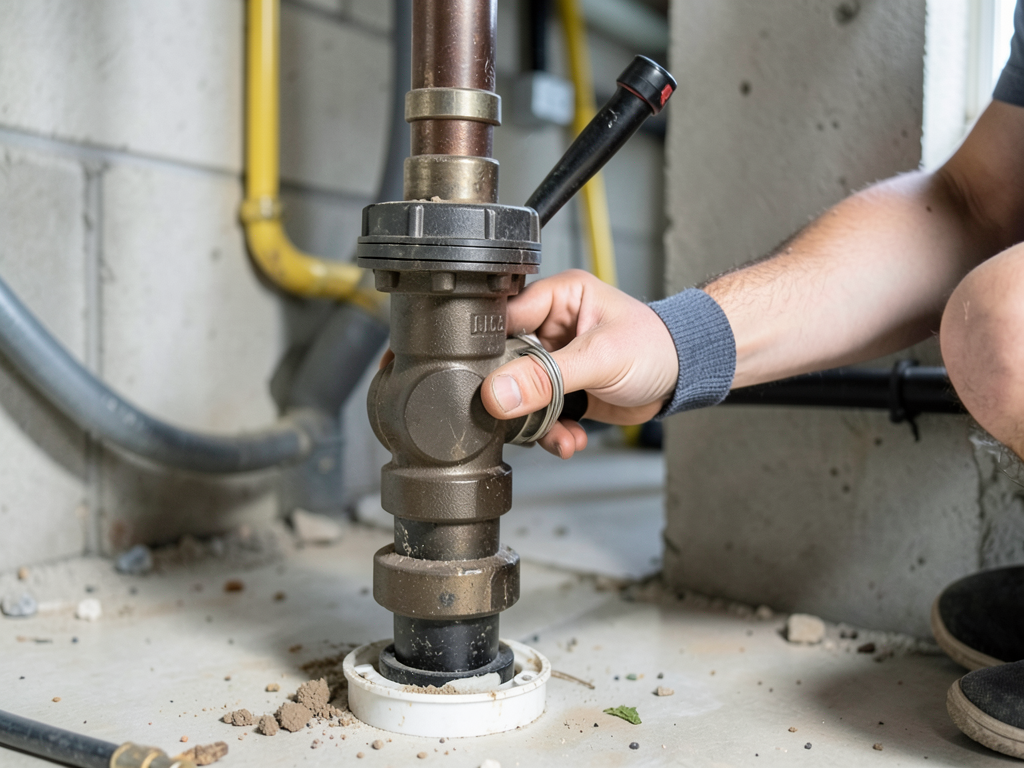
This one-way valve stops sewage from flowing back into your home. It’s required by the Michigan Residential Code in many areas and costs $1,000 to $2,500 installed. What to Do Right Now for Sewage Backup Cleanup in Detroit.
- Add a sump pump with battery backup
Hazel Park’s flat terrain means water collects quickly. A reliable sump system can prevent basement flooding during power outages.
- Schedule annual sewer line maintenance
Hydro-jetting removes roots and buildup before they cause blockages. Think of it as insurance for your plumbing. How to Remove Mold Safely from Your Royal Oak Home.
What to do if you discover a backup history
Finding out a home has a sewer backup history doesn’t automatically mean you should walk away. Many issues can be fixed properly. The key is getting a professional assessment. A certified restoration company can evaluate the extent of past damage, test for mold, and provide a remediation plan.
Red flags that should make you pause
Some warning signs indicate more serious problems:
- Multiple backups within a five-year period
- Evidence of structural damage to basement walls
- Previous owners who refused to provide maintenance records
- Unrepaired water damage visible during inspection
Local resources for Hazel Park homebuyers
The city offers several resources to help residents understand their flood and sewer risks. The Hazel Park Building Department maintains records of past permits and violations. The Oakland County Water Resources Commissioner’s Office provides information about area-wide infrastructure projects. You can also check the FEMA flood maps to see if the property sits in a high-risk zone.
The peace of mind professional assessment provides
Investing in a thorough sewer and plumbing inspection before buying can save you tens of thousands of dollars and countless headaches. A professional assessment includes moisture readings throughout the basement, air quality testing for mold spores, and a detailed report on the condition of all plumbing systems. This documentation becomes invaluable during negotiations and can help you avoid buying a money pit.
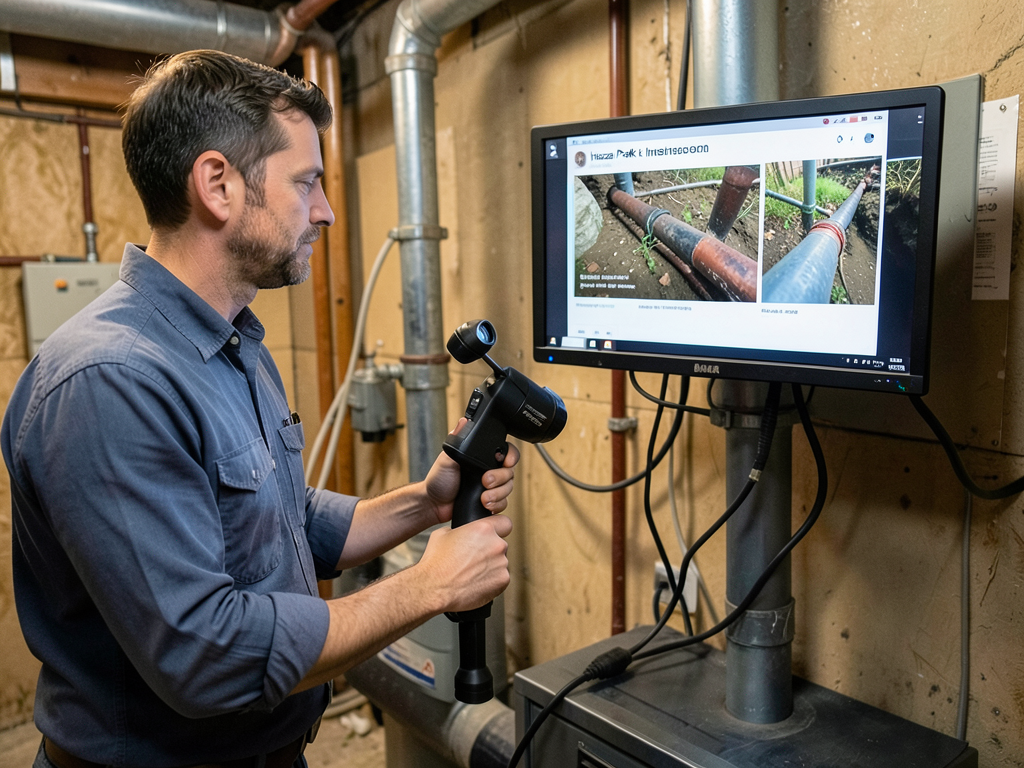
Diagram showing how a backflow preventer valve works to stop sewage from entering a home during a backup event
Technician using a sewer camera to inspect a main line in a Hazel Park home, showing root intrusion on the monitor
Before and after comparison of a basement that experienced a sewer backup, showing the restoration process
Don’t let a hidden problem ruin your dream home
Every first-time homebuyer in Hazel Park needs to understand that sewer backups are a real and present danger in this area. The combination of aging infrastructure, clay soil, and heavy rainfall creates conditions where backups happen regularly. By taking the time to check a home’s history, you’re not just protecting your investment—you’re protecting your family’s health and your peace of mind.
Frequently Asked Questions
How common are sewer backups in Hazel Park?
Very common. The city’s combined sewer system and clay soil create conditions where backups occur frequently, especially in homes built before 1980. Local plumbers report handling multiple backup calls weekly during heavy rain seasons.
Can I get insurance to cover sewer backup damage?
Standard homeowner’s insurance typically excludes sewer backup damage. You need a separate sewer backup rider, which costs $50 to $150 annually but can save you thousands if a backup occurs.
How long does a professional sewer backup cleanup take?
Most Category 3 water cleanups take 3 to 5 days, depending on the extent of contamination. The process includes water extraction, antimicrobial treatment, structural drying, and final testing to ensure all contaminants are removed.
What’s the difference between clean water and black water in a backup?
Clean water comes from supply lines and poses minimal risk. Black water contains sewage and harmful pathogens, requiring professional handling under IICRC S500 standards. All sewer backups involve black water and must be treated as hazardous.
Should I walk away from a house with a backup history?
Not necessarily. Many backup issues can be permanently fixed with proper repairs. The key is getting a professional assessment to understand the extent of past damage and the cost to fix it properly.
Call (313) 572-5559 today to schedule your comprehensive sewer line inspection before you buy. Don’t discover the problem after you’ve already moved in. Fixing the Mess After a Frozen Pipe Bursts in Your Detroit Home.