
Managing Water Seepage in Your West Bloomfield Basement Sauna
Steam from a basement sauna meets cold concrete walls and creates a perfect recipe for hidden moisture damage. West Bloomfield’s clay-heavy soil and freeze-thaw cycles make this problem worse than in other areas. The combination of high humidity inside the sauna and cold basement temperatures creates condensation that seeps into walls and floors. Left unchecked this moisture leads to mold growth warped wood and structural rot. Flooded Basement Cleanup in Grosse Pointe Done Fast and Done Right.
Homeowners in West Bloomfield often install saunas in basements for year-round use. The luxury feature becomes a liability when moisture migrates through foundation walls. Clay soil around West Bloomfield homes holds water against foundation walls increasing hydrostatic pressure. When steam from a sauna meets these cold damp walls the water vapor condenses and penetrates deeper into the structure.
Managing this moisture requires understanding the science behind condensation and taking specific steps to protect your basement sauna investment. The right combination of vapor barriers ventilation and monitoring can prevent the costly damage that comes from unchecked humidity in a subterranean environment. What to Do Right Now for Sewage Backup Cleanup in Detroit.
The Science of Moisture in Subterranean Saunas
Steam rises and meets cold surfaces creating condensation. In a basement sauna the walls floor and ceiling are often cooler than the steam-filled air. This temperature difference causes water vapor to turn back into liquid water. The phenomenon is called the cold wall effect.
West Bloomfield’s climate makes this worse. Summer humidity levels average 70-80% while winter temperatures drop well below freezing. These extremes create a constant battle between indoor humidity and outdoor temperatures. When a sauna operates at 150-180 degrees Fahrenheit the steam it produces has nowhere to go in a sealed basement. It hits cold concrete walls and condenses.
The physics work against you. Water vapor moves from areas of high concentration to low concentration. Steam wants to escape but in a basement it hits foundation walls first. The clay soil around West Bloomfield homes holds moisture against these walls year-round. When steam contacts these damp surfaces the water vapor has no escape route.
Thermal bridging makes things worse. Metal fasteners pipes and other conductive materials create pathways for heat and moisture to move through walls. A sauna’s wooden benches might feel warm but the metal screws holding them conduct cold from outside creating more condensation points.
Top 5 Signs of Sauna-Related Water Damage
Early detection saves thousands in repair costs. Watch for these warning signs that your basement sauna is causing moisture problems. EPA mold guidelines.
- Musty odors – The smell of damp earth or mildew indicates mold growth behind walls or under flooring.
- Peeling paint or wallpaper – Moisture pushes through walls causing finishes to bubble and separate.
- Efflorescence on concrete – White powdery deposits on foundation walls show water is moving through the concrete.
- Wood warping – Door frames window sills and sauna benches that twist or cup indicate moisture absorption.
- Condensation on windows and vents – Water droplets on glass or metal surfaces show humidity levels are too high.
These signs often appear near the sauna first but spread to surrounding areas. A musty smell in the laundry room adjacent to the sauna means moisture has traveled through walls. Warped baseboards along basement perimeters suggest the problem extends beyond the immediate sauna area.
Check your sauna after each use. Run your hand along walls near the sauna. Feel for damp spots or cold areas. Use a flashlight to look for water trails running down walls. These diagnostic steps take minutes but can catch problems before they become expensive repairs. Fixing the Mess After a Frozen Pipe Bursts in Your Detroit Home.
The Critical Role of Vapor Barriers and Ventilation
Vapor barriers stop moisture from moving through walls and floors. In basement saunas the barrier goes on the warm side of the insulation. This means inside the sauna room not outside it. The barrier prevents steam from penetrating into wall cavities where it can cause hidden damage.
Foil-faced vapor barriers work better than plastic sheeting in saunas. Foil reflects heat back into the room while blocking moisture. The shiny surface also makes the space feel brighter and more open. Install the barrier with all seams sealed using foil tape designed for high temperatures.
Ventilation removes moisture-laden air before it can condense. A heat recovery ventilator (HRV) exchanges indoor air with fresh outdoor air while retaining heat. For a basement sauna the HRV should move 50-75 cubic feet per minute (CFM) of air. This rate removes steam without creating uncomfortable drafts. How to Remove Mold Safely from Your Royal Oak Home.
Mechanical ventilation beats natural ventilation in basements. Windows in basement saunas are rare and wall vents let in cold air that creates more condensation. A properly sized exhaust fan with a timer ensures steam gets removed even when users forget to turn it off.
Air exchange rates matter. The ASHRAE standard 62.2 recommends 0.35 air changes per hour for residential spaces. A sauna needs higher rates due to steam production. Calculate your needs based on sauna size and usage patterns. A 6×8 foot sauna might need 60-80 CFM to keep humidity in check. ASHRAE standards.
Health Risks: Mold Growth in Enclosed High-Humidity Spaces
Basement saunas create ideal conditions for mold growth. Temperatures between 77-86 degrees Fahrenheit and humidity above 60% allow mold spores to germinate within 24-48 hours. The organic materials in saunas – wood benches cedar walls – provide food for mold.
Stachybotrys chartarum commonly called black mold thrives in these conditions. This mold produces mycotoxins that can cause respiratory problems headaches and immune system reactions. Children elderly people and those with asthma face higher risks from mold exposure.
Hidden mold poses the biggest threat. Steam condenses inside wall cavities where it cannot dry out. Mold grows unseen behind vapor barriers under flooring and in insulation. By the time visible signs appear the infestation often requires professional remediation. Professional Cleanup for Flooded Basements in Dearborn (What to Expect and Why It Matters).
Relative humidity monitoring helps prevent mold. Keep basement humidity between 30-50% when the sauna is not in use. Use a hygrometer to track levels. If humidity stays above 60% for more than a few hours take action to improve ventilation or add a dehumidifier.
Surface cleaning prevents mold establishment. After each sauna use wipe down benches walls and floors with a dry towel. Leave the door open to allow air circulation. Clean with vinegar or hydrogen peroxide monthly to kill any spores before they establish colonies.
Professional Restoration vs. DIY Fixes
DIY solutions work for minor moisture issues. Improving ventilation adding a dehumidifier or sealing small cracks can handle early problems. But when water damage spreads beyond the sauna room or mold covers more than 10 square feet professional help becomes necessary.
Professional restoration follows IICRC S500 standards for water damage. Technicians use moisture meters to find hidden water thermal imaging cameras to detect temperature differences and air quality tests to measure mold spores. They create drying plans that address both visible and hidden moisture. IICRC certification.
The cost difference between DIY and professional work often surprises homeowners. A $200 dehumidifier cannot match the drying power of commercial equipment. Professional-grade air movers and dehumidifiers remove moisture in days not weeks. The faster drying prevents secondary damage like warping and mold growth.
Insurance coverage affects the decision. Most homeowners policies cover sudden water damage but not gradual moisture problems. If your sauna caused damage over months the repairs might come out of pocket. Professional restorers help document damage for insurance claims and can recommend contractors for permanent repairs.
Health considerations matter too. Disturbing mold without proper containment spreads spores throughout your home. Professionals use negative air pressure barriers and HEPA filtration to keep contamination contained. They wear protective equipment and follow EPA guidelines for mold remediation.
Prevention Strategies for West Bloomfield Homes
West Bloomfield’s specific conditions require targeted prevention. The area’s clay soil expands when wet putting pressure on foundation walls. This hydrostatic pressure forces water through even tiny cracks. Combine this with sauna steam and you have a moisture management challenge.
Foundation waterproofing helps. Apply a waterproofing membrane to exterior foundation walls. Install a French drain system around the basement perimeter to carry water away from the foundation. These exterior solutions prevent water from ever reaching your basement walls.
Interior drainage systems provide backup protection. A perimeter drain connected to a sump pump removes water that penetrates foundation walls. The pump should have battery backup since storms often cause power outages when you need drainage most.
Soil grading directs surface water away from your home. The ground should slope away from foundation walls at a rate of 6 inches per 10 feet. Extend downspouts at least 6 feet from the foundation. These simple steps reduce the water load on your basement walls.
Seasonal maintenance prevents problems. Clean gutters twice yearly so they direct water properly. Check sump pump operation before rainy seasons. Inspect basement walls for new cracks annually. These routine tasks catch small issues before they become major repairs.
Moisture Monitoring and Detection Tools
Professional moisture detection tools find problems early. A penetrating moisture meter measures water content in wood and drywall. Readings above 15% in wood or 20% in drywall indicate active moisture problems. Non-penetrating meters use electromagnetic signals to detect moisture without damaging surfaces.
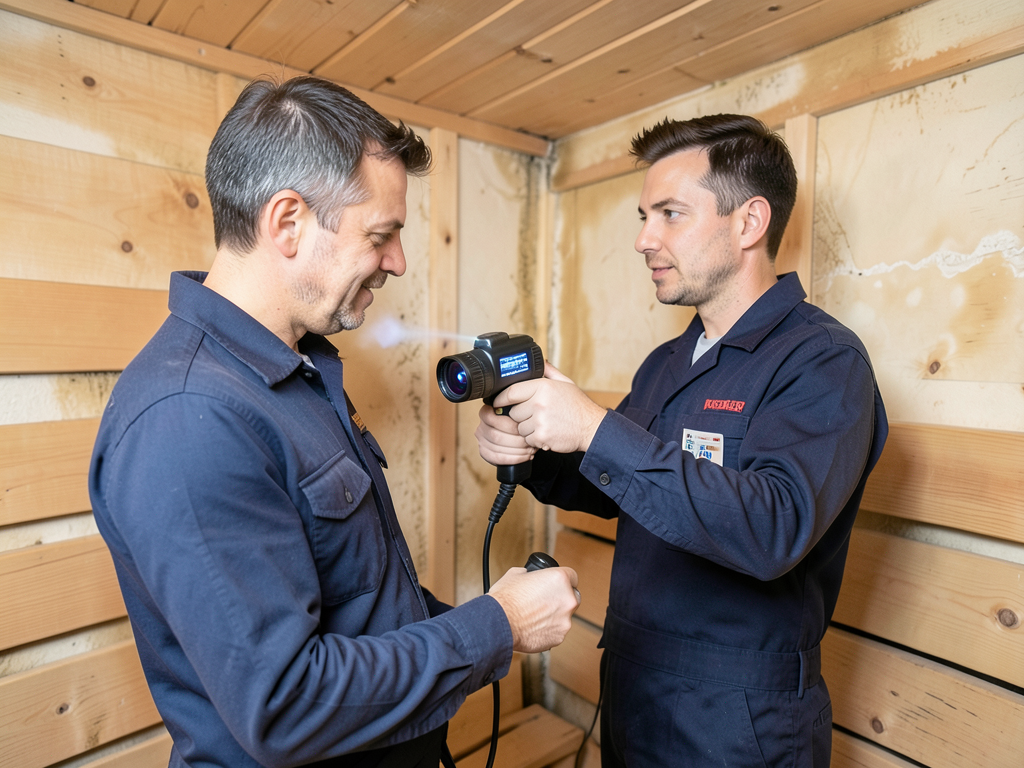
Thermal imaging cameras reveal temperature differences that indicate moisture. Wet materials hold heat differently than dry materials. A camera shows these differences as color variations. Cold spots on walls often indicate moisture behind the surface.
Hygrometers track humidity levels over time. Smart hygrometers connect to phone apps and send alerts when humidity exceeds set points. This allows monitoring even when you are away from home. Track humidity patterns to identify ventilation problems.
Moisture sensors placed in walls or under flooring provide early warnings. These battery-powered devices trigger alarms when they detect moisture. Place them near the sauna and in adjacent rooms to catch problems as they spread.
Professional inspection includes air quality testing. A technician collects air samples and sends them to a lab for analysis. The report shows mold spore counts and identifies specific species present. This testing proves valuable when health concerns arise or before real estate transactions.
Building Code Considerations for Basement Saunas
Michigan building codes address moisture control in basements. The Michigan Residential Code requires vapor barriers in basement walls when finishing spaces. For saunas the code interpretation requires the vapor barrier on the warm side of insulation.
Electrical requirements ensure safety. Saunas need GFCI-protected circuits due to the moisture environment. The Michigan Electrical Code requires dedicated circuits for sauna heaters. Wire sizes must match the heater’s amperage draw with appropriate safety margins.
Ventilation codes affect installation. While specific sauna ventilation is not addressed the Michigan Mechanical Code requires mechanical ventilation in bathrooms and similar spaces. This applies to saunas since they produce similar moisture levels.
Permitting requirements vary by municipality. West Bloomfield might require permits for electrical work plumbing modifications or structural changes. Check with the township building department before starting sauna installation. Unpermitted work can cause insurance issues and complicate future home sales.
Fire safety codes apply to sauna construction. Wood used near heaters must meet specific clearances. Non-combustible materials protect walls and ceilings near heat sources. These requirements prevent fires from contact between hot surfaces and combustible materials.
Cost Factors for Moisture Damage Repair
Repair costs vary based on damage extent and required work. Minor repairs like sealing cracks or improving ventilation might cost $500-1500. Major remediation involving mold removal structural repairs and new materials can exceed $10000.
Mold remediation costs depend on affected area size. Removing mold from 10 square feet might cost $500-1500. Larger infestations requiring wall removal and containment can cost $3000-6000. Black mold removal often costs more due to safety requirements.
Structural repairs add significant costs. Replacing rotted studs floor joists or subflooring can cost $50-100 per square foot. If load-bearing walls are affected repair costs increase substantially. Foundation repairs for water damage can cost thousands depending on the repair method.
Insurance coverage affects out-of-pocket costs. Sudden damage from appliance failure or pipe bursts typically has better coverage than gradual moisture problems. Review your policy to understand coverage limits and deductibles. Some policies exclude mold damage entirely.
Prevention costs less than repairs. A $2000 ventilation system or $1500 vapor barrier installation prevents $10000+ in potential damage. Consider prevention an investment that protects your home value and avoids disruption from major repairs.
Emergency Response for Water Seepage
When you discover water damage act quickly. First stop the water source if possible. Turn off the sauna if it is running. Remove standing water with mops towels or a wet vacuum. The goal is to prevent water from spreading to other areas.
Document damage for insurance. Take photos and videos before cleaning up. Capture the extent of damage including any affected personal items. This documentation supports insurance claims and helps professionals assess the situation.
Call professionals if damage is extensive. Water that has spread beyond the immediate area or been present for more than 24 hours requires professional equipment. Mold can begin growing within 48 hours of water exposure.
Set up temporary containment if mold is visible. Close doors and cover vents to prevent spore spread. Do not disturb visible mold since this releases spores into the air. Wait for professionals with proper containment equipment.
Monitor humidity levels during cleanup. Keep humidity below 60% to prevent mold growth. Use dehumidifiers and fans to remove moisture from the air. Check moisture levels in walls and floors with a meter to ensure thorough drying.
Long-Term Maintenance for Sauna Moisture Control
Regular maintenance prevents most moisture problems. After each sauna use wipe down all surfaces. Leave the door open to allow air circulation. Clean the sauna monthly with appropriate cleaners for your wood type.
Check ventilation systems quarterly. Clean exhaust fan blades and replace filters in HRV units. Test fan operation and measure airflow to ensure proper ventilation rates. Blocked vents reduce effectiveness and allow moisture buildup.
Inspect vapor barriers annually. Look for tears holes or separation at seams. Small damage allows steam to penetrate walls. Repair damage with appropriate tape or patches designed for your barrier type.
Test moisture levels seasonally. Use a moisture meter on walls and floors near the sauna. Compare readings to previous tests to identify trends. Rising moisture levels indicate developing problems that need attention.
Update your prevention systems as needed. Technology improves over time. New ventilation systems dehumidifiers and moisture detection tools offer better protection than older equipment. Consider upgrades when repairs become frequent.
Choosing Professional Restoration Services
Professional restoration requires specific qualifications. Look for IICRC certification in water damage restoration and mold remediation. These certifications ensure technicians follow industry standards and use proper techniques.
Experience matters in restoration. Companies that have handled sauna moisture issues understand the unique challenges. They know how steam behaves in basement environments and which materials work best for repairs.
Equipment quality affects results. Professional restorers use commercial-grade dehumidifiers air movers and moisture detection tools. These tools find and remove moisture more effectively than consumer equipment.
Insurance experience helps with claims. Restoration companies familiar with insurance processes can document damage properly and communicate with adjusters. This expertise often results in better claim outcomes for homeowners.
Local knowledge provides advantages. Companies familiar with West Bloomfield’s soil conditions and building practices understand local challenges. They know which solutions work best in your specific environment.
Frequently Asked Questions
How much does professional sauna moisture remediation cost?
Costs vary based on damage extent. Minor moisture issues might cost $500-1500 while extensive mold and structural repairs can exceed $10000. Factors include affected area size materials needed and required demolition.
Can I install a sauna in my basement without moisture problems?
Yes with proper planning. Use vapor barriers appropriate ventilation and moisture-resistant materials. Monitor humidity levels and maintain the system regularly. Many homeowners successfully install basement saunas without issues.
How long does it take for mold to grow in a damp sauna?
Mold can begin growing within 24-48 hours in ideal conditions. Temperatures between 77-86 degrees and humidity above 60% allow rapid mold growth. Early detection and moisture control prevent mold establishment.
What’s the best way to ventilate a basement sauna?
A heat recovery ventilator (HRV) provides the most effective ventilation. These units exchange indoor air with fresh outdoor air while retaining heat. Size the HRV for your sauna’s cubic footage and usage patterns.
Should I worry about my home’s resale value if I have a basement sauna?
A well-maintained sauna can increase home value. However moisture damage from poor installation or maintenance decreases value significantly. Proper moisture control and professional installation protect your investment.
Take Action Before Moisture Damage Spreads
Water seepage from your basement sauna creates hidden damage that grows worse over time. The clay soil around West Bloomfield homes puts extra pressure on foundation walls while sauna steam creates perfect conditions for mold growth. Early detection and proper moisture control save thousands in repairs.
Watch for musty odors peeling paint and warped wood near your sauna. These signs indicate moisture problems that need attention. Test humidity levels regularly and maintain ventilation systems to prevent issues before they start.
Professional restoration follows industry standards and uses commercial equipment to find and remove hidden moisture. The cost of prevention is much less than major repairs. If you notice signs of water damage call (313) 572-5559 today to schedule your inspection. Our certified technicians will assess your situation and recommend solutions to protect your home and health.
Don’t wait until minor moisture becomes major damage. The longer water seeps into your walls the more expensive repairs become. Pick up the phone and call (313) 572-5559 before the next storm hits or the next sauna session adds more moisture to your basement walls.