

Jefferson-Chalmers sits at one of the most flood-vulnerable intersections in all of Detroit. You have the Detroit River on one side, aging combined sewer lines running beneath your street, and storm events that overwhelm the system several times a year. When water comes into your home here, the first question your insurance company asks is not “how bad is it?” It is “where did the water come from?” That single question determines whether you get a check or a denial letter.
Most homeowners in this neighborhood carry a standard homeowners policy and assume they are covered. They are not. Standard policies exclude flood damage and sewer backup damage as two separate categories, and you need two separate coverage types to protect yourself. Getting this wrong is an expensive mistake.
What “Flood” Actually Means to Your Insurance Company
The word “flood” has a legal definition in the insurance world, and it is narrower than most people think. Under FEMA’s National Flood Insurance Program (NFIP), a flood is a general or temporary condition where two or more acres of normally dry land (or two or more properties) are inundated by surface water, mudflow, or overflow from a body of water.
In plain terms, this means water rising from outside your home and entering through ground-level openings. Think of the Detroit River cresting, heavy rain pooling across Lakewood and Jefferson Avenue, or water pushing through your foundation walls from saturated soil. This is what NFIP flood policies are designed to cover.
Flood insurance through the NFIP is a federal program, not a standard insurance product. You buy it separately from your homeowners policy, and it comes with a 30-day waiting period before it activates. If you see a storm on the forecast and call to buy coverage today, you will not have it when the water arrives.
What NFIP Flood Insurance Does and Does Not Cover
NFIP policies have two components: building coverage and contents coverage. You have to buy them separately. Many Jefferson-Chalmers homeowners buy the building coverage and skip contents, then lose all their furniture and appliances with zero reimbursement.
NFIP also does not cover everything inside a flooded home. Finished basements, personal belongings stored below grade, and certain mechanical systems may receive limited or no coverage depending on your specific policy terms. Read your declarations page carefully.
What Water Backup Coverage Actually Is
Water backup coverage, formally called a “Water Backup and Sewer or Sump Overflow” endorsement, is a rider you add to your standard homeowners policy. It is not included by default. If you have not specifically added this endorsement and paid a separate premium for it, you do not have it.
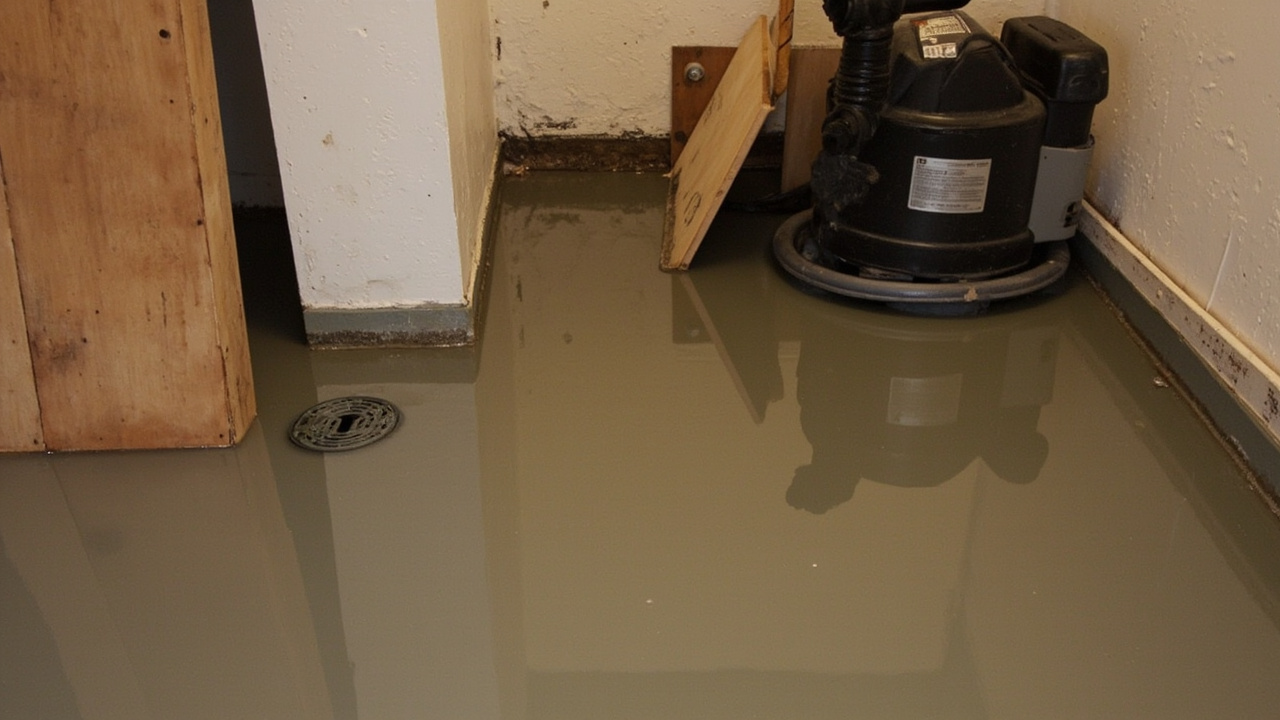
This coverage handles water that enters your home from a different source than flooding. It covers damage caused by water that backs up through a drain, sewer line, or sump pump discharge. When the combined sewer system serving your block gets overwhelmed during a heavy rain event and sewage pushes back up through your basement floor drain, that is a sewer backup claim, not a flood claim.
These are two entirely separate events that require two entirely different policies. A sewer backup is not a flood under NFIP definitions. Your NFIP policy will not cover it.

Side-by-Side Comparison for Jefferson-Chalmers Homeowners
| Factor | NFIP Flood Insurance | Water Backup Endorsement |
|---|---|---|
| Water Source | Rising surface water, river overflow, storm pooling | Sewer lines, floor drains, sump pump failure |
| Policy Type | Separate federal policy (not homeowners) | Rider added to your existing homeowners policy |
| Administered By | FEMA / NFIP or Write-Your-Own private insurers | Your private homeowners insurance carrier |
| Waiting Period | 30 days (with limited exceptions) | Typically 24-72 hours after adding endorsement |
| Basement Coverage | Limited — contents rarely covered below grade | Typically covers damage from backed-up water in basement |
| Sump Pump Failure | Not covered | Covered if endorsement includes sump overflow language |
| Detroit Relevance | Critical for riverfront and low-lying zones near GLWA system | Critical for every home with a basement on combined sewer lines |
Why Detroit’s Sewer Infrastructure Makes Backup Coverage Non-Negotiable
Detroit operates one of the largest combined sewer systems in the country. The Great Lakes Water Authority (GLWA) and the Detroit Water and Sewerage Department (DWSD) manage a network where stormwater and sanitary sewage share the same pipes. During heavy rain events, this system reaches capacity and backs up into homes.
This is not a rare edge case. Combined Sewer Overflows (CSOs) are a documented, recurring reality in Jefferson-Chalmers, East English Village, and neighborhoods along the lower east side. When several inches of rain fall in a short window, the system cannot move the volume fast enough, and the water has nowhere to go but back through your floor drains.
Wayne County Flood Maps show significant portions of Jefferson-Chalmers in high-risk flood zones. But being in a flood zone does not protect you from sewer backup. These are independent risks, and both are elevated in this neighborhood.
The Michigan Department of Insurance and Financial Services (DIFS) regulates how insurers sell and administer these endorsements in our state. If you want to verify your coverage or file a complaint about a wrongful denial, DIFS is your resource. Many homeowners do not know this office exists until after a claim gets denied.
The Water Category Problem That Changes Everything About Your Claim
As a restoration company, we see how the source of water affects the cleanup process and the claim outcome simultaneously. This is where the rubber meets the road for Jefferson-Chalmers homeowners.
Under IICRC S500 Standards, the industry’s governing document for professional water damage restoration, all water damage falls into one of three categories based on contamination level.
- Category 1 (Clean Water) originates from a clean source like a burst supply line or rainwater entering through a roof breach. Restoration is faster and less invasive.
- Category 2 (Gray Water) carries contaminants that may cause illness. Washing machine overflow or a failed sump pump with stagnant water falls here.
- Category 3 (Black Water) is grossly contaminated water. Sewer backup is always Category 3. It contains bacteria, pathogens, and raw sewage. Everything it touches requires specific remediation protocols.
This distinction matters because Category 3 water from a sewer backup requires a completely different restoration approach than Category 1 flood water. Porous materials like drywall, insulation, carpeting, and wood framing that contact Category 3 water typically cannot be dried and saved. They must be removed and replaced. This drives costs significantly higher and changes what documentation your adjuster needs.
If your basement filled from a sewer backup rather than a flood, you need to understand that the cleanup is more extensive, the health risk is real, and microbial growth can establish within 24 to 48 hours in the contaminated environment. Speed matters. Learn more about what proper sewage cleanup involves for Detroit homeowners in our guide on what to do right now for sewage backup cleanup in Detroit.

Restoration Process Differences Based on Water Source
| Restoration Factor | Flood Water (Category 1 or 2) | Sewer Backup (Category 3 Black Water) |
|---|---|---|
| Initial Safety | Check for electrical hazards and structural damage | Full PPE required, immediate contamination protocols |
| Water Extraction | High-volume extraction, standard drying equipment | Extraction with containment, biohazard disposal required |
| Material Removal | Selective, based on saturation and drying feasibility | All porous materials in contact zone must be removed |
| Structural Drying | Industrial dehumidification, air movers, monitoring | Same, but only after full demolition and disinfection |
| Microbial Growth Risk | Moderate if drying is delayed past 48 hours | High, even with fast response |
| Mold Remediation Likelihood | Lower with fast response | Higher, requires post-remediation testing |
| Insurance Claim Category | NFIP Flood Claim | Water Backup Endorsement Claim |
The overlap between water damage restoration and mold remediation is real and worth planning for. If a Jefferson-Chalmers basement sits wet for more than two days without professional drying, mold is likely no matter the water source. Our team frequently documents conditions for insurance adjusters, which helps prevent disputes over what damage was pre-existing versus event-related.
What Hydrostatic Pressure Does to Your Foundation (And Why It Confuses Claims)
Here is a scenario that causes genuine confusion on insurance claims in older neighborhoods like Jefferson-Chalmers. Heavy rain saturates the soil around your foundation. The pressure of that saturated soil against your basement walls forces water through cracks, mortar joints, and block cavities. This is hydrostatic pressure seepage.
This type of water entry is generally not covered by NFIP flood insurance unless the broader flood definition applies. It is also typically not covered by a water backup endorsement because the water did not enter through a drain or sewer. Standard homeowners policies exclude it as a maintenance or seepage issue.
This is why claims get denied in older Detroit neighborhoods with limestone block foundations. The water came in, but not through a covered pathway. If your home has foundation seepage issues, those need to be addressed with waterproofing measures proactively. The coverage gap is real.
How to Actually Check Your Coverage Right Now
Pull out your homeowners policy declarations page. Look for a section labeled “Additional Coverages” or “Endorsements.” You are looking for language that says “Water Backup” or “Sewer or Drain Backup” with a coverage limit listed. If you do not see it, you do not have it.
For flood coverage, look for a completely separate policy document from NFIP or a private flood insurer. It will not be attached to your homeowners policy. It will have its own declarations page, its own premium, and its own deductible.
If you are unsure, call your agent directly and ask two specific questions. First, am I covered if a sewer backs up into my basement? Second, am I covered if the Detroit River or a storm causes water to rise and enter my home from outside? The answers to those two questions tell you everything about where you stand.
Common Coverage Questions Jefferson-Chalmers Residents Ask
Does a basic homeowners policy cover a sump pump failure?
No. A standard homeowners policy excludes water that enters through a sump pump failure. You need a Water Backup and Sump Overflow endorsement specifically. Read your endorsement language carefully, as some policies cover the backup but cap the coverage at limits that do not reflect realistic restoration costs in a finished basement.
How do I add a water backup rider in Michigan?
Contact your homeowners insurance agent and request the Water Backup and Sewer or Sump Overflow endorsement. Most Michigan carriers offer it as an add-on to standard policies. The Michigan Department of Insurance and Financial Services (DIFS) can assist if you have trouble getting a carrier to offer it or if you want to compare your options.
Does my NFIP policy cover my basement contents?
NFIP building coverage provides very limited protection for items below the lowest elevated floor, which often means your basement. Most personal property stored in your basement is not covered under standard NFIP contents coverage. You may be able to get coverage for certain mechanical equipment, but artwork, furniture, and clothing below grade are typically excluded.
What is the 30-day waiting period and are there exceptions?
NFIP policies typically require 30 days between purchase and activation. Exceptions exist when flood insurance is required as part of a new mortgage loan closing, or in limited cases involving community map revisions. You cannot buy a policy when a storm is already forming and expect coverage. Plan ahead.
Related Flooding Situations Across the Detroit Metro
Jefferson-Chalmers is not the only high-risk area in the metro. Grosse Pointe neighborhoods near the lakefront share similar flood exposure, and the restoration challenges are nearly identical. Our team covers those situations as well, as detailed in our guide to flooded basement cleanup in Grosse Pointe.
Dearborn homeowners deal with similar sewer backup risks given the age of infrastructure in that area. The process and documentation requirements are the same. See what to expect from professional cleanup for flooded basements in Dearborn if you or someone you know is dealing with water damage in that part of the metro.
Winter adds another dimension to this problem. Frozen pipes burst and release large volumes of clean water into walls and floors before most homeowners realize what happened. That is a different insurance claim than either flood or sewer backup. For that specific situation, our breakdown of fixing the mess after a frozen pipe bursts in your Detroit home walks through what comes next.
And regardless of the water source, if drying is not completed thoroughly, mold follows. Jefferson-Chalmers basements with older block foundations are especially prone to secondary mold growth after any water event. Our guide on how to remove mold safely outlines what proper mold remediation actually looks like when done correctly.
When the Water Is Already in Your Basement
If you are reading this because water is in your home right now, the insurance question can wait 20 minutes. Your first priority is stopping additional water intrusion if possible, cutting power to the affected area if you can do so safely, and documenting everything with photos and video before you move anything.
Do not attempt to clean up sewer backup water yourself. Category 3 black water contains pathogens that pose a genuine health risk. The exposure risk during cleanup without proper PPE, containment, and antimicrobial treatment is significant.
Call a certified restoration team that operates 24 hours a day and documents conditions for insurance purposes from the moment they arrive. That documentation protects your claim. Our team responds to Jefferson-Chalmers, East Jefferson, and surrounding neighborhoods around the clock. We work directly with adjusters from all major carriers operating in Michigan, and we can help you understand which policy applies before the adjuster arrives.
Getting the claim filed under the right policy from the start prevents delays and disputes later. That clarity is worth more than most homeowners realize until they have gone through a denial once.
{
“@context”: “https://schema.org”,
“@type”: “BlogPosting”,
“headline”: “Flood Insurance vs Water Backup Coverage What Jefferson-Chalmers Homeowners Actually Need to Know”,
“description”: “Learn the real difference between flood insurance and water backup coverage in Jefferson-Chalmers, Detroit — before your basement fills up and you find out the hard way.”,
“wordCount”: 2299,
“datePublished”: “2026-04-03T10:41:00.000Z”,
“dateModified”: “2026-04-03T10:41:00.000Z”,
“inLanguage”: “en-US”,
“mainEntityOfPage”: {
“@type”: “WebPage”,
“@id”: “https://ironwoodwaterdamagerestorationdetroit.com”
},
“publisher”: {
“@type”: “LocalBusiness”,
“name”: “Ironwood Water Damage Restoration Detroit”,
“url”: “https://ironwoodwaterdamagerestorationdetroit.com”
},
“author”: {
“@type”: “Organization”,
“name”: “Ironwood Water Damage Restoration Detroit”,
“url”: “https://ironwoodwaterdamagerestorationdetroit.com”
},
“image”: {
“@type”: “ImageObject”,
“url”: “https://ironwoodwaterdamagerestorationdetroit.com/wp-content/uploads/2026/03/understanding-the-difference-between-flood-insuran-1.jpg”
}
}
{
“@context”: “https://schema.org”,
“@type”: “LocalBusiness”,
“name”: “Ironwood Water Damage Restoration Detroit”,
“url”: “https://ironwoodwaterdamagerestorationdetroit.com”,
“address”: {
“@type”: “PostalAddress”,
“addressLocality”: “Detroit”
},
“areaServed”: {
“@type”: “City”,
“name”: “Detroit”
}
}
{
“@context”: “https://schema.org”,
“@type”: “FAQPage”,
“mainEntity”: [
{
“@type”: “Question”,
“name”: “Does a basic homeowners policy cover a sump pump failure?”,
“acceptedAnswer”: {
“@type”: “Answer”,
“text”: “No. A standard homeowners policy excludes water that enters through a sump pump failure. You need a Water Backup and Sump Overflow endorsement specifically. Read your endorsement language carefully, as some policies cover the backup but cap the coverage at limits that do not reflect realistic restoration costs in a finished basement.”
}
},
{
“@type”: “Question”,
“name”: “How do I add a water backup rider in Michigan?”,
“acceptedAnswer”: {
“@type”: “Answer”,
“text”: “Contact your homeowners insurance agent and request the Water Backup and Sewer or Sump Overflow endorsement. Most Michigan carriers offer it as an add-on to standard policies. The Michigan Department of Insurance and Financial Services (DIFS) can assist if you have trouble getting a carrier to offer it or if you want to compare your options.”
}
},
{
“@type”: “Question”,
“name”: “Does my NFIP policy cover my basement contents?”,
“acceptedAnswer”: {
“@type”: “Answer”,
“text”: “NFIP building coverage provides very limited protection for items below the lowest elevated floor, which often means your basement. Most personal property stored in your basement is not covered under standard NFIP contents coverage. You may be able to get coverage for certain mechanical equipment, but artwork, furniture, and clothing below grade are typically excluded.”
}
},
{
“@type”: “Question”,
“name”: “What is the 30-day waiting period and are there exceptions?”,
“acceptedAnswer”: {
“@type”: “Answer”,
“text”: “NFIP policies typically require 30 days between purchase and activation. Exceptions exist when flood insurance is required as part of a new mortgage loan closing, or in limited cases involving community map revisions. You cannot buy a policy when a storm is already forming and expect coverage. Plan ahead.”
}
}
]
}
{
“@context”: “https://schema.org”,
“@type”: “BreadcrumbList”,
“itemListElement”: [
{
“@type”: “ListItem”,
“position”: 1,
“name”: “Home”,
“item”: “https://ironwoodwaterdamagerestorationdetroit.com”
},
{
“@type”: “ListItem”,
“position”: 2,
“name”: “Blog”,
“item”: “https://ironwoodwaterdamagerestorationdetroit.com/blog”
},
{
“@type”: “ListItem”,
“position”: 3,
“name”: “Flood Insurance vs Water Backup Coverage What Jefferson-Chalmers Homeowners Actually Need to Know”
}
]
}
{
“@context”: “https://schema.org”,
“@type”: “Service”,
“serviceType”: “Water Damage Restoration”,
“provider”: {
“@type”: “LocalBusiness”,
“name”: “Ironwood Water Damage Restoration Detroit”,
“url”: “https://ironwoodwaterdamagerestorationdetroit.com”
},
“areaServed”: {
“@type”: “City”,
“name”: “Detroit”
},
“description”: “Learn the real difference between flood insurance and water backup coverage in Jefferson-Chalmers, Detroit — before your basement fills up and you find out the hard way.”
}