Hidden Plumbing Risks in Your Grosse Pointe Basement Apartment or In-Law Suite
Living in a Grosse Pointe basement apartment or in-law suite offers convenience and extra income potential, but aging infrastructure creates serious plumbing risks you cannot ignore. These below-grade living spaces face unique water damage threats from outdated plumbing systems, poor drainage, and hydrostatic pressure that force water through foundation cracks. Understanding these hidden dangers helps you spot problems before they cause thousands in damage. Flooded Basement Cleanup in Grosse Pointe Done Fast and Done Right.
Most Grosse Pointe homes built before 1980 contain clay sewer pipes that crack and collapse over time. When these pipes fail under your basement apartment, sewage backs up through floor drains, toilets, and shower stalls. The smell hits first – that unmistakable rotten egg odor that signals raw sewage flooding your living space. Within hours, water spreads across floors, soaking carpets and seeping into walls where mold begins growing within 24-48 hours. What to Do Right Now for Sewage Backup Cleanup in Detroit.
Many basement apartments in Grosse Pointe feature converted utility spaces where plumbing was never designed for full-time living. Original cast iron drain lines corrode from the inside out, creating weak spots that burst under pressure. You might hear a loud pop followed by the sound of rushing water – that’s a pipe failing catastrophically. Water sprays everywhere, destroying flooring, furniture, and personal belongings within minutes.
Water pressure problems plague older Grosse Pointe neighborhoods. Aging municipal water mains struggle to maintain consistent pressure, causing pipes to hammer and vibrate. This hydraulic shock weakens pipe joints and connections. You’ll notice pipes rattling in walls or ceilings – that’s not normal. These vibrations create microscopic cracks that grow larger over time until pipes fail completely.
Warning Signs Your Basement Plumbing Is Failing
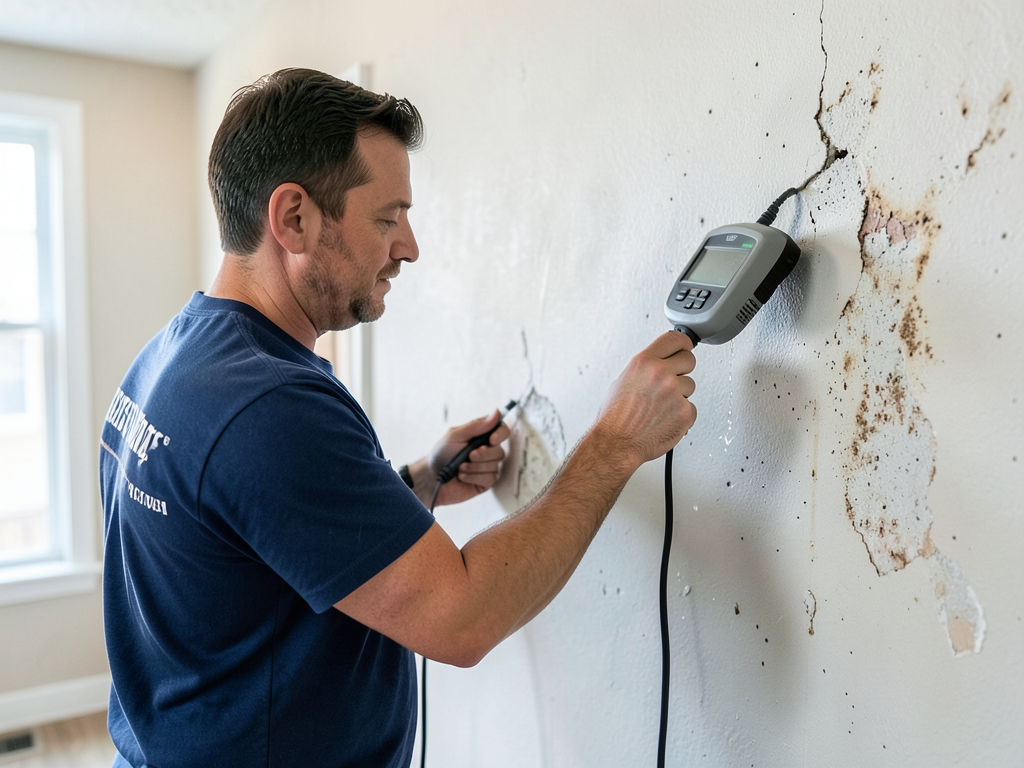
Recognizing early warning signs saves you from major disasters. Water stains on basement walls often indicate leaking pipes behind drywall. These yellowish-brown marks grow larger over weeks or months. Touch the stain – if it feels damp or soft, you have an active leak that requires immediate attention.
Mold growth signals persistent moisture problems. Black or green spots on walls, ceilings, or around plumbing fixtures indicate water intrusion. Mold thrives in dark, damp basement environments where humidity stays above 60%. The musty odor permeates fabrics and becomes impossible to eliminate without addressing the moisture source.
Strange sounds from plumbing systems warn of impending failure. Gurgling drains indicate partial blockages that worsen over time. Banging pipes suggest water hammer or loose connections. Hissing sounds near water heaters or under sinks point to small leaks that waste water and damage building materials.
Foundation cracks provide entry points for groundwater. Grosse Pointe’s clay-heavy soil expands when wet and contracts when dry, creating pressure against basement walls. Hairline cracks grow into major fissures that allow water intrusion during heavy rains. You might notice efflorescence – white mineral deposits left behind when water evaporates through concrete.
Common Plumbing Failures in Grosse Pointe Basement Apartments
Sump pump failures rank among the most common basement disasters. These pumps remove groundwater that accumulates around foundation walls. When power fails during storms or pumps burn out from age, water floods basements within hours. Most Grosse Pointe homes require backup battery systems since power outages often accompany heavy rainfall. How to Remove Mold Safely from Your Royal Oak Home.
Backwater valve malfunctions allow sewage to flow backward into basement fixtures. These one-way valves prevent municipal sewer backups from entering your home. When valves fail or become clogged with debris, sewage enters through floor drains first, then toilets and sinks. The contamination spreads rapidly across basement floors.
Water heater failures cause extensive damage when they occur in finished basement spaces. Tank-style heaters typically last 8-12 years before internal corrosion creates weak spots. When tanks rupture, 40-50 gallons of water flood your basement apartment instantly. The water damages flooring, electrical systems, and anything stored nearby.
Supply line failures affect washing machines, dishwashers, and refrigerator ice makers common in basement apartments. These flexible hoses connect appliances to water supply lines. Over time, hoses develop weak spots that burst under normal water pressure. A single failed supply line can release hundreds of gallons before you discover the problem.
Grosse Pointe’s Unique Plumbing Challenges
Living near Lake St. Clair creates specific water management issues for basement apartments. The lake’s proximity raises the water table, increasing hydrostatic pressure against foundation walls. During spring thaws or heavy rains, this pressure forces water through the smallest cracks and pores in concrete. Many Grosse Pointe basements experience seasonal seepage that worsens over decades. EPA mold guidelines.
The Detroit Water and Sewerage Department’s aging infrastructure affects Grosse Pointe homes. Combined sewer systems in older neighborhoods struggle during heavy rainfall. When stormwater overwhelms treatment capacity, sewage backs up into basements through floor drains and lower-level fixtures. Installing proper backwater valves prevents many of these backups.
Grosse Pointe’s historic architecture presents additional challenges. Many homes feature plaster walls and original wood flooring that water damages easily. Modern basement apartments often convert these spaces without upgrading plumbing systems to handle increased usage. The added strain on old pipes accelerates failure rates compared to main-floor bathrooms.
Soil composition affects foundation stability throughout Grosse Pointe. The area’s clay soil retains water, creating expansive pressure against basement walls. This pressure causes foundation movement that breaks plumbing connections and creates new entry points for water. Proper drainage systems and foundation waterproofing become essential for basement apartment conversions.
Emergency Response Steps for Plumbing Disasters
When plumbing failures flood your basement apartment, quick action prevents extensive damage. First, locate your main water shutoff valve – typically where the water line enters your home near the front foundation wall. Turn the valve clockwise until it stops. This immediately stops water flow from burst pipes or failed fixtures.
Next, shut off electricity to affected areas at the circuit breaker panel. Water and electricity create deadly shock hazards. If water reaches electrical outlets or appliances, stay out of the water and call professionals immediately. Never touch electrical devices while standing in water. Professional Cleanup for Flooded Basements in Dearborn (What to Expect and Why It Matters).
Remove valuable items from flooded areas as quickly as possible. Electronics, documents, and irreplaceable items suffer immediate damage from water exposure. Place these items in dry areas and begin the drying process. Time matters – water damage worsens by the minute.
Document all damage with photos and videos before beginning cleanup. This documentation proves essential for insurance claims. Capture wide shots showing the extent of flooding, then close-ups of damaged items and structural elements. Your insurance company will require this evidence to process claims.
Begin water removal using wet vacuums, mops, or towels depending on the volume. For significant flooding, professional extraction equipment removes water faster and more completely. Water left standing for more than 24 hours creates ideal conditions for mold growth and structural damage.
Prevention Strategies for Basement Apartment Plumbing
Regular plumbing inspections catch problems before they cause major damage. Schedule annual inspections of visible pipes, fixtures, and appliances. Look for corrosion, mineral deposits, and signs of moisture. Pay special attention to areas under sinks, around water heaters, and near washing machine connections.
Install water leak detection systems that alert you to problems immediately. These devices monitor moisture levels and water flow, sending alerts to your smartphone when they detect leaks. Some systems automatically shut off water when they detect abnormal flow patterns, preventing extensive damage from burst pipes.
Upgrade old plumbing components before they fail. Replace galvanized steel pipes showing signs of corrosion. Install braided stainless steel supply lines for washing machines and dishwashers. These hoses resist bursting better than standard rubber hoses. Consider replacing water heaters older than 10 years with newer, more reliable models.
Improve drainage around your home’s foundation. Clean gutters and downspouts regularly to ensure proper water flow away from the building. Extend downspouts at least six feet from foundation walls. Grade soil to slope away from the house, preventing water from pooling near basement walls.
Install proper vapor barriers and waterproofing in basement apartments. Seal foundation walls with waterproof coatings. Install drainage systems that channel water to sump pumps. These measures reduce hydrostatic pressure and prevent groundwater intrusion through foundation cracks.
When to Call Professional Restoration Services
Category 1 water damage involves clean water from broken supply lines or overflowing sinks. You can often handle this cleanup yourself if addressed within 24-48 hours. However, if water affects multiple rooms or soaks into walls and flooring, professional help prevents mold growth and structural damage.
Category 2 water contains significant contamination from washing machines, dishwashers, or clean toilet overflows. This gray water requires protective equipment and proper disposal methods. Professional restoration ensures thorough cleaning and prevents health hazards from bacteria and other contaminants.
Category 3 water involves highly contaminated sewage, floodwater, or standing water that supports microbial growth. This black water poses serious health risks and requires professional handling. Restoration professionals use specialized equipment and follow strict protocols to remove contamination and prevent disease transmission.
Structural damage indicates the need for immediate professional help. Warped floors, sagging ceilings, or crumbling drywall suggest water has compromised building integrity. These conditions create safety hazards and require expert assessment to determine repair needs.
Mold growth exceeding 10 square feet requires professional remediation. Small patches might seem manageable, but mold spreads rapidly through HVAC systems and wall cavities. Professionals contain contamination, remove affected materials safely, and prevent spores from spreading to other areas.
Insurance Considerations for Basement Apartment Plumbing
Standard homeowners insurance typically covers sudden plumbing failures but excludes gradual damage or maintenance issues. Review your policy to understand coverage limits and exclusions. Many policies require separate endorsements for basement apartments or in-law suites due to increased risk factors.
Document all plumbing maintenance and upgrades. Keep receipts for repairs, inspections, and improvements. This documentation proves you maintained the property properly, which insurance companies require for claim approval. Photos showing the condition of plumbing systems before problems occur provide valuable evidence.
Understand your deductible amounts and coverage limits. Some policies have separate deductibles for water damage claims. Others limit coverage for basement areas or finished spaces. Knowing these details helps you make informed decisions about repairs and replacements.
Consider additional coverage for sewer backup protection. Standard policies often exclude sewage-related damage, which causes some of the most expensive basement flooding incidents. This coverage costs relatively little but provides significant protection against one of the most common basement disasters.
Local Building Codes and Requirements
Michigan Residential Code requires proper drainage systems for basement apartments. This includes adequate floor drains, proper slope for water runoff, and appropriate ventilation to prevent moisture buildup. Local Grosse Pointe ordinances may impose additional requirements for basement conversions and in-law suites.
Plumbing installations must comply with Michigan Plumbing Code standards. This includes proper pipe sizing, appropriate materials for specific applications, and required venting for all fixtures. Licensed plumbers must perform most plumbing work to ensure code compliance and prevent future problems.
Electrical codes require GFCI protection for all basement outlets and special considerations for areas near water sources. These safety measures prevent shock hazards in potentially wet environments. Professional electricians ensure proper installation and compliance with current safety standards.
Fire safety codes affect basement apartment design. Requirements include proper egress windows, smoke detectors, and sometimes sprinkler systems depending on the size and configuration of the space. These features protect occupants and meet legal requirements for rental units.
Cost Factors for Plumbing Repairs and Prevention
Emergency plumbing repairs cost significantly more than planned maintenance. After-hours service calls, weekend work, and holiday emergencies incur premium charges. Planning regular maintenance prevents these expensive emergency situations and extends the life of your plumbing systems. Fixing the Mess After a Frozen Pipe Bursts in Your Detroit Home.
Material quality affects long-term costs. Premium plumbing fixtures and pipes cost more initially but last longer and resist problems better than economy options. Consider total lifecycle costs rather than just initial purchase prices when selecting plumbing components.
Professional installation prevents many common problems. Licensed plumbers understand local code requirements and proper installation techniques. DIY plumbing often creates problems that cost more to fix than professional installation would have cost initially.
Prevention costs less than repairs. Investing in leak detection systems, quality fixtures, and regular maintenance prevents expensive water damage. Many homeowners find that prevention spending returns multiple times in avoided repair costs.
Choosing the Right Restoration Company
Look for IICRC certification when selecting water damage restoration professionals. This certification ensures technicians understand proper procedures for different types of water damage and contamination levels. Certified companies follow industry standards that protect your health and property. IICRC certification standards.
Verify licensing and insurance coverage. Restoration companies should carry general liability insurance and workers’ compensation coverage. These protections shield you from liability if accidents occur during the restoration process. Ask for proof of current insurance before hiring any contractor.
Check references and online reviews specifically for Grosse Pointe work. Local experience matters for understanding neighborhood-specific challenges like soil conditions, municipal infrastructure, and common building practices. Companies familiar with Grosse Pointe homes work more efficiently and anticipate potential complications.
Ask about response times for emergencies. Water damage worsens by the hour, so quick response proves critical. Quality companies offer 24/7 emergency service and can typically arrive within a few hours of your call. Fast response limits damage and reduces overall restoration costs.
Request detailed written estimates before work begins. Professional companies provide clear scope descriptions, material specifications, and cost breakdowns. Avoid companies that pressure you to make immediate decisions or refuse to provide written documentation of their proposed work.
Maintaining Your Basement Apartment Plumbing
Create a regular maintenance schedule for all plumbing systems. Monthly checks of visible pipes, fixtures, and appliances catch small problems before they become major issues. Seasonal inspections before winter and after spring rains address weather-related concerns specific to Grosse Pointe’s climate.
Test sump pumps quarterly by pouring water into the pit until the pump activates. This ensures the pump works when needed most. Replace backup batteries annually and consider installing water-powered backup pumps that work without electricity during power outages.
Clean floor drains regularly to prevent clogs that cause backups. Pour water down unused drains monthly to maintain trap seals that block sewer gases. Address slow drains immediately before complete blockages cause overflows and water damage.
Monitor water pressure throughout your home. Excessive pressure stresses pipes and fixtures, causing premature failures. Install pressure-reducing valves if municipal pressure exceeds recommended levels. These valves protect your entire plumbing system from damage caused by high water pressure.
Keep records of all plumbing work, maintenance, and repairs. This documentation helps track system age and condition. It also proves valuable for insurance claims and when selling your home, as buyers appreciate documented maintenance history.
Future-Proofing Your Basement Plumbing
Consider smart home technology integration for plumbing monitoring. Modern systems detect leaks, monitor water usage, and can shut off water automatically when problems arise. These systems provide peace of mind and prevent extensive damage from undetected leaks.
Plan for climate change impacts on your plumbing systems. More frequent heavy rainfall events increase basement flooding risks. Rising water tables affect foundation stability. Design your plumbing and drainage systems to handle these changing conditions rather than relying on historical weather patterns.
Invest in quality materials for any plumbing upgrades or repairs. Modern PEX piping resists freezing better than copper and handles water hammer more effectively. Quality fixtures with ceramic disc valves last longer than cheaper alternatives with rubber washers that wear out quickly.
Design basement apartments with water damage prevention in mind. Use moisture-resistant materials in flood-prone areas. Install floor drains in utility spaces. Consider raised flooring systems that allow water to flow underneath rather than damaging finished surfaces above.
Stay informed about local infrastructure projects that might affect your plumbing. Road construction, utility upgrades, and municipal system improvements can impact water pressure, drainage patterns, and sewer functionality. Understanding these changes helps you anticipate and prevent potential problems.
Frequently Asked Questions
How can I tell if my basement plumbing needs replacement?
Look for signs like frequent leaks, discolored water, reduced water pressure, or visible corrosion on pipes. If your home is over 40 years old and still has original plumbing, consider a professional inspection to assess pipe condition and replacement needs.
What should I do immediately after discovering a basement flood?
Shut off the main water supply if the flooding involves plumbing, then turn off electricity to affected areas. Remove valuable items from water and begin documentation with photos. Contact a professional restoration company immediately, as waiting allows damage to worsen significantly.
Are basement apartments more prone to plumbing problems than main-floor units?
Yes, basement apartments face unique challenges including higher hydrostatic pressure, potential sewer backups, and older plumbing systems that weren’t designed for full-time living. The below-grade location also makes water damage more likely and harder to detect early.
How much does professional water damage restoration typically cost?
Costs vary widely based on damage extent, water category, and affected materials. Clean water damage might cost $1,000-$4,000 to restore, while sewage contamination can exceed $10,000. Most companies provide free estimates after assessing the specific situation.
Can I prevent all basement plumbing problems?
While you cannot prevent every possible issue, regular maintenance, quality materials, and proper design significantly reduce risks. Installing leak detection systems, maintaining drainage, and addressing small problems promptly prevents most major plumbing disasters in basement apartments.
- Shut Off Water Supply
Locate and turn off the main water valve to stop active leaks or bursts.
- Cut Power to Affected Areas
Turn off electricity at the breaker panel to prevent shock hazards in wet areas.
- Document Damage
Take photos and videos of all affected areas before beginning cleanup for insurance purposes.
- Remove Valuables
Move electronics, documents, and irreplaceable items to dry areas immediately.
- Extract Standing Water
Use wet vacuums or professional equipment to remove water within 24-48 hours.
Protecting your Grosse Pointe basement apartment from plumbing disasters requires understanding the unique risks these spaces face. From aging infrastructure to soil conditions that create hydrostatic pressure, multiple factors contribute to potential water damage. Regular maintenance, quality materials, and quick response to problems prevent most major disasters.
When plumbing failures occur, professional restoration services provide the expertise and equipment needed to return your space to safe, usable condition. Don’t wait until you’re standing in inches of water to think about prevention. Take action now to protect your investment and ensure your basement apartment remains a valuable asset rather than a source of constant worry.
Call (313) 572-5559 today to schedule your basement plumbing inspection before the next problem strikes. Our experienced team understands Grosse Pointe’s unique challenges and provides solutions that protect your property and peace of mind.
Don’t let hidden plumbing risks destroy your basement apartment investment. Pick up the phone and call (313) 572-5559 before the next storm hits. We’re ready to help Grosse Pointe homeowners protect their properties 24/7.