
How much a past basement flood actually hurts your Ferndale home resale value
A basement flood in your Ferndale home doesn’t have to be a deal-breaker when selling. The truth is most buyers will discover the history anyway through disclosure forms or inspection reports. What matters is how you handle the aftermath and present the property. Flooded Basement Cleanup in Grosse Pointe Done Fast and Done Right.
Water damage that’s properly remediated can reduce your home’s value by as little as 3-5% in the Ferndale market. However, untreated or poorly documented damage can slash 15-25% off your asking price. The difference comes down to professional restoration, documentation, and full disclosure. Professional Cleanup for Flooded Basements in Dearborn (What to Expect and Why It Matters).
Ferndale’s mix of historic bungalows and mid-century homes sits on clay-heavy soil that drains poorly. When heavy rains hit, hydrostatic pressure builds against basement walls. This means basement flooding isn’t rare here—it’s a known local issue that savvy buyers understand.
Why Ferndale homes face unique water challenges
The city’s infrastructure dates back to the early 1900s. Many homes have original clay drain tiles that crack and collapse over time. Combined with Michigan’s freeze-thaw cycles, this creates a perfect storm for basement moisture problems. Michigan Seller Disclosure Act.
According to the Southeast Michigan Council of Governments, Ferndale receives an average of 33 inches of rainfall annually. During spring thaws, this water has nowhere to go when frozen ground prevents absorption. The result? Water finds the path of least resistance—often through your basement walls or floor. Water Damage Restoration Livonia.
Historic homes along the Woodward corridor face additional risks. Many were built before modern building codes required proper grading away from foundations. Water pools against these older foundations, increasing the likelihood of seepage.
Michigan disclosure laws you must follow
Michigan’s Seller Disclosure Act requires you to reveal any material defects including past water damage. This isn’t optional—failure to disclose can void the sale or lead to legal action after closing. Fixing the Mess After a Frozen Pipe Bursts in Your Detroit Home.
The disclosure form asks specific questions about basement water issues. You must answer honestly about past flooding, even if you’ve repaired it. The key is documenting what you’ve done to fix the problem.
Under Michigan law, you’re not required to fix every issue before selling. However, you must disclose known problems. This includes past floods, current moisture issues, and any mold remediation you’ve performed.
Professional restoration companies provide certificates of completion that serve as documentation. These documents detail what was damaged, what was repaired, and what materials were used. They’re invaluable when answering buyer questions.
How water damage affects appraisal values
Appraisers look for three things when evaluating past water damage: evidence of current moisture, signs of structural damage, and documentation of repairs. Each factor influences the final valuation differently.
Current moisture is the biggest red flag. Even small amounts of dampness suggest ongoing problems. Appraisers use moisture meters to check walls and floors. If readings show elevated moisture levels, they’ll factor that into the value.
Structural damage from water is harder to hide. Warped floors, cracked foundation walls, or rusted support beams all indicate serious problems. These issues can reduce value by 10-20% or more depending on severity.
Proper documentation of repairs can actually increase value. An appraiser seeing professional remediation with before/after photos, moisture mapping reports, and warranty documentation will view the property more favorably than one with hidden damage.
Steps to take before listing your water-damaged home
The first step is getting a professional inspection. A certified water damage restoration specialist can identify hidden problems that a standard home inspector might miss.
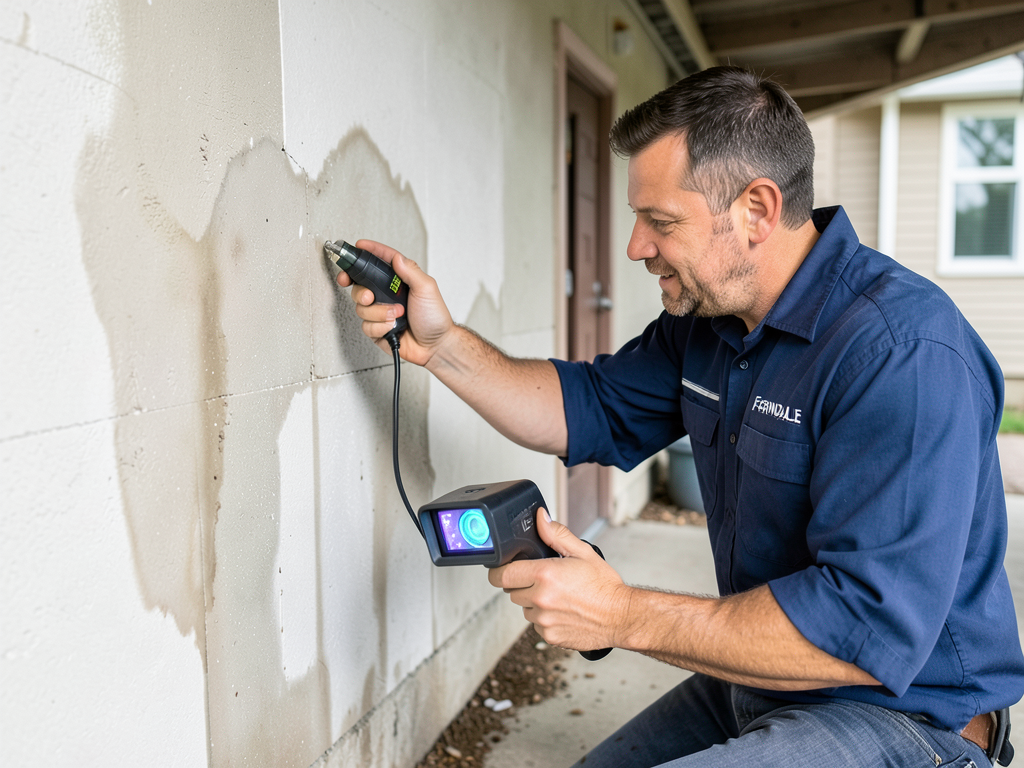
During inspection, technicians use thermal imaging cameras to detect moisture behind walls. They also check for mold growth using air quality testing equipment. These diagnostic tools reveal the full extent of any damage.
If problems are found, immediate remediation is crucial. The longer water damage sits, the more expensive it becomes to fix. Mold can start growing within 24-48 hours of water exposure.
After repairs, obtain documentation. This should include detailed invoices, before/after photos, and any warranties on work performed. These documents become part of your seller’s disclosure package.
1. Professional inspection and documentation
A thorough inspection goes beyond what you can see. Technicians check inside wall cavities, under flooring, and in crawl spaces. They document everything with photos and moisture readings.
The inspection report should include specific details: affected areas, materials removed, remediation methods used, and final moisture readings. This level of detail satisfies buyer concerns and appraiser requirements. How to Remove Mold Safely from Your Royal Oak Home.
2. Transferable warranties and certifications
Many professional restoration companies offer transferable warranties. These warranties stay with the home when you sell, providing buyers with peace of mind.
Warranty coverage typically includes protection against future water intrusion in treated areas for 5-10 years. Some companies also offer mold-free guarantees for a specified period.
3. Remediation vs. cosmetic repairs
Understanding the difference between remediation and cosmetic repairs is crucial. Remediation addresses the source of water intrusion and removes damaged materials. Cosmetic repairs only hide the damage.
Buyers and appraisers can spot cosmetic repairs. Signs include fresh paint in one area only, new flooring without addressing subfloor damage, or patched drywall that doesn’t match surrounding texture.
Proper remediation involves removing damaged materials, treating affected areas with antimicrobial solutions, and ensuring the space is completely dry before reconstruction. This process follows IICRC S500 standards for water damage restoration. IICRC S500 standards.
Marketing your home: turning a negative into a positive
How you present your home’s water history matters. Transparency builds trust with potential buyers. Trying to hide damage often backfires during inspections.
Create a water damage disclosure packet. Include the original incident report, remediation documentation, final inspection reports, and any warranties. Present this to interested buyers early in the process.
Highlight improvements made since the damage. New sump pumps, upgraded drainage systems, or waterproofed basement walls all add value and demonstrate proactive maintenance.
Consider offering a home warranty that covers water-related issues. This shows confidence in the repairs and provides buyers with additional protection.
Frequently Asked Questions
Do I have to disclose a basement flood from five years ago?
Yes. Michigan law requires disclosure of any material defects regardless of when they occurred. The age of the damage doesn’t matter—only whether it affects the property’s value or safety.
Will insurance cover past water damage when I sell?
Standard homeowner’s insurance doesn’t cover pre-existing conditions. However, you can purchase a home warranty that specifically covers water damage for the new owner. This is often more appealing than trying to hide the issue.
How can I prove the water damage is fixed?
Professional documentation is your best proof. This includes moisture readings showing dry conditions, air quality tests confirming no active mold, and before/after photos of the remediation work. Third-party inspection reports carry the most weight.
Should I lower my price because of past flooding?
Not necessarily. If you’ve properly remediated the damage and can prove it with documentation, you shouldn’t have to discount significantly. The key is being upfront about the history and showing buyers you’ve addressed the issue professionally.
What’s the biggest red flag for buyers regarding water damage?
Inconsistent stories or missing documentation are the biggest red flags. If a seller claims there was never a problem but inspection reveals signs of past water intrusion, buyers become suspicious. Full transparency with proper documentation prevents this issue.
Understanding your local market
Ferndale’s real estate market moves quickly, but buyers here are particularly savvy about older homes and their common issues. Many Ferndale buyers expect some maintenance history in properties built before 1950.
The city’s historic districts have specific requirements for exterior modifications. If your water damage required exterior repairs, you may need approval from the Ferndale Historic District Commission. This process can take several weeks, so plan accordingly.
Local lenders understand Ferndale’s housing stock. They’re familiar with common issues like aging plumbing and drainage problems. This knowledge can work in your favor when buyers need financing.
Working with a local real estate agent who knows Ferndale’s market is invaluable. They can help position your property correctly and advise on disclosure strategies that work in this specific market.
Protecting your investment long-term
Even after selling, you want to ensure the new owners don’t face recurring issues. This protects your reputation and prevents future legal complications.
Provide the new owners with maintenance recommendations. Include information about sump pump testing, gutter cleaning schedules, and signs of potential water intrusion to watch for.
Consider including a one-year home warranty that covers water-related issues. This shows good faith and provides a buffer period for any latent problems to surface.
Document everything in writing. Have buyers sign acknowledgments of all disclosures and repair documentation. This creates a clear record of what was known and shared at the time of sale.
Call (313) 572-5559 today to schedule your inspection
Don’t let past water damage derail your home sale. A professional inspection can identify issues before buyers do, giving you control over the disclosure process.
Our certified technicians use thermal imaging, moisture meters, and air quality testing to provide a complete picture of your property’s condition. We document everything with photos and detailed reports that satisfy both buyers and appraisers.
Call (313) 572-5559 today to schedule your inspection. We offer same-day service throughout Ferndale and surrounding areas. Our team understands local building codes and can help you navigate the disclosure process with confidence.
Pick up the phone and call (313) 572-5559 before the next storm hits. Water damage only gets worse with time, and proper documentation now can save you thousands later.
Final thoughts on selling a water-damaged home
The key to selling a home with past water damage is honesty, documentation, and professional remediation. Trying to hide damage almost always backfires during inspections or disclosures.
Ferndale buyers understand the realities of older homes. They’re often willing to accept past issues if they’re properly addressed and documented. The market here values transparency and proactive maintenance.
Remember that disclosure laws exist to protect both buyers and sellers. Following these laws protects you from future legal issues while giving buyers the information they need to make informed decisions.
With proper preparation, a home with past water damage can sell for close to market value. The difference between a 3% discount and a 25% discount often comes down to how you handle the disclosure and documentation process.