Detroit Basement Backup Protection Program: A Guide for Homeowners
Detroit’s aging sewer infrastructure can turn a heavy rainstorm into a homeowner’s nightmare. The Basement Backup Protection Program launched by the Detroit Water and Sewerage Department offers a proactive solution to prevent sewage backups that can flood your basement with contaminated water. This municipal initiative provides free installation of backwater valves and sump pumps to qualifying residents in flood-prone neighborhoods. Detroit Basement Backup Protection Program.
The program addresses a critical vulnerability in Detroit’s combined sewer system where stormwater and wastewater share the same pipes. During intense rainfall events, these pipes can become overwhelmed, forcing sewage back through floor drains and plumbing fixtures into basements. The protective devices installed through this program create a one-way barrier that stops sewage from entering your home while allowing normal drainage to continue. Flooded Basement Cleanup in Grosse Pointe Done Fast and Done Right.
Homeowners in specific Detroit neighborhoods are eligible to apply for the program through a phased rollout approach. The Detroit Water and Sewerage Department has identified 11 priority areas based on historical flooding data and infrastructure conditions. Once approved, licensed contractors perform the installations at no cost to the homeowner, with all work meeting Detroit building code requirements for plumbing modifications. EPA information on Combined Sewer Overflows.
Are You Eligible for the Program?
The Basement Backup Protection Program targets neighborhoods with documented history of sewer backups during storm events. The initial rollout focused on 11 specific areas where the Detroit Water and Sewerage Department has collected the most complaints and damage reports. These neighborhoods include Jefferson Chalmers, Victoria Park, Morningside, Cornerstone Village, East English Village, Aviation Subdivision, Barton-McFarland, Chadsey-Condon, East Village, Grandmont-Rosedale, and Warrendale.
Eligibility extends to owner-occupied single-family homes and two-family flats within these designated areas. The property must have experienced at least one documented basement backup or show high risk based on topography and proximity to known problem areas. Rental properties and commercial buildings do not qualify for the free installations under the current program structure.
The application process begins through the Detroit Water and Sewerage Department website where homeowners submit basic property information and select service area. After initial screening, a DWSD inspector visits the property to assess the plumbing configuration and determine which protective measures are needed. Most homes require either a backwater valve installation, sump pump installation, or both depending on the specific plumbing layout and basement configuration. Fixing the Mess After a Frozen Pipe Bursts in Your Detroit Home.
What the Program Covers
The Basement Backup Protection Program provides two primary protective measures based on your home’s specific needs. Backwater valves create a mechanical barrier in your main sewer line that allows wastewater to flow out but prevents sewage from backing up into your basement during system overflows. These valves install in the main sewer line typically in your front yard or basement floor and require excavation to access the pipe. What to Do Right Now for Sewage Backup Cleanup in Detroit.
Sump pump installations include both the pump unit and a discharge line that routes water away from your foundation. The program covers standard residential sump pumps with battery backup systems to ensure operation during power outages. Installation requires creating a sump pit in your basement floor, connecting it to interior drainage, and running discharge piping to the exterior of your home.
External sewer line inspections form part of the assessment process to identify any existing damage, blockages, or improper connections that could contribute to backup problems. If issues are found during inspection, the program covers necessary repairs to ensure the protective devices function properly. All work must comply with Detroit plumbing codes and requires permits from the Buildings, Safety Engineering and Environmental Department.
How to Apply: Step-by-Step Instructions
- Check Your Eligibility
Visit the Detroit Water and Sewerage Department website and enter your address to determine if your property falls within a priority neighborhood. The online tool shows the current phase of the program and whether applications are being accepted in your area.
- Complete the Application
Fill out the online application form with your property details, contact information, and consent for property inspection. You’ll need to provide documentation showing you own the property and that it’s your primary residence.
- Schedule the Inspection
After submitting your application, a DWSD inspector contacts you to schedule a site visit. The inspector evaluates your basement plumbing, sewer line configuration, and determines which protective measures your home needs.
- Contractor Selection
Once approved, DWSD assigns a licensed plumbing contractor from their approved vendor list. The contractor handles all permit applications and schedules the installation work at a convenient time for you.
- Installation Process
The installation typically takes one to two days depending on the complexity. Backwater valve installations require excavation and pipe cutting, while sump pump installations involve basement floor modification and electrical connections.
- Final Inspection and Documentation
After installation, the contractor schedules a final inspection with DWSD to verify proper installation. You receive documentation showing the work was completed and meets all code requirements.
Why Water Damage Restoration Experts are Crucial
Even with protective devices installed, severe storms can overwhelm any system. When backups occur despite prevention measures, professional water damage restoration becomes essential to protect your home’s structural integrity and your family’s health. The contaminated water from sewer backups carries bacteria, viruses, and other pathogens that require specialized cleaning protocols. Professional Cleanup for Flooded Basements in Dearborn (What to Expect and Why It Matters).
Professional restoration teams arrive equipped with industrial-grade pumps, air movers, and dehumidifiers to extract water and begin drying within hours of the incident. They understand the classification of water damage, distinguishing between clean water from supply lines and highly contaminated black water from sewer backups. This classification determines the cleaning agents, personal protective equipment, and disposal methods required.
The restoration process includes removing damaged materials like carpeting, drywall, and insulation that cannot be properly sanitized after sewage exposure. Teams use moisture meters to detect hidden water in wall cavities and under flooring that could lead to mold growth if left untreated. Professional antimicrobial treatments prevent mold colonization in the damp environment left after water removal.
Working with your insurance company becomes much simpler when you have professional documentation of the damage and restoration process. Restoration experts provide detailed reports with photos, moisture readings, and itemized lists of removed materials that support your insurance claim. They often act as intermediaries between homeowners and insurance adjusters to ensure all necessary repairs are covered. How to Remove Mold Safely from Your Royal Oak Home.
Frequently Asked Questions
Is there a cost to homeowners for the Basement Backup Protection Program?
No. The program covers all costs for eligible homeowners including materials, labor, permits, and inspections. The Detroit Water and Sewerage Department funds the program through its infrastructure improvement budget.
How long does the application and installation process take?
The timeline varies by neighborhood phase and contractor availability. From application submission to installation completion typically takes 4 to 8 weeks. High-demand areas may experience longer wait times due to contractor scheduling constraints.
Will the installation damage my landscaping or basement floor?
Yes, some disruption is necessary. Backwater valve installations require excavation in your front yard to access the sewer line. Sump pump installations involve cutting into your basement floor to create the sump pit. Contractors restore the work areas to their original condition as much as possible.
What maintenance is required after installation?
Backwater valves should be inspected annually to ensure the flapper moves freely and debris hasn’t accumulated. Sump pumps require testing every few months by pouring water into the pit to verify operation. Battery backups should be tested regularly and replaced every 3-5 years.
Does the program cover commercial properties or rental units?
No. The current program focuses on owner-occupied single-family homes and two-family flats. Commercial properties and rental units are not eligible for the free installations under this municipal initiative.
Understanding Detroit’s Combined Sewer System Challenges
Detroit’s sewer infrastructure dates back to the early 20th century when combined sewer systems were the standard design. These systems collect both stormwater runoff and sanitary sewage in the same pipes, directing everything to treatment plants. While economical to build, this design creates significant problems during heavy rainfall events.
When rainfall exceeds the system’s capacity, water backs up through the path of least resistance. In many Detroit neighborhoods, that path leads directly into basements through floor drains, toilets, and other plumbing fixtures. The problem intensifies in areas with high clay content soil that doesn’t absorb water quickly, causing rapid surface runoff into the sewer system.
The Great Lakes Water Authority, which operates Detroit’s wastewater system, has invested billions in green infrastructure projects to reduce stormwater inflow. However, the scale of the problem means that individual property protection remains essential. The Basement Backup Protection Program represents a targeted approach to protect the most vulnerable homes while larger system upgrades continue.
Climate change has increased the frequency and intensity of rainfall events in Southeast Michigan. What were once considered 100-year storms now occur every few years. This trend makes the protective measures provided through the program increasingly important for long-term home protection and value preservation.
Comparing Protection Methods: What Works Best
| Protection Method | Effectiveness | Installation Complexity | Maintenance Needs |
|---|---|---|---|
| Backwater Valve | High for sewer backups | Moderate (excavation required) | Annual inspection |
| Sump Pump | High for groundwater | Low to moderate | Quarterly testing |
| Overhead Sewer | Very high | High (major plumbing) | Minimal |
| Standpipe | Low to moderate | Low | Regular monitoring |
The Basement Backup Protection Program primarily installs backwater valves and sump pumps because they offer the best balance of effectiveness and installation practicality for most Detroit homes. Overhead sewer systems, while highly effective, require extensive plumbing modifications that exceed the program’s scope and budget constraints.
Standpipes represent a temporary solution that some homeowners attempt, but these devices can fail under pressure and don’t address the root cause of sewer backups. The program’s approach of installing proper backwater valves provides permanent protection that meets Detroit building code requirements for plumbing modifications.
Preparing Your Home Beyond the Program
While the Basement Backup Protection Program provides essential protection, homeowners can take additional steps to minimize flood risk. Grading your yard to slope away from your foundation helps direct stormwater away from your home. Extending downspout discharge lines at least six feet from your foundation prevents water from pooling near basement walls.
Checking and cleaning your floor drains regularly ensures they can handle normal drainage flows. Installing a water alarm in your basement provides early warning of any water accumulation, allowing you to respond quickly before extensive damage occurs. These simple measures complement the protection provided by the program’s installations.
Insurance coverage deserves attention even with protective devices installed. Standard homeowners insurance policies don’t cover sewer backup damage, requiring a separate endorsement. The cost of this coverage is minimal compared to the potential repair costs from a major backup incident, which can easily exceed $10,000 for basement cleanup and restoration.
Documenting your basement’s contents and condition before any incident helps with insurance claims if damage occurs. Take photos of your basement, especially noting any valuable items stored there. Keep receipts for appliances and equipment in your basement to establish their value for potential replacement claims.
Program Timeline and Future Expansion
The Basement Backup Protection Program launched in 2021 with funding from the Detroit Water and Sewerage Department’s capital improvement budget. The initial phase focused on the 11 priority neighborhoods identified through historical flooding data analysis. As of 2026, the program has completed installations for over 2,000 homes in these areas.
Future expansion depends on available funding and the success of initial installations in reducing backup incidents. The Detroit Water and Sewerage Department tracks program effectiveness by monitoring backup complaints and damage reports from participating neighborhoods. Early data shows a significant reduction in backup incidents for homes with installed protective devices.
The program’s success has attracted attention from other Great Lakes cities facing similar infrastructure challenges. Detroit’s approach of combining municipal funding with targeted neighborhood protection could serve as a model for other aging cities dealing with combined sewer overflow issues. The technology and installation methods continue to evolve as new products enter the market.
Homeowners outside the current priority areas can still benefit from the program’s educational resources. The Detroit Water and Sewerage Department provides information on DIY protective measures and recommends licensed contractors for private installations. While these homeowners don’t receive free installations, they can implement similar protection strategies at their own expense.
Environmental Impact and Community Benefits
Beyond protecting individual homes, the Basement Backup Protection Program contributes to broader environmental goals. By preventing basement flooding, the program reduces the amount of contaminated water entering the combined sewer system during storm events. This reduction helps decrease the volume of untreated sewage that might otherwise overflow into local waterways.
The program also supports Detroit’s climate resilience efforts by helping neighborhoods adapt to increased rainfall intensity. As weather patterns continue to change, these protective measures become increasingly important for maintaining livable conditions in vulnerable areas. The initiative represents a practical adaptation strategy that complements larger infrastructure improvement projects.
Community benefits extend to reduced emergency response demands during storm events. When fewer homes experience basement flooding, fire departments and emergency services can focus on other critical needs. This efficiency improves overall community resilience during major weather events that strain municipal resources.
Property values in protected neighborhoods may stabilize or increase as flood risk decreases. Homebuyers increasingly consider flood history and protection measures when making purchasing decisions. The program’s installations provide documented evidence of flood mitigation that can be valuable during real estate transactions.
Working with Professional Restoration Services
Even with the best prevention measures, emergencies happen. When your basement floods despite protective devices, knowing who to call makes a critical difference in damage outcomes. Professional water damage restoration companies understand the urgency of water removal and the health risks associated with contaminated water.
Look for restoration companies with specific experience in sewage cleanup and basement flooding scenarios. These specialists arrive with proper personal protective equipment, industrial-grade extraction equipment, and antimicrobial treatments necessary for safe cleanup. They also understand the documentation requirements for insurance claims related to water damage.
The restoration process typically begins with emergency water extraction using powerful truck-mounted or portable pumps. This step prevents further water migration into walls and flooring. Following extraction, the team establishes drying equipment including air movers and dehumidifiers to remove moisture from the air and materials.
Content manipulation and protection form part of the professional service. Technicians move furniture and belongings to prevent additional damage and assess what can be salvaged versus what requires disposal. They provide detailed inventories of damaged items that support insurance claims and help you understand replacement costs.
Post-restoration monitoring ensures complete drying and prevents secondary damage like mold growth. Professional companies use moisture meters to verify that materials have returned to acceptable moisture content levels before removing drying equipment. This thorough approach prevents the costly callbacks that often occur with incomplete drying.
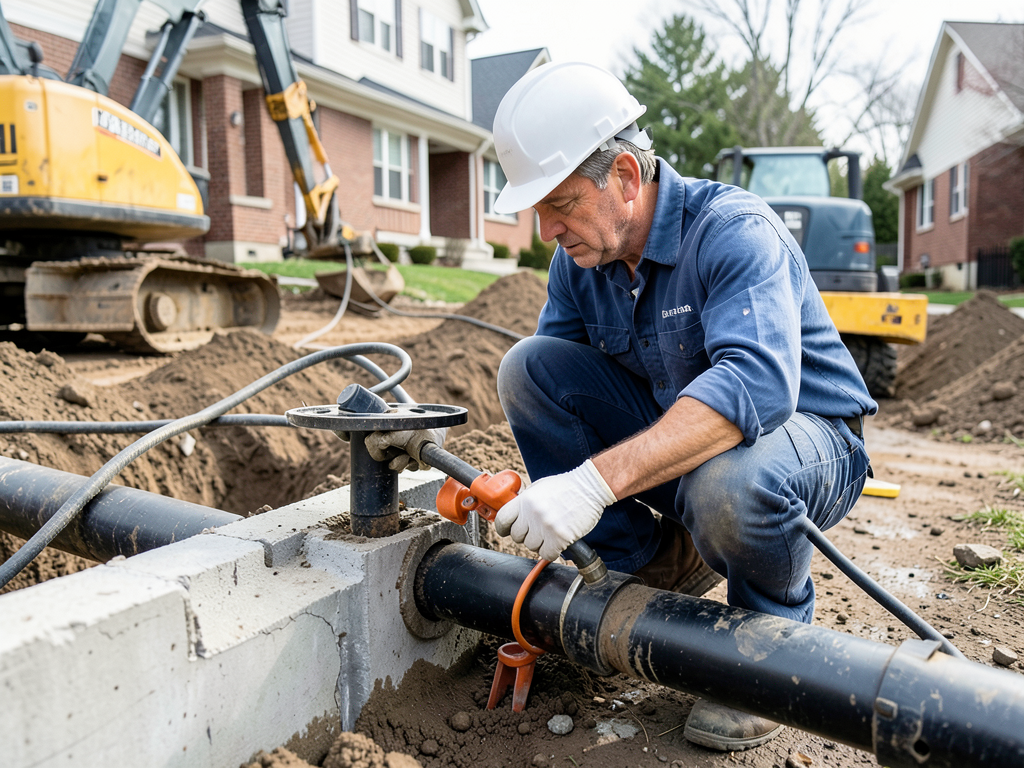
Diagram showing how a backwater valve prevents sewage backflow during system surcharge events.
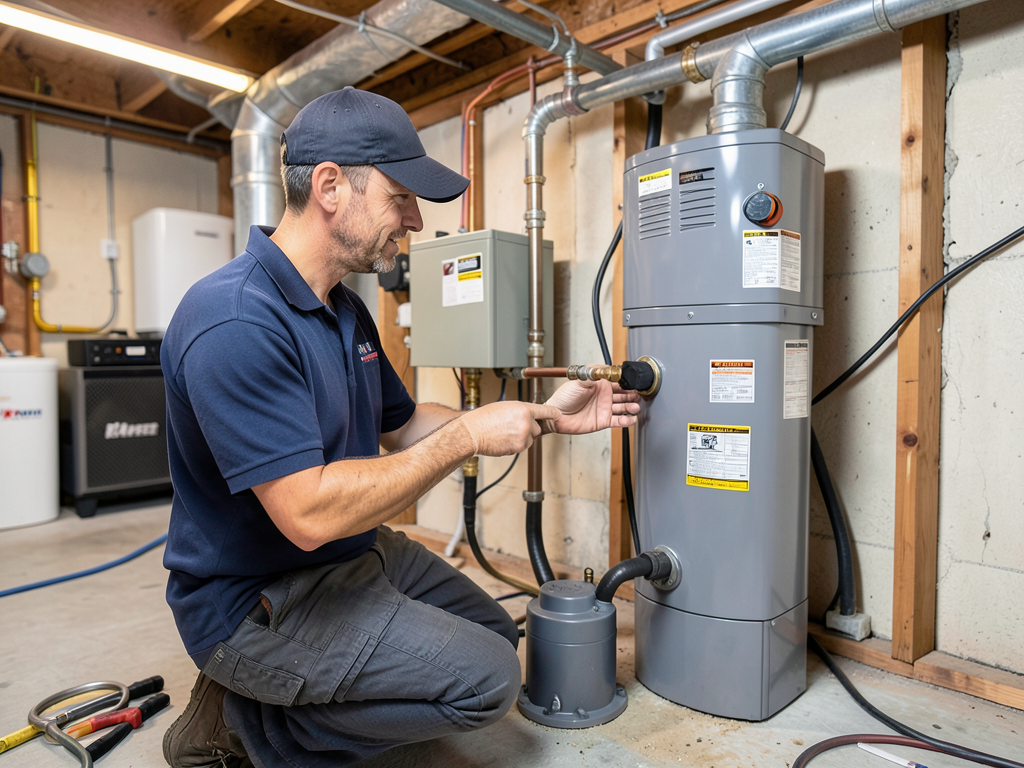
Technician installing a sump pump with battery backup system in a Detroit basement.
Cross-section view of a typical Detroit bungalow foundation showing drainage paths and potential entry points for groundwater.
Take Action Today
Detroit’s Basement Backup Protection Program offers a valuable opportunity to protect your home from sewage backups at no cost to you. If you live in one of the priority neighborhoods, don’t wait for the next heavy rainstorm to discover your vulnerability. The application process is straightforward, and the protection provided could save you thousands in potential damage costs.
Even if you’re not currently eligible, understanding your flood risk and taking preventive measures makes sense. Simple steps like maintaining your plumbing, improving exterior drainage, and considering private installation of protective devices can significantly reduce your risk of basement flooding.
Water damage emergencies don’t follow a convenient schedule. When they strike, having a plan and knowing who to call can make the difference between a manageable cleanup and a catastrophic loss. Keep the contact information for reliable restoration services readily available, and consider having a battery backup system for your existing sump pump if you have one.
Call (313) 572-5559 today to schedule your inspection and take the first step toward protecting your home from basement backups. Don’t let the next storm become your nightmare.
Additional Resources
The Detroit Water and Sewerage Department provides comprehensive information about the Basement Backup Protection Program, including eligibility maps, application forms, and program updates. Their website offers the most current information about program phases and neighborhood targeting.
The Great Lakes Water Authority publishes reports on regional water infrastructure challenges and improvement projects. These documents provide context for understanding the scale of combined sewer overflow issues affecting Detroit and surrounding communities.
Local plumbing associations offer guidance on private installation of protective devices for homeowners outside program areas. While these installations aren’t free, they provide similar protection against sewer backups and groundwater intrusion.
Insurance companies specializing in Michigan properties can advise on coverage options for water damage and sewer backup protection. Understanding your coverage before an incident occurs helps you make informed decisions about additional protection measures.