
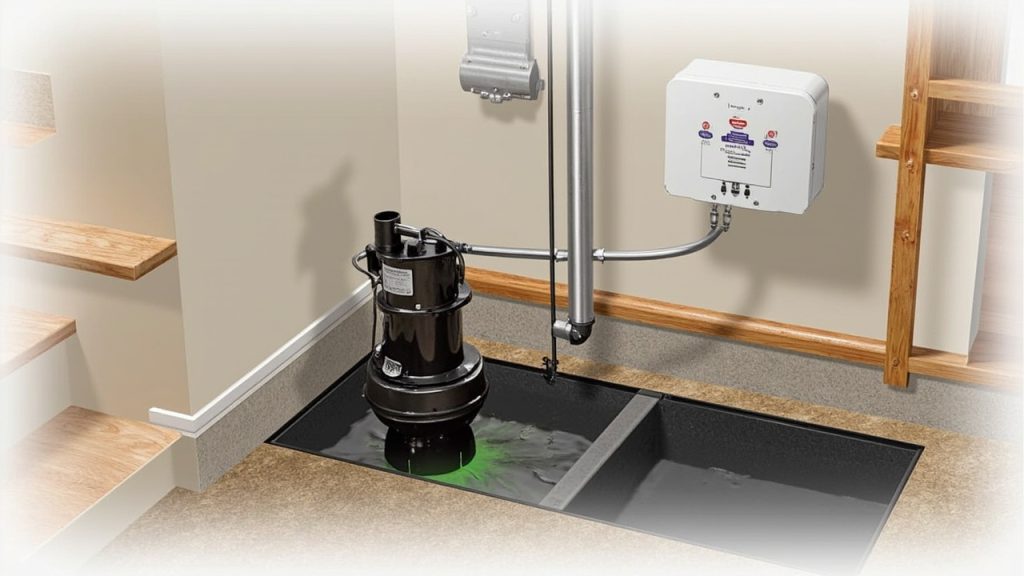
Your primary sump pump works great right up until the moment you need it most, which is usually during a power outage in the middle of a heavy spring thunderstorm. In Canton Township, where finished basements are the norm across subdivisions like Cherry Hill Village and Bartlett Ridge, a flooded lower level can mean tens of thousands in damages. A backup sump pump is the single most cost-effective layer of protection you can add to your home.
This guide covers what actually matters when you are choosing a backup system, based on real installations across Southeast Michigan homes, not manufacturer spec sheets.
Why Canton Basements Face a Higher Flooding Risk Than Most People Expect
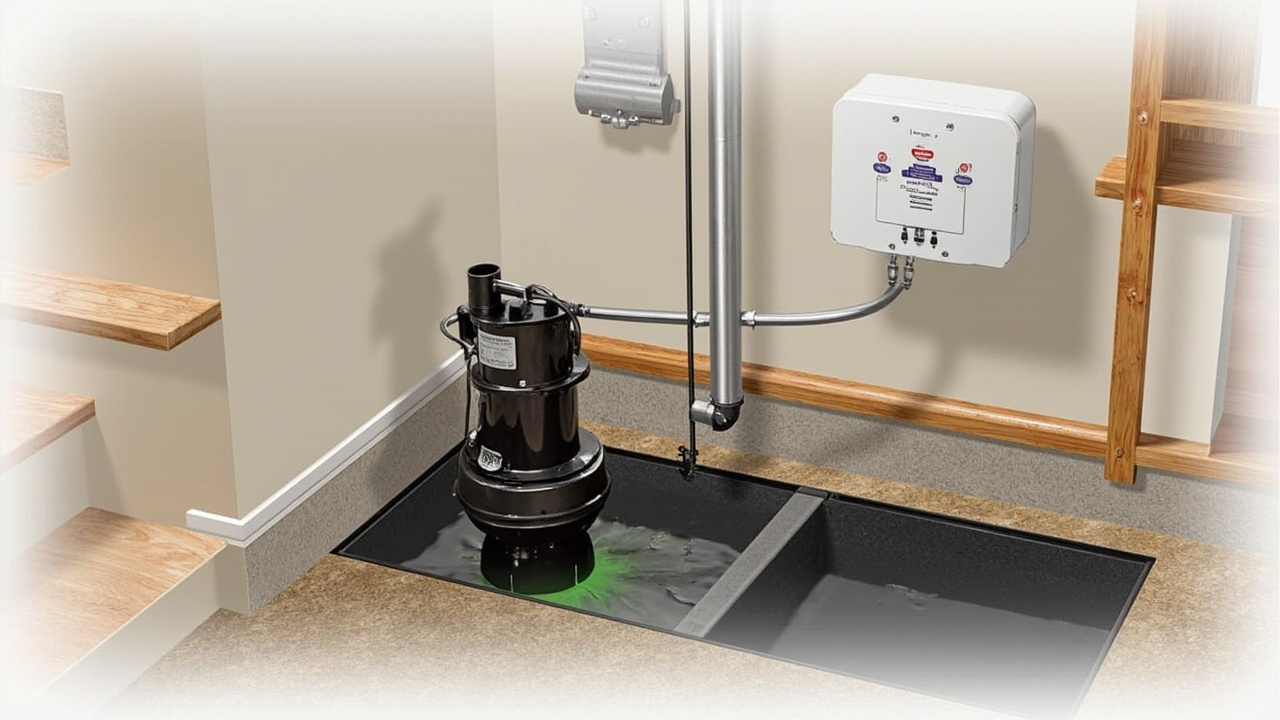
Canton sits on a mix of clay-heavy soil and glacial till, which is common throughout Wayne and Washtenaw counties. That clay does not drain well. When snow melts fast in late February and March, or when a summer flash event drops two inches of rain in under an hour, the groundwater table rises faster than most primary pumps can handle alone.
The Michigan Department of Environment, Great Lakes, and Energy has documented repeated basement flooding events across Metro Detroit tied directly to overwhelmed storm sewer systems and saturated soils. In neighborhoods near Upper and Lower River Rouge, water simply has nowhere to go quickly.
There is also the issue of power loss. Canton uses overhead utility lines through much of its residential grid. A single severe thunderstorm routinely knocks out power to hundreds of homes for four to twelve hours. Your primary pump goes silent. Groundwater keeps rising. Without a backup system, your finished basement absorbs the difference.
If you have already dealt with a flooded lower level, you know how fast the damage spreads. Our team covers flooded basement cleanup across Metro Detroit communities, and we can tell you from experience that the cost of a good backup pump is a fraction of what a single flood event costs to remediate.
Battery Backup vs. Water-Powered Backup Systems for Michigan Homes
There are two main types of backup sump pumps. Both work, but they serve different needs. Knowing the difference before you buy saves you frustration and money.
Battery Backup Sump Pumps
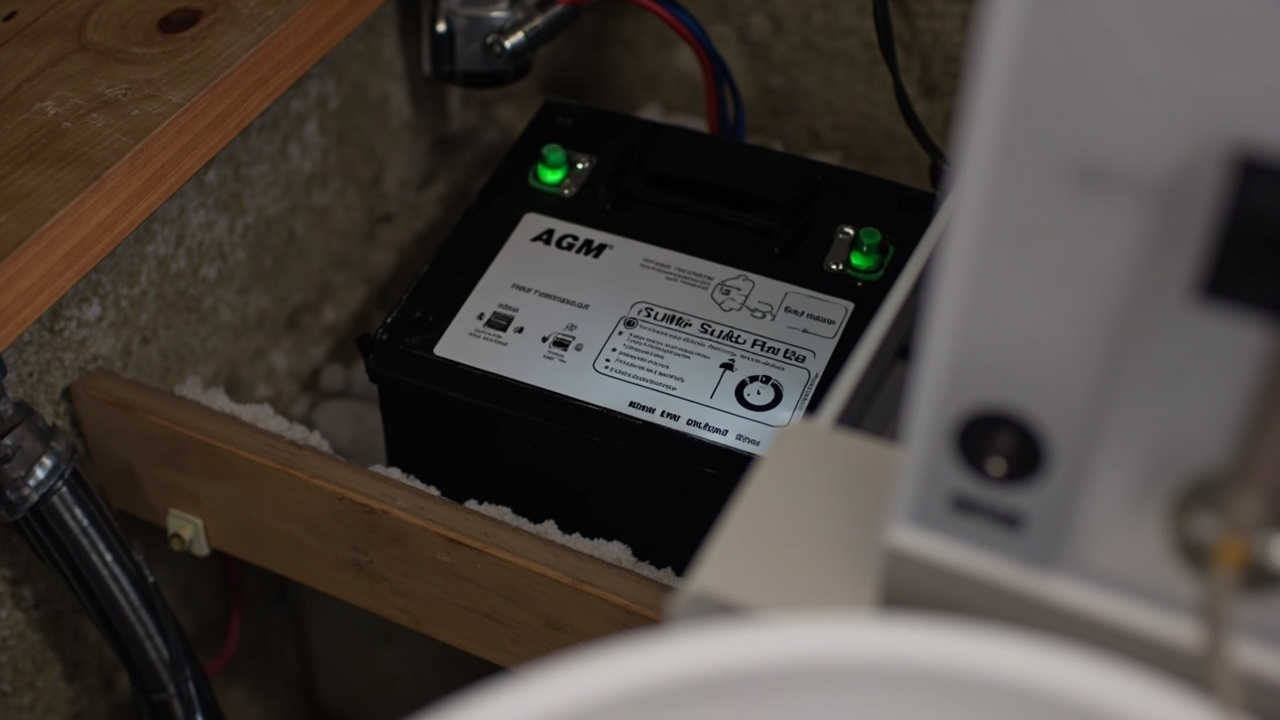
A battery backup pump sits alongside or above your primary pump in the sump pit. It connects to a dedicated battery, typically either an AGM (Absorbed Glass Mat) battery or a deep-cycle marine battery. When the primary pump fails or loses power, a dual float switch activates the backup automatically.
Battery units pump anywhere from 1,000 to 2,800 gallons per hour at zero feet of lift. Realistic performance at a 10-foot head pressure, which is typical for most Metro Detroit basements, drops that number by 30 to 50 percent. AGM batteries are the better choice for Michigan homes because they tolerate temperature swings better than standard lead-acid units and require zero maintenance between charges.
Run time on a fully charged battery ranges from four to twelve hours depending on how hard the pump cycles. During a long outage with heavy groundwater intrusion, some homeowners with high water tables in areas like Westland or Inkster have seen batteries run down in under six hours. Battery backup systems need a functional GFI outlet and a working charging circuit to stay ready.
Water-Powered Backup Sump Pumps
A water-powered system like those made by Basepump uses municipal water pressure to create suction through a venturi valve, pulling water out of the pit without any electricity or battery. No power outage stops it. No dead battery leaves you exposed.
The trade-off is flow rate and water consumption. Water-powered units typically move 1,000 to 1,300 gallons per hour under normal municipal pressure, and they consume about one gallon of city water for every two gallons they remove from your pit. If your home sits in an area of Canton with lower line pressure, performance drops further.
Another factor to consider is the Detroit Water and Sewerage Department (DWSD) service area rules and local plumbing codes. Some municipalities require a specific backflow preventer on water-powered pump installations. Check with your local building department before installing one yourself.
Comparing the Top Backup Sump Pump Options for Metro Detroit Basements
Based on units we have seen installed and serviced across Canton, Northville, Plymouth, and Belleville, here is how the main contenders stack up.
| Model | Type | GPH at 0 ft Lift | GPH at 10 ft Lift | Battery Type | Estimated Run Time | Alarm Included |
|---|---|---|---|---|---|---|
| Zoeller Aquanot 508 | Battery Backup | 2,580 GPH | 1,380 GPH | AGM or Deep Cycle | 6 to 11 hrs | Yes |
| Wayne ESP25 | Battery Backup | 3,000 GPH | 1,800 GPH | AGM recommended | 5 to 10 hrs | Yes |
| Liberty Pumps 441 | Battery Backup | 2,200 GPH | 1,300 GPH | AGM | 4 to 8 hrs | Yes |
| Watchdog Big Dog PHCC Pro | Battery Backup | 3,900 GPH | 2,200 GPH | AGM | 7 to 13 hrs | Yes |
| Basepump RB750 | Water-Powered | 1,260 GPH | 750 GPH | None | Unlimited (municipal water) | No |
For most finished basements in Canton subdivisions with a standard 6 to 8 inch discharge line and typical groundwater intrusion, the Zoeller Aquanot 508 or the Wayne ESP25 give you the best balance of flow rate, battery chemistry, and alarm features. The Watchdog Big Dog is worth the upgrade if your pit sees high volume during spring thaw events.
What the Iron and Clay in Michigan Soil Do to Your Equipment
This is something you will not read in a product brochure. Southeast Michigan groundwater carries elevated iron content. Over time, that iron deposits inside check valves, discharge lines, and float switches. Pumps that work flawlessly in other parts of the country fail faster here because of it.
Choose a backup pump with a stainless steel or cast-iron submersible body rather than a plastic housing. The Zoeller and Liberty Pumps lines use cast-iron construction that holds up much better to the mineral load in our local water. Plastic float switches, on the other hand, tend to stick or corrode after a few seasons in a high-iron environment. Dual mechanical float switches outperform electronic sensors in this regard.
Clay soil also means your primary pump cycles more frequently during wet periods. A backup system that runs secondary to a frequently cycling primary pump needs a charging circuit that keeps pace. If your primary pump cycles more than eight times per hour during peak events, look for a battery backup charger rated at 15 amps or higher so the backup battery stays ready.
Technical Specs That Actually Matter When You Are Comparing Units
| Specification | What to Look For | Why It Matters in Metro Detroit |
|---|---|---|
| GPH at 10 ft Head Pressure | 1,200 GPH minimum | Most Canton basements have 8 to 12 ft of total discharge line rise |
| Battery Chemistry | AGM preferred | AGM handles temperature variance better in Michigan garages and basements |
| Charging Time (Dead to Full) | Under 24 hours | Multi-day outages from ice storms require fast recharge between events |
| Float Switch Type | Mechanical dual float | Resists iron fouling better than electronic sensors in local groundwater |
| Pump Housing Material | Cast iron or stainless | Plastic degrades faster in high-mineral Michigan groundwater |
| Alarm System | Audible and monitoring capable | Alerts you before water reaches finished floor level |
| Check Valve Compatibility | Inline or integrated | Prevents backflow into pit during pump off cycles |
Installation Factors Canton and Canton Township Homeowners Should Know
A backup sump pump is only as good as its installation. We have seen brand-new units fail during their first real storm because of avoidable installation errors.
- The backup discharge line must connect to the primary discharge line downstream of the primary pump’s check valve, or run a separate line to daylight. Connecting it upstream causes backflow into the pit.
- The battery must be positioned off the basement floor in areas prone to any moisture. A simple shelf or battery box keeps it out of the water line.
- A dedicated GFI outlet within reach of the charger is required by most local electrical codes. Do not run the charger on an extension cord.
- If you are installing a water-powered backup, a cross-connection backflow preventer is required under EPA drinking water protection guidelines and local plumbing code to keep sump water from contaminating your potable supply.
- The backup float switch must be set higher than the primary pump float so the backup only activates when the primary fails, not as a first-response pump.
If your basement has previously had sewage backup issues, a backup sump pump alone is not the full solution. Sewage intrusion requires different intervention. Our guide on sewage backup cleanup in Detroit walks through the immediate steps when that happens.
Seasonal Maintenance That Keeps Your Backup Ready When You Need It
A backup pump you installed and forgot about three years ago is not a backup. It is a false sense of security. Michigan’s seasonal swings demand a structured maintenance routine.
Run this checklist twice a year, once before spring thaw season in late February and once before fall storm season in September.
- Pour a bucket of water into the sump pit slowly and confirm the backup float activates the pump.
- Check the battery charge level. AGM batteries self-discharge and need to be at or above 12.6 volts at rest to provide full run time.
- Inspect the check valve on the backup discharge line for debris or mineral buildup from iron-heavy water. A stuck check valve causes the pump to work against backpressure and cuts your effective GPH significantly.
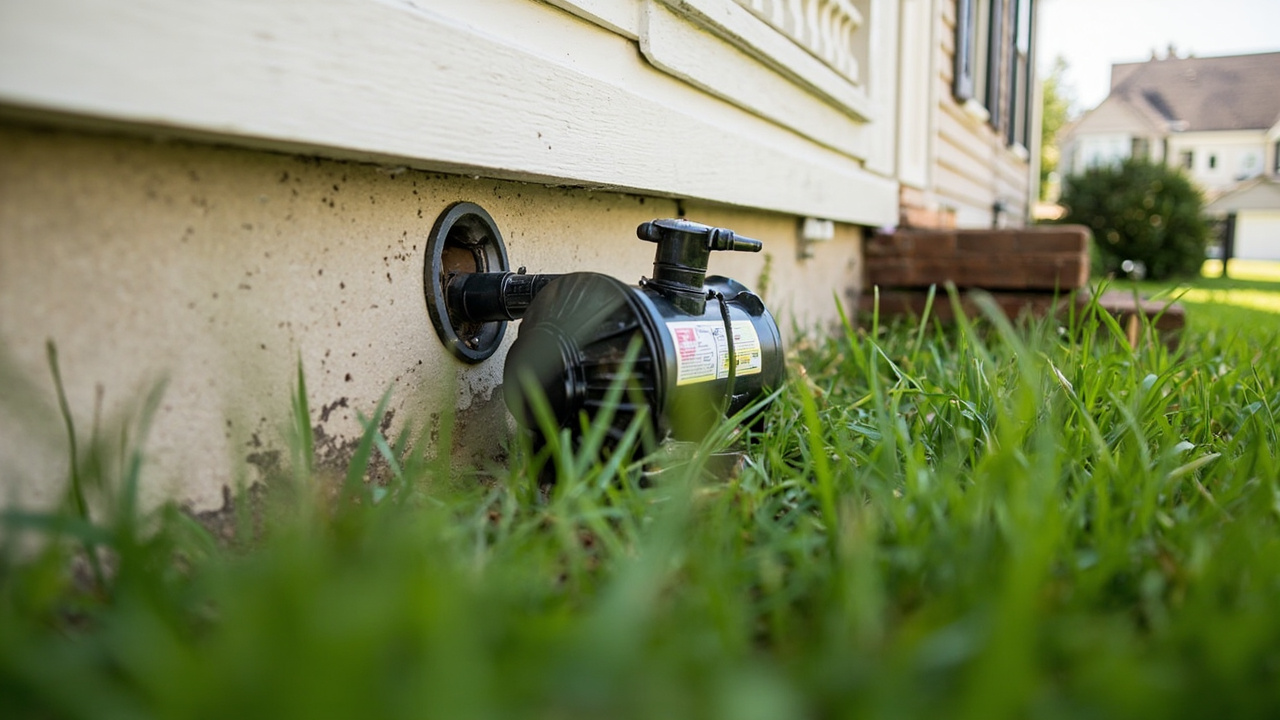
- Clear the discharge line exit point outside the foundation. Frozen or clogged outlets are a frequent failure point in Michigan winters.
- Test the alarm by manually lifting the float trigger.
- Look for corrosion on battery terminals. Clean with a baking soda and water solution and apply dielectric grease.
- Replace AGM batteries every three to five years regardless of appearance. A battery that looks fine can fail under load.
Skipping this maintenance is how homeowners in Royal Oak, Grosse Pointe, and throughout Wayne County end up with a flooded finished basement even though they thought they were protected. If mold develops before you catch a leak, you will want to review what goes into mold remediation in Metro Detroit homes before attempting to handle it yourself.
Matching the Right Pump to Your Basement and Risk Profile
Not every Canton basement needs the same solution. Here is a straightforward way to match the right backup system to your situation.
If your basement is finished with drywall, flooring, and mechanicals, and sits in a subdivision with known groundwater issues, go with a high-capacity battery backup like the Wayne ESP25 or the Watchdog Big Dog. The higher GPH at head pressure gives you a meaningful cushion during peak events.
If your primary pump already handles most storms without issue and you mostly want protection during power outages, the Zoeller Aquanot 508 is a well-proven, appropriately sized unit for a standard Canton basement footprint.
If your water pressure from the municipal supply is consistent and you want a truly unlimited-runtime backup that requires zero electricity, a Basepump water-powered unit added as a second layer of backup alongside a battery unit gives you redundancy no single system can provide.
If your sump pit also handles any degree of water that could be contaminated by surface runoff or drain tile that connects to areas with organic material, know that any flooding that reaches your finished floor should be evaluated professionally. Our team handles flooded basement cleanup across Metro Detroit and can assess whether water damage has created conditions that require professional drying and treatment rather than a shop vac and a fan.
A backup sump pump is not a complicated purchase, but the wrong choice or a poor installation will fail at the worst possible time. Get the right unit for your basement’s actual risk profile, install it correctly, and test it before the first major storm of the season. That is the whole plan.
If you are dealing with water damage right now or want a professional to evaluate your current sump system setup, contact our team. We work throughout Canton, Plymouth, Northville, Westland, and the broader Metro Detroit area and can help you figure out exactly where your current setup leaves you exposed.
{
“@context”: “https://schema.org”,
“@type”: “BlogPosting”,
“headline”: “Picking the Best Backup Sump Pump to Keep Your Canton Basement Dry”,
“description”: “Canton homeowners, find the right backup sump pump before the next storm hits. Expert advice on battery vs. water-powered systems for Metro Detroit basements.”,
“wordCount”: 2019,
“datePublished”: “2026-03-12T15:53:00.000Z”,
“dateModified”: “2026-03-12T15:53:00.000Z”,
“inLanguage”: “en-US”,
“mainEntityOfPage”: {
“@type”: “WebPage”,
“@id”: “https://ironwoodwaterdamagerestorationdetroit.com”
},
“publisher”: {
“@type”: “LocalBusiness”,
“name”: “Ironwood Water Damage Restoration Detroit”,
“url”: “https://ironwoodwaterdamagerestorationdetroit.com”
},
“author”: {
“@type”: “Organization”,
“name”: “Ironwood Water Damage Restoration Detroit”,
“url”: “https://ironwoodwaterdamagerestorationdetroit.com”
},
“image”: {
“@type”: “ImageObject”,
“url”: “https://ironwoodwaterdamagerestorationdetroit.com/wp-content/uploads/2026/03/picking-the-best-backup-sump-pump-to-keep-your-can-1.jpg”
}
}
{
“@context”: “https://schema.org”,
“@type”: “LocalBusiness”,
“name”: “Ironwood Water Damage Restoration Detroit”,
“url”: “https://ironwoodwaterdamagerestorationdetroit.com”,
“address”: {
“@type”: “PostalAddress”,
“addressLocality”: “Detroit”
},
“areaServed”: {
“@type”: “City”,
“name”: “Detroit”
}
}
{
“@context”: “https://schema.org”,
“@type”: “BreadcrumbList”,
“itemListElement”: [
{
“@type”: “ListItem”,
“position”: 1,
“name”: “Home”,
“item”: “https://ironwoodwaterdamagerestorationdetroit.com”
},
{
“@type”: “ListItem”,
“position”: 2,
“name”: “Blog”,
“item”: “https://ironwoodwaterdamagerestorationdetroit.com/blog”
},
{
“@type”: “ListItem”,
“position”: 3,
“name”: “Picking the Best Backup Sump Pump to Keep Your Canton Basement Dry”
}
]
}
{
“@context”: “https://schema.org”,
“@type”: “Service”,
“serviceType”: “Water Damage Restoration”,
“provider”: {
“@type”: “LocalBusiness”,
“name”: “Ironwood Water Damage Restoration Detroit”,
“url”: “https://ironwoodwaterdamagerestorationdetroit.com”
},
“areaServed”: {
“@type”: “City”,
“name”: “Detroit”
},
“description”: “Canton homeowners, find the right backup sump pump before the next storm hits. Expert advice on battery vs. water-powered systems for Metro Detroit basements.”
}