
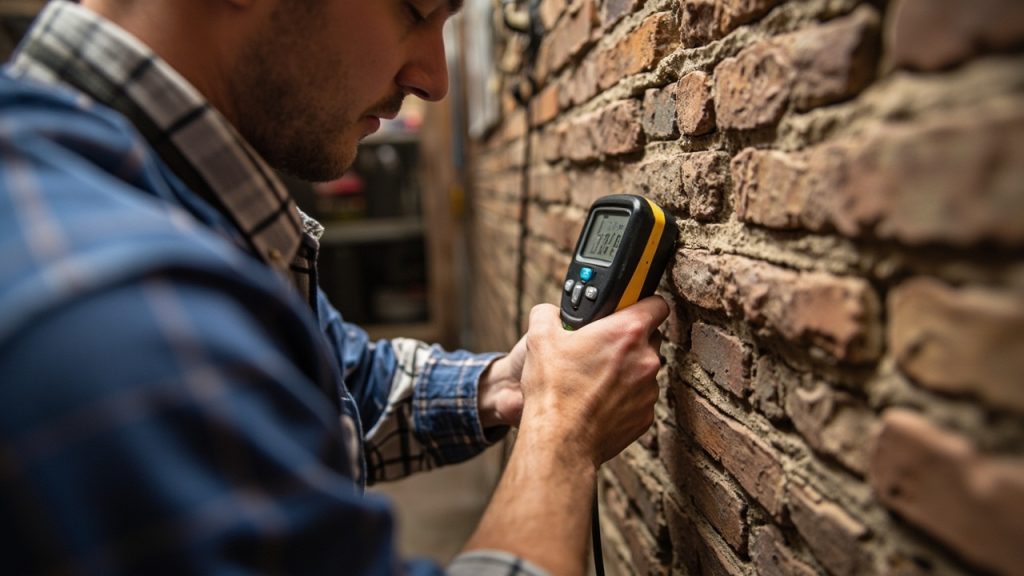
Water damage history is one of the fastest ways to kill a home sale in Detroit. Buyers get the inspection report, see evidence of past flooding or mold, and suddenly the deal is in jeopardy. It does not have to go that way.
Whether you dealt with a backed-up sewer line in Grandmont Rosedale, a sump pump failure in Corktown, or a basement flood in Jefferson-Chalmers, the same principles apply. What you do before listing, how you document the work, and what you disclose all determine whether your buyer stays or walks.
This guide covers the financial reality, the legal requirements under Michigan law, and the practical steps that keep your deal from falling apart.
What Detroit Buyers See When They Find Water Damage History
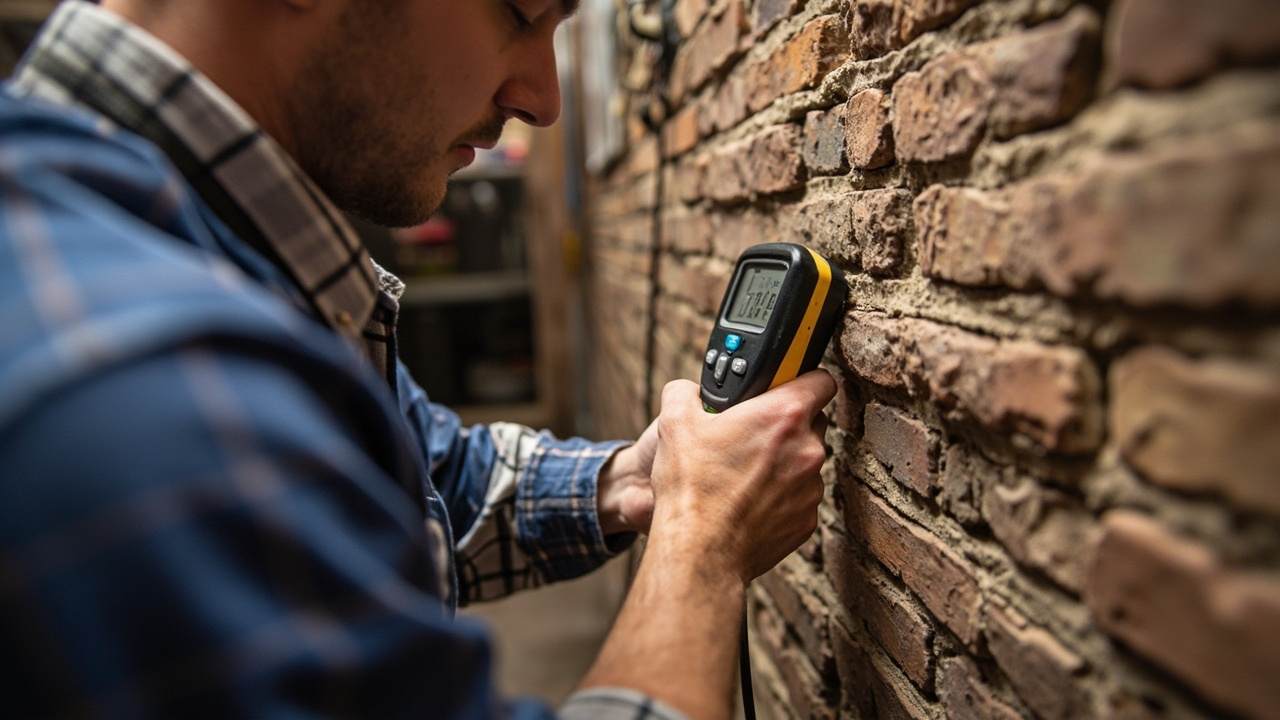
A home inspector in Wayne County is trained to spot the signs. Staining on basement walls. Efflorescence on block foundations. Moisture readings in drywall near the floor. Soft subfloor near a bathroom or laundry room. Even if you dried the home out years ago, the evidence often remains.
When a buyer’s inspector flags these issues, your buyer has two reactions. They either ask for a price reduction, request repairs before closing, or walk entirely. In Detroit’s current market, buyers have enough options that they will not wait around for an unclear situation.
The fix is not hiding the damage. The fix is getting ahead of it with documentation, proper remediation, and honest disclosure. Buyers respond to transparency backed by proof far better than they respond to silence.
Michigan Disclosure Laws and What Detroit Sellers Must Reveal
Michigan’s Seller Disclosure Act requires you to disclose known material defects in writing before your buyer makes an offer. Water damage, flooding history, and mold fall squarely under this requirement.
Specifically, the Michigan Seller Disclosure Act requires sellers to answer questions about basement seepage, water infiltration, roof leaks, and any known mold or fungal growth. You fill out the Seller’s Disclosure Statement, and you must answer truthfully based on your actual knowledge.
Failing to disclose can expose you to post-closing litigation. Buyers who discover undisclosed water damage after closing have sued sellers in Wayne County civil court for misrepresentation. That cost is almost always higher than what you would have lost on price by being upfront.
Important distinction: you disclose what you know. If you had the damage professionally remediated by an IICRC-certified restoration company and you have the documentation, you disclose the history and provide the remediation records. That combination gives buyers something to evaluate rather than something to fear.
What Goes on the Disclosure Form
- Any past flooding or water intrusion in the basement, crawl space, or living areas
- Known roof leaks or ice dam damage (common in Detroit winters)
- Past sump pump failures or drainage system issues
- Any mold or fungal growth you observed or had tested
- Sewer backup history, which is a real issue given Detroit’s aging combined sewer overflow system
- Any structural repairs tied to water damage, including foundation crack sealing or joist replacement
If you are unsure whether something needs to be disclosed, disclose it. Your real estate attorney can advise on specific language, but when in doubt, transparency protects you.
The Real Financial Impact of Water Damage on Detroit Property Values
Unaddressed water damage typically reduces a home’s market value between 10% and 30%, depending on severity and location. In Midtown Detroit, where prices are higher, that gap in dollar terms is significant. In neighborhoods like East English Village or Bagley, even a smaller percentage loss can make or break your net proceeds.
The table below shows how remediation status affects both value and time on market based on current Detroit market patterns.
| Property Condition | Estimated Value Impact | Avg. Days on Market | Buyer Pool |
|---|---|---|---|
| Fully remediated with documentation | Minimal to no reduction | Near market average | Conventional, FHA, VA buyers |
| Remediated but no documentation | 5% to 15% reduction common | Longer due to negotiation | Conventional buyers with higher down payment |
| Visible damage, not remediated | 15% to 30% or more reduction | Significantly extended | Cash buyers and investors primarily |
| Sold as-is with known damage | 20% to 40% below market | Often faster close, lower price | Cash buyers only |
The math is usually clear. Professional remediation costs money upfront, but the return on that investment through price preservation and a broader buyer pool almost always outweighs selling as-is to a cash buyer at a steep discount.

Restore and List vs. Sell As-Is — Choosing the Right Path
This is the decision most Detroit sellers spend the most time on. There is no single right answer. It depends on the severity of the damage, your timeline, your financial position, and your target buyer.
| Factor | Restore and List on MLS | Sell As-Is to Cash Buyer |
|---|---|---|
| Upfront cost | Higher (remediation + repairs) | None |
| Net sales price | Closer to or at market value | Substantially below market |
| Time to close | Standard 30 to 60 days after listing | Often 7 to 21 days |
| Financing eligibility | FHA, VA, conventional loans available | Cash only in most cases |
| Inspection risk | Low with proper documentation | Buyers expect damage, price reflects it |
| Best for | Sellers who have time and equity | Sellers needing speed above all else |
If you have active mold growth, compromised structural members, or Category 3 sewage contamination, remediation is not optional from a buyer’s lender perspective. FHA and VA appraisers will flag those conditions and the loan will not close. In those cases, you either remediate or accept that your buyer pool is limited to cash.
How Detroit’s Infrastructure Creates Specific Water Damage Patterns
Detroit’s combined sewer overflow system is one of the oldest in the country. During heavy rain events, the system gets overwhelmed and sewage backs up through basement floor drains. This is a known issue in neighborhoods from Brightmoor to Sherwood Forest, and buyers in Wayne County know to ask about it.
If you experienced a sewage backup, that is a Category 3 water intrusion. It requires full decontamination, not just drying. Porous materials including drywall, insulation, and wood framing in the affected area must be removed. Surfaces require antimicrobial treatment. Air quality testing after the work confirms clearance.
Detroit’s freeze-thaw cycle is another driver. Pipes that froze and burst in January can cause hidden moisture damage inside walls for months before anyone notices. If you had a frozen pipe burst and did your own cleanup without moisture mapping equipment, there is a real chance you dried the surface but left elevated moisture levels inside the wall cavity.
That residual moisture is what turns into mold. And mold discovered at inspection is one of the most common reasons Detroit sales fall apart.
The Documentation Package That Keeps Buyers from Walking
Documentation is your sales tool. A buyer who sees a history of water damage paired with a complete professional remediation record has a fundamentally different emotional response than a buyer who sees damage history with no records at all.
An IICRC-certified restoration company produces documentation throughout the job. That paperwork is what you provide to your buyer. Here is what a complete remediation package should include.
- Initial moisture mapping report showing moisture readings at the time of discovery
- Work authorization and scope of work completed by the restoration contractor
- Daily moisture logs showing drying progress across the affected areas
- Clearance readings showing moisture levels returned to normal dry standard
- Air quality or mold clearance testing results if mold was present
- Photos from each phase of the job (demo, drying, rebuild)
- Warranty or completion documentation from the contractor
If your remediation involved mold, the clearance certificate from a third-party industrial hygienist or environmental testing company carries the most weight with buyers. It is an independent confirmation that the remediation was successful, not just the contractor saying their own work was good.
For mold situations specifically, review our guide on how mold removal is handled properly so you understand what the process should include and what documentation to expect.
Pre-Sale Damage Assessment — Start Here Before You List
Before you set a list price or call your real estate agent, get a professional assessment of the current condition. Not a contractor giving a bid. A diagnostic inspection that tells you what moisture levels look like now, whether any active issues remain, and what remediation scope would be needed if you choose to address it before listing.
This assessment also gives you accurate information for your Seller’s Disclosure Statement. You are disclosing based on your actual knowledge, and a professional moisture assessment updates that knowledge before you commit to anything in writing.
Common findings in Detroit pre-sale assessments include residual elevated moisture in basement block walls after past flooding, microbial growth inside wall cavities adjacent to plumbing, and deteriorated sump pump systems that are no longer functional. All of these are addressable. None of them have to kill your deal if you know about them ahead of time.
Basement Flooding History and What Buyers Are Really Asking About
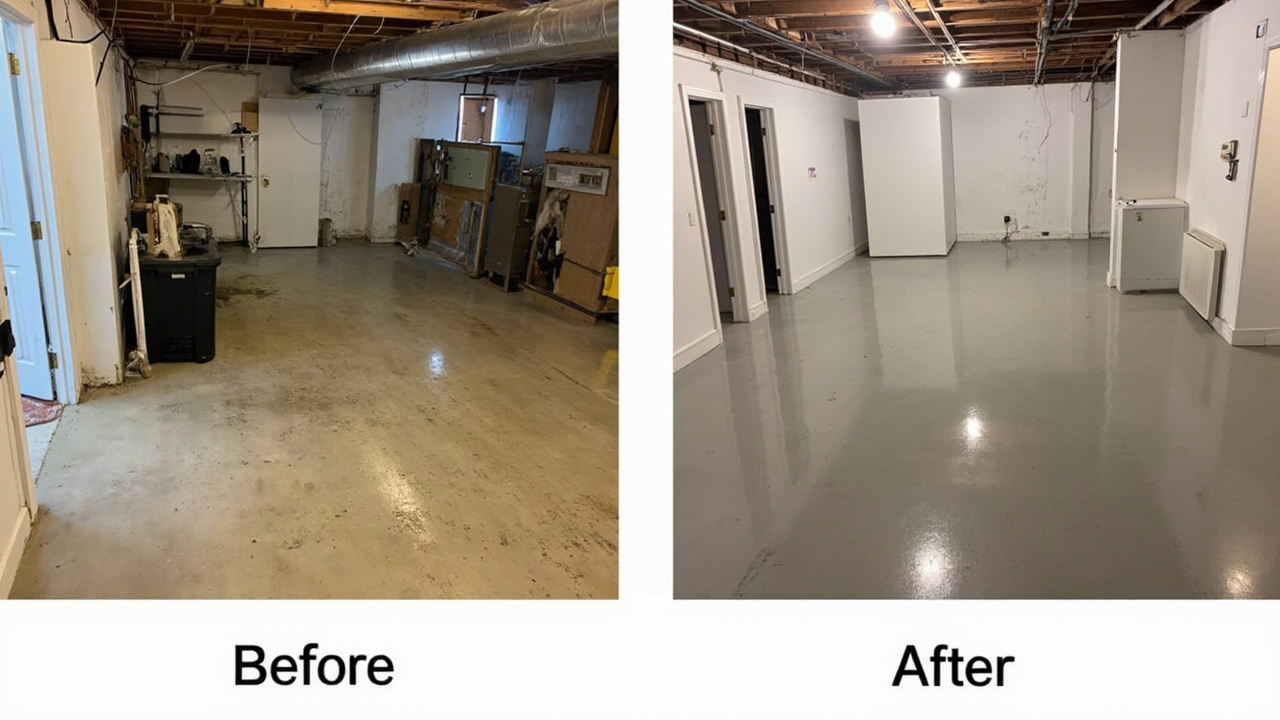
In Detroit, basement flooding is not rare. Buyers know this. What they want to understand is whether the problem is ongoing and whether the previous damage was handled correctly.
If you have had a flooded basement cleaned up professionally, that documentation from an IICRC-certified team is worth more to a nervous buyer than almost anything else you can offer. It shows the water was extracted, the space was dried to standard, and materials were replaced where needed.
For buyers who need to understand what professional basement cleanup involves, they can read about the professional flooded basement cleanup process in detail. Understanding the scope of proper remediation helps them evaluate whether what was done on your property meets that standard.
If your home is in Grosse Pointe or the surrounding area and you experienced a basement flood, the flooded basement cleanup process for Grosse Pointe properties covers what professional response looks like in that market specifically.
Sewage Backup Situations Require a Higher Standard
Sewage backup is the most serious category of water intrusion from a health and disclosure standpoint. Category 3 water contains pathogens, and improper cleanup creates ongoing contamination risk.
If your home experienced sewage backup through floor drains or toilets, standard drying is not enough. The sewage backup cleanup process in Detroit involves full decontamination protocols, not just water extraction and fans.
Buyers and their inspectors know the difference. If your remediation records show only drying equipment was used after a sewage event, that will raise questions. Make sure the work done matches the category of contamination you experienced.
Choosing the Right Restoration Partner Before You List
Not all restoration companies produce documentation at the same level. For pre-sale remediation, you need a company that follows the IICRC S500 standard for water damage restoration, conducts proper moisture mapping, and delivers a written clearance report at the end of the job.
Ask for their IICRC certification number. Ask who performs the moisture readings and whether they use thermal imaging alongside pin and pinless moisture meters. Ask whether they provide a written clearance report when the job is complete. A company that does all of this gives you a documentation package that holds up to buyer scrutiny and lender requirements.
Michigan does not require state licensing for water damage restoration work specifically, but IICRC certification is the industry standard that carries weight with buyers, real estate agents, and home inspectors in Wayne County.
What Buyers Need to Hear from You as the Seller
The conversation with your buyer should be straightforward. Yes, the home had water damage. Here is when it happened, here is what caused it, here is what was done to address it, and here is the documentation proving the work was completed to standard.
That narrative, backed by paperwork, is not a red flag. It is a green light. It tells a buyer that you are an honest seller who handled a common Detroit problem the right way.
Buyers who walk from fully remediated and documented damage are rare. Buyers who walk from undisclosed or poorly documented damage are common. The difference is entirely within your control before you list.
If you have water damage history and want to understand what professional remediation would involve before you commit to a listing strategy, reach out for a pre-sale damage assessment. We work with sellers across Metro Detroit, Wayne County, and surrounding communities to give you an accurate picture of what you are dealing with and what your best path forward looks like.
{
“@context”: “https://schema.org”,
“@type”: “BlogPosting”,
“headline”: “Selling a Detroit Home with Past Water Damage Without Losing Your Buyer”,
“description”: “Detroit sellers with past water damage: know your disclosure duties, restoration ROI, and exactly how to keep buyers from walking away.”,
“wordCount”: 2066,
“datePublished”: “2026-03-25T15:31:00.000Z”,
“dateModified”: “2026-03-25T15:31:00.000Z”,
“inLanguage”: “en-US”,
“mainEntityOfPage”: {
“@type”: “WebPage”,
“@id”: “https://ironwoodwaterdamagerestorationdetroit.com”
},
“publisher”: {
“@type”: “LocalBusiness”,
“name”: “Ironwood Water Damage Restoration Detroit”,
“url”: “https://ironwoodwaterdamagerestorationdetroit.com”
},
“author”: {
“@type”: “Organization”,
“name”: “Ironwood Water Damage Restoration Detroit”,
“url”: “https://ironwoodwaterdamagerestorationdetroit.com”
},
“image”: {
“@type”: “ImageObject”,
“url”: “https://ironwoodwaterdamagerestorationdetroit.com/wp-content/uploads/2026/03/selling-a-detroit-home-with-past-water-damage-with-1.jpg”
}
}
{
“@context”: “https://schema.org”,
“@type”: “LocalBusiness”,
“name”: “Ironwood Water Damage Restoration Detroit”,
“url”: “https://ironwoodwaterdamagerestorationdetroit.com”,
“address”: {
“@type”: “PostalAddress”,
“addressLocality”: “Detroit”
},
“areaServed”: {
“@type”: “City”,
“name”: “Detroit”
}
}
{
“@context”: “https://schema.org”,
“@type”: “BreadcrumbList”,
“itemListElement”: [
{
“@type”: “ListItem”,
“position”: 1,
“name”: “Home”,
“item”: “https://ironwoodwaterdamagerestorationdetroit.com”
},
{
“@type”: “ListItem”,
“position”: 2,
“name”: “Blog”,
“item”: “https://ironwoodwaterdamagerestorationdetroit.com/blog”
},
{
“@type”: “ListItem”,
“position”: 3,
“name”: “Selling a Detroit Home with Past Water Damage Without Losing Your Buyer”
}
]
}
{
“@context”: “https://schema.org”,
“@type”: “Service”,
“serviceType”: “Water Damage Restoration”,
“provider”: {
“@type”: “LocalBusiness”,
“name”: “Ironwood Water Damage Restoration Detroit”,
“url”: “https://ironwoodwaterdamagerestorationdetroit.com”
},
“areaServed”: {
“@type”: “City”,
“name”: “Detroit”
},
“description”: “Detroit sellers with past water damage: know your disclosure duties, restoration ROI, and exactly how to keep buyers from walking away.”
}