

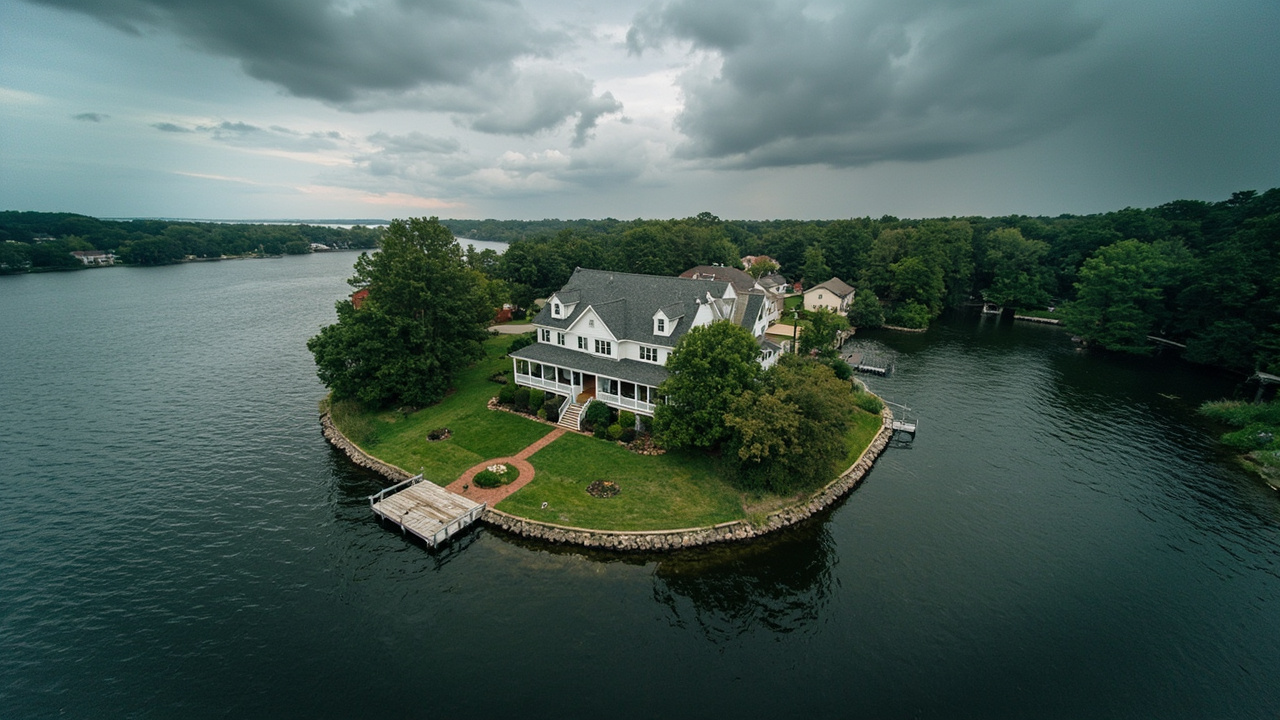
Grosse Ile sits on an island in the Detroit River. Your property is surrounded by water on all sides, your soil is dense Southeast Michigan clay, and your home ties into a regional sewer system that dates back decades. When a heavy storm hits Wayne County, you face two separate flooding threats at the same time — one coming from the ground up, and one coming from the city pipes in. A sump pump handles the first. A backwater valve stops the second. They are not interchangeable, and choosing only one leaves you exposed.

Why Grosse Ile Properties Face a Different Kind of Flood Risk
Most Metro Detroit homeowners think about flooding as a single problem. Grosse Ile residents deal with a layered one. The island’s waterfront location means hydrostatic pressure — the force of groundwater pushing against your foundation walls and floor slab — is a constant issue, not just a seasonal one. After a significant rain event, that clay soil becomes saturated quickly because it drains poorly. The water has nowhere to go except toward your basement.
At the same time, the combined sewer system serving much of Southeast Michigan carries both stormwater and sewage in the same pipe. During heavy rain, those pipes surcharge. Effluent backs up through the path of least resistance, which is often your basement floor drain or toilet. That is raw sewage in your living space. It is a Category 3 contamination event under IICRC S500 standards, and it requires professional remediation — not a shop vac and bleach.
The Detroit Water and Sewerage Department (DWSD) manages the regional infrastructure that serves communities including Grosse Ile. Understanding how that system behaves during peak load events is essential before you choose any flood protection device.
What a Backwater Valve Actually Does
A backwater valve — sometimes called a check valve — installs on your main sewer line where it exits the house. It contains a flap that sits open during normal flow. Sewage and greywater exit the house freely. When city sewer pressure reverses and effluent starts moving back toward your home, the flap closes automatically. The contaminated water cannot enter.
This device does one thing, and it does it well. It stops sewage backup from the municipal sewer line. It does not address groundwater. It does not drain a flooded sump pit. It does not protect your foundation from hydrostatic pressure. If your floor drain starts bubbling during a storm — one of the clearest warning signs that a sewer surcharge is happening — a properly installed backwater valve would have stopped that event before it started.
Backwater Valve Installation on Grosse Ile
Installation requires cutting into your main sewer line, typically in the basement floor. A licensed Michigan plumber should perform this work, and Wayne County building codes require a permit for the alteration. The valve itself needs periodic inspection — at minimum once a year — to confirm the flap seats properly and has not been fouled by grease or debris.
DWSD’s Basement Backup Protection Program has historically provided rebates to homeowners who install qualifying backwater valves. Check directly with DWSD for current program availability and eligibility requirements, as those terms can change seasonally.
What a Sump Pump System Actually Does
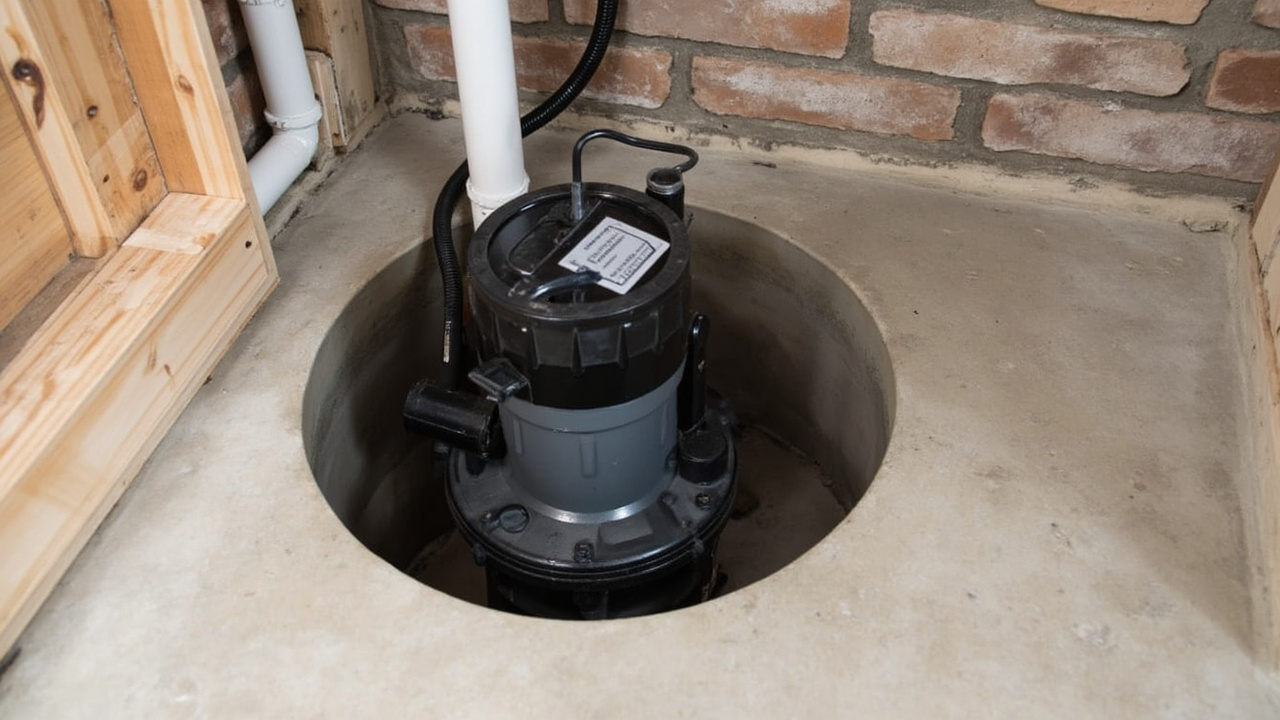
A sump pump lives in a pit — the sump pit — dug at the lowest point of your basement floor. Perimeter drain tile or weeping tile channels groundwater toward that pit. When the water level in the pit rises to a set point, a float switch triggers a submersible pump that evacuates the water through a discharge line, routing it away from the house.
On Grosse Ile, the clay soil means your sump pump is not a luxury. It is infrastructure. Southeast Michigan clay holds moisture and drains slowly, which means after significant rainfall, that hydrostatic pressure builds against your foundation for hours or even days after the rain stops. Without active pumping, that water will find a way in through foundation cracks, cold joints, or the slab itself.
Battery Backup Systems Matter More Here Than Elsewhere
Grosse Ile’s island geography creates a specific vulnerability. Power outages during storms are more common here than in mainland neighborhoods. A standard sump pump runs on AC power. If the power fails during the exact moment your sump pit is filling fastest, your pump is useless. A battery backup unit — or better, a combination system with a dedicated backup pump — keeps the pit draining even through an outage. Some homeowners on the island also add a water-powered backup that uses municipal water pressure as its energy source, eliminating battery maintenance entirely.
If your sump pump failed during a storm and your basement took on water, that situation calls for immediate professional response. Flooded basement cleanup in Grosse Pointe follows the same urgent timeline as Grosse Ile — extraction within the first few hours is critical to limiting structural damage and mold growth.
Side-by-Side Comparison for Grosse Ile Homeowners
| Feature | Backwater Valve | Sump Pump System |
|---|---|---|
| Primary Function | Blocks sewage backup from city sewer line | Removes groundwater collecting around foundation |
| Threat It Addresses | Combined sewer overflow (CSO) surcharges | Hydrostatic pressure, high water table, surface runoff |
| Installation Location | Main sewer line, typically in basement floor | Sump pit at lowest basement point |
| Requires Power | No (passive mechanical device) | Yes (recommend battery backup for Grosse Ile) |
| Maintenance Frequency | Annual inspection of flap and housing | Quarterly testing, annual pump inspection |
| Wayne County Permit Required | Yes | Typically yes for new pit installation |
| Insurance Benefit | May qualify for sewer backup rider discount | May reduce flood insurance premium with documentation |
| Handles Sewage Contamination | Yes — prevents it from entering | No — not designed for sewage ejection |
The Combined Sewer Problem That Makes Both Devices Necessary
Southeast Michigan’s combined sewer overflow (CSO) problem is well-documented at the regional planning level. The Southeast Michigan Council of Governments (SEMCOG) tracks infrastructure investment needs across Wayne, Oakland, and Macomb Counties. The bottom line for Grosse Ile homeowners is this: the pipes under your streets carry more water than they were designed to handle during significant rain events. That is not a criticism — it reflects decades of population growth and climate pattern shifts in the Great Lakes region.
When those pipes surcharge, two things happen simultaneously. Sewage backs up toward your basement (backwater valve stops this). Groundwater that cannot enter the overtaxed stormwater system saturates the soil around your foundation (sump pump handles this). These are two separate failure modes happening at once. Treating them as one problem — or assuming one device solves both — is the mistake that leads to a Category 3 cleanup event.
For context, the Jefferson-Chalmers neighborhood in Detroit and the Grosse Pointe drainage corridor have both experienced repeated flooding tied directly to this CSO dynamic. Grosse Ile’s position at the confluence of the Detroit River and Lake Erie runoff patterns puts it in a similarly vulnerable position.
Do You Need Both on Grosse Ile
In most cases, yes. Here is the clearest way to think about it.
- If you have ever seen your basement floor drain bubble, gurgle, or back up during a storm, you need a backwater valve. That bubbling is your first warning that sewage is reversing direction in your main sewer line.
- If your basement walls show efflorescence (white mineral deposits), crack seepage, or your sump pit fills quickly during rain, you need an active sump pump system with a reliable backup power source.
- If your home is a waterfront property — anywhere along the Grosse Ile perimeter — the water table proximity means hydrostatic pressure is a year-round concern, not just a spring issue.
- If your home was built before modern drainage standards were common in Wayne County, there is a good chance your existing protection is undersized for current storm intensity.
A sewage backup is not the same cleanup as a groundwater flood. If you have dealt with sewage entering your basement, read through our breakdown of what to do right now for sewage backup cleanup in Detroit — the contamination category matters for how the space is handled and what gets removed.
Cost Factors and What Drives Price Variation in Metro Detroit
| Cost Factor | Backwater Valve | Sump Pump System |
|---|---|---|
| What Drives Cost Up | Deep sewer line, concrete cutting in finished basement, older cast iron pipe | No existing pit, perimeter drain tile needed, battery backup addition |
| What Keeps Cost Down | Accessible unfinished basement, PVC main line, simple valve design | Existing pit in good condition, straightforward discharge path to exterior |
| Permit Cost Variable | Wayne County fees apply | Wayne County fees apply |
| Ongoing Annual Cost | Low (inspection only) | Moderate (pump testing, battery replacement every 3-5 years) |
| Potential Insurance Offset | Sewer backup rider savings | Flood coverage discount with documentation |
One factor specific to Grosse Ile: the island’s limited contractor access during peak storm season can affect scheduling and pricing. Plan installations in late summer or early fall before the heavy rain season begins in earnest.
What Happens When These Systems Are Not in Place
Water damage in a basement is not just a cleanup problem. It is a timeline problem. Within 24 to 48 hours of a water event, mold begins colonizing organic materials — drywall, wood framing, carpet backing. A basement that floods in the early morning hours can have visible mold growth starting by the following evening if it is not extracted and dried properly.
Sewage backup events are worse. The contamination level means all porous materials in the affected area — flooring, baseboards, drywall to the flood line — typically require removal. Personal items in contact with sewage are generally considered unsalvageable. This is not a situation where fans and dehumidifiers solve the problem. IICRC S500 protocols require containment, proper PPE, and certified technicians.
Mold is a secondary concern that follows both types of events. If you suspect mold growth has already started from a previous water event, the remediation process is distinct from the water damage cleanup itself. Our article on removing mold safely covers the remediation process in detail, including what containment looks like and when materials can be saved versus when they must go.
For homeowners further down the Wayne County corridor, the same principles apply. Professional flooded basement cleanup in Dearborn follows the same extraction and drying standards because the underlying soil and sewer infrastructure challenges are similar across the region.
Maintenance Tasks Grosse Ile Homeowners Can Do Themselves
You do not need a technician for every check. Here are maintenance steps you can handle on your own schedule.
For your backwater valve, locate the access cap in your basement floor (it should have a clean-out or inspection cover). Open it annually and check that the flap moves freely and shows no cracking or buildup. If you see debris or grease fouling the flap seat, a plumber needs to clean or replace the gate. Never ignore a flap that does not close fully — that is your only line of defense against sewage entry.
For your sump pump, pour a bucket of water into the pit quarterly to trigger the float switch and confirm the pump activates. Time how long it takes to evacuate the water — a significant drop in pumping speed signals a failing motor or a blocked discharge line. Check the discharge line exit point outside the house every spring for ice blockage, bird nests, or debris. Confirm your battery backup holds a charge by testing it under load at least once a year.
And remember — a sump pump working at capacity during a storm is doing exactly what it is designed to do. If you return home to find your pump overwhelmed and water on the floor, the problem is typically undersized capacity or a failed backup, not a broken pump. Either way, call for extraction immediately. The longer standing water sits, the deeper the restoration process goes. Winter events carry their own complications — a pipe burst during a freeze-thaw cycle can flood a basement even when the sump system is functioning correctly, as detailed in our guide to fixing the mess after a frozen pipe bursts in a Detroit home.
Getting the Right Protection in Place Before the Next Storm
Grosse Ile waterfront properties are genuinely beautiful, and they carry a specific set of responsibilities that most mainland Wayne County homes do not face. The combination of river proximity, clay soil, and regional sewer infrastructure means your basement protection needs to work on two separate fronts simultaneously.
A backwater valve stops the sewage line. A sump pump removes the groundwater. Together, they form the only complete defense for a property in your position. Install one without the other and you are exposed to the exact threat the missing device was designed to stop.
If you are already dealing with water in your basement — right now — do not wait. Call a water damage restoration team that understands Southeast Michigan’s infrastructure, has experience with Category 3 contamination events, and can respond fast enough to stop secondary damage from taking hold. The difference between a manageable extraction and a full basement gut often comes down to hours, not days.
{
“@context”: “https://schema.org”,
“@type”: “BlogPosting”,
“headline”: “Sump Pumps vs Backwater Valves for Grosse Ile Waterfront Properties (What Every Homeowner Needs to Know)”,
“description”: “Grosse Ile homeowners face unique flood risks. Learn how sump pumps and backwater valves protect your basement differently — and why most homes need both.”,
“wordCount”: 2188,
“datePublished”: “2026-03-05T07:25:00.000Z”,
“dateModified”: “2026-03-05T07:25:00.000Z”,
“inLanguage”: “en-US”,
“mainEntityOfPage”: {
“@type”: “WebPage”,
“@id”: “https://ironwoodwaterdamagerestorationdetroit.com”
},
“publisher”: {
“@type”: “LocalBusiness”,
“name”: “Ironwood Water Damage Restoration Detroit”,
“url”: “https://ironwoodwaterdamagerestorationdetroit.com”
},
“author”: {
“@type”: “Organization”,
“name”: “Ironwood Water Damage Restoration Detroit”,
“url”: “https://ironwoodwaterdamagerestorationdetroit.com”
},
“image”: {
“@type”: “ImageObject”,
“url”: “https://ironwoodwaterdamagerestorationdetroit.com/wp-content/uploads/2026/03/comparing-sump-pumps-and-backwater-valves-for-gros-1.jpg”
}
}
{
“@context”: “https://schema.org”,
“@type”: “LocalBusiness”,
“name”: “Ironwood Water Damage Restoration Detroit”,
“url”: “https://ironwoodwaterdamagerestorationdetroit.com”,
“address”: {
“@type”: “PostalAddress”,
“addressLocality”: “Detroit”
},
“areaServed”: {
“@type”: “City”,
“name”: “Detroit”
}
}
{
“@context”: “https://schema.org”,
“@type”: “BreadcrumbList”,
“itemListElement”: [
{
“@type”: “ListItem”,
“position”: 1,
“name”: “Home”,
“item”: “https://ironwoodwaterdamagerestorationdetroit.com”
},
{
“@type”: “ListItem”,
“position”: 2,
“name”: “Blog”,
“item”: “https://ironwoodwaterdamagerestorationdetroit.com/blog”
},
{
“@type”: “ListItem”,
“position”: 3,
“name”: “Sump Pumps vs Backwater Valves for Grosse Ile Waterfront Properties (What Every Homeowner Needs to Know)”
}
]
}
{
“@context”: “https://schema.org”,
“@type”: “Service”,
“serviceType”: “Water Damage Restoration”,
“provider”: {
“@type”: “LocalBusiness”,
“name”: “Ironwood Water Damage Restoration Detroit”,
“url”: “https://ironwoodwaterdamagerestorationdetroit.com”
},
“areaServed”: {
“@type”: “City”,
“name”: “Detroit”
},
“description”: “Grosse Ile homeowners face unique flood risks. Learn how sump pumps and backwater valves protect your basement differently — and why most homes need both.”
}