
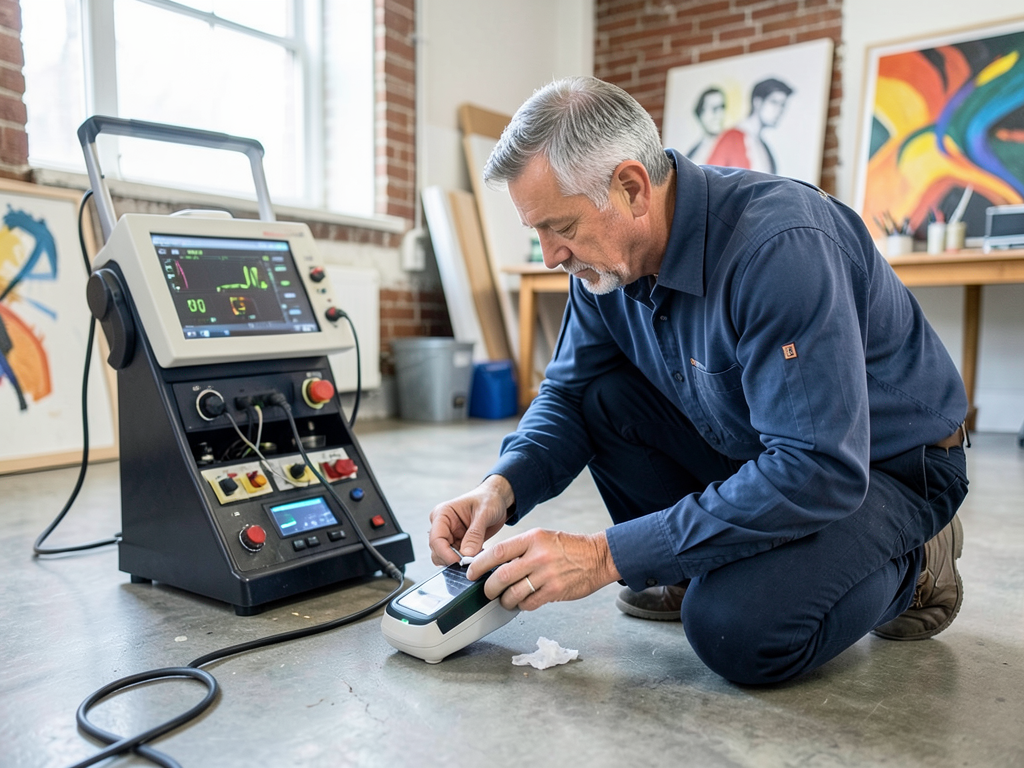
The Hidden Reason Your Corktown Art Studio Always Feels Damp in the Summer
Your Corktown art studio feels damp every summer because Detroit’s humid continental climate creates perfect conditions for moisture buildup in converted industrial spaces. The combination of high summer humidity from Lake Erie, poor ventilation in century-old brick buildings, and temperature swings causes condensation on cool surfaces where you store your equipment.. Read more about Managing Unexpected Humidity in Your New Ferndale Basement Apartment.
Detroit sits in a humid continental climate zone where summer dew points regularly climb above 65°F. When warm, moisture-laden air contacts cooler surfaces in your studio – like concrete floors, metal equipment cases, or even acoustic foam panels – condensation forms. This invisible moisture creates the damp feeling you notice and can damage sensitive art supplies and electronics over time. Water Damage Restoration Livonia.
Why Corktown Studios Are Especially Vulnerable
Corktown’s historic industrial buildings were constructed before modern HVAC systems existed. These structures feature thick masonry walls, limited insulation, and original single-pane windows that allow moisture transfer. Many studios occupy former warehouses or factories where ventilation was designed for manufacturing, not climate-controlled creative work.. Read more about Restoring Industrial Spaces and Warehouses in Eastern Market After Severe Flooding.
The neighborhood’s proximity to the Detroit River amplifies humidity problems. During summer months, prevailing winds carry moisture inland from Lake Erie, creating a microclimate that feels more tropical than typical Midwest. This effect is particularly noticeable in ground-floor studios and basement spaces common throughout Corktown’s converted industrial corridor. Flooded Basement Cleanup in Grosse Pointe Done Fast and Done Right.
The Science Behind Studio Humidity Problems
Relative humidity measures the amount of water vapor in air compared to what it can hold at that temperature. When RH exceeds 60%, problems begin. In Detroit summers, outdoor RH often reaches 70-80%, and without proper dehumidification, this moisture infiltrates your studio space.. Read more about Why Water Pools on the Flat Roof of Your Downtown Detroit Commercial Building.
Temperature stratification worsens the issue. Your studio might maintain 75°F air temperature, but concrete floors and metal equipment cases stay cooler. When humid air contacts these cooler surfaces, water vapor condenses into liquid. This process happens continuously throughout summer days and nights.
Common studio materials absorb this moisture like sponges. Acoustic foam panels can hold significant water weight. Canvas absorbs ambient moisture, causing expansion and contraction that affects tension. Electronic equipment housings develop condensation that corrodes internal components over time.
Detroit’s Climate Impact on Creative Spaces
Detroit experiences some of the most extreme seasonal humidity swings in the continental United States. Winter relative humidity can drop below 20% while summer levels exceed 80%. This 60-point swing creates constant expansion and contraction in building materials.
The freeze-thaw cycle characteristic of Southeast Michigan also affects studio buildings. Water that penetrates tiny cracks in masonry freezes and expands, creating larger openings over time. These gaps become pathways for humid summer air to enter your studio space.
Detroit’s combined sewer overflow system, managed by the Detroit Water and Sewerage Department, can back up during heavy summer storms. When this occurs, groundwater levels rise, increasing hydrostatic pressure against basement and ground-floor studio walls. This pressure forces moisture through even the smallest foundation cracks. EPA mold guidelines.
Warning Signs Your Studio Has Moisture Problems
Musty odors indicate active mold growth, which begins within 24-48 hours of moisture exposure according to EPA guidelines. If your studio smells earthy or damp, microscopic mold colonies are likely growing on organic materials like wood panels, paper, or fabric.
Condensation on windows, mirrors, or equipment cases appears as water droplets or fog. This visual cue means indoor humidity exceeds outdoor levels – a clear sign your studio needs better moisture control.
Wood panels, frames, or instruments may warp, cup, or develop cracks. Wood naturally expands when absorbing moisture and contracts when drying. The constant summer-winter moisture cycle causes stress that leads to permanent damage.
Electronic equipment may malfunction unexpectedly. Moisture corrodes circuit boards and connections. If your audio interface, computer, or lighting equipment behaves erratically during humid periods, internal moisture damage is likely occurring.
Moisture Control Solutions That Actually Work
Professional-grade dehumidifiers sized for your studio’s cubic footage provide the most reliable moisture control. A 1,000 square foot studio with 10-foot ceilings contains 10,000 cubic feet of air. You need a dehumidifier rated for at least that volume, preferably with continuous drainage capability. Professional Cleanup for Flooded Basements in Dearborn (What to Expect and Why It Matters).
Commercial-grade dehumidifiers remove 50-70 pints of water daily, compared to 20-30 pints for residential models. The higher capacity handles Detroit’s intense summer humidity more effectively. Models with built-in humidistats automatically maintain target humidity levels between 40-55%. How to Remove Mold Safely from Your Royal Oak Home.
Vapor barriers prevent ground moisture from entering basement studios. Heavy-duty polyethylene sheeting installed on floors and walls blocks water vapor transmission. This solution addresses the root cause rather than just treating symptoms.
Proper ventilation exchanges moist indoor air with drier outdoor air when conditions permit. Energy recovery ventilators (ERVs) transfer heat and moisture between incoming and outgoing air streams, maintaining temperature while controlling humidity.
Professional Assessment and Remediation
Moisture meters detect hidden water in walls, floors, and ceilings. Professional-grade meters use electromagnetic signals to measure moisture content without damaging surfaces. Readings above 15% indicate active moisture problems requiring intervention.
Infrared cameras reveal temperature differences that indicate moisture presence. Cool spots on thermal images often correspond to damp areas where evaporative cooling occurs. This technology identifies problems before visible damage appears.
Air quality testing measures mold spore counts and identifies specific species present. Elevated spore levels indicate active growth requiring remediation. Professional testing provides documentation useful for insurance claims or landlord negotiations.
Professional remediation follows IICRC S520 standards for mold removal. This process includes containment, removal of contaminated materials, cleaning of remaining surfaces, and verification testing. Proper remediation prevents recurrence and protects your health. IICRC S520 mold remediation standards.
Preventive Maintenance for Year-Round Protection
Seasonal HVAC maintenance ensures your heating and cooling systems operate efficiently. Dirty coils reduce dehumidification capacity. Low refrigerant levels prevent proper moisture removal. Annual professional service maintains optimal performance.
Inspect and clean gutters and downspouts before rainy seasons. Clogged drainage causes water to overflow and pool near building foundations. This moisture eventually finds its way inside through basement walls and floors.
Check weatherstripping and caulking around windows and doors annually. Replace deteriorated seals that allow humid air infiltration. This simple maintenance significantly reduces moisture entry points.
Monitor indoor humidity with a hygrometer. Digital models provide accurate readings and some include temperature and dew point measurements. Target 40-55% relative humidity for optimal comfort and equipment protection.
When to Call Professional Help
Call immediately if you discover active water intrusion, such as leaks, flooding, or standing water. Water spreads rapidly through porous materials and causes exponential damage over time.
Visible mold growth covering more than 10 square feet requires professional remediation according to EPA guidelines. Large mold areas indicate extensive moisture problems beyond DIY solutions.
Musty odors that persist after cleaning suggest hidden mold growth within walls or under flooring. Professional investigation with moisture meters and thermal imaging locates these concealed problems. Fixing the Mess After a Frozen Pipe Bursts in Your Detroit Home.
Electronic equipment failure during humid weather indicates moisture damage to sensitive components. Professional assessment determines whether repair or replacement is more cost-effective.
Structural concerns like warped floors, cracked walls, or ceiling stains require immediate professional evaluation. These symptoms often indicate serious moisture problems affecting building integrity.
Cost Considerations for Moisture Control
Professional dehumidification systems range from $1,500 to $5,000 installed, depending on studio size and system complexity. This investment typically pays for itself by preventing equipment damage and reducing energy costs.
Moisture barrier installation costs $3-7 per square foot for basement applications. While expensive upfront, barriers provide permanent protection against ground moisture intrusion.
Professional remediation services charge $15-25 per square foot for mold removal, with costs varying based on contamination extent and required containment measures.
Annual maintenance contracts for HVAC and moisture control systems typically cost $200-400, providing peace of mind and preventing costly emergency repairs.
Local Resources and Support
The Detroit Economic Development Corporation offers grants and low-interest loans for small business improvements, including climate control upgrades for creative spaces. Check their website for current programs targeting Corktown businesses.
Local building supply companies like Builders Wholesale in Dearborn stock commercial-grade moisture control equipment and provide expert advice specific to Detroit’s climate challenges.
The Detroit Building Authority maintains records of building code violations and permits, which can help identify potential moisture problems in your studio space.
Local HVAC contractors familiar with Corktown’s historic buildings understand the unique challenges of retrofitting modern systems into century-old structures.
Frequently Asked Questions
How much humidity is too much in my art studio?
Relative humidity above 60% creates conditions for mold growth and equipment damage. Target 40-55% for optimal protection of art supplies and electronics.
Can I use a residential dehumidifier in my commercial studio?
Residential dehumidifiers typically lack the capacity for large studio spaces and may fail prematurely under continuous heavy use. Commercial-grade units provide better reliability and efficiency.
How long does it take to dry out a damp studio?
Initial moisture reduction takes 24-72 hours with proper equipment. Complete drying and stabilization may require several weeks, depending on building construction and initial moisture levels.
Will moisture damage my expensive camera equipment?
Yes. Camera lenses, sensors, and electronic components are particularly vulnerable to humidity. Condensation can cause permanent damage to optical elements and electronic circuits.
Should I run my dehumidifier year-round?
In Detroit’s climate, dehumidifiers are most critical during summer months when outdoor humidity peaks. However, year-round operation may be necessary for basement studios or spaces with chronic moisture problems.
Take Action Before Your Equipment Suffers
Moisture damage happens gradually but accelerates once it begins. What starts as a slightly damp feeling can escalate to mold growth, warped materials, and ruined electronics within weeks. The cost of prevention is always less than the cost of restoration.
Professional assessment identifies specific vulnerabilities in your studio space and recommends targeted solutions. Generic advice doesn’t account for your building’s unique characteristics, your equipment’s specific requirements, or Detroit’s challenging climate.
Don’t wait until you discover mold colonies growing on your canvas or your audio interface fails during a crucial recording session. Early intervention prevents expensive damage and protects your creative work.
Call (313) 572-5559 today to schedule your studio moisture assessment. Our Detroit-based technicians understand the specific challenges facing Corktown’s creative community and provide solutions tailored to your space and budget.
Pick up the phone and call (313) 572-5559 before the next summer humidity wave hits. Your equipment, your art, and your health depend on proper moisture control. We’re ready to help you create in a dry, healthy environment.
You may also find this helpful. The Real Reason Your Bloomfield Hills Walk-In Closet Always Smells Musty.
{
“@context”: “https://schema.org”,
“@type”: “BlogPosting”,
“headline”: “The Hidden Reason Your Corktown Art Studio Always Feels Damp in the Summer”,
“description”: “Discover why Corktown art studios battle humidity every summer. Learn the science behind moisture control and how to protect your equipment from Detroit’s climate.”,
“wordCount”: 1761,
“datePublished”: “2026-08-26T09:45:00.000Z”,
“dateModified”: “2026-08-26T09:45:00.000Z”,
“inLanguage”: “en-US”,
“mainEntityOfPage”: {
“@type”: “WebPage”,
“@id”: “https://ironwoodwaterdamagerestorationdetroit.com”
},
“publisher”: {
“@type”: “LocalBusiness”,
“name”: “Ironwood Water Damage Restoration Detroit”,
“url”: “https://ironwoodwaterdamagerestorationdetroit.com”
},
“author”: {
“@type”: “Organization”,
“name”: “Ironwood Water Damage Restoration Detroit”,
“url”: “https://ironwoodwaterdamagerestorationdetroit.com”
},
“image”: {
“@type”: “ImageObject”,
“url”: “https://ironwoodwaterdamagerestorationdetroit.com/wp-content/uploads/2026/03/the-hidden-reason-your-corktown-art-studio-always-1.png”
}
}
{
“@context”: “https://schema.org”,
“@type”: “LocalBusiness”,
“name”: “Ironwood Water Damage Restoration Detroit”,
“url”: “https://ironwoodwaterdamagerestorationdetroit.com”,
“address”: {
“@type”: “PostalAddress”,
“addressLocality”: “Detroit”
},
“areaServed”: {
“@type”: “City”,
“name”: “Detroit”
}
}
{
“@context”: “https://schema.org”,
“@type”: “FAQPage”,
“mainEntity”: [
{
“@type”: “Question”,
“name”: “How much humidity is too much in my art studio?”,
“acceptedAnswer”: {
“@type”: “Answer”,
“text”: “Relative humidity above 60% creates conditions for mold growth and equipment damage. Target 40-55% for optimal protection of art supplies and electronics.”
}
},
{
“@type”: “Question”,
“name”: “Can I use a residential dehumidifier in my commercial studio?”,
“acceptedAnswer”: {
“@type”: “Answer”,
“text”: “Residential dehumidifiers typically lack the capacity for large studio spaces and may fail prematurely under continuous heavy use. Commercial-grade units provide better reliability and efficiency.”
}
},
{
“@type”: “Question”,
“name”: “How long does it take to dry out a damp studio?”,
“acceptedAnswer”: {
“@type”: “Answer”,
“text”: “Initial moisture reduction takes 24-72 hours with proper equipment. Complete drying and stabilization may require several weeks, depending on building construction and initial moisture levels.”
}
},
{
“@type”: “Question”,
“name”: “Will moisture damage my expensive camera equipment?”,
“acceptedAnswer”: {
“@type”: “Answer”,
“text”: “Yes. Camera lenses, sensors, and electronic components are particularly vulnerable to humidity. Condensation can cause permanent damage to optical elements and electronic circuits.”
}
},
{
“@type”: “Question”,
“name”: “Should I run my dehumidifier year-round?”,
“acceptedAnswer”: {
“@type”: “Answer”,
“text”: “In Detroit’s climate, dehumidifiers are most critical during summer months when outdoor humidity peaks. However, year-round operation may be necessary for basement studios or spaces with chronic moisture problems.”
}
}
]
}
{
“@context”: “https://schema.org”,
“@type”: “BreadcrumbList”,
“itemListElement”: [
{
“@type”: “ListItem”,
“position”: 1,
“name”: “Home”,
“item”: “https://ironwoodwaterdamagerestorationdetroit.com”
},
{
“@type”: “ListItem”,
“position”: 2,
“name”: “Blog”,
“item”: “https://ironwoodwaterdamagerestorationdetroit.com/blog”
},
{
“@type”: “ListItem”,
“position”: 3,
“name”: “The Hidden Reason Your Corktown Art Studio Always Feels Damp in the Summer”
}
]
}
{
“@context”: “https://schema.org”,
“@type”: “Service”,
“serviceType”: “Water Damage Restoration”,
“provider”: {
“@type”: “LocalBusiness”,
“name”: “Ironwood Water Damage Restoration Detroit”,
“url”: “https://ironwoodwaterdamagerestorationdetroit.com”
},
“areaServed”: {
“@type”: “City”,
“name”: “Detroit”
},
“description”: “Discover why Corktown art studios battle humidity every summer. Learn the science behind moisture control and how to protect your equipment from Detroit’s climate.”
}