
The Hidden Risk of Limestone Foundation Erosion in Your Historic Grosse Pointe Home
Detroit’s climate and soil conditions create a perfect storm for limestone foundation damage in Grosse Pointe homes. The combination of 33 inches of annual rainfall clay soil that retains water for weeks and 35-40 freeze-thaw cycles per year puts historic limestone foundations at serious risk.
Limestone’s porosity rating of 15-25 percent allows moisture to seep through even hairline cracks. When Detroit temperatures drop below freezing the trapped moisture expands breaking apart the stone structure from within. The clay-rich soil in Grosse Pointe retains water against foundation walls creating hydrostatic pressure that forces moisture through the stone.
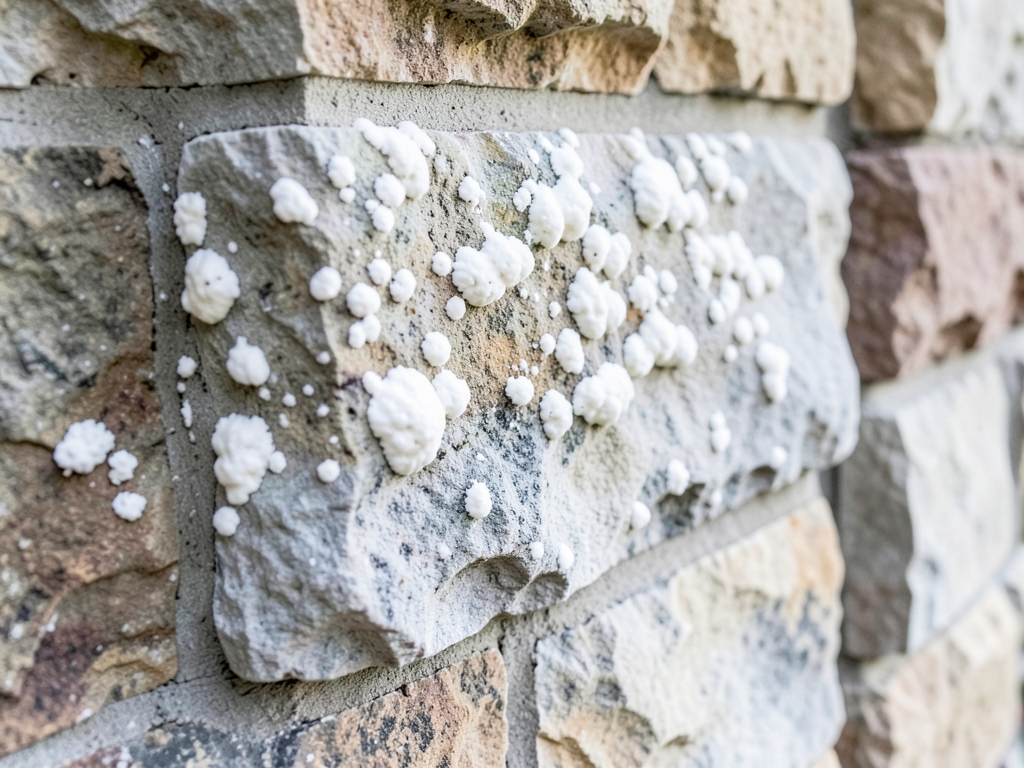
Efflorescence shows up as white powdery deposits on basement walls. This mineral residue signals active water intrusion through your limestone foundation. Left untreated the moisture will cause mortar joints to fail and stone blocks to separate creating a cascade of structural problems. Flooded Basement Cleanup in Grosse Pointe Done Fast and Done Right.
Why Limestone Foundations in Grosse Pointe Are Different
Historic Grosse Pointe homes built before 1950 often feature limestone foundations instead of poured concrete. These foundations use Indiana limestone a material chosen for its availability and workability during Detroit’s building boom. The limestone comes from quarries near Bedford Indiana and was shipped by rail to Detroit construction sites.
Limestone absorbs more water than concrete with a porosity rating of 15-25 percent compared to concrete’s 10-15 percent. This means limestone holds moisture longer. When Detroit temperatures drop below freezing the trapped moisture expands breaking apart the stone structure from within.
The mortar between limestone blocks typically contains lime rather than Portland cement. Lime mortar allows the foundation to breathe letting moisture escape. Modern cement mortars trap moisture against the stone accelerating deterioration. The Michigan Residential Code Section R405 requires proper material compatibility for foundation repairs. Michigan State Government.
Common Signs of Water Damage in Detroit Limestone Foundations
Efflorescence appears as white chalky deposits on basement walls. This happens when water dissolves minerals inside the limestone and deposits them on the surface as it evaporates. You might notice this on walls near Lake Shore Drive or along Grosse Pointe Farms where water tables run high.
Spalling shows up as flaking or crumbling stone surfaces. The outer layer of limestone breaks away exposing softer inner layers to further damage. You can hear the difference when tapping on affected areas – damaged limestone sounds hollow compared to solid stone.
Horizontal cracking along mortar joints indicates pressure from expanding soil or frost heaving. These cracks widen over time allowing more water entry. In neighborhoods like Grosse Pointe Park where homes sit closer to Lake St. Clair the water pressure intensifies during spring thaw.
Basement odor signals active moisture problems. The smell comes from mold growth and mildew thriving in damp limestone walls. Many homeowners in the Grosse Pointes notice this musty smell most strongly in April and May when snowmelt combines with spring rains.
The Detroit Clay Effect on Foundation Stability
Southeast Michigan sits on heavy clay soil that expands when wet and contracts when dry. This soil movement puts constant stress on limestone foundations. The clay soil retains water for weeks after rainfall creating hydrostatic pressure against foundation walls. Fixing the Mess After a Frozen Pipe Bursts in Your Detroit Home.
During dry periods clay soil shrinks creating gaps between the soil and foundation. These gaps allow water to flow freely against walls during the next rain. Detroit receives 33 inches of rain annually plus significant snowmelt in spring. This moisture load overwhelms limestone’s natural drainage capabilities.
The freeze-thaw cycle in Detroit creates unique challenges. Water enters hairline cracks in limestone then expands by 9 percent when it freezes. This expansion breaks apart the stone structure from within. Over a typical winter Detroit experiences 35-40 freeze-thaw cycles enough to cause significant damage to already weakened limestone.
Why Modern Cement Repairs Fail on Historic Limestone
Portland cement has different thermal expansion rates than limestone. When temperatures change cement expands or contracts at a different rate than the stone causing new cracks. The coefficient of thermal expansion for limestone is 7-9 x 10^-6 per degree Fahrenheit while Portland cement is 12-14 x 10^-6.
Cement mortars are less permeable than lime mortars. They trap moisture inside limestone walls preventing natural drying and accelerating deterioration. Limestone needs to breathe – moisture must escape through the mortar joints not get trapped behind them.
Modern cement lacks the flexibility of lime mortar. Limestone foundations need to move slightly with soil pressure and temperature changes. Rigid cement prevents this movement causing stress fractures. The Michigan Historical Society recommends lime-based mortars for historic masonry repairs.
Professional Restoration Process for Limestone Foundations
Inspection begins with moisture mapping using specialized meters to identify water entry points. Technicians document efflorescence patterns spalling severity and structural cracks. In Grosse Pointe neighborhoods near the lake we often find higher moisture readings due to the elevated water table.
Water extraction removes standing water using commercial pumps and extractors. The process follows IICRC S500 standards for water damage restoration. We use submersible pumps for deep water and wet vacuums for surface water removal. IICRC.
Structural drying uses industrial dehumidifiers and air movers to remove moisture from limestone walls. Drying continues until moisture content drops below 15 percent. This process typically takes 3-5 days depending on the extent of water damage and the porosity of the limestone. How to Remove Mold Safely from Your Royal Oak Home.
Repointing replaces damaged mortar with lime-based mortar matching the original mix. The process requires skilled masons who understand historic masonry techniques. We match the sand color and aggregate size to ensure repairs blend seamlessly with existing mortar.
Exterior drainage solutions include French drains and proper grading to divert water away from foundation walls. These systems reduce hydrostatic pressure on limestone. In areas like Grosse Pointe Farms where properties sit below street level we often install exterior drainage systems to manage surface water.
Preventative Maintenance for Southeast Michigan Homeowners
Gutter management prevents water from pooling near foundation walls. Clean gutters direct rainwater at least six feet from the house. Many homes in the Grosse Pointes have mature trees that drop leaves and debris requiring more frequent gutter cleaning.
Grading should slope away from the foundation at a rate of six inches per ten feet. This simple fix dramatically reduces water pressure on limestone walls. Check your grading after winter – frost heaving can change soil levels around your foundation.
Sump pump maintenance includes checking discharge pipes for clogs and testing backup power systems. Detroit’s clay soil creates high water table conditions requiring reliable sump operation. Test your sump pump monthly especially before spring thaw when water tables rise.
Professional inspections every two years catch problems before they become structural failures. Early detection saves thousands in restoration costs. Look for contractors who understand limestone’s unique properties and Detroit’s climate challenges. Professional Cleanup for Flooded Basements in Dearborn (What to Expect and Why It Matters).
Cost Factors for Limestone Foundation Restoration
Restoration costs depend on damage extent and accessibility. Minor repointing might cost $2,000 while major structural repairs exceed $15,000. The cost per square foot ranges from $30 to $75 depending on the complexity of the repair.
Water damage severity affects pricing. Clean water from foundation seepage costs less to address than contaminated water from sewer backups. Sewage contamination requires additional safety protocols and disposal fees. What to Do Right Now for Sewage Backup Cleanup in Detroit.
Historical preservation requirements may increase costs. Grosse Pointe historic districts often require specific materials and techniques for visible repairs. Some neighborhoods require approval from the Historic District Commission before work begins.
Insurance coverage varies by policy. Most standard policies exclude foundation repairs but cover water damage from sudden pipe failures. Check your policy details and ask about water damage coverage specifically.
Choosing the Right Restoration Contractor
Look for IICRC certification in water damage restoration. This certification ensures technicians follow industry standards for moisture assessment and drying procedures. Ask potential contractors about their experience with limestone specifically not just general masonry work.
Experience with historic masonry matters. Not all water damage companies understand limestone’s unique properties and repair requirements. Look for contractors who can explain the difference between lime mortar and Portland cement and why it matters for your foundation.
Local knowledge provides advantages. Detroit contractors understand regional soil conditions freeze-thaw cycles and building code requirements. They know which neighborhoods have higher water tables and which areas experience more severe frost heaving.
Insurance coordination skills reduce your stress. Good contractors handle documentation and communication with insurance adjusters. They can help you understand what your policy covers and what documentation you’ll need for claims.
Frequently Asked Questions
How can I tell if my limestone foundation has water damage?
Look for white powdery deposits on walls musty odors and visible cracks in mortar joints. Moisture meters can confirm active water intrusion even when no visible signs exist. You might also notice damp spots on walls or water pooling in basement corners during heavy rains.
Is limestone foundation repair covered by homeowners insurance?
Most policies cover sudden water damage but not gradual deterioration. Check your policy details and ask about water damage coverage specifically. Some policies exclude foundation repairs entirely while others cover damage from specific causes like burst pipes.
How long does limestone foundation restoration take?
Minor repairs take three to five days while major restoration requires two to three weeks. Drying time significantly affects the total project duration. Weather conditions can also impact the timeline especially for exterior drainage work.
Can I repair limestone foundation myself?
DIY repairs often cause more damage. Improper materials and techniques accelerate deterioration. Professional restoration ensures code compliance and lasting results. The cost of professional repair typically pays for itself through longer-lasting results and prevention of further damage.
What causes limestone foundations to fail?
Water intrusion freeze-thaw cycles soil movement and incompatible repair materials all contribute to limestone foundation failure. The combination of these factors determines the rate of deterioration. Homes near Lake St. Clair often experience faster deterioration due to higher moisture levels in the soil.
Protecting Your Investment
Your historic Grosse Pointe home represents a significant investment that deserves professional care. Limestone foundations require specialized knowledge and techniques that generic water damage companies lack. The unique combination of Detroit’s climate heavy clay soil and historic construction methods creates challenges that require specific expertise.
Detroit’s climate creates unique challenges for limestone foundations. Heavy rainfall clay soil and freeze-thaw cycles work together to accelerate water damage. Understanding these local factors helps you make informed decisions about restoration and maintenance. The 35-40 freeze-thaw cycles we experience each winter can cause significant damage to already weakened limestone.
Professional restoration not only fixes current damage but also prevents future problems. The right contractor will address underlying causes not just visible symptoms. This comprehensive approach protects your home’s value and structural integrity for decades to come. Don’t wait for visible damage to appear – by then significant deterioration has already occurred.
Your limestone foundation deserves expert care from technicians who understand Detroit’s unique challenges. Call (313) 572-5559 today to schedule your inspection and protect your historic home from water damage. Early intervention costs less and produces better results than emergency repairs. Don’t let another freeze-thaw cycle cause irreversible damage to your foundation. For more information, visit International Code Council.