
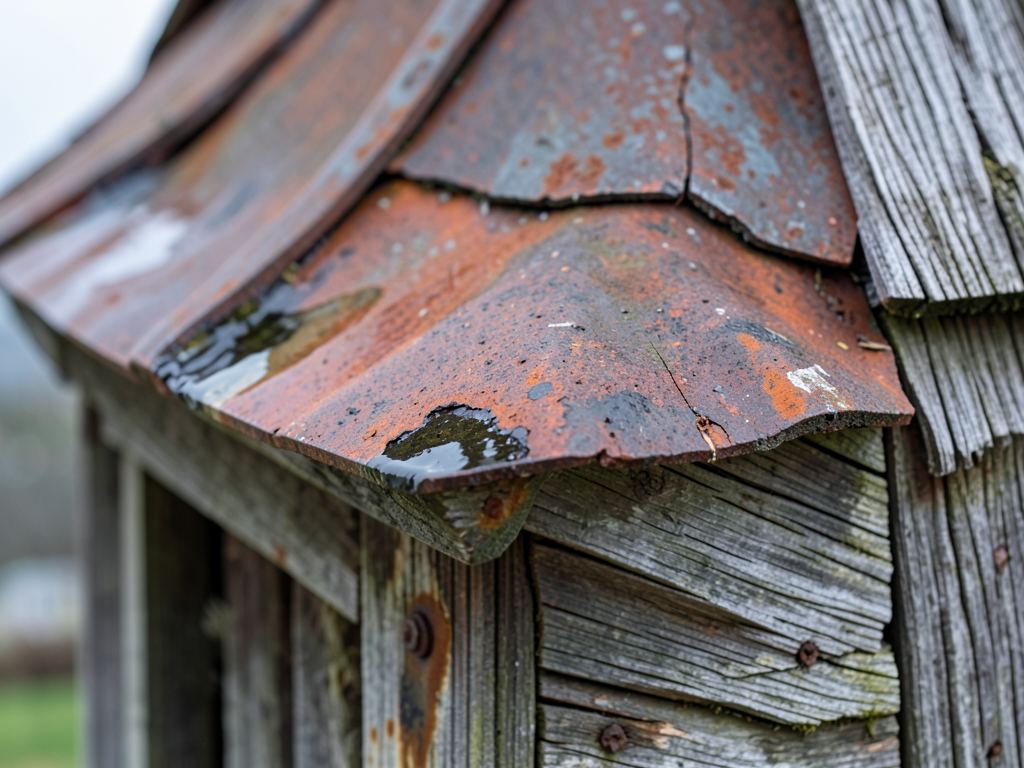
Tracking Down a Leak in the Historic Turret of Your Woodbridge Victorian
Water dripping inside your Victorian turret is more than an inconvenience. It is a race against time to protect irreplaceable architectural details. The turret’s complex geometry with its multiple roof planes and historic materials creates vulnerabilities that modern homes do not face. In Woodbridge’s historic district where slate roofs copper flashing and intricate woodwork define the neighborhood’s character a leak can quickly escalate from a stain on the ceiling to severe structural damage. Understanding the unique construction of your turret and the specific failure points is the first step toward a lasting repair. Water Damage Restoration Livonia.
Why Turrets Leak: The Unique Vulnerabilities of Victorian Architecture
Victorian turrets were not designed with today’s waterproofing standards in mind. Their conical or polygonal shapes create valleys and seams where water naturally collects especially during Detroit’s heavy spring rains or winter snowmelt. The original builders used materials like slate clay tile and copper all excellent when properly maintained but prone to failure at the joints and fasteners over decades. The turret’s height also means it bears the brunt of wind-driven rain and ice dam formation which can force water under shingles and into the structure. Detroit Historic District Commission.
Common failure points include deteriorated flashing at the turret’s base where it meets the main roof cracked or missing slate tiles and failing sealants around windows or decorative elements. The mortar between clay tiles can erode and copper flashing can develop pinholes from oxidation. In Woodbridge’s climate freeze-thaw cycles accelerate these problems causing materials to expand and contract until joints fail.
Diagnostic Steps: Finding the Source of Your Turret Leak
Tracking down a turret leak requires a methodical approach. Start with a visual inspection from the ground looking for missing or damaged tiles sagging roof sections or visible staining on exterior walls. Inside check the turret’s ceiling and walls for water marks peeling paint or soft spots in the plaster. Use a moisture meter to detect hidden dampness in walls and ceilings. This tool is essential because water can travel along rafters before dripping down making the visible damage far from the actual entry point. Fixing the Mess After a Frozen Pipe Bursts in Your Detroit Home.
During dry weather have a professional perform a water test by systematically spraying the roof with a hose starting at the lowest point and working upward. This simulates rain and can reveal leaks that are not obvious during casual inspection. Pay special attention to flashing details valleys and the area where the turret meets the main roofline. In some cases an infrared camera can detect temperature differences caused by moisture helping pinpoint hidden leaks behind walls or under roofing materials. Professional Cleanup for Flooded Basements in Dearborn (What to Expect and Why It Matters).
Emergency Response: Stopping the Damage Fast
When water is actively entering your turret immediate action is critical. First contain the leak inside by placing buckets or towels to catch dripping water and protect floors and furnishings. If safe to do so cover the affected exterior area with a heavy-duty tarp securing it to prevent wind lift. This is a temporary fix. Never walk on a slate or tile roof yourself as these materials are fragile and easily damaged.
Call a restoration specialist familiar with historic homes immediately. Time is your enemy. Water can warp wood dissolve plaster and create conditions for mold growth within 24-48 hours. A qualified team will assess the damage set up drying equipment and begin water extraction to prevent further deterioration. In Woodbridge where many homes are subject to Historic District Commission oversight it is important to document the damage thoroughly for any required permits or insurance claims.
Preservation-First Restoration: Protecting Your Home’s Character
Repairing a turret leak in a historic Victorian requires more than just patching the roof. The goal is to restore function without compromising the home’s architectural integrity. This means salvaging original materials whenever possible. Repair slate rather than replacing it with asphalt shingles for example. If replacement is necessary source materials that match the original in color texture and thickness. Modern alternatives like synthetic slate or rubberized underlayment can provide extra waterproofing while remaining hidden beneath the historic surface.
Inside water-damaged plaster must be carefully removed and replaced using traditional lime-based mixes that allow the wall to breathe. Modern drywall can trap moisture and lead to future problems. Wood trim and decorative elements should be dried slowly to prevent warping then repaired or replicated by skilled craftsmen. The restoration process often involves working with HDC guidelines to ensure all repairs meet preservation standards. How to Remove Mold Safely from Your Royal Oak Home.
Navigating Detroit’s Historic District Commission Requirements
Woodbridge homes fall under the jurisdiction of the Detroit Historic District Commission. For emergency repairs the HDC allows for expedited review if the work is necessary to prevent further damage. However you must still submit detailed plans and material specifications. The commission prioritizes repairs that are reversible and use in-kind materials. For example if copper flashing must be replaced the new flashing should be the same gauge and profile as the original.
Understanding these requirements before starting work can save time and avoid costly do-overs. A restoration contractor experienced with HDC procedures will handle the paperwork and ensure compliance. This expertise is invaluable as using the wrong materials or altering visible features can result in fines or mandatory removal of non-compliant work.
Preventing Future Leaks: Maintenance Strategies for Turret Owners
Prevention is always less expensive than emergency repair. Schedule annual roof inspections especially after severe weather. Look for loose or missing tiles damaged flashing and debris buildup in valleys or gutters. Keep trees trimmed back to prevent branches from scraping the roof or dropping leaves that trap moisture. In winter monitor for ice dam formation. These ridges of ice can force melting snow under roofing materials.
Consider installing a high-quality ice and water shield beneath the roofing material for added protection. This self-adhering membrane creates a watertight barrier in vulnerable areas like eaves valleys and around chimneys. While this upgrade requires removing the existing roof it can prevent many of the leaks that plague historic homes in Detroit’s freeze-thaw climate.
Cost Considerations: What to Expect for Turret Restoration
The cost of repairing a turret leak varies widely based on the extent of damage and the materials involved. Simple flashing repairs might cost a few hundred dollars while a full slate roof restoration can run into the tens of thousands. Factors influencing price include the height and accessibility of the turret the rarity of replacement materials and the need for specialized labor. Historic preservation often costs more than standard repairs because of the craftsmanship and materials required.
Insurance may cover water damage restoration but not always the full cost of historically accurate repairs. Review your policy and discuss coverage with your agent. Some homeowners in Woodbridge opt for riders that specifically cover historic materials and craftsmanship. Always get multiple quotes from contractors experienced with Victorian architecture and check references before hiring.
Case Study: A Woodbridge Turret Rescue
Last winter a Woodbridge homeowner noticed water stains spreading across their turret’s ceiling after a heavy snowstorm. Initial inspection revealed failed flashing at the turret’s base and several cracked slate tiles. The leak had gone unnoticed for weeks allowing water to saturate the plaster and damage underlying wood framing.
The restoration team tarped the roof to prevent further intrusion then carefully removed the damaged plaster to assess the extent of water damage. They replaced rotted framing members installed new copper flashing to match the original profile and sourced reclaimed slate tiles for a seamless repair. Inside they used traditional lime plaster to restore the walls matching the original texture and finish. The entire project took three weeks and cost approximately $18000 but the homeowner preserved both the structure and the historic character of their home.
Choosing the Right Contractor for Your Historic Home
Not all water damage restoration companies are equipped to handle the nuances of historic Victorian repair. Look for contractors with specific experience in historic preservation ideally with references from other Woodbridge or Detroit historic district homes. Ask about their familiarity with HDC requirements and their approach to material salvage and matching. A good contractor will conduct a thorough assessment provide a detailed scope of work and explain how they plan to protect your home’s character throughout the process.
Certifications matter. Look for IICRC certification for water damage restoration and if possible credentials from preservation organizations like the National Trust for Historic Preservation. Membership in local trade associations can also indicate a commitment to ongoing education and best practices. IICRC certification.
Conclusion: Protecting Your Woodbridge Victorian’s Legacy
A leak in your turret is a serious matter but with prompt action and the right expertise you can stop the damage and preserve your home’s historic charm. The key is to treat your Victorian not just as a structure but as a piece of Detroit’s architectural heritage. By understanding the unique vulnerabilities of turret design working with preservation-minded professionals and committing to regular maintenance you can ensure your home remains a landmark for generations to come. What to Do Right Now for Sewage Backup Cleanup in Detroit.
Don’t let a small leak become a major restoration. If you notice signs of water intrusion in your turret call (313) 572-5559 today to schedule a comprehensive inspection. Our team specializes in historic home restoration and can help you protect your investment while honoring its past.
Frequently Asked Questions
How can I tell if my turret has a hidden leak?
Look for water stains on ceilings or walls peeling paint musty odors or soft spots in plaster. A moisture meter can detect dampness behind surfaces even when no visible signs are present.
Will my insurance cover turret leak repairs?
Most homeowners’ policies cover sudden water damage but historic material replacement may require special endorsement. Check your policy and discuss options with your agent.
How long does turret restoration typically take?
Minor repairs can be completed in a day or two while full restorations may take several weeks depending on the extent of damage and material availability.
Can I walk on my slate roof to inspect it myself?
No. Slate and tile roofs are fragile and easily damaged by foot traffic. Always use binoculars or hire a professional for inspections.
What is the best way to prevent ice dams on my turret?
Ensure your attic is well-insulated and ventilated to keep the roof cold. Consider installing heat cables in problem areas and for long-term protection add an ice and water shield under the roofing material.
Does the HDC require permits for all turret repairs?
Emergency repairs to prevent further damage can be done without prior approval but you must notify the HDC and submit plans for review as soon as possible. Non-emergency work requires a permit.
How much does it cost to replace copper flashing on a turret?
Costs vary based on turret size and complexity but expect to pay between $1500 and $5000 for professional copper flashing replacement on a historic turret.
Can modern materials be used on a historic turret?
Modern underlayments and flashings can be used if they are concealed and do not alter the visible character of the home. Always check with the HDC for approval.
What should I do if I find mold in my turret after a leak?
Stop the water source immediately contain the area to prevent spore spread and call a certified mold remediation specialist. Mold can pose health risks and should be handled by professionals.
How often should I have my turret inspected?
Annual inspections are recommended with additional checks after severe weather events. Early detection of problems can save thousands in repair costs. For more information, visit National Trust for Historic Preservation.