
Frequently Asked Questions
What is that orange slime in my sump pump?
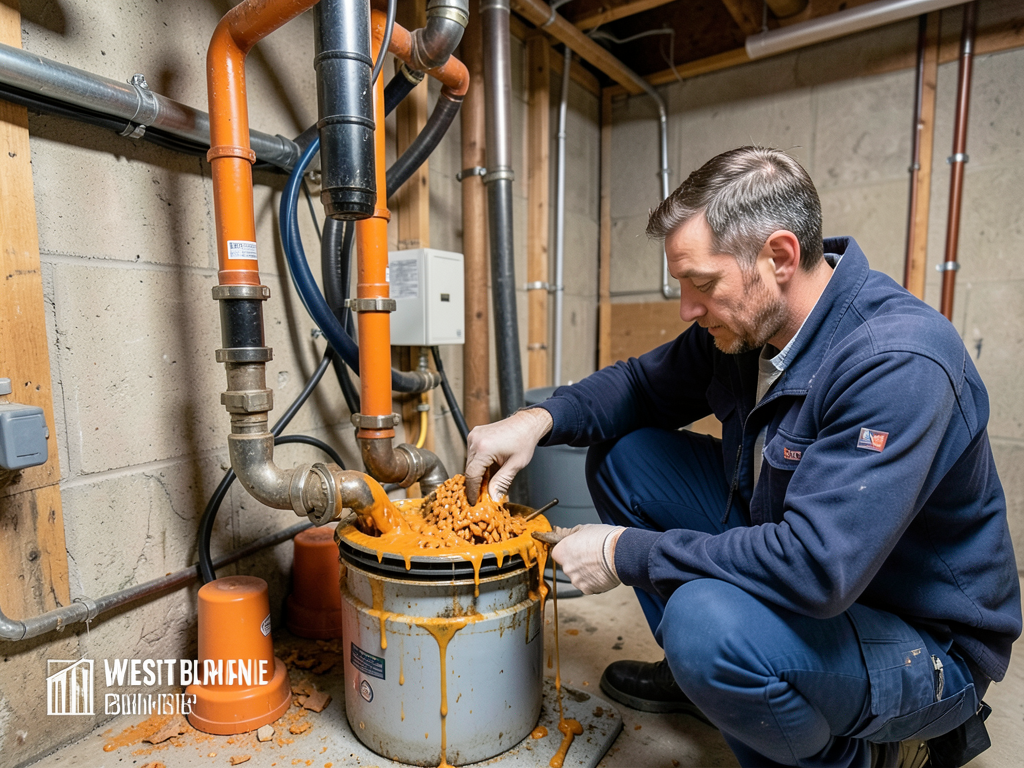
The orange slime is iron bacteria. This non-pathogenic microorganism feeds on iron in groundwater and creates a rust-colored biofilm. Water Damage Restoration Livonia.
Is iron bacteria dangerous to my health?
No. Iron bacteria is not harmful to humans or pets. But it can clog pipes and damage your sump pump over time.
Why is iron bacteria so common in West Bloomfield?
Oakland County’s soil has high iron content from glacial deposits. West Bloomfield’s groundwater often contains elevated iron levels that feed these bacteria. West Bloomfield Township.
Can I clean iron bacteria myself?
You can try scrubbing with a diluted acid solution. But professional cleaning ensures complete removal and prevents pump damage during the process. Professional Cleanup for Flooded Basements in Dearborn (What to Expect and Why It Matters).
How often should I inspect my sump pump for iron bacteria?
Annual inspections are recommended. More frequent checks help if you notice orange discoloration or musty odors from your sump basin.
Will iron bacteria clog my drainage system?
Yes. The biofilm can accumulate in pipes and check valves. This reduces water flow and potentially causes basement flooding during heavy rains. Flooded Basement Cleanup in Grosse Pointe Done Fast and Done Right.
Should I replace my pump if I find iron bacteria?
Not necessarily. Professional cleaning often restores function. But pumps with severe buildup or mechanical damage may need replacement.
Does homeowners insurance cover iron bacteria damage?
Standard policies typically don’t cover iron bacteria itself. But they may cover resulting water damage if your pump fails and causes flooding.
Can I prevent iron bacteria from returning?
Regular maintenance helps. UV light treatment and installing filters can reduce recurrence. But complete prevention is difficult in high-iron areas.
What does iron bacteria smell like?
Many homeowners describe a swampy musty odor. Some notice a rotten egg smell from hydrogen sulfide produced by the bacteria.
Understanding Iron Bacteria in West Bloomfield Homes
Iron bacteria creates that distinctive orange slime in your sump pump. This microorganism thrives in West Bloomfield’s unique groundwater conditions. The bacteria feed on dissolved iron and create a rust-colored biofilm that coats pump components and pipes.
West Bloomfield residents often discover this problem during routine maintenance. The orange slime appears as a slimy coating on pump components. It can also clog discharge pipes and reduce pump efficiency. Many homeowners first notice the problem when their sump pump runs longer than usual or makes unusual noises.
Why West Bloomfield Properties Face Higher Risk
West Bloomfield’s location in Oakland County creates perfect conditions for iron bacteria growth. The area sits on glacial till deposits rich in iron minerals. Groundwater moving through these deposits picks up iron that feeds the bacteria.
Properties near the Clinton River watershed often experience higher iron content in groundwater. The river’s influence affects water chemistry throughout the area. Homes in the 48322 and 48323 zip codes report the highest incidence of iron bacteria problems.
Local soil composition plays a major role. West Bloomfield’s clay-rich soils retain moisture and create environments where iron bacteria thrive. The combination of high iron content and consistent moisture creates ideal breeding conditions for these microorganisms.
Common Signs of Iron Bacteria Infestation
Orange slime in your sump pump represents just one symptom. Watch for these additional warning signs:
- Musty or swampy odors from your sump basin
- Reduced pump efficiency or longer run times
- Orange or rust-colored stains on basement walls
- Clogged discharge pipes or check valves
- Unusual pump noises or vibrations
Many homeowners notice these problems worsen after heavy rains. The increased groundwater flow brings more iron into your system. This feeds the bacteria and accelerates growth. Fixing the Mess After a Frozen Pipe Bursts in Your Detroit Home.
Comparing Iron Bacteria to Other Sump Pump Issues
| Issue | Appearance | Common Causes | West Bloomfield Prevalence |
|---|---|---|---|
| Iron Bacteria | Orange slime | High iron groundwater | Very High |
| Mineral Scale | White deposits | Hard water | Moderate |
| Corrosion | Rust spots | Moisture exposure | High |
| Sediment | Gritty particles | Soil intrusion | Moderate |
Professional Iron Bacteria Treatment Options
Professional treatment starts with thorough cleaning. Technicians use specialized equipment to remove all traces of biofilm. They clean pump components, pipes, and the sump basin itself. How to Remove Mold Safely from Your Royal Oak Home.
UV light treatment represents an effective prevention method. These systems kill bacteria as water enters your sump basin. Installation near the inlet pipe provides continuous protection.
Iron filters installed on your main water line can reduce iron content. This limits the food source for bacteria. But these systems require regular maintenance and filter replacement.
West Bloomfield Municipal Water Considerations
West Bloomfield Township maintains water quality standards for municipal systems. But sump pump water comes from groundwater sources. This water bypasses municipal treatment systems.
The township’s building code requires proper sump pump discharge. Section 1402.4 of the 2021 Michigan Residential Code addresses sump pump installation. It mandates proper discharge locations and backflow prevention. Michigan Residential Code.
Local contractors report increased iron bacteria problems near:
- Orchard Lake Road corridor
- 12 Mile Road commercial areas
- Near Marshbank Park
- Properties along the Clinton River
Prevention Strategies for Long-Term Protection
Regular maintenance prevents severe iron bacteria buildup. Schedule annual professional inspections. More frequent checks help if you notice early warning signs.
Consider these prevention strategies:
- Install a sediment filter on your sump pump inlet
- Schedule quarterly visual inspections
- Test water quality annually
- Clean pump components every six months
- Monitor for unusual odors or colors
Many West Bloomfield homeowners install backup systems. These provide protection if your primary pump fails due to iron bacteria damage. Battery backup systems work well in areas prone to power outages.
When to Call a Professional
Professional help becomes necessary when you notice:
- Severe orange slime buildup
- Reduced pump efficiency
- Unusual noises from your pump
- Musty odors from your sump basin
- Clogged discharge pipes
Don’t wait until your pump fails completely. Early intervention prevents costly water damage and extends pump life.
Cost Considerations for Iron Bacteria Treatment
| Service | Average Cost | Duration |
|---|---|---|
| Professional Cleaning | $150-$300 | 1-2 hours |
| UV Treatment System | $400-$800 | 2-4 hours |
| Iron Filter Installation | $800-$1,500 | 4-6 hours |
| Annual Maintenance | $100-$200 | 1 hour |
Local Success Stories
Many West Bloomfield homeowners have successfully managed iron bacteria problems. One homeowner near Walnut Creek reported complete elimination after UV treatment. Another in the 48323 area code solved recurring issues with a whole-house iron filter.
Properties near West Bloomfield Parks and Recreation facilities often face unique challenges. The area’s natural wetlands contribute to higher groundwater iron content. But proper treatment systems keep these properties protected.
Protect Your West Bloomfield Home Today
Iron bacteria can damage your sump pump and create basement flooding risks. Don’t wait until you experience a failure. Professional inspection and treatment protects your home investment.
Call (313) 572-5559 today for a comprehensive sump pump inspection. Our technicians understand West Bloomfield’s unique water conditions. We provide targeted solutions for iron bacteria problems.
Early intervention saves money and prevents water damage. Schedule your inspection before the next heavy rain. Protect your basement and your peace of mind. For more information, visit EPA Groundwater Information.