
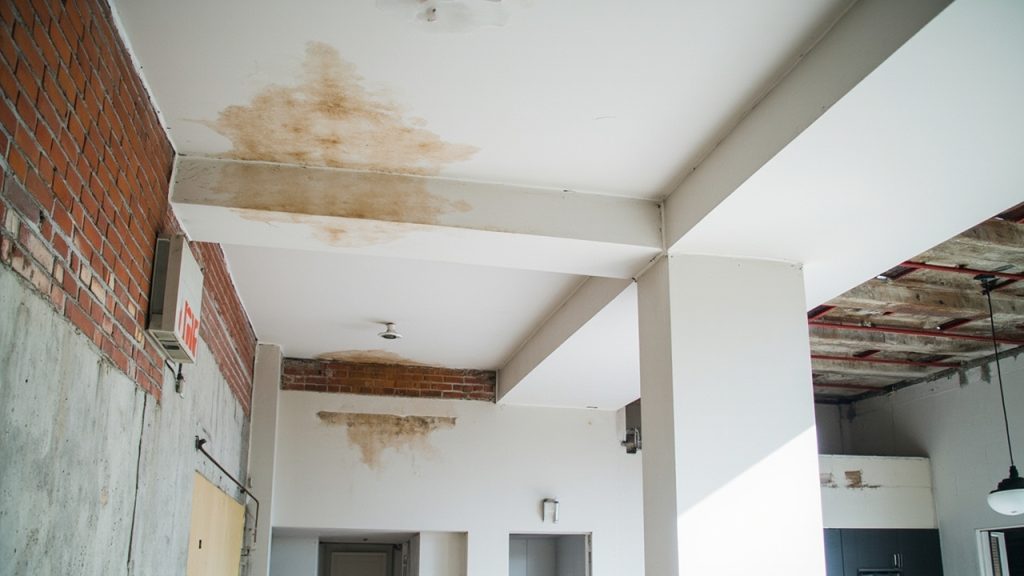
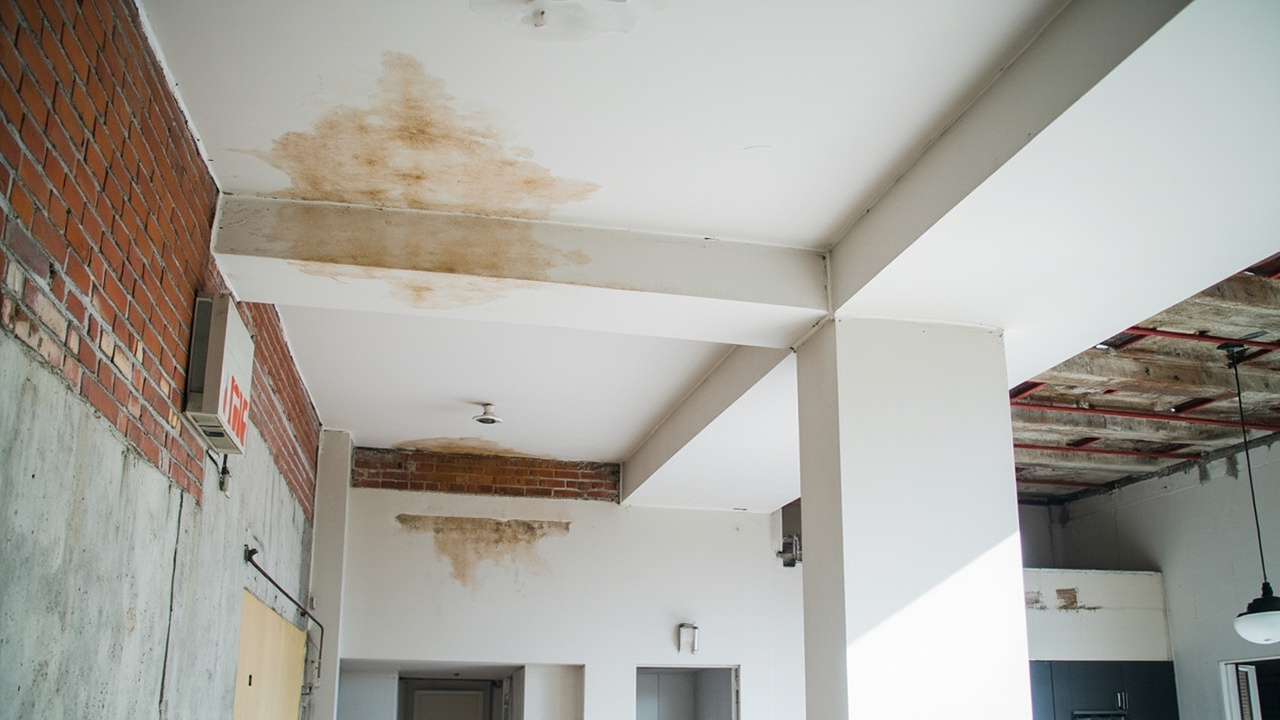
Water is dripping through your ceiling. The unit above you has a leaking dishwasher, a burst pipe, or an overflowed tub. Your floors are soaked, your drywall is ruined, and you have no idea who is responsible. This situation plays out regularly in Detroit’s Rivertown warehouse lofts, Midtown high-rises, and Corktown conversions. The answer to who pays is almost never simple.
Michigan condo law, your building’s Master Deed, and the negligence factor all collide when water crosses unit lines. Getting this wrong costs you thousands. This guide breaks it down the way a 15-year Detroit water damage veteran would explain it to a neighbor.
How the Michigan Condominium Act Sets the Stage
The Michigan Condominium Act, Act 59 of 1978, is the foundation for every condo dispute in the state. It defines the legal relationship between individual co-owners and their homeowners association (HOA). It also establishes what the association controls versus what you, as a co-owner, are personally responsible for maintaining.
Under Act 59, your condo building is divided into two categories of property. There are common elements, which the HOA manages and insures. Then there is your individual unit, which is your responsibility. The problem is that the line between those two categories is not always obvious, especially when a pipe runs through a shared wall.
Act 59 does not give you a final answer on who pays. It gives your Master Deed and Bylaws the authority to fill in that answer. That is where you need to look first.
Your Master Deed and Bylaws Override Everything Else
Most Detroit condo owners assume general property law governs their dispute. It does not. Your building’s Master Deed and accompanying Bylaws are the controlling documents. They define exactly where your unit ends and common elements begin. They also specify who maintains what, and who carries insurance on what.
Some Master Deeds in older Rivertown and Brush Park buildings use a “bare walls” framework. Under bare walls, the association’s master insurance policy covers only the structural shell. Anything inside your unit, including flooring, fixtures, and interior drywall, is your problem. Other documents use an “all-in” framework, where the master policy covers most interior elements.
Pull your Master Deed and Bylaws before you do anything else. If you do not have a copy, request one from your property manager or search the Wayne County Register of Deeds. Those documents tell you what your HOA is actually responsible for paying.
Common Elements vs. Limited Common Elements vs. Your Unit
This distinction determines liability in most Detroit condo water damage cases. Here is how it breaks down.
A common element is shared infrastructure. The main water supply line running through the building, the roof membrane, and structural walls typically fall into this category. If a common element fails and causes your water damage, the HOA and its master policy are generally responsible.
A limited common element is trickier. It is a portion of the common elements designated for the exclusive use of one co-owner. Think of the plumbing stack that serves only two units, a balcony assigned to a single unit, or a supply line that runs only to one apartment. Act 59 and most Michigan Bylaws assign maintenance responsibility for limited common elements to the co-owner who uses them, even though the HOA technically owns them.
If the supply line to your upstairs neighbor’s washing machine fits the definition of a limited common element in your building’s documents, your neighbor may bear the maintenance responsibility, and the liability, even if the pipe runs through a shared wall.

The Negligence Factor and When It Shifts the Bill
Even when a common element fails, negligence changes everything. Michigan property damage law recognizes negligence as a liability shifter. If your upstairs neighbor ignored a known leak, failed to report a plumbing problem, or caused damage through careless action, that neighbor can be held personally liable regardless of who owns the failed component.
Here are the most common negligence scenarios we see in Detroit condo buildings.
- Neighbor left water running and overflowed a tub or sink.
- Neighbor knew about a slow drip under their sink and did nothing for weeks.
- Neighbor installed a washing machine or dishwasher improperly, causing a connection failure.
- Neighbor’s HVAC condensate line was clogged and overflowing, a known issue they ignored.
- Neighbor failed to winterize a hose bib or pipe in an exterior-facing wall, causing a freeze-thaw burst.
Detroit’s freeze-thaw cycles make that last point common from late fall through early spring. If you can document that your neighbor knew about a problem and failed to act, you have the foundation of a negligence claim. That claim can be pursued in Wayne County Circuit Court if informal resolution fails.
Michigan’s statute of limitations for property damage is three years. You have three years from the date of the damage to file a civil claim. Do not let that window close while you are waiting to see if your insurance covers everything.
How the Insurance Layers Work in Michigan Condos
There are typically two insurance policies in play during a Detroit condo water damage event. Understanding both prevents you from absorbing costs that should land elsewhere.
The HOA Master Policy
Your HOA carries a master commercial property policy. This policy covers common elements and, depending on the policy type, may cover parts of your unit. The HOA’s master policy often carries a significant deductible. In many Michigan associations, that deductible is assessed against co-owners when the loss originates from within a unit. Some Bylaws allow the HOA to charge that deductible back to the co-owner responsible for the damage. Others split it through a special assessment.
Your HO-6 Policy
Your individual condo owner’s policy is called an HO-6. It covers your personal property, your interior improvements beyond what the master policy covers, and liability if someone claims you caused damage. One of the most overlooked HO-6 coverages is loss assessment coverage. If your HOA levies a special assessment against all co-owners to cover a large water damage loss, loss assessment coverage on your HO-6 can pay your share of that assessment up to your policy limit.
If your neighbor’s negligence caused the damage, your HO-6 insurer may pay your claim first and then pursue subrogation against your neighbor’s policy. Subrogation means your insurer steps into your shoes and recovers money from the at-fault party’s insurance so you are not left paying out of pocket.
| Scenario | Likely Primary Payer | Secondary Recovery Option |
|---|---|---|
| Main building supply line bursts (common element) | HOA Master Policy | HOA deductible assessed to all or at-fault co-owner |
| Neighbor’s toilet overflow due to known clog | Neighbor’s HO-6 Liability Coverage | Your HO-6 (subrogation recovery) |
| Pipe in shared wall, unclear ownership in deed | Disputed, requires Bylaw review | Wayne County Circuit Court if unresolved |
| HOA special assessment after large loss | Your HO-6 Loss Assessment Coverage | Up to your policy limit |
| Neighbor’s negligent appliance installation | Neighbor’s HO-6 Liability | Your HO-6 with subrogation pursuit |
Grey Water vs. Black Water and Why the Source Matters for Your Claim
Not all water damage is equal. Restoration professionals classify water damage by contamination level, and that classification affects both the scope of cleanup and the cost of your claim.
Grey water comes from appliances and fixtures. A dishwasher overflow, a washing machine leak, or a tub overflow is grey water. It contains some contaminants but is not sewage.
Black water involves sewage or significantly contaminated water. If a backup in an upstairs unit sends sewage-laced water into your loft, you are dealing with black water. The remediation process is more extensive, requires stricter containment protocols, and typically costs more to restore. If you suspect sewage involvement, read our guide on what to do right now for sewage backup cleanup in Detroit before you do anything else in the unit.
The source classification also matters for mold risk. Grey water damage that sits for more than 24 to 48 hours in a Detroit loft’s concrete and wood-framed structure will start developing mold. Black water accelerates that timeline. Either way, the longer you wait, the worse the damage and the harder the insurance fight.
The 5 Steps Detroit Condo Owners Must Take Immediately
Your actions in the first hours after a water intrusion determine whether your insurance claim holds up and whether your building materials are salvageable. Follow this sequence.
- Document everything before touching it. Take photos and video of all visible water, affected surfaces, and personal property. Time-stamp everything. This documentation is evidence for your insurance claim and any potential legal action.
- Notify your HOA and property manager in writing. A text or email creates a timestamp. Do not rely on a verbal conversation. Your written notice triggers the HOA’s obligations under Michigan law and your Bylaws.
- Contact your HO-6 insurer to open a claim. Do not wait to figure out who is at fault first. Open your claim immediately. Let the insurers argue over subrogation later. Your job is to protect your unit.
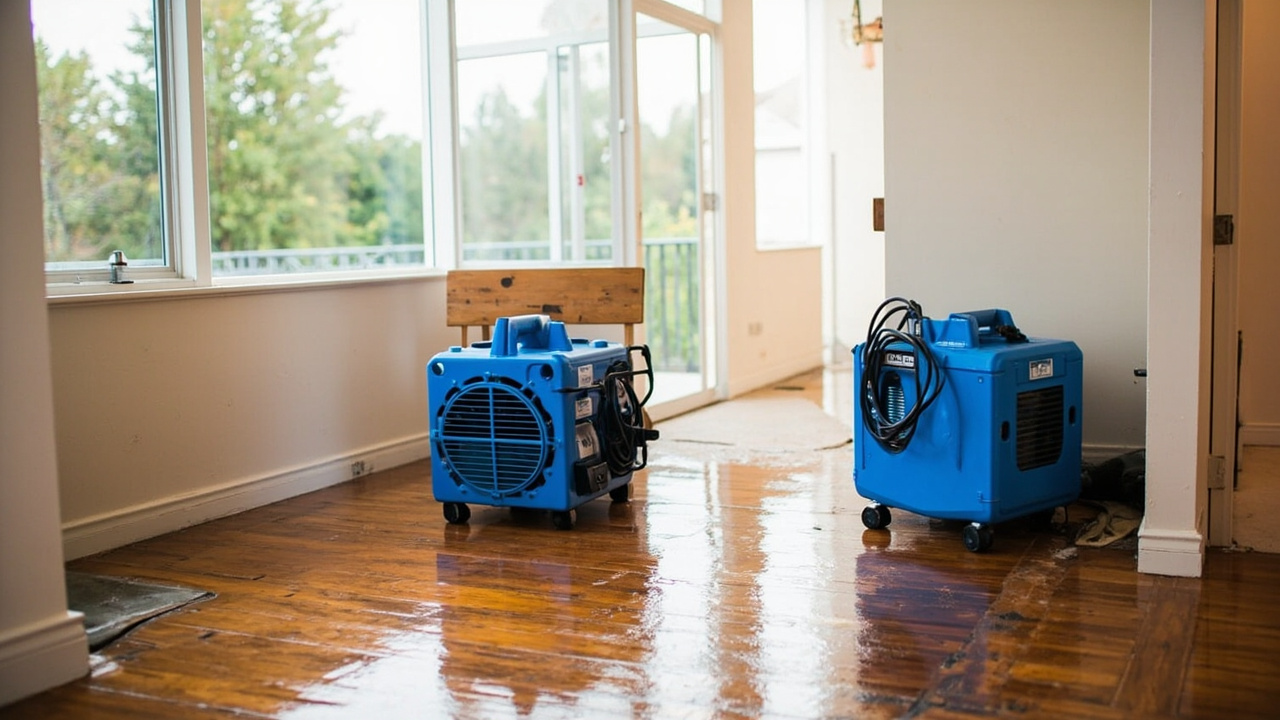
- Call a water mitigation company to begin drying. Michigan insurance policies, like most across the country, require you to mitigate further damage. If you let wet drywall and flooring sit for days, your insurer may deny coverage for damage that occurred after the initial event. A professional team brings commercial-grade dehumidifiers and air movers that residential fans cannot replicate.
- Preserve all receipts and communication. Every repair estimate, hotel cost if you are displaced, and conversation with your HOA or your neighbor needs to be documented. This record protects your right to full reimbursement.
What Restoration Costs Look Like in Detroit Condo Water Damage
The scope of a water damage restoration job in a Detroit condo varies significantly based on the contamination level, the materials affected, and how quickly mitigation begins. Concrete-slab lofts in Rivertown behave differently than wood-framed units in older Midtown buildings. Exposed brick walls absorb and hold moisture in ways that drive up drying times. Original hardwood floors in Corktown conversions require specialty drying equipment to avoid cupping or buckling.
| Damage Category | Typical Affected Materials | Estimated Drying Time | Common Complications in Detroit Lofts |
|---|---|---|---|
| Category 1 (Clean Water, Grey Water) | Drywall, carpet, subfloor | 3 to 5 days with commercial drying | Concrete slab moisture retention extends drying |
| Category 2 (Grey Water with Contaminants) | Drywall, flooring, insulation | 5 to 7 days, partial demo likely | Exposed brick absorbs moisture, difficult to dry |
| Category 3 (Black Water, Sewage) | All porous materials require removal | 7 to 14 days after full demo | Mold begins within 24 hours in summer humidity |
| Secondary Mold Growth (any category) | Walls, ceiling cavities, HVAC | Additional 3 to 10 days for remediation | Detroit humidity accelerates growth in shared walls |
If your loft sustained structural water damage from a frozen pipe burst, you will recognize the pattern we describe in our guide to fixing the mess after a frozen pipe bursts in your Detroit home. The same mitigation principles apply in condo units, but the liability layer is more complicated when the pipe is in a shared space.
Mold is also a serious downstream risk when water damage is not dried properly. If you find mold developing weeks after an apparent cleanup, review our resource on how to remove mold safely. The process applies across the Detroit metro, including Wayne and Oakland County properties.
When to Involve an Attorney and When Not To
An attorney is worth engaging when your HOA denies responsibility for a common element failure, when your neighbor refuses to cooperate or carry adequate insurance, or when a loss assessment is substantial and your HOA is not being transparent about how it was calculated. Wayne County Circuit Court handles property damage civil claims, and a demand letter from an attorney often resolves disputes faster than months of negotiation.
An attorney is not necessary for routine disputes where insurance coverage is clear and both parties are cooperating. In those cases, let the insurers handle subrogation. That process is designed precisely for this situation.
The Michigan Attorney General’s Consumer Protection Division also handles complaints related to HOA conduct. If your association is withholding documents, refusing to act on common element failures, or mismanaging insurance claims, a complaint there can create real pressure without litigation costs.
Situations We See Frequently Across Detroit’s High-Density Buildings
Rivertown lofts have open floor plans and large plumbing runs that serve multiple units from a single stack. When that stack has a problem, the water spreads fast and wide. Midtown high-rises built in the 1960s and 1970s often have aging galvanized supply lines that fail without warning. Corktown rowhouses converted to condos sometimes have Bylaws that were written without anticipating modern appliance failures, leaving grey areas in liability that require attorney interpretation.
In Grosse Pointe condo communities, where water intrusion from adjacent units is also common, the same liability framework applies. Our team has worked extensively on flooded basement cleanup in Grosse Pointe and the same documentation-first approach translates directly to unit-to-unit water intrusion claims.
If you are dealing with a situation in Dearborn or the surrounding communities, the same Act 59 framework governs. The specifics of professional cleanup for flooded basements in Dearborn give you a sense of what a thorough mitigation process looks like from start to finish.
The Bottom Line for Rivertown and Detroit Condo Owners
Condo water damage liability in Michigan comes down to four things. Your Master Deed and Bylaws define ownership boundaries. Act 59 establishes the legal framework. Negligence determines who bears the cost when someone failed to maintain what they were supposed to maintain. And your HO-6 policy, especially loss assessment coverage, is your financial safety net when everything else is unclear.
Do not wait out the damage while you argue about responsibility. Water moves fast in these buildings. Get mitigation started, open your claim, notify your HOA in writing, and document everything. The liability question will get resolved. The water damage will not wait for that resolution.
If you are dealing with an active water intrusion in a Detroit condo right now, contact Ironwood Water Damage Restoration. We work directly with HOAs, property managers, and insurance adjusters across Wayne, Oakland, and Macomb counties. We understand how Michigan condo buildings are built, and we know how to document damage in a way that supports your claim from day one.
{
“@context”: “https://schema.org”,
“@type”: “BlogPosting”,
“headline”: “Who Pays When an Upstairs Neighbor Leaks Into Your Rivertown Loft”,
“description”: “Condo water damage liability in Michigan explained. Learn who pays, how the Michigan Condominium Act applies, and what Detroit loft owners must do first.”,
“wordCount”: 2388,
“datePublished”: “2026-03-22T09:18:00.000Z”,
“dateModified”: “2026-03-22T09:18:00.000Z”,
“inLanguage”: “en-US”,
“mainEntityOfPage”: {
“@type”: “WebPage”,
“@id”: “https://ironwoodwaterdamagerestorationdetroit.com”
},
“publisher”: {
“@type”: “LocalBusiness”,
“name”: “Ironwood Water Damage Restoration Detroit”,
“url”: “https://ironwoodwaterdamagerestorationdetroit.com”
},
“author”: {
“@type”: “Organization”,
“name”: “Ironwood Water Damage Restoration Detroit”,
“url”: “https://ironwoodwaterdamagerestorationdetroit.com”
},
“image”: {
“@type”: “ImageObject”,
“url”: “https://ironwoodwaterdamagerestorationdetroit.com/wp-content/uploads/2026/03/who-pays-when-an-upstairs-neighbor-leaks-into-your-1.jpg”
}
}
{
“@context”: “https://schema.org”,
“@type”: “LocalBusiness”,
“name”: “Ironwood Water Damage Restoration Detroit”,
“url”: “https://ironwoodwaterdamagerestorationdetroit.com”,
“address”: {
“@type”: “PostalAddress”,
“addressLocality”: “Detroit”
},
“areaServed”: {
“@type”: “City”,
“name”: “Detroit”
}
}
{
“@context”: “https://schema.org”,
“@type”: “BreadcrumbList”,
“itemListElement”: [
{
“@type”: “ListItem”,
“position”: 1,
“name”: “Home”,
“item”: “https://ironwoodwaterdamagerestorationdetroit.com”
},
{
“@type”: “ListItem”,
“position”: 2,
“name”: “Blog”,
“item”: “https://ironwoodwaterdamagerestorationdetroit.com/blog”
},
{
“@type”: “ListItem”,
“position”: 3,
“name”: “Who Pays When an Upstairs Neighbor Leaks Into Your Rivertown Loft”
}
]
}
{
“@context”: “https://schema.org”,
“@type”: “Service”,
“serviceType”: “Water Damage Restoration”,
“provider”: {
“@type”: “LocalBusiness”,
“name”: “Ironwood Water Damage Restoration Detroit”,
“url”: “https://ironwoodwaterdamagerestorationdetroit.com”
},
“areaServed”: {
“@type”: “City”,
“name”: “Detroit”
},
“description”: “Condo water damage liability in Michigan explained. Learn who pays, how the Michigan Condominium Act applies, and what Detroit loft owners must do first.”
}