
Why Spray Foam Insulation in Your Royal Oak Attic Might Be Masking a Major Roof Leak
Royal Oak homeowners love spray foam insulation for its energy efficiency. But that same insulation can hide serious water damage. When your roof leaks, spray foam traps moisture against the wood deck. You might not see water stains on your ceiling until the damage is severe. Water Damage Restoration Livonia.
Water travels sideways under spray foam. A leak above your master bedroom could show up as a wet spot near your front door. By the time you notice, mold may already be growing and your roof deck could be rotting. Water Damage Restoration Warren.
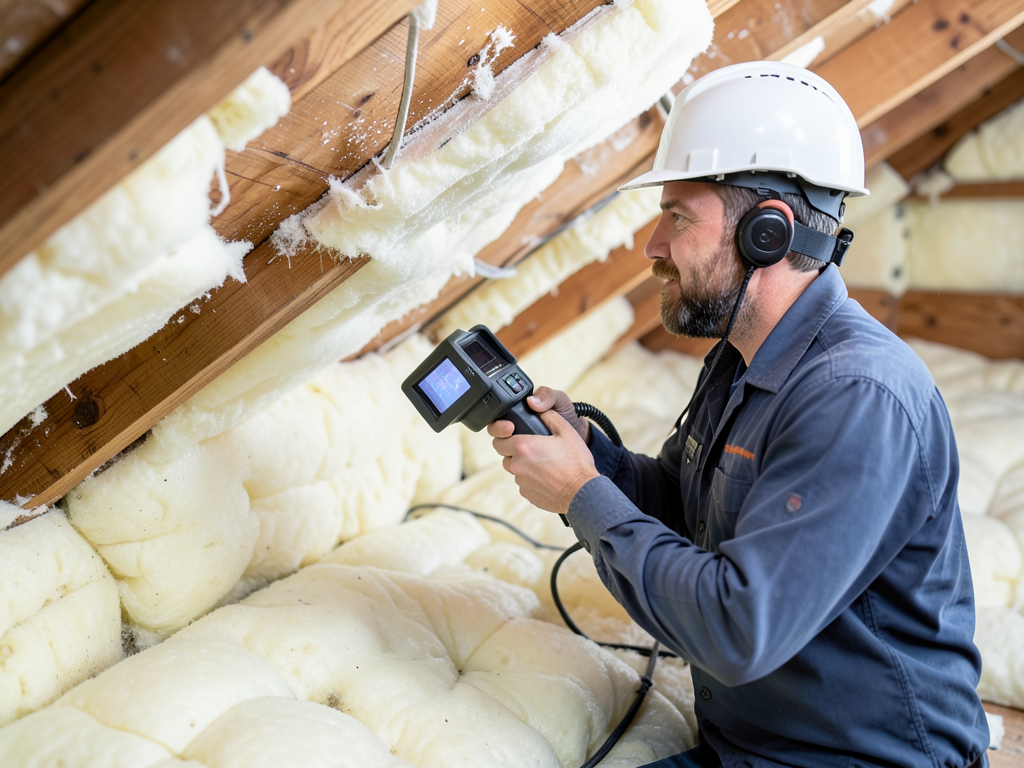
We use thermal imaging and moisture meters to find hidden leaks in spray foam attics. The process takes hours, not days. We can locate the exact entry point and dry the structure before permanent damage occurs.
How Water Gets Trapped Under Spray Foam
Spray foam creates an airtight seal against your roof deck. This works great for insulation but terrible for leak detection. Water that gets past your shingles has nowhere to evaporate.
Common entry points include damaged flashing around chimneys, ice damming in winter, and wind-driven rain through ridge vents. Once water penetrates, it spreads laterally across the foam surface.
Freeze-thaw cycles common to Royal Oak accelerate the damage. Water expands when frozen, creating tiny cracks in your roof deck. Each cycle makes the next leak worse.
Warning Signs You Have a Hidden Roof Leak
Musty odors in your attic are often the first sign. Spray foam holds moisture against wood, creating perfect conditions for mold growth. You might smell this before seeing any visual evidence.
Peeling paint on interior walls near the ceiling can indicate water traveling under foam. The moisture migrates through wall cavities before finding an exit point.
Dark spots on your spray foam surface mean water is present. These spots feel colder to the touch and may have a slightly different texture than surrounding foam.
Our Royal Oak Leak Detection Process
We start with a complete thermal imaging scan of your attic. Our infrared cameras detect temperature differences caused by moisture. Wet areas appear as blue or purple spots on the screen.
Next we use penetrating moisture meters at multiple depths. This tells us if water has reached the roof deck or is just sitting on top of the foam.
We document everything with photos and moisture mapping. This helps with insurance claims and shows exactly where repairs are needed. EPA Mold Guidelines.
Why Royal Oak Homes Are Vulnerable
Royal Oak experiences more freeze-thaw cycles than surrounding areas. The temperature swings from 20°F to 40°F in a single day are common in winter. This causes roof materials to expand and contract repeatedly.
Many Royal Oak homes were built between 1920 and 1960. Their roof decks are often made of older wood that’s more susceptible to water damage than modern materials.
The area’s mature tree canopy means more leaves and debris collect on roofs. This organic material holds moisture against your shingles, accelerating deterioration.
Repair Options for Spray Foam Roof Leaks
We can often repair without removing all your spray foam. The process involves cutting away damaged sections, drying the substrate, and applying new foam only where needed.
For severe cases, we remove all foam, repair the roof deck, and reinstall new spray foam with upgraded moisture barriers. This prevents future issues. How to Remove Mold Safely from Your Royal Oak Home.
We always coordinate with your roofing contractor to ensure the underlying roof problem is fixed before reinstalling insulation.
Preventing Future Roof Leaks
Annual roof inspections catch problems before they become leaks. We check flashing, sealants, and shingle condition each season.
Clean your gutters twice yearly. Clogged gutters cause water to back up under shingles, especially during Royal Oak’s heavy spring rains.
Consider installing ice and water shield along eaves if you don’t already have it. This rubber membrane prevents ice dam leaks.
When to Call for Emergency Service
Active dripping or pooling water requires immediate attention. Water spreads quickly and causes exponential damage the longer it sits.
Musty odors that suddenly worsen indicate active mold growth. This poses health risks and requires professional remediation. Professional Cleanup for Flooded Basements in Dearborn (What to Expect and Why It Matters).
Ceiling stains that grow larger overnight mean water is actively entering your home. Don’t wait for the ceiling to collapse.
Cost Factors for Spray Foam Leak Repair
The extent of foam removal affects cost significantly. Partial removal is cheaper but may miss hidden damage in adjacent areas.
Roof deck repairs add cost if rot is present. We can often repair small sections rather than replacing entire decks.
Mold remediation increases project scope and cost. Early detection prevents mold growth and keeps costs down.
Insurance Coverage Considerations
Most homeowner policies cover sudden roof leaks but not gradual damage from poor maintenance. Document everything with photos if you plan to file a claim.
Insurance companies often require professional assessment before approving repairs. Our detailed reports include moisture mapping and damage documentation.
Some policies have specific exclusions for certain roof types or ages. We can help you understand your coverage options.
Why Choose Local Royal Oak Experts
We understand Royal Oak’s specific weather patterns and building characteristics. Our team has restored hundreds of local homes with similar construction.
We maintain relationships with local roofing contractors who specialize in historic Royal Oak homes. This ensures proper repairs that maintain your home’s integrity.
Our emergency response team can be on-site within 2 hours for active leaks in the Royal Oak area.
Frequently Asked Questions
How can I tell if my spray foam has water damage?
Look for dark spots on the foam surface, musty odors, or cold areas when touching the foam. These indicate moisture presence. Professional thermal imaging provides definitive answers.
Will my insurance cover spray foam roof leak repairs?
Coverage depends on your policy and the cause of damage. Sudden leaks from storms are usually covered. Gradual damage from poor maintenance often isn’t. We provide detailed documentation to support your claim.
How long does spray foam leak repair take?
Simple repairs take 1-2 days. Complex projects involving roof deck replacement may take 3-5 days. We provide specific timelines after our initial assessment. Fixing the Mess After a Frozen Pipe Bursts in Your Detroit Home.
Can I just patch the leak from inside?
No. Spray foam leaks require addressing the underlying roof problem first. Patching from inside only delays inevitable damage and can trap more water.
How much does spray foam leak repair cost?
Costs range from $1,500 for minor repairs to $8,000+ for major restoration. Factors include extent of damage, roof deck condition, and whether mold remediation is needed.
Should I remove all my spray foam if there’s a leak?
Not necessarily. We often can repair specific sections while preserving intact foam. Complete removal is only needed for widespread damage or if the roof deck needs replacement.
Don’t Wait Until It’s Too Late
Hidden roof leaks under spray foam insulation can cause thousands in damage before you notice. The longer you wait, the more expensive repairs become.
We offer free thermal imaging assessments for Royal Oak homeowners concerned about potential leaks. Our advanced equipment can detect moisture you can’t see or smell.
Call (313) 572-5559 today to schedule your inspection. We’ll identify any problems and provide a clear plan for repair before your home suffers major damage. For more information, visit International Residential Code.