
Why the willow trees in your Farmington Hills yard are likely clogging your perimeter drains
The dense canopy of willow trees that makes Farmington Hills so scenic also creates a hidden plumbing hazard. These trees send aggressive roots deep into the ground searching for water. Your perimeter drain system—designed to keep your basement dry—becomes an easy target. Once roots infiltrate the pipes they grow rapidly inside creating blockages that trap water and cause basement flooding. Farmington Hills official website.
Willow roots can penetrate small cracks in clay or concrete drain pipes within months. The roots then expand and trap sediment grease and debris. Over time the pipe becomes completely blocked. During heavy rains the water has nowhere to go. It backs up into your foundation and flows into your basement. You might notice slow drainage first. Eventually you could face standing water mold growth and structural damage. Flooded Basement Cleanup in Grosse Pointe Done Fast and Done Right.
Farmington Hills homes built before 2000 often have older clay or concrete perimeter drains. These materials are more vulnerable to root intrusion than modern PVC piping. The area’s mature tree canopy combined with frequent spring storms makes this a year-round risk. If your basement has flooded recently or you see water pooling near your foundation after rain willow roots could be the cause. Fixing the Mess After a Frozen Pipe Bursts in Your Detroit Home.
Ignoring the problem leads to more expensive repairs. Water damage restoration costs increase the longer water sits. Mold can begin growing within 24 to 48 hours. The structural integrity of your foundation can weaken. Early detection and professional root removal can save you thousands of dollars in restoration work. EPA mold information.
If you live near Heritage Park or the Farmington Hills Nature Center you are surrounded by mature willows and other water-seeking trees. These trees thrive in the area’s clay-heavy soil and contribute to the problem. Even if your trees are on the edge of your property their roots can travel dozens of feet underground to reach your drainage system.
Signs of root intrusion include gurgling sounds from basement drains slow-draining sinks foul odors from floor drains and water backing up into the basement during rainstorms. If you notice any of these symptoms it is time to call a professional. Camera inspection can confirm the presence of roots and pinpoint the blockage location. Professional Cleanup for Flooded Basements in Dearborn (What to Expect and Why It Matters).
Professional removal typically involves hydro-jetting to clear the roots and high-pressure water to flush debris. In some cases trenchless pipe lining can seal the inside of the pipe to prevent future root entry. These methods are faster and less invasive than traditional digging and replacement.
Prevention also matters. Installing root barriers during landscaping or replacing old drain pipes with root-resistant materials can reduce future risk. Regular drain cleaning and inspection helps catch problems before they cause major damage.
Do not wait until your basement floods again. Call (313) 572-5559 today to schedule a camera inspection and protect your home from willow root damage.
How willow roots invade and block your perimeter drains
Willow trees have a biological advantage. Their roots grow quickly and can detect moisture from long distances. When they sense water vapor escaping from small cracks in your perimeter drain pipes they grow toward it. Once inside the pipe the roots branch and expand. They trap toilet paper grease and other debris. This creates a dense mat that blocks water flow.
Older homes in Farmington Hills often have terra-cotta or concrete drain tiles. These materials develop hairline cracks over decades. Even a tiny opening is enough for a root hair to enter. Once inside the pipe the root thickens and spreads. It can fill the entire diameter of the pipe within a single growing season.
The problem worsens during wet weather. When the ground is saturated the roots grow faster. They compete for space and water with other underground utilities. If your home is near a creek or wetland the roots will be even more aggressive. The dense clay soil in Oakland County also contributes by limiting root spread horizontally forcing roots to grow deeper and follow water sources.
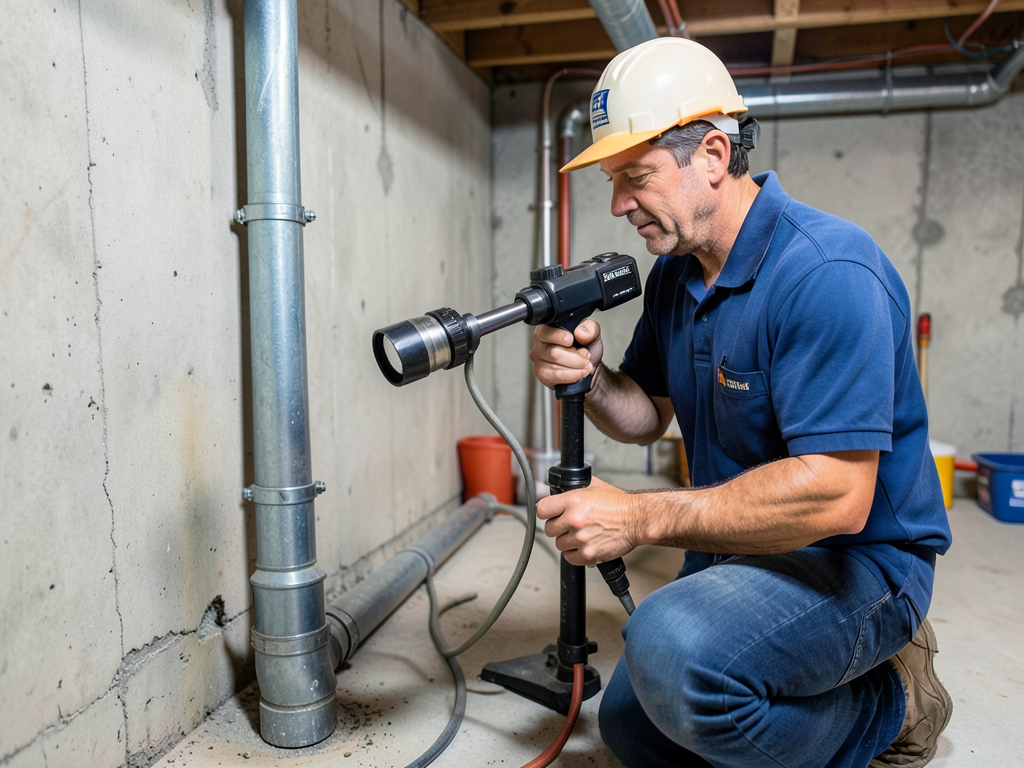
Camera inspections reveal the extent of the damage. Technicians feed a waterproof camera through the pipe to locate blockages. They can see roots growing like hair inside the pipe. They also check for collapsed sections or misaligned joints. This diagnostic step is essential before any repair work begins.
Hydro-jetting is the most common removal method. A high-pressure water hose with a rotating nozzle cuts through roots and flushes debris. The process restores full pipe diameter. In severe cases mechanical cutting tools are used first to break up dense root mats before jetting.
After clearing the roots many homeowners choose to line the pipe with a seamless epoxy coating. This trenchless repair seals cracks and creates a smooth surface that roots cannot penetrate. It extends the life of the drain system without digging up your yard.
Comparing drain pipe materials and their resistance to roots
| Material | Root Resistance | Lifespan | Repair Options |
|---|---|---|---|
| Clay (terra-cotta) | Low | 30-50 years | Replace or reline |
| Concrete | Low | 40-60 years | Replace or reline |
| PVC | High | 50-100 years | Replace or reline |
| HDPE | Very high | 75-100 years | Replace only |
Steps to diagnose and fix root-clogged perimeter drains
- Initial inspection
Schedule a professional camera inspection to locate the blockage and assess pipe condition.
- Root removal
Use hydro-jetting or mechanical cutting to clear roots and debris from the pipe.
- Damage assessment
Review camera footage to determine if pipe repair or replacement is needed.
- Repair decision
Choose between pipe relining for minor damage or full replacement for severe deterioration.
- Preventive measures
Install root barriers or replace with root-resistant piping to prevent recurrence.
Why Farmington Hills homes are especially vulnerable
Farmington Hills sits in a transition zone between dense suburban development and protected green space. Many homes are surrounded by mature trees planted decades ago. The city’s zoning encourages tree preservation which means large willows and maples are common near foundations.
The area’s soil is a mix of clay and loam. Clay retains water and expands when wet. This puts pressure on underground pipes and creates small cracks over time. Once a crack forms it becomes a gateway for roots. The combination of aggressive tree species and vulnerable pipe materials creates a perfect storm for drainage problems.
Local rainfall patterns also play a role. Spring and early summer bring heavy storms. The ground becomes saturated quickly. Water seeks the path of least resistance which often means flowing back toward your foundation if the perimeter drain is blocked. Homes near the Rouge River or other waterways face even higher risk due to elevated water tables.
Older neighborhoods like those near Halsted Road or Shiawassee Park have aging infrastructure. Many homes still have original drain systems installed in the 1960s and 1970s. These pipes were not designed to resist modern root intrusion. Replacement with PVC or HDPE piping can solve the problem but requires professional installation.
Even new construction is not immune. If builders use lower-grade materials or fail to install root barriers during landscaping roots can still find their way in. Regular maintenance and inspection are the best defense.
Preventing future root intrusion in your perimeter drains
Prevention starts with plant selection. Avoid planting water-loving trees like willows poplars and silver maples near your foundation. If you already have these trees consider installing a root barrier. These barriers are made of thick plastic or metal and are buried between the tree and your drain pipes. They force roots to grow downward instead of toward your home.
Regular drain cleaning is also important. Annual hydro-jetting can remove small root growths before they become major blockages. Many homeowners schedule this service in late fall after leaves have dropped and before winter freeze-thaw cycles begin. How to Remove Mold Safely from Your Royal Oak Home.
If you are replacing your landscaping consider upgrading your drain pipes at the same time. Modern PVC and HDPE pipes have smooth interiors that resist root attachment. They also have longer lifespans and are less likely to crack under soil pressure.
Another option is to install a secondary drainage system. French drains or curtain drains can intercept water before it reaches your foundation. These systems work best when combined with proper grading and gutter maintenance.
Finally monitor your basement for early warning signs. Musty odors damp spots and slow drains can all indicate a developing problem. Addressing these issues early can prevent costly water damage restoration later.
Cost factors for root removal and drain repair
The cost of fixing root-clogged perimeter drains depends on several factors. The length of the pipe and severity of the blockage are the biggest variables. A simple hydro-jetting job for a short section of pipe might cost a few hundred dollars. A full pipe replacement with trenchless lining could run into the thousands.
Accessibility also matters. If the pipes are under a driveway or patio excavation costs increase. In some cases homeowners choose to replace only the damaged section rather than the entire system. This can save money but may not solve the underlying issue if roots are widespread.
Material choice affects long-term cost. PVC is cheaper upfront but may not last as long in certain soil conditions. HDPE is more expensive but offers superior resistance to roots and soil pressure. Many homeowners view the higher initial cost as an investment in avoiding future repairs.
Insurance coverage varies. Standard homeowners policies often exclude damage from tree roots. Some companies offer endorsements for water backup and sump pump failure. Check your policy to understand what is covered before scheduling repairs.
Professional inspection is worth the cost. A thorough camera inspection can reveal hidden problems and help you make informed decisions. It also provides documentation that can be useful for insurance claims or future home sales.
Why quick action prevents bigger problems
Water damage spreads quickly. Once water enters your basement it can ruin flooring drywall and personal belongings within hours. Mold can begin growing in as little as 24 to 48 hours. The longer water sits the more expensive the restoration becomes.
Structural damage is another concern. Repeated water intrusion can weaken your foundation over time. Cracks can widen and allow even more water to enter. In extreme cases the foundation can shift or settle unevenly leading to costly structural repairs.
Health risks also increase with delayed action. Mold spores can trigger allergies and respiratory issues. Sewage backups introduce harmful bacteria and viruses. Quick removal and proper sanitization are essential to protect your family’s health. What to Do Right Now for Sewage Backup Cleanup in Detroit.
Professional restoration teams use specialized equipment to dry and sanitize affected areas. They monitor moisture levels with meters and use dehumidifiers to prevent mold growth. They also document the damage for insurance purposes.
Choosing a local company with experience in Farmington Hills ensures faster response times. Local technicians understand the area’s soil conditions tree species and building codes. They can also recommend preventive measures tailored to your property.
Frequently Asked Questions
How do I know if willow roots are blocking my drains?
Common signs include slow-draining basement floor drains gurgling sounds from plumbing foul odors and water backing up during rainstorms. A professional camera inspection can confirm the presence of roots.
Can I remove the roots myself?
DIY root removal is not recommended. Roots often grow deep and can damage pipes further if not removed properly. Professional hydro-jetting and camera inspection ensure complete removal and prevent future damage.
How much does it cost to clear roots from perimeter drains?
Costs vary based on pipe length and blockage severity. Simple hydro-jetting may cost a few hundred dollars while full pipe replacement or relining can cost several thousand. A camera inspection provides an accurate estimate.
Will removing the tree solve the problem?
Removing the tree may help but is not always necessary. Root barriers and pipe relining can prevent future intrusion without removing the tree. A professional can recommend the best approach for your situation.
Is this covered by homeowners insurance?
Standard policies often exclude damage from tree roots. Some insurers offer endorsements for water backup and sump pump failure. Check your policy or contact your agent for details.
How long does the repair process take?
Simple hydro-jetting can be completed in a few hours. Trenchless pipe relining may take one to two days. Full excavation and replacement can take several days depending on weather and site conditions.
Take action before the next storm
Willow roots are a year-round threat to your perimeter drains. The longer you wait the more damage they can cause. If you have noticed slow drains musty odors or recent basement flooding it is time to act.
Call (313) 572-5559 today to schedule a camera inspection and protect your home from costly water damage. Do not let aggressive tree roots turn your scenic yard into a flooding hazard.