
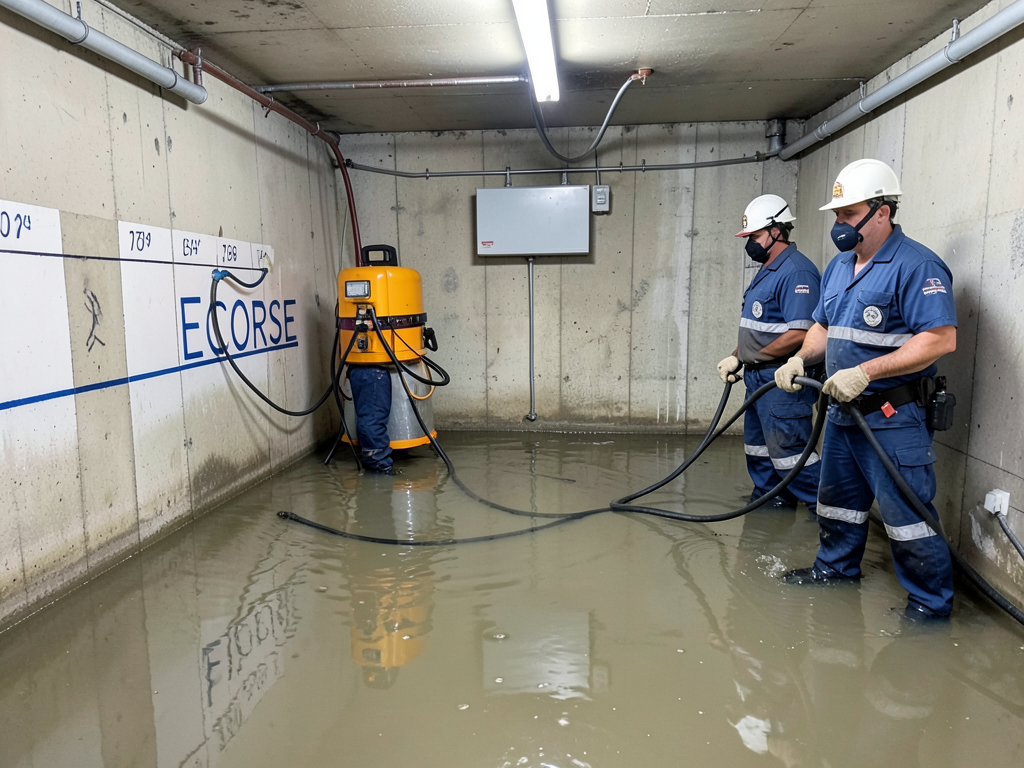
Why Your Ecorse Basement Floods When the Detroit River Levels Rise
Your basement is filling with water again. The Detroit River is rising and you can hear the sump pump working overtime. This isn’t random. Ecorse sits in a low-lying area where the river’s water table directly affects your foundation. When river levels climb just a few feet, hydrostatic pressure pushes water through basement walls and floors. You need to act now before mold starts growing in 24-48 hours. Flooded Basement Cleanup in Grosse Pointe Done Fast and Done Right.
Why Ecorse Homes Are Especially Vulnerable to River Flooding
Ecorse was built on former marshland along the Detroit River’s western bank. The soil here is a mix of clay and silt that holds water like a sponge. When the river rises, the water table beneath your home rises with it. This creates hydrostatic pressure against your foundation walls. Older homes built before modern drainage codes often lack proper waterproofing or French drains. Water Damage Restoration Livonia.
The Great Lakes Water Authority’s combined sewer system in Ecorse can’t handle heavy rainfall when the river is already high. Storm water and sewage share the same pipes. When river levels block outflow pipes, water backs up into basements through floor drains and toilets. This is called a combined sewer overflow or CSO event. What to Do Right Now for Sewage Backup Cleanup in Detroit.
Jefferson Avenue and Outer Drive experience repeated flooding because they sit at or below river level. During major storms or rapid ice melt, these roads become barriers that trap water in surrounding neighborhoods. Your basement becomes the lowest point for water to collect.
Warning Signs Your Basement Is About to Flood
You can spot trouble before your basement turns into a swimming pool. Water stains on foundation walls mean moisture is already seeping through. A white powdery substance called efflorescence on concrete blocks shows water is moving through the masonry. Musty odors indicate mold is starting to grow from past moisture.
Listen for your sump pump running constantly or making unusual noises. If it’s cycling on and off rapidly, the float switch might be stuck or the pump could be failing. Check your discharge pipe outside. If it’s buried in snow or frozen, water backs up into your pit and overflows.
Watch the Detroit River levels at the Jefferson Avenue bridge. When water reaches the top of the seawall, flooding in nearby streets and basements becomes likely within hours. The National Weather Service issues alerts when river levels at the Detroit River-Lake Erie outlet exceed 573 feet above sea level. National Weather Service.
Immediate Steps to Take When Your Basement Floods
- Safety First
Turn off electricity at the main breaker if water touches outlets or appliances. Never walk through standing water to reach the panel. Call an electrician if you can’t safely access the breaker. How to Remove Mold Safely from Your Royal Oak Home.
- Stop the Water Source
If the flooding is from a burst pipe, shut off your main water valve. If it’s groundwater or sewer backup, you can’t stop it but you can minimize damage by moving valuables upstairs.
- Document Everything
Take photos and videos of all damaged areas before cleanup starts. This documentation is crucial for insurance claims. Don’t delete any photos even if they look bad. Professional Cleanup for Flooded Basements in Dearborn (What to Expect and Why It Matters).
- Call for Professional Help
Time matters. Mold begins growing within 24-48 hours. Call (313) 572-5559 for 24/7 emergency response. Our crews arrive within 60 minutes in Ecorse.
Our Professional Water Restoration Process in Ecorse
We follow the IICRC S500 standard for water damage restoration. This industry standard ensures proper drying and prevents secondary damage like mold growth or structural weakening. IICRC S500 standard.
Step 1: Inspection and Assessment
Our certified technicians use moisture meters and thermal imaging cameras to find all water sources. We test water category – clean, gray, or black – to determine proper handling procedures. In Ecorse, we often find Category 3 water from sewer backups containing bacteria and viruses.
Step 2: Water Extraction
We use truck-mounted extraction units that remove thousands of gallons per hour. For deep flooding, we may need to cut holes in drywall to access trapped water in wall cavities. Our submersible pumps can handle debris-filled water from sewer backups.
Step 3: Drying and Dehumidification
We place industrial air movers every 10-16 feet along wet walls. Dehumidifiers remove 20-30 gallons of moisture from the air daily. We monitor moisture levels daily with penetrating and non-penetrating moisture meters until materials return to normal moisture content.
Step 4: Cleaning and Sanitizing
For sewer backup, we apply EPA-registered antimicrobials to all affected surfaces. We use HEPA vacuuming to remove contaminated dust and debris. All porous materials like carpet and drywall that touched black water must be removed and disposed of properly.
Step 5: Restoration
We rebuild damaged areas to pre-loss condition. This includes replacing drywall, installing new flooring, and repainting. We coordinate with your insurance adjuster throughout the process to ensure proper coverage.
Understanding Detroit River Flood Levels and Your Risk
The Detroit River’s water level is controlled by Lake Erie but can fluctuate dramatically. Strong northeast winds can push water toward the mouth of the river, causing levels to rise 2-3 feet in hours. This is called a seiche effect.
Normal river level at the Ambassador Bridge is around 570-571 feet above sea level. When levels exceed 573 feet, low-lying areas like Ecorse’s waterfront begin experiencing problems. At 575 feet, widespread basement flooding occurs.
The National Oceanic and Atmospheric Administration operates a gauge at the head of the Detroit River near Lake St. Clair. Real-time data shows when levels are rising rapidly. A rise of more than 0.5 feet in 6 hours indicates potential flooding within 12-24 hours.
Comparing Flood Damage Types and Response Needs
| Water Category | Source | Health Risk | Response Time |
|---|---|---|---|
| Category 1 | Clean water from pipes | Low | Within 24 hours |
| Category 2 | Gray water from washers | Moderate | Within 24 hours |
| Category 3 | Black water from sewers | High | Immediate |
Insurance Coverage for Ecorse Basement Flooding
Standard homeowners insurance doesn’t cover flood damage from rising rivers. You need separate flood insurance through the National Flood Insurance Program or private carriers. Most Ecorse homes aren’t in high-risk flood zones but can still experience damage.
Sewer backup coverage is an optional endorsement on most policies. Without it, you pay out of pocket for damage from backed-up floor drains or toilets. Coverage limits typically range from $5,000 to $25,000.
We help document damage for insurance claims. Our detailed reports include moisture mapping, damage photos, and restoration plans. We bill insurance companies directly when possible, reducing your upfront costs.
Preventing Future Basement Flooding in Ecorse
Install a battery backup sump pump system. When power fails during storms, your primary pump stops working. A 12-volt backup system with a maintenance-free battery keeps pumping for 8-12 hours.
Consider a sewage ejector pump if your basement has plumbing fixtures below the main sewer line. These pumps grind waste and pump it uphill to the sewer connection, preventing backups during high river conditions.
Improve exterior drainage by extending downspouts at least 6 feet from your foundation. Grade soil away from your house at 1 inch per foot for at least 6 feet. Clean gutters regularly to prevent overflow against your foundation.
Local Infrastructure Affecting Your Flood Risk
The Ecorse Department of Public Works maintains the city’s storm and sanitary sewers. Their aging combined system struggles during heavy rains, especially when the river blocks outflow. Recent infrastructure improvements include new check valves on major trunk lines to prevent backflow.
The Jefferson Avenue seawall protects much of Ecorse’s waterfront but has sections built in the 1950s that are deteriorating. When waves overtop these sections, water floods streets and yards. The city has applied for grants to repair these critical structures.
Ecorse’s low elevation means even small river level increases cause problems. The city sits 5-10 feet above current river level, but this provides minimal buffer during floods. Nearby higher ground in Lincoln Park and Wyandotte offers some protection through topography.
Why Professional Restoration Matters More Than You Think
DIY water removal often misses hidden moisture in walls, under floors, and in insulation. This trapped water supports mold growth for weeks or months. Professional drying equipment removes moisture from materials you can’t access.
Category 3 water contains harmful bacteria, viruses, and parasites. Proper personal protective equipment and antimicrobial treatments are essential. Without professional cleaning, your home remains contaminated and unsafe.
Insurance companies often deny claims when homeowners attempt cleanup themselves. They argue the damage worsened due to improper handling. Professional documentation proves you took appropriate steps to mitigate damage.
Frequently Asked Questions
How long does professional water restoration take?
Most residential jobs take 3-5 days for complete drying and cleanup. Category 3 water damage may require additional time for demolition and reconstruction. We work 24/7 to minimize your downtime.
Can I stay in my home during restoration?
For minor clean water damage, you can often stay in unaffected areas. For major flooding or sewage backup, temporary relocation is safer and allows faster restoration. We’ll help you understand your specific situation.
Will my insurance cover the full cost?
Coverage depends on your policy and the damage cause. We provide detailed estimates and work with your adjuster to maximize coverage. Many policies cover restoration but not upgrades to prevent future damage.
How do I know if mold is growing?
Musty odors, visible black or green spots on walls, and allergy symptoms in occupants indicate mold growth. Professional testing can identify hidden mold in wall cavities or under flooring.
Take Action Before the Next Flood Hits
Don’t wait until water is rising in your basement. Schedule a free inspection to identify your home’s vulnerabilities. We’ll check your sump pump, inspect foundation walls, and recommend specific improvements for your Ecorse home.
Call (313) 572-5559 today to schedule your inspection. Our certified technicians understand Ecorse’s unique flooding challenges and can help you prepare before the next Detroit River surge.
Pick up the phone and call (313) 572-5559 before the next storm hits. Every hour counts when water is threatening your home and belongings.